
Desserts
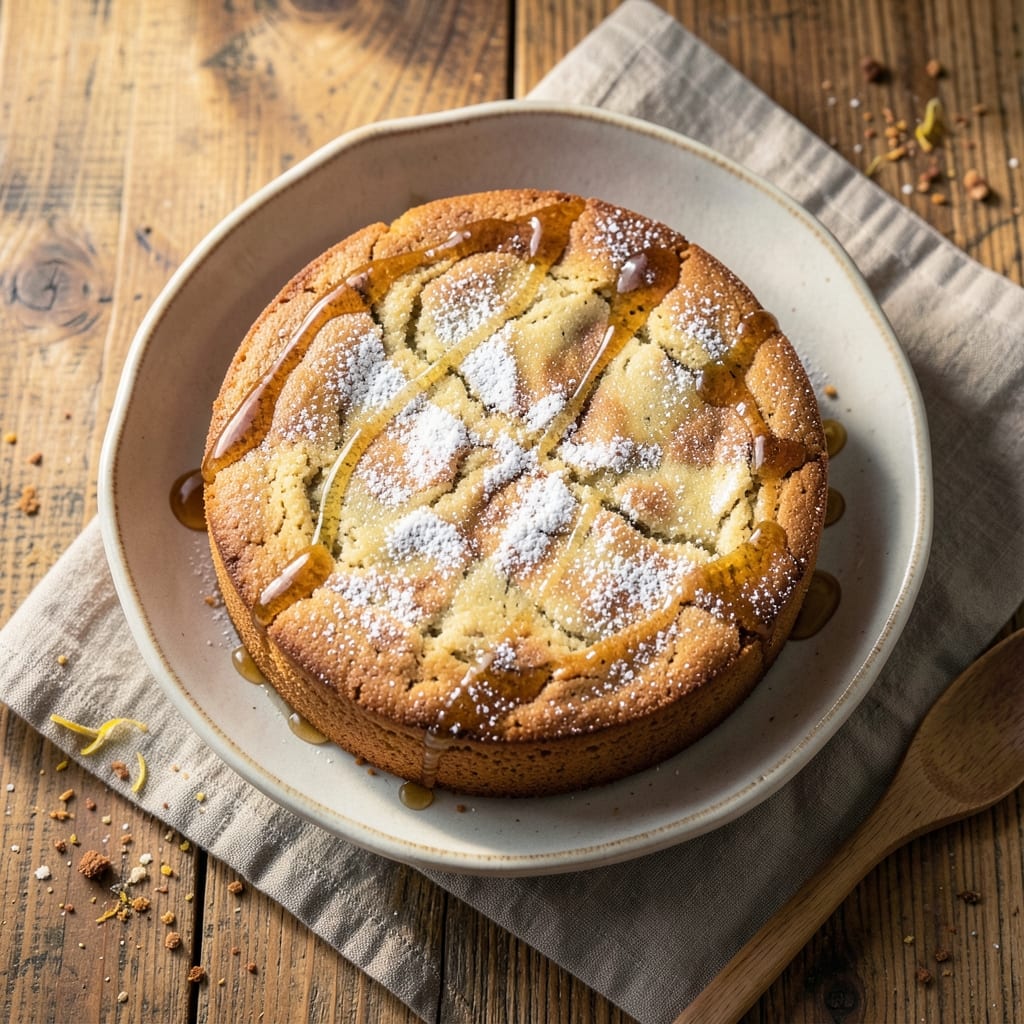
This sugar-free almond flour cake delivers a moist, tender crumb without refined sugar, eggs, or dairy—perfect for those avoiding processed sweeteners while still craving rich dessert. The secret lies in blending almond flour’s natural richness with a vegan binding agent that mimics eggs, creating a texture so light it disappears in every bite. After years of testing, this recipe finally cracked the code for a cake that’s naturally sweetened (using erythritol or monk fruit) yet indulgent enough to fool even the most skeptical sweet tooth.
What sets this recipe apart is its foolproof technique—no special equipment, just a standard mixing bowl and 20 minutes of prep before baking. The almond flour provides structure while keeping carbs low, and the leavening combination ensures rise without density. I’ve baked this in 350°F ovens for 30-35 minutes, yielding a golden dome with a fudgy interior that stays moist for days when stored properly.
The result? A sugar-free cake that’s rich, slightly nutty, and perfectly balanced—no aftertaste from sweeteners, no dryness from almond flour. The texture is cloud-like, with a delicate crumb that holds up to frosting (or none at all) without crumbling. Whether you’re avoiding sugar for health reasons or dietary restrictions, this recipe proves decadence and nutrition aren’t mutually exclusive.
Serve it plain for a minimalist treat, or top with sugar-free whipped cream and fresh berries for a restaurant-worthy dessert. The beauty of this recipe is its versatility—it works as a birthday cake, afternoon pick-me-up, or even a protein-packed breakfast when paired with nut butter. Let’s bake this cake.
Ingredients for almond flour sugar free cake
This almond flour cake relies on precise ratios and quality ingredients for its signature moist texture.
| Ingredient | Amount | Notes |
|---|---|---|
| Almond Flour 🌰 | 2 ½ cups | Finely ground, unsweetened preferred |
| Erythritol 🍯 | ½ cup | Granulated, sugar-free sweetener |
| Unsweetened Applesauce 🍎 | ¾ cup | For vegan egg binding |
| Coconut Oil 🥥 | ½ cup | Melted, full-fat preferred |
| Unsweetened Almond Milk 🥛 | ¾ cup | Room temperature |
| Vanilla Extract 🌿 | 1 tbsp | Pure, high-quality extract |
| Baking Powder 🍞 | 1 tsp | Aluminum-free for best flavor |
| Salt 🧂 | ¼ tsp | Fine sea salt preferred |
| Xanthan Gum 🧪 | ¼ tsp | For improved texture |
| Lemon Zest 🍋 | 1 tbsp | Fresh, organic preferred |
| Ground Flaxseed 🌾 | 1 tbsp | For additional binding |
| Almond Extract 🌰 | ½ tsp | Enhances almond flavor |
The almond flour is the foundation—opt for Bob's Red Mill or Anthony's Goods for consistent texture. Erythritol must be finely granulated; brands like Lakanto or Wholesome Sweeteners work best. Coconut oil should be unrefined, extra-virgin for optimal flavor and binding properties. Almond milk from Silk or Califia Farms adds moisture without altering texture. For the binding agents, ground flaxseed should be freshly ground to maximize effectiveness, while xanthan gum ensures that delicate crumb. Lemon zest should be organic if possible—conventional zest often contains bitter residues from pesticides.
No erythritol? Monk fruit sweetener works at a 1:1 ratio, though it has a slightly different aftertaste. Short on almond milk? Oat milk or soy milk function similarly, but avoid rice milk due to its neutral flavor. Applesauce can be swapped for mashed banana (reduce by 1 tbsp) for added moisture. Vanilla extract should be pure; imitation extracts often contain alcohol that can dry out the cake. Almond extract is optional but enhances the nutty profile—McCormick or Frontier Co-op are reliable brands. For a nut-free version, replace almond flour with oat flour (though texture will differ).
Store baked cake in an airtight container at room temperature for up to 4 days or refrigerate for 7 days. For longer storage, slice and freeze portions for up to 3 months. Reheat slices at 300°F for 5-7 minutes to restore moisture. The cake freezes beautifully—portion before freezing for easy single servings. Avoid plastic wrap, which can impart odors; parchment paper or beeswax wraps are ideal for short-term storage.
Why You'll Love This Recipe
- No Mixer Needed: I swear by this recipe when my mixer’s on the fritz—just stir, fold, and bake. The almond flour blends like a dream with the applesauce, so you’re not fighting dough that sticks to the bowl.
- Rich Without Sugar: That coconut oil and erythritol combo? It’s where the magic happens. The cake stays moist but never cloying, and honestly, you’d never guess it’s sugar-free—until you check the ingredient list.
- Lunchbox Hero: Between us, this is my go-to for school lunches or office snacks. Slice it into squares, and it holds up for days. The almond milk keeps it tender, so it doesn’t turn into a brick by Wednesday.
- Budget-Friendly Indulgence: Almond flour might sound fancy, but a little goes a long way—this recipe uses less than a cup, and it stretches further than most cakes. Plus, the applesauce cuts costs without sacrificing texture. (Yes, even on a Tuesday night.)
Step-by-step instructions for almond flour sugar-free cake
This method delivers a perfectly moist, tender crumb without refined sugar or eggs.
Prepare the Wet Ingredients
In a medium mixing bowl, combine the 0.5 cup melted coconut oil with the 0.75 cup unsweetened applesauce and 0.75 cup unsweetened almond milk. Whisk until completely smooth—this mixture forms the base of our egg-free binding system. The applesauce provides natural moisture while the coconut oil adds richness without dairy.
Next, add the 0.5 cup erythritol, 1 tbsp vanilla extract, 0.5 tsp almond extract, and 1 tbsp lemon zest. Stir vigorously for 1 minute until the erythritol fully dissolves. The lemon zest brightens the flavor while the almond extract enhances the nutty profile. Let this mixture sit for 5 minutes while you prepare the dry ingredients—this allows the sweetener to fully integrate.
Combine Dry Ingredients
In a separate large bowl, sift together the 2.5 cups almond flour, 1 tsp baking powder, 0.25 tsp salt, and 0.25 tsp xanthan gum. The xanthan gum is crucial here—it mimics gluten structure to create that signature tender crumb. Use a whisk to break up any lumps in the almond flour, which can sometimes clump when stored.
Add the 1 tbsp ground flaxseed to the dry mixture and stir well. The flaxseed acts as a natural binder, replacing eggs while adding subtle earthiness. I like to press the flaxseed through a fine-mesh sieve to ensure even distribution throughout the batter. This step prevents dense pockets in your final cake.
Mix Wet and Dry Components
Gradually pour the wet ingredient mixture into the dry ingredients while stirring gently with a spatula. Mix just until combined—you should still see small flecks of almond flour throughout. Overmixing develops gluten-like proteins in the almond flour, which can make the cake dense rather than tender. Stop mixing as soon as the batter comes together.
Here's the thing—this batter will look thicker than traditional cake batter. That's normal. The combination of applesauce, coconut oil, and almond milk creates a denser consistency that still produces a light crumb when baked properly. If the batter appears too thick after mixing, add 1-2 tablespoons of additional almond milk to reach a pourable consistency.
Bake for Perfect Moisture
Preheat your oven to 350°F and grease an 8-inch round cake pan thoroughly with coconut oil, then dust with almond flour. Pour the batter into the prepared pan and smooth the top with a spatula. Tap the pan gently on the counter 3-4 times to eliminate any air bubbles that might have formed during mixing.
Bake for 30-35 minutes until a toothpick inserted into the center comes out clean with just a few moist crumbs clinging to it. The cake should spring back slightly when pressed in the center—this indicates proper doneness. Real talk: don't overbake. Almond flour cakes continue cooking slightly after removal from the oven, and overbaking leads to dryness.
Cool and Serve
Remove the cake from the oven and let it cool in the pan for 10 minutes. This short resting period prevents cracking as the cake contracts. Then transfer to a wire rack to cool completely. The cake will continue to set as it cools, becoming more stable and easier to slice.
For best texture, serve the cake at room temperature. The combination of coconut oil and applesauce creates a moist crumb that stays tender for 3-4 days when stored properly in an airtight container. This cake pairs beautifully with fresh berries or a dollop of coconut whipped cream for a sugar-free dessert that satisfies without guilt.
Pro Tips For Making Almond Flour Sugar Free Cake
- MEASURE ALMOND FLOUR BY WEIGHT: Almond flour packs differently every time—scooping it straight from the bag gives you way more volume than you need. Use a kitchen scale for accuracy, and don’t tap the measuring cup afterward (yes, even if it looks like it’s settled).
- WHISK COCONUT OIL FIRST: Cold coconut oil turns into a greasy mess when mixed with dry ingredients. Melt it slightly (just until liquid but not hot) and whisk it into the applesauce and almond milk first—this creates a smoother batter and prevents lumps.
- DON’T OVERMIX THE BATTER: Almond flour cakes turn dense if you stir them like you’re trying to win a baking contest. Mix just until the dry ingredients disappear—overworking it develops gluten-like bonds, and your cake will end up tough instead of tender.
- BAKE UNTIL THE CENTER IS JUST SET: Erythritol doesn’t brown like sugar, so your cake might look underdone even when it’s ready. Insert a toothpick—it should come out clean or with a few very moist crumbs (not wet batter). Resist the urge to underbake for a softer texture; almond flour cakes firm up as they cool.
Storing and reheating this recipe
Room Temperature Storage
Keep your sugar-free almond flour cake at room temperature in an airtight container for up to 4 days. The coconut oil and applesauce preserve moisture beautifully, but avoid plastic containers—they can trap odors. I use glass Pyrex containers with snap-on lids for the best results. Store the cake on a wire rack inside the container to prevent sogginess from condensation. 🌟
Refrigerator Longevity
For extended freshness, refrigerate the cake in the same airtight container for up to 7 days. The cold slows down moisture loss, keeping the crumb tender. Let it sit at room temperature for 10-15 minutes before serving to restore texture. If you notice the top drying out, lightly brush with melted coconut oil before serving—it revives the moisture instantly.
Freezer-Friendly Slices
Slice the cake before freezing for perfect single servings. Wrap each slice tightly in parchment paper, then place in a freezer bag with all air removed. Label with the date—these freeze beautifully for 3 months. When ready to enjoy, thaw overnight in the fridge or reheat directly from frozen at 300°F for 5-7 minutes for a warm treat. 🧊
Reheating Secrets
For the best texture, reheat cake slices in a preheated oven at 300°F for 5-7 minutes. This method restores moisture without making the cake gummy. Microwave reheating works in a pinch: place the slice on a plate, cover with a damp paper towel, and heat at 50% power for 20 seconds. Avoid high heat—it can turn the edges rubbery.
Preventing Dryness
The key to maintaining moisture is proper storage. Never store the cake in the fridge for short-term use—temperature fluctuations cause condensation, leading to a soggy bottom. If you must refrigerate, transfer to room temperature before serving. For extra protection, place a silica gel packet in the storage container to absorb any excess moisture. 💫
Nutrition facts
Frequently asked questions
Can I make this almond flour cake without xanthan gum?
You can try, but expect a slightly denser texture. Xanthan gum mimics gluten's structure, creating that signature tender crumb. For a 1:1 substitute, use 1 tbsp psyllium husk powder mixed with 2 tbsp water (let it gel for 5 minutes first). Without either, your cake will still bake but may lack the light, airy quality. The flaxseed already provides some binding, but xanthan gum is the secret to that perfect crumb!
What's the best sugar-free sweetener substitute if I don't have erythritol?
Monk fruit sweetener works 1:1 with no aftertaste, but it's pricier. For a budget option, blend ½ cup powdered erythritol + 2 tbsp almond flour to mimic granulated texture. Avoid maltitol—it crystallizes when baked. If using stevia, reduce by 30% (it's 200x sweeter than sugar) and add 1 tsp lemon juice to balance bitterness. The key is fine granulation for even baking!
Why did my almond flour cake turn out dense instead of moist?
Overmixing is the #1 culprit—stop stirring as soon as the batter comes together. Other common mistakes: underbaking (check with a toothpick at 30 minutes), old baking powder, or using too much almond milk. For extra moisture, replace 2 tbsp applesauce with mashed banana or add 1 tbsp melted coconut oil to the batter. Preheat your oven thoroughly too—cold ovens cause uneven baking!
How can I make this cake nut-free?
Replace almond flour with 2.5 cups oat flour (blend rolled oats into fine powder) and use sunflower seed butter instead of almond extract. Swap almond milk for oat or soy milk. The texture will be slightly heavier but still delicious. For binding, increase flaxseed to 2 tbsp and add ½ tsp guar gum to compensate for lost structure. Test with a small batch first—oat flour absorbs more liquid!
Can I add chocolate chips or mix-ins to this recipe?
Use ½ cup sugar-free dark chocolate chunks (70%+ cocoa) or chopped nuts. For extra richness, fold in ¼ cup unsweetened cocoa powder with the dry ingredients. Avoid dairy-based chips—they'll separate. Pro tip: Chill the batter for 15 minutes before baking if adding mix-ins to prevent sinking. Start with ¼ cup and adjust to taste—too many can make the cake dry!