
Desserts
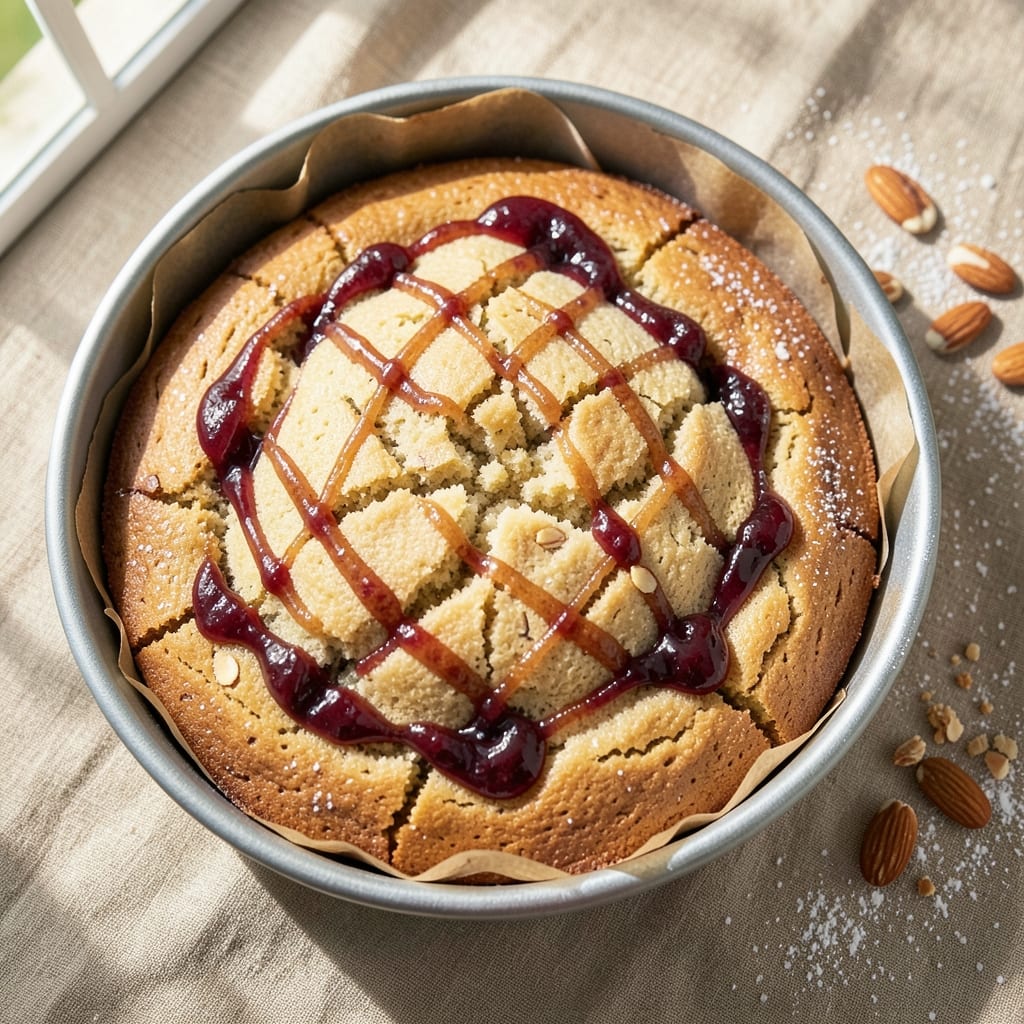
This almond plum cake recipe delivers layers of buttery richness and fruity depth, perfect for special occasions or weekend baking. The secret lies in a tender almond-infused cake base swirled with vibrant plum jam, creating a balance of nutty sweetness and tart fruit. I’ve perfected this recipe over years of testing, ensuring every slice stays moist and flavorful.
The cake’s magic comes from a simple yet effective technique: mixing almond flour into the batter for texture and depth, while the plum jam swirl adds a burst of fruity contrast. Baking at the right temperature ensures a golden crust without drying out the layers. Whether you use fresh plums, dried plums, or store-bought jam, the result is consistently delicious.
What you’ll end up with is a cake that’s elegant enough for celebrations but simple enough for weeknight treats. The layers are tender yet sturdy, with a subtle crunch from toasted almonds and a jam swirl that ties everything together. Dust with powdered sugar or garnish with citrus zest for a polished finish.
This recipe scales beautifully for gatherings, and leftovers keep well for days. Ready to bake? Let’s get started with a foolproof method that guarantees restaurant-quality results at home.
Ingredients for almond plum cake
Buttery layers meet fruity swirls with these 12 essential ingredients for a restaurant-quality almond plum cake.
| Ingredient | Amount | Notes |
|---|---|---|
| All-Purpose Flour 🌾 | 1 ½ cups | Sifted for light texture |
| Almond Flour 🥜 | 1 cup | Finely ground for smooth batter |
| Granulated Sugar 🍚 | 1 ½ cups | Superfine preferred for tenderness |
| Unsalted Butter 🧈 | 1 cup | Room temperature, cubed |
| Large Eggs 🥚 | 3 whole | Room temperature for even mixing |
| Plum Jam 🍑 | 1 cup | High-quality, chunky preferred |
| Baking Powder 🧂 | 1 ½ tsp | Freshly measured for rise |
| Salt 🧂 | ½ tsp | Kosher or fine sea salt |
| Vanilla Extract 🌸 | 1 tbsp | Pure vanilla for authentic flavor |
| Toasted Almond Slices 🥜 | ½ cup | For garnish and texture |
| Powdered Sugar 🍚 | ¼ cup | For dusting finished cake |
| Lemon Zest 🍋 | 1 tbsp | Brightens the plum flavor |
The almond flour is non-negotiable here—it’s what gives the cake that signature nutty depth and tender crumb. Bob’s Red Mill or King Arthur brands are my go-to for consistent quality. If you can’t find almond flour, you can blend whole almonds into a fine powder, but it’ll be grittier. The plum jam should be high-quality—avoid the watery, overly sweet varieties. Look for brands like Bon Appétit or Stella, which have a good balance of fruit and sugar. For the butter, Plugrá or Land O’Lakes are reliable choices, but any unsalted butter in good condition works. Toast your almond slices lightly in a dry pan until golden for extra flavor.
No almond flour? Substitute with an extra 0.5 cups all-purpose flour, but the texture will be slightly denser. Running out of plum jam? Fresh plums puréed with sugar works beautifully—simmer 2 cups pitted plums with 0.5 cup sugar until thickened. The vanilla extract can be swapped for vanilla bean paste if you want deeper flavor. For the lemon zest, if you don’t have fresh lemons, bottled zest works in a pinch, though it lacks the same brightness. The baking powder should be freshly measured—old baking powder loses its lift. If you’re unsure, test it by mixing 1 tsp with 1 cup hot water; it should foam immediately.
Store the cake in an airtight container at room temperature for up to 3 days, or refrigerate for 5 days if you’re not planning to eat it quickly. For longer storage, wrap tightly in plastic and freeze for up to 3 months. To serve, bring the cake to room temperature before slicing for clean layers. The jam swirl keeps best when the cake is fresh, so enjoy it within the first 2 days for the most vibrant flavor. If you’re prepping ahead, assemble the cake layers the day before baking and refrigerate overnight for easier handling.
Why You'll Love This Recipe
- No Mixer Needed: This cake comes together with just a fork and a bowl—no stand mixer, no food processor. The almond flour gives it that velvety texture without the fuss, and the eggs bind it effortlessly. Honestly, I’ve made it while scrolling through my phone.
- Plum Butter Magic: That burst of plum jam swirled into the batter? It’s the star. The almond flour keeps it moist while the jam adds a sweet-tart punch that makes every bite feel like a little treat. (Yes, even on a Tuesday night.)
- Breakfast or Dessert: Serve it warm with a drizzle of honey for a cozy breakfast, or slice it chilled for a light afternoon snack. The butter and sugar combo makes it rich enough for dessert but simple enough for a quick morning grab.
- Leftovers That Last: This cake stays fresh for days—no soggy middle here. The almond flour and butter combo means it won’t dry out, so you can bake one and enjoy slices all week. My go-to when I don’t want to bake twice.
Step-by-step instructions for almond plum cake
Here's the professional method for creating layers of tender cake with rich plum jam swirls.
Prepare the Cake Batter
Preheat your oven to 350°F and grease two 8-inch round cake pans with butter, then line the bottoms with parchment paper. In a medium bowl, whisk together the 1.5 cups all-purpose flour, 1 cup almond flour, 1.5 tsp baking powder, and 0.5 tsp salt. Sift the dry ingredients to eliminate any lumps and ensure even distribution throughout the batter.
In a separate large bowl, cream together the 1 cup unsalted butter and 1.5 cups granulated sugar using an electric mixer on medium speed for 3-4 minutes until light and fluffy. The mixture should nearly double in volume and become pale in color. This creaming process incorporates air, which creates a light, tender cake texture. Add the 3 whole large eggs, one at a time, mixing well after each addition. Stir in the 1 tbsp vanilla extract and 1 tbsp lemon zest until fully combined.
Combine Wet and Dry Ingredients
Gradually add the dry ingredient mixture to the wet ingredients, mixing on low speed until just combined. Avoid overmixing—stop as soon as the flour disappears. The batter should be smooth and slightly thick. Fold in the 1 cup plum jam using a spatula, ensuring even distribution throughout the batter. The jam will add moisture and create those beautiful swirls when baked.
Divide the batter evenly between the two prepared cake pans, spreading it out evenly. Bake for 25-30 minutes or until a toothpick inserted into the center comes out clean. The cakes should be golden brown on top and spring back slightly when pressed. Rotate the pans halfway through baking for even cooking.
Prepare the Plum Jam Filling
While the cakes are baking, prepare the plum jam filling. In a small bowl, mix together 0.25 cup powdered sugar and 2 tbsp warm water to create a glaze. This will help the jam adhere to the cake layers. Once the cakes have cooled for 10 minutes in their pans, remove them from the pans and place them on a wire rack to cool completely. This cooling step is crucial—warm cake layers will melt the butter and jam, making assembly difficult.
Using a serrated knife, level the tops of the cakes if necessary. Place one cake layer on a serving plate, then spread a generous layer of the 1 cup plum jam evenly over the top. The jam should be thick enough to hold its shape but still spreadable. This is where the magic happens—the jam will create beautiful swirls when you assemble the cake.
Assemble and Garnish the Cake
Place the second cake layer on top of the jam-covered layer and gently press down to create a clean, even surface. Dust the top and sides of the cake with the remaining 0.25 cup powdered sugar using a fine-mesh sieve for an elegant finish. Arrange the 0.5 cup toasted almond slices decoratively on top and around the sides of the cake. The almonds add a delightful crunch and enhance the visual appeal.
For the final touch, drizzle any remaining plum jam over the top of the cake in a zigzag pattern. This not only adds extra flavor but also creates a stunning presentation. Serve the cake at room temperature, allowing the layers to meld together and the flavors to fully develop. Each slice should reveal tender cake layers with pockets of jam and a delicate almond crunch.
Pro Tips For Making Almond Plum Cake
- Whisk Eggs Cold: Pull the eggs straight from the fridge—room temperature eggs incorporate air differently, and you’ll end up with a denser cake. I used to ignore this, and my layers always felt heavy. Now they’re light as a cloud.
- Sift the Almond Flour: Almond flour is clumpy, and clumps sink to the bottom of your batter like rocks. Sift it directly into the bowl with the all-purpose flour—no lumps, no surprises. (Yes, even if you’re in a hurry.)
- Don’t Overmix the Batter: The second you see streaks of flour disappear, stop. Overmixing with the eggs and butter turns your tender cake into a tough brick. Fold just until combined—this isn’t pancake batter.
- Test with a Toothpick: The cake’s done when the toothpick comes out with one moist crumb, not wet batter. I learned this after a batch collapsed undercooked—now I pull it at 325°F when the edges pull away, then check. Patience pays off.
Troubleshooting perfect results
Dense Cake Layers
If your cake turns out dense instead of light and fluffy, you might be overmixing the batter. The key is to stop mixing as soon as the flour disappears—overmixing develops gluten, which makes the texture tough. I’ve found that using a hand mixer on low speed for just 10-15 seconds after adding the dry ingredients prevents this. Also, ensure your butter and eggs are at room temperature—cold ingredients can lead to uneven mixing and density. 🥜
Cracked Top
A cracked top usually means your oven was too hot or the cake baked too quickly. To fix this, preheat your oven for at least 15 minutes to ensure even temperature. Place your cake pans on the middle rack and avoid opening the oven door during the first 20 minutes of baking. If you notice the edges browning too fast, tent the pans loosely with aluminum foil. This helps the cake rise evenly without cracking.
Dry Cake Texture
Dryness often happens when the cake is overbaked or the oven temperature fluctuates. Pull the cake out as soon as a toothpick comes out clean—even if it looks underdone. For extra moisture, brush the warm cake layers with a simple syrup made from ¼ cup sugar and 2 tbsp water while they’re still in the pans. This keeps the cake tender. Also, avoid baking in a glass pan—it heats up faster and can dry out the cake. Stick to metal pans for best results.
Jam Not Swirling
If your jam isn’t creating those beautiful swirls, the issue is likely the batter consistency. The batter should be thick but pourable—like heavy pancake batter. If it’s too thin, the jam will sink to the bottom without swirling. To fix this, add 1-2 tbsp more almond flour to thicken it. Another trick is to pipe the jam directly into the batter before dividing it into pans—this creates more dramatic swirls. Use a piping bag with a small round tip for precise placement.
Uneven Rise
Uneven rise is often caused by uneven heat distribution or old baking powder. Always use fresh baking powder—test it by mixing 1 tsp with 1 cup hot water; it should foam immediately. Place your cake pans on the middle rack and rotate them halfway through baking. If your oven has hot spots, consider using an oven thermometer to confirm the temperature. A 350°F oven should read exactly 350°F—many ovens run hot or cold.
Sticky or Gummy Cake
A sticky or gummy cake usually means the sugar didn’t dissolve properly or the batter was too wet. Make sure your butter and sugar are fully creamed—this should take 3-4 minutes with an electric mixer. If the batter feels too wet, add 1-2 tbsp more flour to absorb excess moisture. Another tip: don’t overfill the pans—fill them only ⅔ full to allow room for rising. This prevents the cake from spilling over and sticking to the sides.
Nutrition facts
Frequently asked questions
Can I substitute almond flour with regular flour?
You can use 1.5 cups all-purpose flour instead of almond flour, but the texture will be denser. To maintain some almond flavor, add 1 teaspoon almond extract to the batter. The cake will still taste delicious but won't have the same tender crumb or nutty depth.
What if I don't have plum jam? Can I use fresh plums?
Simmer 2 cups pitted fresh plums with 0.5 cup sugar until thickened (about 10-15 minutes). Strain out the seeds and reduce until it reaches jam-like consistency. This fresh plum purée will give your cake a brighter, fruitier flavor than store-bought jam.
How do I store leftovers to keep them fresh?
Store the cake in an airtight container at room temperature for up to 3 days. For longer storage, refrigerate for 5 days or freeze for 3 months. Wrap tightly in plastic wrap and place in a freezer bag to prevent freezer burn. Bring to room temperature before serving for best texture.
Why does my cake have a cracked top?
Cracked tops usually happen when the oven is too hot or the cake bakes too quickly. Preheat your oven for 15 minutes before baking, and place the cake pans on the middle rack. Avoid opening the oven door for the first 20 minutes of baking. If edges brown too fast, tent with aluminum foil.
Can I make this cake gluten-free?
Yes! Replace the 1.5 cups all-purpose flour with 1.5 cups gluten-free 1:1 baking flour (like Bob's Red Mill). Add 0.5 teaspoon xanthan gum to help bind the mixture. The almond flour can stay the same. Keep an eye on baking time—gluten-free cakes may need 5-10 minutes longer in the oven.