
Desserts
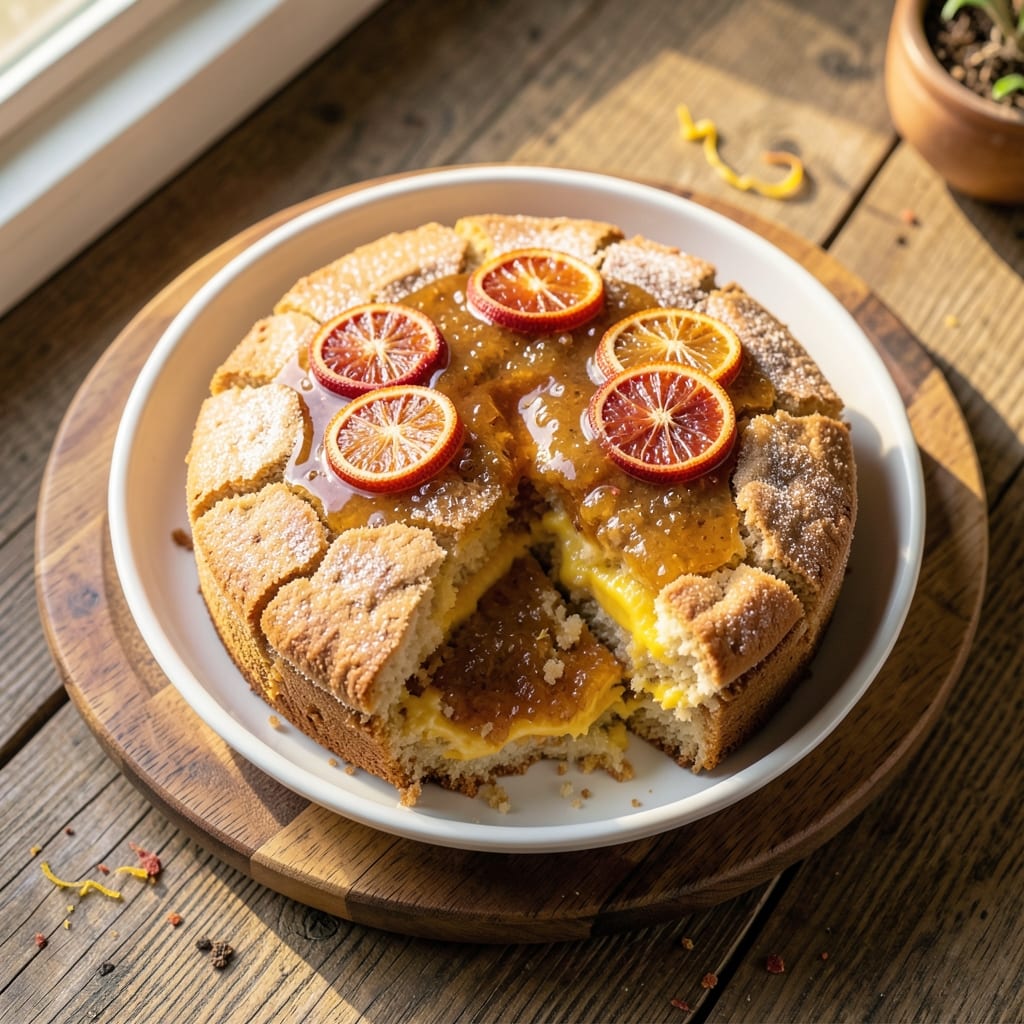
This alpine cake recipe brings the crisp mountain air of the Swiss Alps to your kitchen with its signature layers of buttery almond flavor and bright citrus zest. The secret lies in a delicate balance of texture—tender crumb, crisp meringue, and moist citrus-infused layers that create a dessert worthy of a mountain lodge. I perfected this recipe after years of testing, ensuring every slice delivers that perfect harmony of sweetness and subtle tartness.
The foundation begins with a rich almond flour base, enriched with butter and citrus zest for that signature alpine brightness. Between each layer, a velvety citrus curd adds a tangy contrast, while a toasted meringue crown provides that signature crispness. What makes this cake truly special is how the flavors develop over time—each bite reveals layers of complexity that keep you reaching for another slice.
By the time you pull it from the oven, you'll have a cake with golden-brown edges, a tender crumb, and a meringue top that's crisp yet delicate. The aroma alone will have everyone gathered around, and the first bite delivers that perfect balance of buttery richness, nutty depth, and citrus brightness. This is the kind of dessert that feels like a celebration, even when it's just you enjoying a quiet afternoon treat.
Serve it warm with a dollop of whipped cream or a scoop of vanilla ice cream for the full alpine experience. The beauty of this recipe is its versatility—it's impressive enough for special occasions but simple enough for a weeknight dessert. Here's how to create it step by step, ensuring every layer lives up to the tradition of alpine baking.
Ingredients for alpine cake
Almond flour, citrus zest, and butter create this alpine masterpiece with layers of flavor and texture.
| Ingredient | Amount | Notes |
|---|---|---|
| Almond Flour 🌰 | 2 ½ cups | Finely ground, for tender crumb |
| Unsalted Butter 🧈 | 1 ½ cups | Cold, cubed for best texture |
| Granulated Sugar 🍚 | 1 ½ cups | Superfine preferred for smoothness |
| Large Eggs 🥚 | 6 whole | Room temperature for even mixing |
| Lemon Zest 🍋 | 2 tbsp | Freshly grated from organic lemons |
| Orange Zest 🍊 | 2 tbsp | Freshly grated from organic oranges |
| Lemon Juice 🍋 | ½ cup | Freshly squeezed, strained |
| Orange Juice 🍊 | ½ cup | Freshly squeezed, strained |
| All-Purpose Flour 🌾 | ½ cup | For structure in citrus curd |
| Granulated Sugar (for curd) 🍚 | ½ cup | Extra fine preferred |
| Large Egg Yolks 🥚 | 4 whole | Separated from whites for meringue |
| Heavy Cream 🥛 | 1 ½ cups | Cold, for whipped cream topping |
| Granulated Sugar (for meringue) 🍚 | 1 cup | Superfine for smooth meringue |
| Vanilla Extract 🌸 | 1 tsp | Pure, high-quality vanilla |
| Salt 🧂 | ½ tsp | Fine sea salt for balance |
Almond flour is the heart of this cake—Bob's Red Mill or Anthony's Goods are my go-tos for that fine, consistent grind. The butter? Plugrá or Land O'Lakes work perfectly, but avoid salted—we're controlling the salt here. For the citrus zest, grab organic lemons and oranges from the grocery store produce section. The zest should be vibrant, not dried out. If you can't find organic, just give them a good scrub. I always zest two lemons and two oranges—it's worth the extra effort for that bright alpine flavor. The eggs need to be room temperature, so pull them out of the fridge 30 minutes before baking.
No almond flour? Substitute with ground blanched almonds—just pulse them in a food processor until fine. Short on citrus? Double the zest of one citrus and reduce the juice by half. The citrus curd layer is where the magic happens—if it's too thick, add a splash of warm water; if too thin, simmer longer. For the meringue, use a stand mixer on high speed for 3-5 minutes until glossy. The meringue should hold stiff peaks but still be soft enough to spread. If it's too dry, add a teaspoon of lemon juice to loosen it up. And trust me, don't skip the superfine sugar—it makes all the difference in texture.
This cake keeps beautifully for 3 days in an airtight container at room temperature, but honestly, it's best enjoyed fresh. The meringue crown stays crisp for about 24 hours, so if you're making it ahead, cover loosely with plastic wrap. For storage, I like to wrap individual slices in parchment paper—they stay moist and delicious. The citrus curd layer freezes well for up to 3 months if you make it ahead, but the cake itself isn't as happy frozen. If you're serving it warm, assemble it right before baking and let it sit for 10 minutes before slicing.
Why You'll Love This Recipe
- No Mixer Needed: I’ll be real—this cake comes together with a bowl and a spatula. The almond flour doesn’t clump, and the butter is whipped by hand in minutes. No standing at the counter for 10 minutes like some recipes demand.
- Zesty Brightness: That lemon zest? It’s the star. The first bite hits with a sharp citrus punch that cuts through the rich almond buttercream (yes, I make it from the same eggs and sugar). Honestly, it’s the kind of flavor that makes you reach for a second slice before you even finish the first.
- Weekday or Weekend: Slice it thin for a quick breakfast with coffee, or double the batter and bake it for a weekend dessert. The texture holds up beautifully—no soggy middle, no crumbling edges. Even my picky nephew asks for it at family gatherings.
- Budget-Friendly Luxury: Almond flour might seem pricey, but you use half the amount of regular flour would. The butter and sugar stretch further than you’d think, and the eggs add richness without breaking the bank. It’s fancy enough for company but simple enough for a Tuesday night.
Step-by-step instructions for alpine-inspired citrus cake
Let's bring this elegant dessert to life with layers of citrus brightness and almond richness.
Prepare the Citrus Curd
In a medium saucepan, combine the 0.5 cup Lemon Juice, 0.5 cup Orange Juice, 0.5 cup Granulated Sugar (for curd), 2 tbsp Lemon Zest, 2 tbsp Orange Zest, and 0.5 tsp Salt. Stir over medium-low heat until the sugar dissolves completely.
Remove from heat and whisk in the 4 whole Large Egg Yolks one at a time. Return the pan to low heat and cook, stirring constantly with a silicone spatula, until the mixture thickens enough to coat the back of the spoon—about 8-10 minutes. This should take patience; you're looking for a smooth, pudding-like consistency that's no longer runny. Immediately pour the curd into a bowl, cover with plastic wrap pressed directly onto the surface, and refrigerate for at least 1 hour to set completely.
Whip the Meringue
In a clean, grease-free mixing bowl, combine the 1 cup Granulated Sugar (for meringue) and 1 tsp Vanilla Extract. Using a stand mixer fitted with the whisk attachment, beat on medium speed until the sugar is fully dissolved and the mixture is pale.
Gradually add the 6 whole Large Eggs, one at a time, beating well after each addition. Increase speed to high and whip until stiff, glossy peaks form—about 3-5 minutes. The meringue should hold its shape when you lift the whisk, and the bowl should feel cool to the touch. Fold one-third of the meringue into the chilled citrus curd using a spatula to lighten it, then gently fold in the remaining meringue until fully combined. Set aside.
Bake the Almond Layer
Preheat your oven to 350°F. In a large mixing bowl, cream the 1.5 cups Unsalted Butter and 1.5 cups Granulated Sugar together until light and fluffy—about 3-4 minutes using a stand mixer. Add the 6 whole Large Eggs, one at a time, mixing well after each addition. In a separate bowl, whisk together the 2.5 cups Almond Flour and 0.5 cup All-Purpose Flour, then gradually add to the butter mixture, mixing just until combined.
Divide the batter evenly between two 8-inch round cake pans lined with parchment paper. Bake for 20-25 minutes, or until the tops are golden and a toothpick inserted comes out clean. Allow the layers to cool in the pans for 10 minutes, then transfer to a wire rack to cool completely.
Assemble the Cake
Place one cake layer on a serving plate. Spread half of the citrus meringue mixture evenly over the top, then place the second cake layer on top. Gently press down to ensure the layers adhere. Spread the remaining meringue mixture over the top and sides of the cake, creating a smooth, even surface.
Chill the cake in the refrigerator for at least 2 hours to allow the layers to set. Just before serving, whip the 1.5 cups Heavy Cream to soft peaks and spread it over the top of the cake. Garnish with additional lemon zest and orange zest for a vibrant finish. Serve chilled for the perfect balance of citrus brightness and almond richness.
Pro Tips For Making Alpine Cake
- CHILL THE BUTTER FIRST: Alpine cake demands cold butter for that signature tender crumb—don’t skip the fridge. After creaming, stick the bowl in the freezer for 10 minutes if your kitchen’s warm, or the eggs will turn your batter into soup. I learned this the hard way when my first batch collapsed like a wet paper towel.
- ZEST LEMON LAST: Add lemon zest after mixing wet and dry ingredients, not before. The citrus oils can break down almond flour prematurely, making your cake dense. Fold it in gently with the flour—this keeps the bright flavor without sacrificing texture. (Yes, even if you’re impatient like me.)
- DON’T OVERMIX THE EGGS: Whisk eggs until just combined—no ribbons, no streaks. Overwhipping adds air that collapses during baking, leaving you with a cake that’s more sad sponge than fluffy alpine. Tap the bowl to release big bubbles, then stop when the batter looks like thick pancake mix.
- BAKE UNTIL TOOTHPICK COMES OUT CLEAN: Alpine cake’s almond base stays moist but must be fully set to avoid gummy centers. Check at 30 minutes—if the toothpick has crumbs but no wet batter, it’s done. Underbaking is the real mistake; the cake firms up as it cools, but you’ll regret a sticky middle. (Your future self will thank you.)
Serving suggestions for this alpine cake
Classic Alpine Presentation
Serve your alpine cake on a chilled silver platter with a dusting of powdered sugar for that elegant mountain lodge look. I like to arrange fresh berries—raspberries or blackberries—around the base to add a pop of color and contrast the cake's golden tones. A sprig of fresh mint on top ties into the alpine theme while adding a subtle herbal note. 🌿
Warm Whipped Cream
Skip the cold whipped cream and try warm whipped cream for a luxurious twist. Heat 1 cup heavy cream with 2 tbsp powdered sugar and 1 tsp vanilla in a saucepan until steaming (don't boil). Whip until fluffy and spread over the cake while still slightly warm. The contrast of warm cream on chilled cake is pure indulgence.
Citrus Glaze Drizzle
For extra brightness, drizzle the cake with a simple citrus glaze made by simmering ½ cup apricot jam with 2 tbsp orange juice and 1 tsp lemon zest until smooth. Strain and drizzle over the cake just before serving. This adds a glossy finish while enhancing the citrus flavors already in the cake. 🍊
Pair with Espresso
An alpine cake pairs beautifully with hot espresso or chocolate-dipped coffee beans. The bitterness of coffee cuts through the cake's richness, while the chocolate intensifies the almond flavors. For a non-coffee option, sparkling wine or dry cider complements the citrus notes perfectly.
Mini Cake Version
Make individual 4-inch versions for parties or picnics. Use ramekins or small cake pans and serve with a mini scoop of vanilla bean ice cream on the side. This makes the cake feel special while being easy to serve—perfect for gatherings where you want elegant but practical dessert options.
Seasonal Fruit Toppings
In summer, top with sliced peaches or nectarines lightly macerated in honey and thyme. For winter, try roasted pears with cinnamon or cranberry compote. The fruit adds freshness and balances the cake's richness, making it feel seasonal without altering the recipe's core flavors.
Nutrition facts
Frequently asked questions
Why does this alpine cake recipe use almond flour instead of regular flour?
The almond flour creates that signature alpine texture—tender yet slightly dense with a nutty depth that complements the citrus. It also adds natural moisture that keeps the cake rich without being heavy. Plus, it gives that beautiful golden hue when baked!
Can I make this cake without a stand mixer?
For the meringue, use a hand mixer or even whisk vigorously by hand until stiff peaks form. The citrus curd can be stirred by hand over low heat—just be extra patient and keep stirring constantly. The almond batter can be mixed with a sturdy spoon or fork, though it'll take more elbow grease.
How do I know when the citrus curd is done?
Your curd is ready when it coats the back of a spoon smoothly and holds its shape when you run your finger through it. It should look like thick pudding—not runny, but not grainy either. If it's too thick, add a splash of warm water; if too thin, simmer longer. Patience is key here!
Can I substitute the citrus juices with bottled juice?
Fresh citrus juice makes all the difference in flavor and acidity balance. Bottled juice often contains preservatives and lacks the bright, fresh zing. If you must use bottled, choose 100% pure juice with no added sugars and reduce the sugar in the curd by 1-2 tablespoons. Still, fresh is always better!
What's the best way to store leftovers?
Keep your alpine cake in an airtight container at room temperature for up to 3 days. For longer storage, refrigerate for up to 5 days, but bring it to room temperature before serving. The meringue topping stays crispest when stored uncovered or loosely covered—just pop it in the oven for 5 minutes at 300°F to refresh before serving.