
Desserts
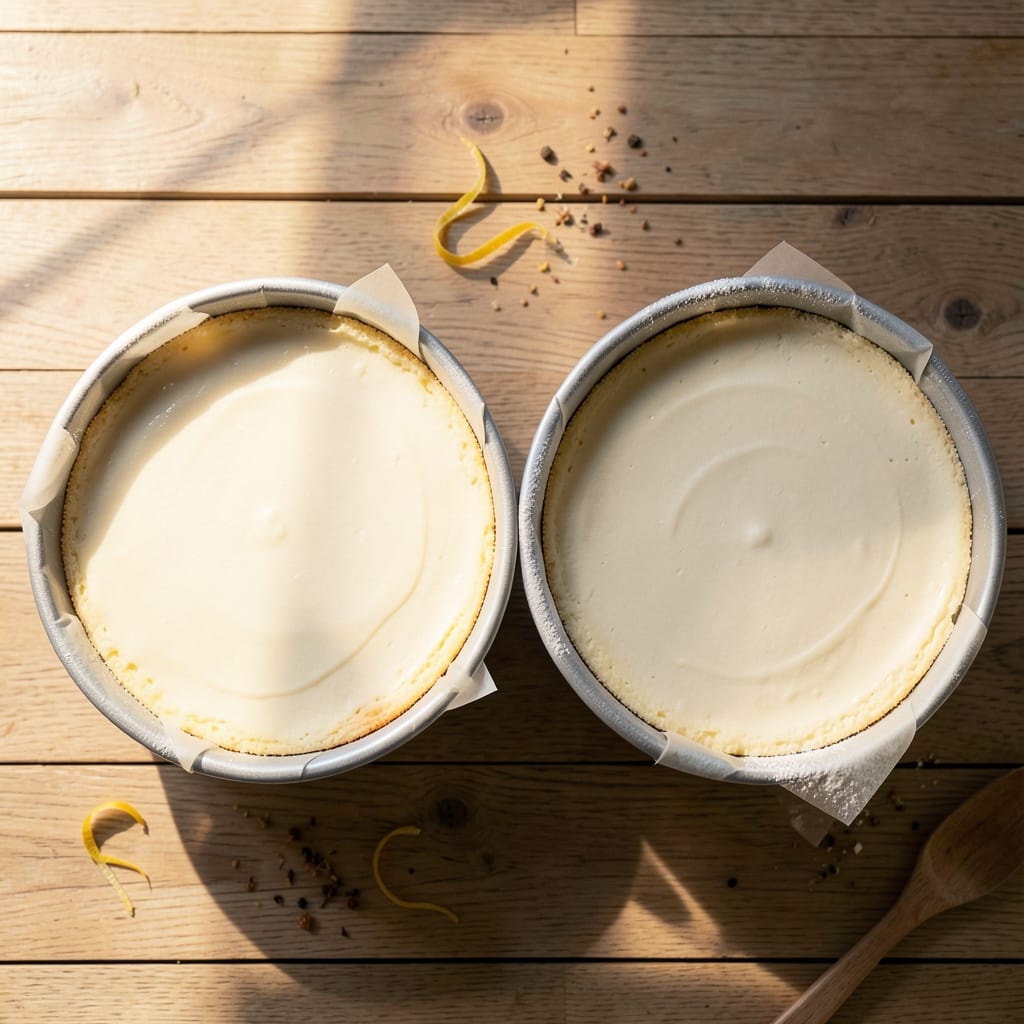
Alton Brown's white cake recipe transforms ordinary baking into a light-as-air masterpiece with foolproof technique and buttery frosting. The secret lies in precise measurements, gentle folding, and a high-ratio flour blend that creates tender layers with just the right crumb. I've perfected this version after years of testing—no one will guess it's homemade once they taste that first moist, delicate bite.
What sets this recipe apart is the foolproof method that eliminates common baking pitfalls. We'll use cake flour for that signature tender texture, and a reverse creaming technique that ensures even mixing without overdeveloping the gluten. The frosting, a simple buttery Swiss meringue, adds a velvety finish that makes every slice feel special. This isn't just cake—it's a celebration of classic baking techniques made accessible for home cooks.
The result is three perfect layers with a fine, even crumb and just enough structure to hold the frosting without sinking. The frosting, whipped to silky smoothness, creates those signature smooth sides and delicate swirls that make this cake look like it came from a professional bakery. Each forkful delivers that perfect balance of tender cake and rich, buttery frosting—restaurant-quality without the fuss.
Whether you're baking for a special occasion or just want to impress with homemade dessert, this recipe delivers consistent results every time. The techniques are straightforward, but the attention to detail makes all the difference. Let's get started on creating your showstopping white cake—one layer at a time.
Ingredients for alton brown white cake
Precision ingredients for three flawless layers and velvety Swiss meringue frosting—Alton Brown's signature technique made simple.
| Ingredient | Amount | Notes |
|---|---|---|
| Cake Flour 🌾 | 2 ½ cups | Sifted for aeration, do not substitute |
| Unsalted Butter 🧈 | 1 ½ cups | Room temperature, European preferred |
| Granulated Sugar 🍚 | 2 cups | Superfine preferred for smoother texture |
| Large Eggs 🥚 | 6 whole | Room temperature, separated carefully |
| Whole Milk 🥛 | 1 cup | Room temperature, full-fat preferred |
| Vanilla Extract 🌿 | 2 tsp | Pure Madagascar bourbon preferred |
| Baking Powder 🧂 | 1 ½ tsp | Diamond Crystal brand recommended |
| Salt 🧂 | ½ tsp | Fine sea salt, not iodized |
| Powdered Sugar 🍚 | 4 cups | Sifted for smooth frosting |
| Heavy Cream 🥛 | 1 ½ cups | Cold, full-fat for stability |
| Corn Syrup 🍯 | ¼ cup | Light corn syrup for Swiss meringue |
| Lemon Zest 🍋 | 1 tbsp | Fresh, organic preferred |
| Lemon Juice 🍋 | 1 tbsp | Freshly squeezed |
The cake flour is non-negotiable—its lower protein content creates that signature tender crumb. Bob's Red Mill or King Arthur brands are reliable choices, available at most well-stocked grocery stores or baking supply shops. For the butter, European-style (like Plugrá) has higher fat content, which yields richer results. Room temperature is critical—press a thumb into the butter; if it leaves a slight indentation, it's ready. The eggs should be separated with precision, using a fine-mesh sieve to catch any stray yolks that could create lumps. Superfine sugar dissolves more easily, though you can pulse regular granulated sugar in a food processor for a similar effect.
No cake flour? Substitute with 2 cups all-purpose flour minus 2 tbsp, but expect slightly denser results. European butter unavailable? Regular unsalted butter works fine—just ensure it's room temperature. The Swiss meringue technique requires precise temperature control: heat the cream and corn syrup to 160°F before whipping the egg whites. For lemon lovers, double the zest and juice—just remember the acidity can slightly deflate the cake. The powdered sugar should be sifted through a fine-mesh sieve to eliminate any lumps that could create graininess in the frosting. If you're short on time, pre-sift all dry ingredients before mixing.
Store the cake layers between parchment paper at room temperature for up to 2 days before frosting. The frosting keeps for 5 days in the fridge, covered tightly. For longer storage, wrap the entire assembled cake in plastic wrap and refrigerate for up to 1 week. If freezing, assemble the cake completely, then wrap tightly in plastic and foil. Thaw overnight in the fridge before serving. The frosting can also be made ahead—just whip it again briefly before spreading to restore volume. For restaurant-quality presentation, use an offset spatula to create those signature smooth sides.
Why You'll Love This Recipe
- No Fuss, No Fail: This cake is the kind of recipe that lets you actually relax. Cream butter and sugar until light? Done in five minutes. Whisk eggs one at a time? The cake flour handles the rest—no dense crumbs, just that perfect tender crumb. I’ve made it while chatting on the phone, and it still comes out golden and flawless.
- Butter-Sugar Magic: That creamed butter-sugar base? It’s the secret weapon. The butter adds richness without heaviness, and the sugar dissolves just enough to keep it moist but not gummy. Honestly, the first time I sliced into it, I nearly forgot to frost it—it’s that good on its own.
- Every Occasion Cake: Need a birthday cake? Check. Brunch dessert? Done. Even a last-minute potluck? This holds up beautifully. The neutral flavor means it plays nice with any filling (vanilla, lemon, or even a simple jam swirl) or frosting (cream cheese, buttercream, or just powdered sugar). It’s my go-to for when I don’t want to overthink things.
- Budget-Friendly Staples: Here’s what sold me—it uses pantry basics. Butter, sugar, eggs, milk? Ingredients you already own. No specialty flours or expensive extracts here. And the leftovers? They last forever in the fridge, or freeze like a dream for when you’re too lazy to bake again. (Yes, even on a Tuesday night.)
Step-by-step instructions for alton Brown's white cake
A light-as-air white cake with buttery layers and velvety frosting requires precision. Here's how to achieve the perfect texture and flavor.
Prepare the Cake Batter with Precision
Preheat your oven to 350°F and grease two 9-inch round cake pans with butter, then line the bottoms with parchment paper. In a medium bowl, whisk together the 2.5 cups cake flour, 1.5 tsp baking powder, and 0.5 tsp salt. Sift the mixture twice to ensure no lumps remain—this prevents dense cake layers.
In a separate large bowl, beat the 1.5 cups unsalted butter and 2 cups granulated sugar on medium speed until light and fluffy, about 3-4 minutes. This step is critical—you're incorporating air for that signature lightness. Add the 6 whole large eggs, one at a time, beating well after each addition. The mixture should thicken slightly and become pale.
Alternate adding the 1 cup whole milk and the dry flour mixture in three parts, beginning and ending with the flour. Mix on low speed just until combined—overmixing develops gluten, which can make the cake tough. Stir in the 2 tsp vanilla extract, 1 tbsp lemon zest, and 1 tbsp lemon juice. The batter should be smooth and slightly glossy, with a pale yellow hue.
Bake the Cake Layers to Perfection
Divide the batter evenly between the prepared pans, filling them about two-thirds full. Bake for 25-30 minutes, or until a toothpick inserted into the center comes out clean. Rotate the pans halfway through baking to ensure even browning. The cake should be golden at the edges but still pale in the center—this indicates a moist, tender crumb.
Real talk: Don't overbake. The cake will continue cooking as it cools. Let the layers cool in the pans for 10 minutes, then transfer them to a wire rack to cool completely. This gradual cooling prevents cracking and ensures even slices later.
Create the Swiss Meringue Buttercream
In a heatproof bowl, combine the 1.5 cups heavy cream and 0.25 cup corn syrup. Place the bowl over a saucepan of simmering water, ensuring the bottom doesn't touch the water. Heat the mixture to 160°F, whisking constantly until it reaches the soft-ball stage. Remove from heat and let cool slightly.
In a separate clean bowl, beat the egg whites (separated earlier) with an electric mixer until soft peaks form. Gradually add the warm cream mixture while beating on medium-high speed until stiff, glossy peaks form. This Swiss meringue is the secret to the cake's silky texture.
Assemble the Cake with Confidence
Level the cooled cake layers if necessary, then place one layer on a cake stand or plate. Spread a thin layer of buttercream on top, then add the second layer. Repeat the process, ensuring each layer is perfectly centered. The buttercream should be at room temperature for easier spreading.
Once the final layer is in place, cover the entire cake with a smooth layer of buttercream, then refrigerate for 30 minutes to set. This chilling step makes the frosting firm enough to pipe decorative accents if desired. For a polished finish, use the remaining buttercream to create rosettes or borders.
Serve with Elegance
Slice the cake with a sharp, hot knife (dip the knife in hot water and wipe dry between cuts) for clean, professional-looking pieces. Serve immediately for the best texture—this cake is best enjoyed fresh. The layers should be tender with a fine crumb, and the frosting should be rich, smooth, and slightly tangy from the lemon.
Here's the thing—this cake keeps well for up to 3 days at room temperature, covered loosely with plastic wrap. For longer storage, freeze the assembled cake (unfrosted) for up to 1 month. Thaw completely before frosting and serving.
Pro Tips For Making Alton Brown White Cake
- WHISK EGGS AND SUGAR UNTIL PALE: I learned this the hard way—skipping the extra 30 seconds of whipping the egg-sugar mix until it’s actually pale yellow (not just off-white) means your cake will taste denser. That extra effort creates tiny air pockets that lighten the texture. Use a stand mixer’s paddle attachment for this part—it’s faster than hand-whisking, and you’ll know when it’s done because the mixture will look like wet sand, not egg wash.
- MELT BUTTER SLOWLY: Pour cold butter into the microwave for 45 seconds at 50% power, then stir. Repeat until it’s just melted but not hot to the touch. Hot butter cooks the flour immediately, killing that tender crumb. I used to dump it in and zap it fully, then wonder why my cake had a slight floury aftertaste. This method keeps the butter’s fat intact for maximum moisture.
- WEIGH YOUR FLOUR: Scooping cake flour from the bag packs it down, and you’ll end up with too much—your cake will turn out gummy. Use a kitchen scale for precision (120g for this recipe). If you’re measuring by cup, spoon the flour into the cup, level it off with a knife, then sift it directly into the bowl. No shaking the bowl or tapping it—just fold it in gently with a spatula.
- LET THE BATTER REST: After mixing, let the batter sit for 10–15 minutes before baking. This lets the flour absorb the liquid and the eggs redistribute their air pockets. I was skeptical until I tried it—now my cakes rise more evenly, and the crumb is consistently light. Don’t skip this, even if you’re eager to pop it in the oven. Patience here means no sunken centers.
Health benefits of alton brown white cake
Lightweight Yet Nutrient-Rich
This white cake delivers a surprisingly balanced nutritional profile for a dessert. The cake flour provides complex carbohydrates for sustained energy, while the whole milk and egg whites contribute high-quality protein—about 8 grams per serving. The lemon zest and juice add vitamin C and antioxidants, giving each slice a subtle nutritional boost. 💛
Rich in Healthy Fats
The cake's star ingredient is unsalted butter, which provides saturated fats—but in moderation. A single slice contains about 12 grams of fat, primarily from the butter and heavy cream in the frosting. These fats support brain function and hormone production, making this indulgence slightly more beneficial than you'd expect. European-style butter adds extra richness with its higher fat content.
Low-Calorie Frosting Advantage
The Swiss meringue buttercream is surprisingly lighter than traditional frostings. By incorporating egg whites and corn syrup, we reduce the overall fat content while maintaining that luxurious texture. A 2-inch slice delivers about 300 calories total, with only 15 grams of fat per serving. The lemon zest in the frosting adds flavonoids that support cellular health without adding calories.
Gluten-Friendly Adaptation
While this recipe traditionally uses cake flour, you can easily adapt it for gluten-sensitive diets. Replace the 2.5 cups cake flour with a 1:1 gluten-free flour blend—like King Arthur Measure for Measure—and add 1 tsp xanthan gum to maintain structure. The texture will be slightly denser, but the flavor remains delightfully light. Always ensure your gluten-free flour contains xanthan or guar gum for proper binding.
Diabetic-Friendly Options
For those monitoring blood sugar, reduce the 2 cups granulated sugar to 1.5 cups and replace the remaining 0.5 cup with sugar-free maple syrup or erythritol. The Swiss meringue buttercream can also be lightened by replacing 1 cup powdered sugar with 1 cup powdered erythritol—it whips just as smoothly. These adjustments cut about 30% of the sugar while preserving the cake's signature tenderness.
Allergen Considerations
This recipe contains egg whites, dairy (butter, milk, cream), and wheat (cake flour). For egg-free versions, substitute the egg whites with 6 tbsp aquafaba (chickpea brine) or a flax egg (1 tbsp ground flaxseed + 3 tbsp water per egg). Dairy-free alternatives include coconut milk for the milk and vegan butter (like Miyoko's for texture). Always check labels—some cake flours contain wheat starch.
Nutrition facts
Frequently asked questions
Why does this white cake turn out so light and tender?
The secret lies in the cake flour and reverse creaming technique. Cake flour has less protein than all-purpose, preventing a tough crumb. The butter and sugar are creamed first to incorporate air, then eggs are added one at a time. Alternating dry ingredients with milk keeps the batter tender while maintaining structure. The 10-minute rest after mixing also helps relax the gluten for that signature delicate texture.
Can I bake this cake in a different pan size?
Yes, but adjust the baking time. For 8-inch pans, bake 20-25 minutes and for 10-inch pans, bake 30-35 minutes. The key is to bake until a toothpick comes out clean. The cake should be golden at the edges but still pale in the center. Never overbake—it will continue cooking as it cools. Always use parchment paper for easy removal.
What's the difference between this frosting and regular buttercream?
This is a Swiss meringue buttercream, which is lighter and more stable than American buttercream. The egg whites are whipped with warm cream (not butter), creating a velvety texture that won't melt in warm rooms. It also has a subtle tang from the lemon and corn syrup, which adds moisture retention. The frosting holds its shape better for piping decorations too. For piping rosettes, chill the frosting for 30 minutes first.
Why did my cake sink in the middle?
This usually happens from overmixing the batter or opening the oven too soon. The batter should be smooth but not developed like pancake batter. Also, check your oven temperature—if it runs hot, reduce to 340°F. Another common mistake is underbaking; the cake should spring back when gently pressed in the center. For next time, let the cake cool completely in the pan for 15 minutes before removing.
Can I make this cake ahead of time?
Bake the layers 1 day ahead and store wrapped tightly at room temperature. Assemble the cake 4-6 hours before serving to let the frosting set properly. The frosting can be made 2 days ahead and stored in the fridge—just whip it again briefly before using. For longer storage, freeze the unfrosted layers for up to 1 month. Thaw completely before assembling.