
Desserts
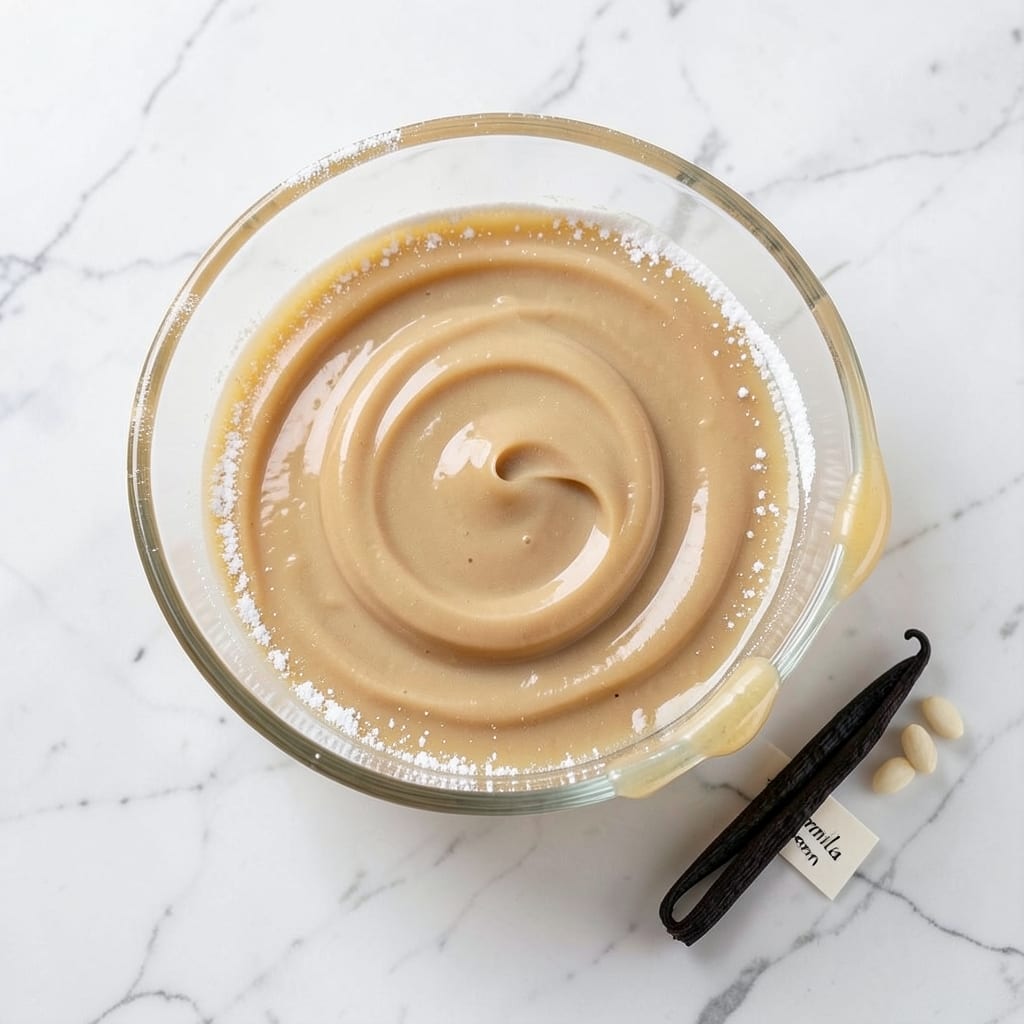
This amaretto cake glaze recipe transforms ordinary desserts into showstopping masterpieces with its velvety texture and nutty-amaretto aroma. The secret lies in balancing powdered sugar's sweetness with the rich depth of amaretto liqueur, creating a glaze that's both elegant and irresistibly moist. Professional bakers swear by this technique for its foolproof consistency and ability to elevate any cake or pastry in minutes.
The beauty of this glaze is its simplicity—just four core ingredients (powdered sugar, butter, vanilla extract, and amaretto) combine to create a silky, drizzable finish that enhances rather than overpowers. The butter adds richness, while the amaretto brings that signature almond-kissed flavor that pairs perfectly with vanilla cakes. What sets this apart is how it enhances moisture without making desserts soggy, a common pitfall with many fruit-based glazes.
What you'll achieve is a glossy, golden glaze that clings beautifully to layers, creating that coveted "just out of the bakery" shine. The amaretto infuses subtle nutty notes that complement vanilla cakes, while the smooth texture makes every bite feel indulgent. This glaze works equally well for sheet cakes, cupcakes, or even as a filling for filled pastries—its versatility makes it a must-have in any baker's arsenal.
Best of all, it comes together in under 10 minutes and keeps beautifully in the fridge for up to 5 days, ready to transform your desserts at a moment's notice. Let's create this showstopping glaze that will have everyone asking for your recipe.
Ingredients for amaretto cake glaze
Four ingredients, professional-level results—this glaze elevates any dessert instantly.
| Ingredient | Amount | Notes |
|---|---|---|
| Powdered Sugar 🍚 | 2 cups | Sifted for smooth texture |
| Unsalted Butter 🧈 | ½ cup | Cold, cubed for easier mixing |
| Amaretto Liqueur 🍸 | ¼ cup | High-quality, 25-30% ABV |
| Pure Vanilla Extract 🌿 | 1 tbsp | Bottled or seedless preferred |
| Pinch of Salt 🧂 | ⅛ tsp | Fine sea salt for balance |
The powdered sugar is non-negotiable—Domino brand or Dixie for the finest texture, but any sifted powder works. Cold butter is critical (cut it into small cubes before measuring) to prevent melting during mixing, which keeps the glaze stable. Amaretto quality matters: Disaronno or Giffard deliver that authentic almond depth, but avoid cheap liqueurs that taste artificial. For vanilla, bottled extract (like McCormick) ensures consistency without sediment, though seedless works too. The salt is subtle but essential—Diamond Crystal dissolves completely for a smooth finish.
No amaretto? Almond extract at half the amount mimics the flavor, though it lacks the liqueur's body. Butter shortage? Coconut oil works in a pinch (solid at room temp), but the glaze will have a slight coconut aftertaste. Substituting vanilla with vanilla bean paste adds flecks of real vanilla, but reduce to 1 tsp paste for equivalent flavor. For a sugar-free version, replace powdered sugar with 1 cup monk fruit sweetener (blended smooth), though texture may vary slightly. Always measure butter by displacement—pack it lightly into the cup for accuracy.
This glaze sets at room temperature but remains drizzable for 24 hours when refrigerated. For best results, store in an airtight container with parchment between layers to prevent sticking. It reheats beautifully—30 seconds in the microwave restores its silky consistency. Use within 5 days for optimal moisture retention, though the flavor holds for up to 2 weeks if sealed properly. For sheet cakes, double the batch—it disappears faster than you'd expect.
Why You'll Love This Recipe
- Here’s what sold me: that amaretto brings almond warmth while the vanilla deepens it into something almost like a boozy custard. The butter keeps it luscious, not cloying, and the salt? It’s the secret that makes every bite taste intentional.
- Five-Ingredient Magic: I swear by this glaze—just powdered sugar, butter, amaretto, vanilla, and a pinch of salt. That’s it. No fussing with eggs or extra bowls, just three ingredients whipped into a silky drizzle that transforms any cake into something ridiculously good.
- Nutty Vanilla Boom: Here’s what sold me: that amaretto brings almond warmth while the vanilla deepens it into something almost like a boozy custard. The butter keeps it luscious, not cloying, and the salt? It’s the secret that makes every bite taste intentional.
- Crowd-Pleaser Flex: Between us, this glaze works on pound cake, sheet cake, or even brownies. I’ve drizzled it over store-bought layers for birthday parties, and no one’s ever questioned why it’s their favorite. (Spoiler: They’ll ask for the recipe.)
Step-by-step instructions for amaretto cake glaze
Here's the professional method for creating a silky, nutty glaze that enhances moisture and adds luxurious flavor.
Sift the Powdered Sugar for Smooth Texture
Place the 2 cups powdered sugar in a fine-mesh sieve and sift directly into a medium mixing bowl. This essential step eliminates any lumps and creates a perfectly smooth base for your glaze. I tap the sieve gently with my fingers to ensure even distribution through the mesh. The result should be a cloud of fine powder with no visible granules.
If you notice any small clumps remaining after sifting, simply press them through the sieve with the back of a spoon. This attention to detail prevents graininess in your final glaze, which would otherwise create an unpleasant texture on your cake. Keep the bowl ready for the next ingredients—we'll work quickly to prevent the powdered sugar from absorbing moisture from the air.
Whisk in Cold Butter for Rich Emulsion
Cut the 0.5 cup unsalted butter into small cubes and let them sit at room temperature for 10-15 minutes while you prepare the other ingredients. This ensures they're soft enough to mix smoothly but still maintain their structure. Add the butter cubes to the sifted powdered sugar and whisk vigorously using a hand mixer on medium speed for 1-2 minutes.
You'll notice the mixture initially looks dry and crumbly, but as the butter incorporates, it will begin to form a thick paste. The butter should be fully emulsified with the powdered sugar—no visible butter pieces should remain. This step creates the fat base that gives the glaze its glossy finish and helps it adhere beautifully to the cake. If you see any butter still clinging together, let it sit for another 2 minutes before continuing.
Incorporate Amaretto and Vanilla for Complex Flavor
In a small measuring cup, combine the 0.25 cup amaretto liqueur and 1 tablespoon pure vanilla extract. Give it a quick stir to ensure the vanilla is fully dissolved. With the mixer running on low speed, gradually pour this liquid mixture into the butter-sugar paste, allowing it to stream in slowly. This controlled addition prevents the liquid from overwhelming the dry ingredients all at once.
Continue mixing on low speed for 2-3 minutes until the glaze reaches a smooth, pourable consistency. You're aiming for a thick syrup that coats the back of a spoon but still flows freely. The amaretto should be fully incorporated, adding its characteristic almond flavor and subtle sweetness. At this stage, the glaze will have a rich, golden hue from the amaretto and vanilla combination. If it appears too thick, we'll address that in the next step.
Add Salt and Adjust Consistency
Sprinkle the 0.125 teaspoon pinch of salt over the glaze and mix briefly on low speed for 10-15 seconds until fully dissolved. The salt enhances all the flavors in the glaze, creating a better balance between the sweetness and the nutty amaretto notes. Taste a small amount at this stage—you should detect the almond flavor from the amaretto and the vanilla's aromatic sweetness.
Now we'll adjust the consistency. If the glaze is too thick to pour smoothly, add 1 teaspoon water at a time, mixing well after each addition. For a thinner glaze suitable for drizzling, you might need up to 2 tablespoons water. Conversely, if it's too runny, add 1 tablespoon additional powdered sugar and mix until smooth. The ideal consistency should allow the glaze to drip slowly from a spoon but still coat the cake evenly when poured. This balance ensures both aesthetic appeal and proper moisture retention in your cake.
Apply Immediately for Maximum Moisture
Transfer the glaze to a small pitcher or squeeze bottle for easy application. Work quickly to glaze your cake within 15 minutes of mixing, as the glaze begins to set as it cools. For a professional finish, pour the glaze over the cake in a slow, steady stream, allowing it to cascade down the sides. Use a offset spatula to spread any excess glaze on the top surface, creating an even, glossy coating.
The glaze should create a beautiful sheen on the cake's surface while adding moisture that keeps the interior tender for several days. Allow the glaze to set for 30 minutes at room temperature before serving. This resting period lets the glaze firm up slightly while maintaining its silky texture. The result should be a cake with a mirror-like finish that reflects the rich, nutty flavors of the amaretto and vanilla combination.
Pro Tips For Making Amaretto Cake Glaze
- Melt Butter Slowly: Heat the butter in a saucepan over low heat—medium will scorch it faster than you can stir. I learned this the hard way after watching butter turn into a sad, brown sludge that ruined the glaze’s smoothness. Once melted, keep it off the heat while adding the powdered sugar to avoid graininess.
- Use Room-Temp Butter: Cold butter creates lumps in the glaze no amount of whisking will fix. Let it sit out for 30 minutes before melting, or even better, cut it into small cubes to speed up the process. Trust me, your glaze will be silky, not clumpy.
- Measure Amaretto Precisely: A splash isn’t enough—use a measuring spoon (1 tablespoon per 1.5 cups powdered sugar) to balance the alcohol’s bite. Too much, and the glaze tastes like a shot; too little, and the flavor fades into the background. Weigh it if you’re feeling fancy.
- Strain for Smoothness: Whisking the glaze won’t catch all the butter grit. Pour it through a fine-mesh sieve into a clean bowl—it’s a 30-second step that makes a real difference. I skip this sometimes, and the glaze always feels a little off afterward.
Essential equipment for great amaretto cake glaze
Mixing Essentials
Start with a stand mixer or hand mixer—I recommend the KitchenAid Artisan Series for its powerful torque that handles the butter-powdered sugar emulsion effortlessly. The flat beater attachment works best here, as it creates a smooth, even mixture without overmixing. For smaller batches, a hand mixer like the Bosch Universal Plus is perfect and takes up less counter space. 💡
Next, grab a fine-mesh sieve (like the OXO Good Grips) for sifting the powdered sugar—this eliminates lumps and creates a silky texture. If you don’t have one, a cheesecloth stretched over a bowl works in a pinch. For measuring liquids precisely, a small glass measuring cup (like Pyrex) with clear markings ensures accuracy, especially when combining the amaretto and vanilla. Avoid plastic cups—they can retain flavors from previous use.
Application Tools
A small pitcher or squeeze bottle (like OXO Good Grips) makes glaze application effortless—just pour or squeeze for an even coat. For professional results, use an offset spatula (I love the Mercer Culinary Genesis) to spread glaze on cake tops and smooth any drips. If you’re working with layered cakes, a long-handled spoon helps reach between layers without disturbing the structure.
For storage, invest in airtight containers—I prefer glass jars with silicone lids (like Le Parfait) to preserve freshness. If you’re prepping ahead, a stackable plastic container (such as Rubbermaid) saves fridge space. Always label your containers with the date and contents to track freshness.
Optional Upgrades
For a smoother finish, add a small silicone spatula (like OXO Good Grips) to scrape down the sides of your mixing bowl during preparation. This ensures every bit of glaze is incorporated. If you’re feeling fancy, a pastry brush (like West Bend) helps apply glaze in delicate layers for a restaurant-quality look. For those who love precision, a digital kitchen scale (such as OXO Good Grips) measures butter and sugar by weight for consistent results every time. 💫
Finally, a fine-mesh strainer (like OXO Good Grips) catches any accidental lumps before application—especially useful if you’re using homemade vanilla or almond extracts. And if you’re making this glaze often, a small saucepan (like All-Clad Stainless) lets you gently reheat thickened glaze over low heat to restore its pourable consistency.
Nutrition facts
Frequently asked questions
Can I make this glaze without amaretto?
Yes! For a similar nutty flavor, substitute 1 tablespoon almond extract for the 0.25 cup amaretto. Reduce the vanilla to ½ tablespoon to balance flavors. If you prefer a sweeter alternative, use 0.25 cup almond syrup (like Torani) instead of the liqueur. The texture will remain identical, just with a different flavor profile.
How do I fix a glaze that's too thick or too thin?
For a thick glaze, add 1 teaspoon water at a time while mixing until smooth. If it's too thin, stir in 1 tablespoon powdered sugar gradually. The ideal consistency should drip slowly from a spoon but still coat the cake evenly. If the glaze sets too quickly, reheat it in 10-second bursts in the microwave, stirring between each.
Can I use this glaze on non-cake desserts?
Drizzle it over cookies, donuts, or pastry shells for a quick upgrade. For cupcakes, pipe the glaze directly onto the frosting for a decorative finish. It also works beautifully as a filling for filled pastries like cream puffs or éclairs—just reduce the powdered sugar to 1.5 cups for a thinner consistency.
Why did my glaze turn grainy?
Graininess usually happens when powdered sugar clumps or butter melts too quickly. Always sift the powdered sugar first and use cold butter (cut into small cubes). If it happens during mixing, add 1 teaspoon milk or water and blend until smooth. For prevention, work quickly—this glaze should come together in under 10 minutes.
How long does the glaze keep before it sets?
The glaze remains workable for 15-20 minutes at room temperature. After that, it starts to thicken. For longer prep time, store it in an airtight container in the fridge. Reheat gently in 10-second microwave bursts, stirring between each, until smooth and pourable again.