
Desserts
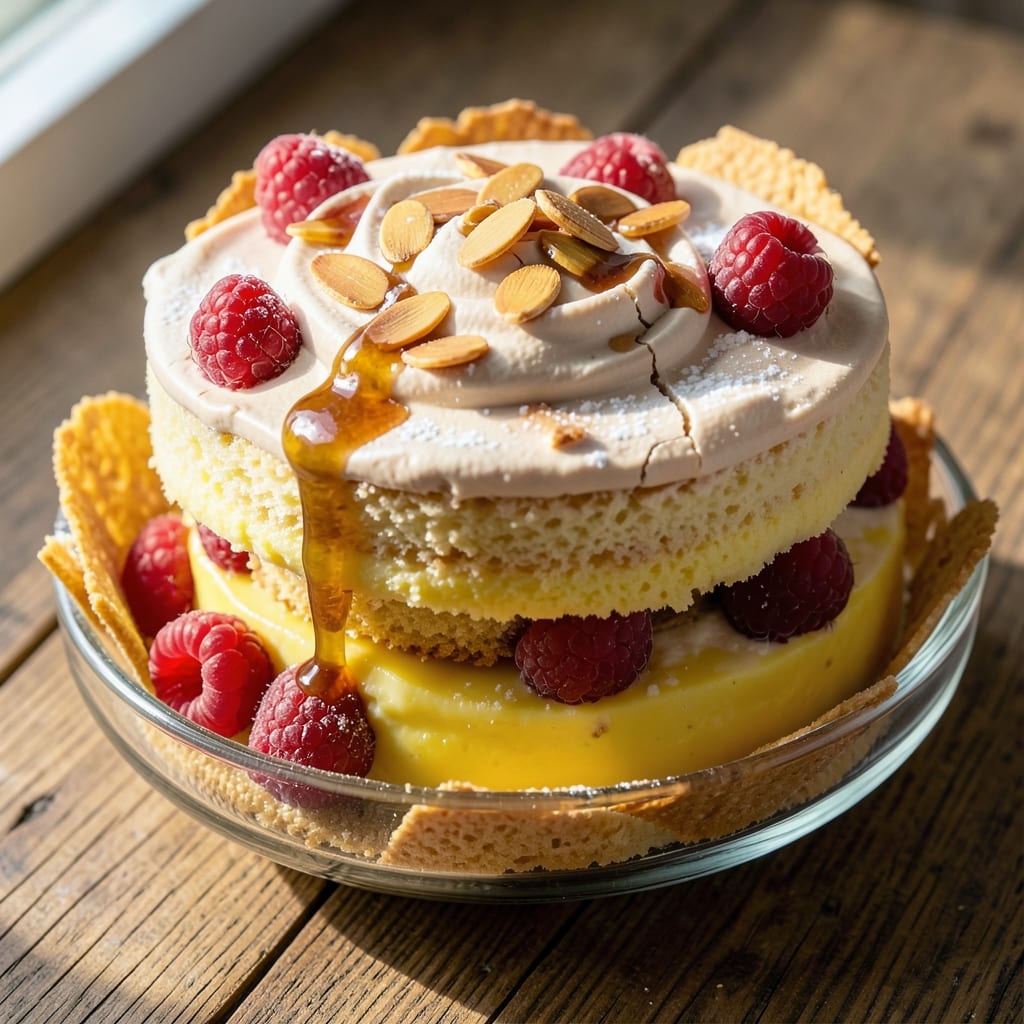
This amaretto sour cake recipe transforms classic vanilla layers into a sophisticated dessert with boozy depth and citrus brightness. The secret lies in infusing amaretto into the batter and topping it with a tangy lemon glaze—creating a perfect balance of sweet, bitter, and zesty flavors. I developed this recipe after years of experimenting with alcohol-infused desserts, and it never fails to impress. What makes this cake special is its foolproof technique: layering moist vanilla sponge cake with amaretto-infused cream filling, then sealing it with a glossy lemon glaze. The cake stays tender and rich, while the glaze adds a sharp contrast that cuts through the sweetness. Baking time is precise—just 35 minutes per layer—to ensure perfect doneness every time. By the time you slice into this cake, you’ll taste layers of velvety vanilla, nutty amaretto, and bright citrus in every bite. The aroma alone will have guests asking for the recipe, and the texture—moist yet sturdy—makes it ideal for celebrations or cozy nights in. The best part? It’s easier than it looks, with simple ingredients and a method that’s hard to mess up. Serve with a dusting of powdered sugar or fresh berries for extra flair. Let’s bake this showstopper!
Ingredients for amaretto sour cake
Simple pantry staples meet boozy sophistication in this showstopper cake.
| Ingredient | Amount | Notes |
|---|---|---|
| All-Purpose Flour 🌾 | 3 cups | Sifted for light texture |
| Granulated Sugar 🍚 | 2 ½ cups | Superfine preferred for smoothness |
| Unsalted Butter 🧈 | 2 cups | Room temperature, full-fat |
| Large Eggs 🥚 | 6 whole | Room temperature for even baking |
| Pure Vanilla Extract 🌿 | 2 tbsp | High-quality, not imitation |
| Amaretto Liqueur 🍷 | ½ cup | Good quality, 25% ABV |
| Baking Powder 🧂 | 2 tsp | Aluminum-free preferred |
| Salt 🧂 | ½ tsp | Fine sea salt |
| Lemon Zest 🍋 | 2 tbsp | Fresh, finely grated |
| Heavy Whipping Cream 🥛 | 3 cups | Cold, full-fat for stability |
| Powdered Sugar 🍚 | 1 ½ cups | For glaze and dusting |
| Fresh Lemon Juice 🍋 | ¼ cup | Strained for smooth glaze |
| Lemon Extract 🍋 | 1 tsp | For extra citrus punch |
| Blue Food Coloring 🎨 | ¼ tsp | Optional for classic look |
The amaretto makes this cake special—Disaronno is my go-to, but any good-quality amaretto works. Grab one from the liquor store's dessert section or order online if you're feeling fancy. For the butter, Plugrá or Land O'Lakes are reliable choices, but room temperature is key—press the butter with a fork to test. Fresh lemon zest is a must; the grocery store's pre-grated zest is fine, but freshly grated from organic lemons takes it to another level. If you can't find organic, just wash the lemons well. The vanilla extract should be pure—Nelson & James are solid brands. Trust me, the difference is noticeable!
No amaretto? Substitute with 1/4 cup almond extract plus 1/4 cup orange liqueur—it won't be identical, but it'll still taste amazing. Running low on powdered sugar? Blend granulated sugar in a food processor for a quick substitute. The heavy cream needs to be cold—pop it in the freezer for 15 minutes if it's been sitting out. For the glaze, if you don't have lemon extract, add an extra tablespoon of zest. And if you're feeling adventurous, swap the blue food coloring for a splash of blue curaçao for a boozy twist. The cake layers can be baked ahead and stored at room temperature for 2 days before assembling.
This cake is a crowd-pleaser, so make it ahead! The layers keep well in the fridge for 3 days or can be frozen for 1 month—just thaw overnight before serving. The glaze sets quickly, so have everything ready before pouring. For extra flair, dust with powdered sugar or add fresh berries right before serving. The cake tastes even better the next day as the flavors meld. Store leftovers covered at room temperature for 3 days or refrigerate for up to 5 days. Trust me, it'll disappear fast!
Why You'll Love This Recipe
- One-Bowl Wonder: I swear by this recipe when I’m too tired to measure three bowls. Just cream the butter and sugar, toss in the dry ingredients, and fold in the eggs—no fuss, no stress. The butter and eggs do all the heavy lifting while I’m still deciding whether to put on pajamas or keep cooking.
- Almond-Orange Magic: That amaretto-infused flavor? It’s like a hug in cake form. The almond notes from the amaretto play off the tangy lemon juice (even if you skip the booze, the extract delivers), and the vanilla ties it all together with warmth. Honestly, the first bite makes me question why I don’t bake this weekly.
- Birthday Party Ready: Slice it for a crowd, or serve it whole with a dusting of powdered sugar—it’s equally impressive. I’ve used it for date nights (because yes, even adults love dessert first), kids’ birthdays (they’ll lick the plate), and lazy Sundays when I want to feel fancy without the effort. The rich, buttery layers hold up to applause.
- Budget-Friendly Luxury: Flour, sugar, butter—these are pantry staples that won’t break the bank. The amaretto extract (or even a splash of amaretto liqueur if you’re feeling indulgent) adds that special touch without costing a fortune. Plus, it keeps for days, so I can bake once and enjoy it all week without guilt.
Step-by-step instructions for amaretto sour cake
Here's how to create layers of boozy vanilla cake with a tangy lemon twist—simple steps for a showstopper dessert.
Cream Butter and Sugar for Lightness
In a stand mixer fitted with the paddle attachment, beat the 2 cups unsalted butter and 2.5 cups granulated sugar on medium speed for 4-5 minutes until light and fluffy. You'll see the mixture nearly double in volume and become pale in color—this incorporates air for a tender crumb. Scrape down the sides of the bowl with a spatula to ensure even mixing.
Here's the thing—room temperature butter is crucial. If your butter has any cold spots, the mixture won't cream properly. You'll know it's ready when it leaves a slight indentation when pressed with your finger. This step sets the foundation for your cake's texture, so don't rush it.
Add Eggs and Flavorings
Add the 6 whole large eggs, one at a time, mixing on low speed after each addition until fully incorporated. Then stir in the 2 tbsp pure vanilla extract, 0.5 cup amaretto liqueur, and 2 tbsp lemon zest. The amaretto adds that signature almond flavor while keeping the cake moist, and the lemon zest gives that bright citrus kick we're after.
I like to mix this for about 1 minute after adding all the wet ingredients to ensure everything is fully combined. The batter should be smooth with no streaks of flour—this indicates we're ready for the dry ingredients. If you notice any lumps, give it another 10 seconds of mixing, but don't overmix or you'll develop gluten.
Combine Dry Ingredients Gently
In a separate bowl, whisk together the 3 cups all-purpose flour, 2 tsp baking powder, and 0.5 tsp salt. Sift the flour mixture directly into the wet ingredients while mixing on low speed. This prevents gluten development and creates a lighter texture. Mix just until combined—you should still see some flour streaks.
Here's where it gets fun—fold in the 1 tsp lemon extract by hand with a silicone spatula. The lemon extract adds an extra layer of citrus flavor without adding moisture. If you're using the 0.25 tsp blue food coloring, divide it between two batches for the classic layered look. The batter should be smooth and slightly thick, like a well-tempered cake batter.
Bake the Layers to Perfection
Preheat your oven to 350°F and grease two 9-inch round cake pans. Divide the batter evenly between the pans. Bake for 25-30 minutes or until a toothpick inserted into the center comes out clean. The edges should be golden brown, and the top should spring back when gently pressed.
Don't open the oven during the first 20 minutes—this helps maintain even baking. Real talk: your oven might run hot, so start checking at the 25-minute mark. If the tops brown too quickly, tent with foil. The cake should be moist but not gummy when done. Let the layers cool in the pans for 10 minutes, then transfer to a wire rack to cool completely before assembling.
Assemble with Cream Filling
While the cakes cool, whip the 3 cups heavy whipping cream with the 1.5 cups powdered sugar and 0.25 cup fresh lemon juice until stiff peaks form. This filling should be light and airy—almost like a cloud. Fold in the 1 tsp lemon extract for that extra citrus punch. If you're using the blue food coloring, divide it between two batches for the classic layered look.
Once the cakes are completely cool, level the tops if needed. Place one layer on a serving plate, spread half the filling, then top with the second layer. Spread the remaining filling over the top and sides. The filling should be visible between the layers—this is what makes the cake look professional. Chill in the refrigerator for at least 4 hours (overnight is best) to let the flavors meld.
Pro Tips For Making Amaretto Sour Cake
- Whisk Eggs Until Ribbon Stage: Don’t just give them a quick stir—beat those eggs until the mixture forms a slow ribbon when you lift the whisk. That’s how you get the right texture for this cake. I used to rush it, and the crumb ended up too dense. Take the extra 30 seconds; it’s worth it.
- Sift Flour Twice: The first sifting removes lumps, but the second one aerates the flour properly. This cake relies on a light, tender crumb, and skipping this step means you’ll end up with a heavier texture. Yes, it’s extra work, but it makes a real difference.
- Room-Temp Butter Only: Cold butter creates pockets of steam, but in this recipe, you want smooth, even mixing. Let that butter sit out for 30-45 minutes before creaming it with the sugar. I learned this the hard way—lumpy butter means a lumpy cake.
- Fold Dry Ingredients Gently: Once you add the flour mixture, don’t overmix. Just fold it in until just combined—about 10 strokes max. Overmixing develops gluten, and this cake needs to stay tender. I was skeptical until I tried it; the texture is noticeably better when you resist the urge to stir like you’re making pancakes.
Wine and beer pairings for this amaretto sour cake
Wine Pairings
This cake’s boozy almond notes and bright citrus demand a wine with similar complexity. A dry Riesling from Germany—like Dr. Loosen Blue Slate—complements the amaretto’s nuttiness while the acidity mirrors the lemon glaze. The slight sweetness in off-dry Rieslings also enhances the cake’s richness without overpowering it. 🍷
Beer Pairings
For beer lovers, a Belgian witbier like Hoegaarden or Stella Artois works beautifully. The coriander and citrus notes in these beers echo the lemon zest, while the effervescence cleanses your palate between bites. Avoid heavy IPAs—they’ll clash with the delicate flavors.
Spirit Pairings
Since the cake already features amaretto, serve it with a sherry like Pedro Ximénez for a decadent pairing. The caramelized sweetness of the sherry harmonizes with the cake’s vanilla and almond flavors. For a lighter option, a dry vermouth (like Noilly Prat) adds herbal depth without overpowering.
Non-Alcoholic Options
Don’t want alcohol? Sparkling apple cider from Martinelli’s adds effervescence and subtle sweetness. For a bolder choice, try a ginger beer—the spice cuts through the cake’s richness while complementing the citrus notes. Both options keep the celebration going without the booze. 🍏
Coffee Pairing
If you prefer coffee, a light roast espresso with a hint of vanilla syrup enhances the cake’s flavors. The bitterness of the coffee balances the sweetness, while the vanilla ties into the cake’s signature taste. Skip heavy syrups—they’ll overpower the delicate amaretto and lemon notes.
Nutrition facts
Frequently asked questions
Can I make this cake without alcohol?
Replace the 0.5 cup amaretto with 1/4 cup almond extract plus 1/4 cup orange liqueur substitute (like orange juice + 1 tsp orange extract). For a completely non-alcoholic version, use 1/4 cup almond extract plus 2 tbsp orange juice. The flavor will still be rich and nutty, just without the boozy depth.
Why does my cake turn out dense instead of light?
Overmixing the batter or underbaking are the most common culprits. Mix just until combined—stop when you see small flour streaks remaining. Also, ensure your oven is at 350°F and bake until a toothpick comes out clean (usually 25-30 minutes). Room temperature butter and eggs are key for a tender crumb.
How long can I make this cake ahead?
Baked layers can be stored at room temperature for 2 days or frozen for 1 month. Assemble the cake 4 hours before serving (or overnight) to let flavors meld. The glaze sets quickly, so prepare it fresh or store it separately in the fridge for up to 3 days. The cake actually tastes better the next day!
Can I use this recipe for cupcakes?
Yes! Reduce the batter by 1/3** and bake in a 350°F oven for 18-20 minutes in a muffin tin. Line with cupcake liners and fill 2/3 full. Top with a dollop of the cream filling and a dusting of powdered sugar. For extra flair, pipe a small swirl of the glaze on top. The small size makes them perfect for parties!
What's the best way to store leftovers?
Cover tightly with plastic wrap or store in an airtight container at room temperature for 3 days. For longer storage, refrigerate for up to 5 days. To refresh, let it sit at room temperature for 30 minutes before serving. The cake keeps its moisture well, but avoid freezing the assembled cake—it can make the filling watery.