
Desserts
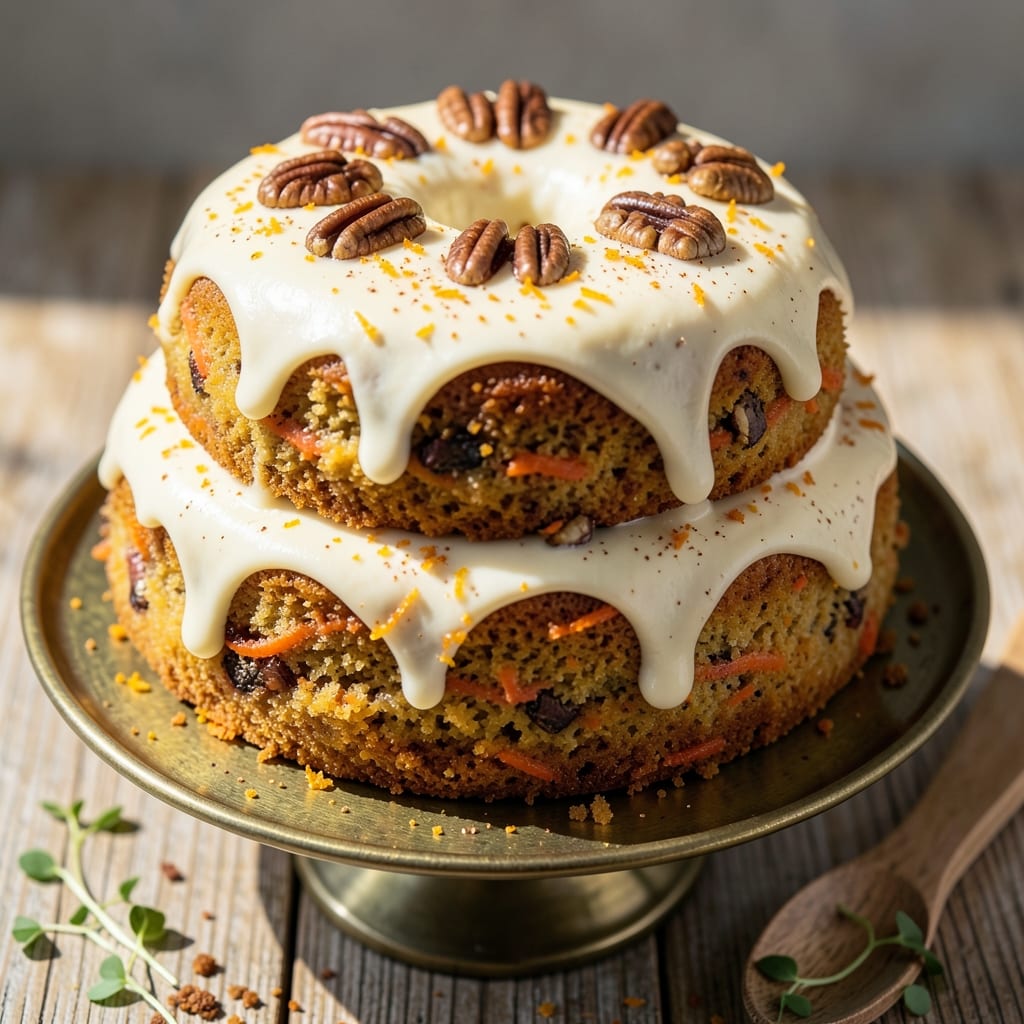
This American carrot cake recipe delivers the perfect balance of spiced walnut-studded moistness and velvety cream cheese frosting that's become a classic dessert staple. 💛 The secret lies in finely grated carrots and a precise mix of warm spices—cinnamon, nutmeg, and ginger—that infuse every bite with comforting flavor. Unlike dense carrot cakes, this version stays tender and perfectly spiced, making it a crowd-pleaser for holidays or everyday treats.
The recipe builds on traditional techniques while allowing flexibility for modern adaptations. You'll start with a simple two-layer cake that bakes up with a golden top and moist interior, thanks to a combination of all-purpose flour and a touch of baking soda. The walnuts add satisfying crunch, while the cream cheese frosting—sweetened just enough to complement the cake's natural carrot flavor—ties everything together beautifully.
What sets this recipe apart is its adaptability without sacrificing authenticity. Whether you're baking for a family gathering or simply craving a slice of nostalgia, the moist texture and perfect spice balance make it a standout. The frosting's tangy sweetness cuts through the cake's richness, creating a dessert that's both comforting and refined.
Ready in about 1 hour and 30 minutes (including cooling and frosting), this carrot cake is perfect for special occasions or spontaneous dessert cravings. The recipe includes tips for gluten-free and vegan substitutions, ensuring everyone at the table can enjoy a slice. Let's get baking!
Ingredients for american carrot cake
This classic American carrot cake brings together warm spices, tender walnuts, and velvety cream cheese frosting for a nostalgic yet refined dessert.
| Ingredient | Amount | Notes |
|---|---|---|
| All-Purpose Flour 🌾 | 2 ½ cups | Sifted for light texture |
| Granulated Sugar 🍚 | 2 cups | White or light brown |
| Walnuts 🥜 | 1 ½ cups | Chopped, toasted lightly |
| Large Eggs 🥚 | 4 whole | Room temperature preferred |
| Vegetable Oil 🫒 | 1 cup | Light or canola oil |
| Finely Grated Carrots 🥕 | 3 cups | Packed, no moisture |
| Baking Soda 🧂 | 1 tsp | Pure baking soda |
| Ground Cinnamon 🌿 | 2 tsp | Freshly ground preferred |
| Ground Nutmeg 🌿 | ½ tsp | Freshly grated nutmeg |
| Ground Ginger 🌶️ | 1 tsp | Freshly ground preferred |
| Salt 🧂 | ½ tsp | Diamond Crystal preferred |
| Vanilla Extract 💧 | 2 tsp | Pure vanilla extract |
| Cream Cheese 🧀 | 16 oz | Full-fat, room temperature |
| Powdered Sugar 🍚 | 4 cups | Sifted for smooth frosting |
| Heavy Cream 🥛 | ½ cup | Cold for stiff peaks |
The walnuts are your secret weapon here—toast them lightly in a dry pan first for maximum flavor. Trader Joe's and Costco carry pre-chopped walnuts, but if you're chopping your own, go for small, even pieces. Carrots should be finely grated (the box grater works best), with no moisture left behind—squeeze them in a clean towel if needed. For the spices, Penzeys or bulk bins at natural grocers offer the freshest ground cinnamon and nutmeg, but don't stress if you've got the basics at home. The cream cheese? Philadelphia brand is my go-to—it's reliable and creamy, but any full-fat brand will work.
No vanilla extract? Vanilla bean paste or vanilla sugar works in a pinch, but pure extract is ideal. Running low on powdered sugar? Granulated sugar processed in a food processor gives you the same fine texture. The frosting can be made ahead—up to 3 days in advance—so you're not stressing on baking day. For a tangier frosting, add 1 tsp lemon juice to the cream cheese mixture. And if you're gluten-free, swap the all-purpose flour for a 1:1 gluten-free baking flour blend—just be sure it includes xanthan gum for structure.
Walnuts keep for 6 months in the freezer, so toast a big batch and store them in an airtight container. The grated carrots can sit in the fridge for 3 days, but add them to the batter just before baking to keep the cake moist. The frosting? 2 days in the fridge, covered with plastic wrap pressed directly on the surface. If the frosting gets too soft, chill it for 10 minutes before spreading. And for extra flair, sprinkle the top with additional chopped walnuts or a dusting of powdered sugar before serving.
Why You'll Love This Recipe
- No Mixer Needed: I swear by this recipe when I’m in a rush—just whisk eggs, fold in flour, and stir. The walnuts add texture without extra effort, and the oil keeps it moist without greasy mess.
- Sweet-Spiced Magic: That carrot-sugar combo? It’s like autumn in a box. The walnuts give it a nutty crunch, and the eggs make it tender enough to cut with a butter knife.
- Party or Snack: Bring it to a potluck, slice it for a school bake sale, or keep a pan in the fridge for lazy afternoons. The walnuts make it feel fancy, even when it’s just me and a mug of tea.
- Budget Baking: Flour, sugar, eggs—these are pantry staples that won’t break the bank. A single batch feeds six, and leftovers stay fresh for days (if they last that long).
Step-by-step instructions for walnut-studded carrot cake
Here's how to bake the perfect carrot cake—moist, flavorful, and topped with creamy frosting.
👨🍳 Step 1: Prepare the Walnut-Carrot Mixture
In a large mixing bowl, combine the 3 cups finely grated carrots with the 1.5 cups chopped walnuts. I like to press the carrots through a box grater to remove excess moisture—this keeps the cake dense and moist, not soggy. Add the 2 tsp vanilla extract and mix gently. Set this mixture aside while you prepare the wet ingredients.
Real talk: if your carrots have too much moisture, wrap them in a clean kitchen towel and squeeze gently before grating. This step makes all the difference for that perfect texture. The walnuts add a delightful crunch that balances the cake's softness.
🍳 Step 2: Cream Wet Ingredients for Light Texture
In a separate large bowl, whisk together the 4 whole large eggs and 2 cups granulated sugar until the mixture is pale and slightly thickened—about 3-4 minutes with an electric mixer. This step incorporates air, which helps create that tender, moist crumb we're after.
Next, add the 1 cup vegetable oil and mix on low speed until fully combined. The oil keeps the cake wonderfully moist without making it greasy. Here's the thing—don't rush this creaming process. You'll know it's ready when the mixture nearly doubles in volume and leaves a ribbon trail when you lift the whisk.
👨🍳 Step 3: Combine Dry Ingredients and Fold Gently
In a medium bowl, sift together the 2.5 cups all-purpose flour, 1 tsp baking soda, 2 tsp ground cinnamon, 0.5 tsp ground nutmeg, 1 tsp ground ginger, and 0.5 tsp salt. The sifting ensures even distribution and prevents lumps in your final cake.
With the mixer on low speed, gradually add the dry ingredients to the wet mixture. Mix just until combined—about 30 seconds—then gently fold in the walnut-carrot mixture using a spatula. Be careful not to overmix; this can develop gluten and make the cake tough. The batter should be thick but pourable.
🔥 Step 4: Bake Until Golden and Springy
Preheat your oven to 350°F and grease two 9-inch round cake pans or line them with parchment paper. Divide the batter evenly between the pans and smooth the tops. Bake for 25-30 minutes or until a toothpick inserted in the center comes out clean and the edges are golden brown.
I press down gently on the cake during the first 10 minutes of baking—this prevents it from doming too much and ensures even cooking. The cake should spring back slightly when touched at the center. If the tops brown too quickly, tent loosely with foil for the last 10 minutes to prevent over-browning.
🥘 Step 5: Make Cream Cheese Frosting
While the cakes cool, beat the 16 oz cream cheese with an electric mixer until smooth and creamy. Gradually add the 4 cups powdered sugar and mix until fully incorporated. Add the 0.5 cup cold heavy cream and beat until stiff peaks form—about 2-3 minutes.
Here's where it gets fun—taste the frosting and adjust the sweetness if needed. I usually add 1-2 teaspoons more powdered sugar for the perfect balance. Spread the frosting between the cooled cake layers and on the top and sides. For extra flair, sprinkle with additional chopped walnuts or a dusting of powdered sugar.
⏰ Step 6: Chill and Serve
Refrigerate the frosted cake for at least 1 hour before serving. This allows the frosting to set properly and the flavors to meld together. The cake will be moist and tender, with a perfect balance of sweetness from the carrots and spices, crunch from the walnuts, and creamy frosting.
Slice into wedges and serve with a cup of coffee or tea. The contrast of warm cake with cool frosting is pure perfection. Store leftovers in the refrigerator for up to 5 days or freeze for up to 3 months. Enjoy every moist, walnut-studded bite!
Pro Tips For Making American Carrot Cake
- Bake at 325°F—Not Hotter: I learned this the hard way—cranking the oven to 350°F dries out the cake before the center sets. American carrot cake needs time to steam gently, so stick to 325°F and check for doneness with a toothpick at 45 minutes (it should come out with moist crumbs, not wet batter).
- Toast the walnuts first: Skipping this step means bland, soggy nuts. Toss the walnuts in a dry pan over medium heat for 3-4 minutes until golden and fragrant, then cool before folding into the batter. The extra effort makes a real difference in texture and flavor.
- Don’t overmix the batter: I used to beat this like I was trying to win a baking contest, but that just develops the gluten and turns your cake dense. Mix the wet and dry ingredients just until combined—lumps are fine, and you’ll thank yourself later when the crumb stays tender.
- Use room-temperature eggs: Cold eggs incorporate air poorly, leading to a cake that collapses or has uneven texture. Take the eggs out of the fridge 30 minutes before mixing, or even better, let them sit in warm water for 5 minutes. This small step guarantees a lighter, more stable cake.
Storing and reheating your leftovers
Refrigerator Storage
Store your carrot cake in an airtight container with plastic wrap pressed directly onto the frosting to prevent drying. Keep it refrigerated for up to 5 days—the flavors actually deepen as the spices meld over time. I like to slice it into individual portions first so it's ready to grab and enjoy. The cake stays moist, while the frosting maintains its perfect consistency. 💛
Freezer Prep Tips
For longer storage, wrap the entire cake tightly in plastic wrap, then place it in a freezer bag with all air squeezed out. Label with the date and freeze for up to 3 months. When ready to serve, thaw overnight in the fridge. The texture remains tender, though the frosting may soften slightly—just let it sit at room temperature for 10 minutes before serving.
Reheating Slices
If you've stored individual slices, microwave them for 10-15 seconds on 50% power to gently warm through. For a more even heat, place slices on a microwave-safe plate and cover with a damp paper towel. The frosting stays creamy while the cake warms just enough to enjoy without drying out. This method preserves that perfect carrot cake texture you love.
Reviving Stale Cake
If your cake loses moisture over time, try this trick: Brush warm slices with 1 tablespoon warm water or orange juice and microwave for 5-8 seconds. The liquid rehydrates the cake without making it soggy. For extra flavor, add ½ teaspoon cinnamon to the liquid before brushing. This works especially well for slices that have been frozen and thawed.
Frosting Refresh
If your frosting becomes too soft after refrigeration, chill it for 10 minutes before spreading. For extra stability, add 1 tablespoon powdered sugar and beat again until fluffy. The key is to work quickly—frosting softens fast once removed from the fridge. If it's too hard, let it sit at room temperature for 5 minutes before spreading to avoid cracking the cake layers.
Nutrition facts
Frequently asked questions
Why does this carrot cake recipe use oil instead of butter?
Oil keeps the cake wonderfully moist without making it greasy, which is especially important for carrot cake's tender texture. The 1 cup vegetable oil creates a fine crumb while preventing dryness. For a richer flavor, you could substitute ½ cup melted butter plus ½ cup oil, but the oil version stays lighter and more consistent.
Can I make this recipe gluten-free?
Replace the 2.5 cups all-purpose flour with a 1:1 gluten-free baking flour blend that includes xanthan gum for structure. Use the same measurements, but be sure to sift the gluten-free flour well to avoid lumps. The cake will still be moist, though the texture may be slightly denser.
How do I prevent my carrot cake from being too dense?
Overmixing is the #1 culprit! Mix the wet and dry ingredients just until combined—about 30 seconds—then gently fold in the walnut-carrot mixture. Also, press down on the cake pans during the first 10 minutes of baking to prevent doming. Avoid overbaking (check with a toothpick at 25 minutes), and never skip the cooling step.
Can I substitute pine nuts for walnuts?
Pine nuts work, but they're more delicate and expensive! Use 1 cup pine nuts instead of 1.5 cups walnuts—they'll add a milder, buttery flavor. Toast them for 3-4 minutes (they burn quickly!) and chop finely. For best results, keep the walnuts—their robust flavor and crunch are iconic in American carrot cake.
What's the secret to perfectly creamy frosting?
Use room-temperature cream cheese and cold heavy cream for stiff peaks. Beat the cream cheese until completely smooth (no lumps!) before adding powdered sugar. For extra stability, chill the frosting for 15 minutes before spreading. Pro tip: Add 1 tsp lemon juice to brighten the flavor and improve texture.