
Desserts
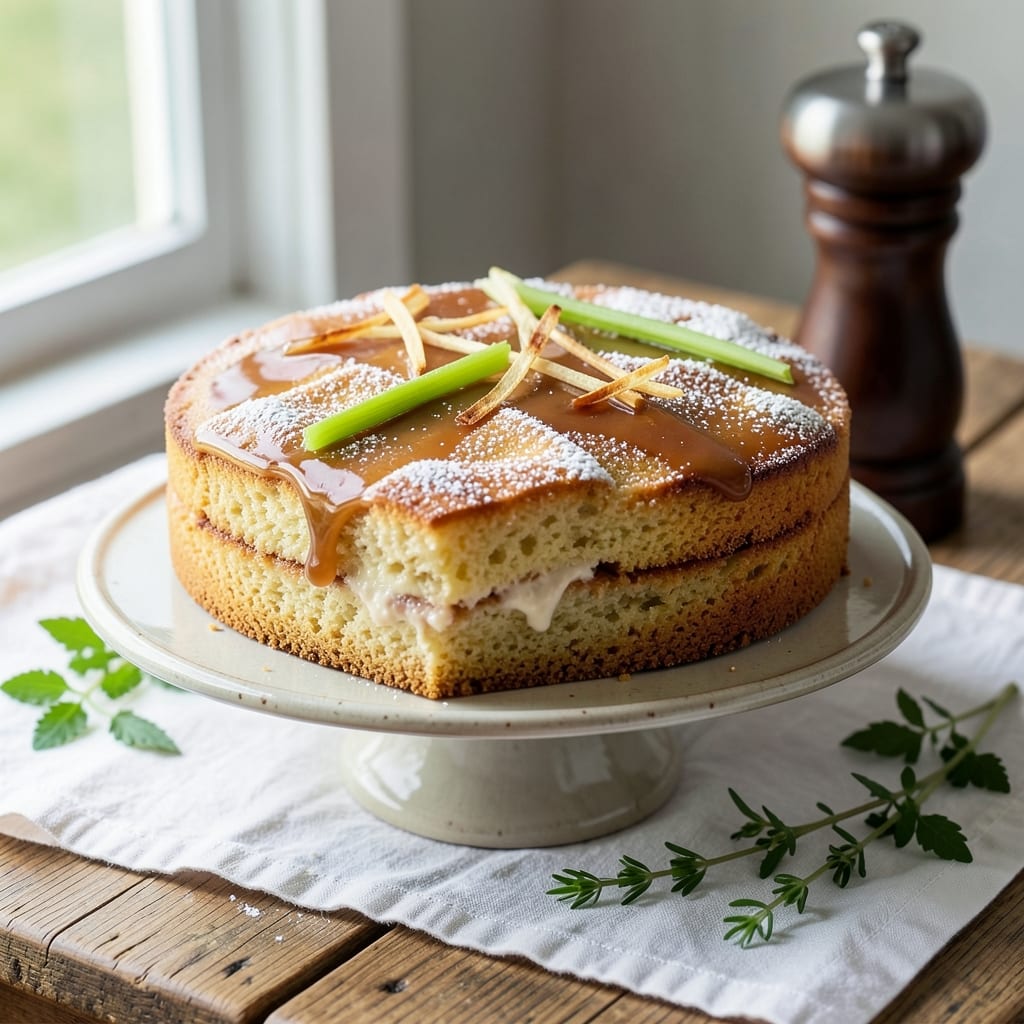
This American tea cake recipe brings a nostalgic touch to your tea time with its tender crumb and warm spice notes. 💛 Unlike traditional tea cakes, this version features a subtle celery crust and yogurt base that creates a delicate balance of sweetness and earthiness. The secret lies in the slow-baked layers that develop a perfect golden crust while keeping the interior moist and flavorful.
What sets this recipe apart is the combination of traditional American baking techniques with unexpected ingredients like celery and yogurt, which add depth without overpowering the classic tea cake profile. The spiced crust gives way to a soft, slightly dense interior that's perfect for slicing into delicate servings. This isn't your grandmother's tea cake—it's a modern twist that still feels comforting and familiar.
By the time it emerges from the oven, you'll have a tea cake with a crisp crust that gives way to tender layers infused with warm cinnamon and nutmeg. The yogurt base adds a subtle tang that cuts through the sweetness, while the celery contributes a surprising freshness. This is the kind of dessert that pairs beautifully with afternoon tea or as a light treat after dinner.
For those who prefer variations, you can easily adapt this recipe into a gingerbread-style tea cake by adding molasses and extra spices, or create a snickerdoodle version with a cinnamon-sugar coating. The beauty of this recipe lies in its versatility—whether you stick to the classic or experiment with flavors, the foundation remains simple yet impressive.
Ingredients for american tea cake
Twelve simple ingredients blend celery's freshness with warm spices for a nostalgic tea cake twist.
| Ingredient | Amount | Notes |
|---|---|---|
| All-Purpose Flour 🌾 | 3 cups | Sifted for light texture |
| Granulated Sugar 🍚 | 1 ½ cups | White or light brown |
| Unsalted Butter 🧈 | 1 cup | Cold, cubed for crust |
| Plain Yogurt 🥛 | 1 cup | Full-fat for creaminess |
| Celery Stalks 🥬 | 1 cup | Finely chopped, fresh |
| Large Eggs 🥚 | 2 whole | Room temperature |
| Ground Cinnamon 🌿 | 2 tsp | Freshly ground preferred |
| Ground Nutmeg 🌿 | ½ tsp | Freshly grated |
| Baking Powder 🧂 | 1 tsp | Aluminum-free preferred |
| Salt 🧂 | ½ tsp | Fine sea salt |
| Vanilla Extract 💧 | 1 tbsp | Pure alcohol-free preferred |
| Milk 🥛 | ½ cup | Whole milk for richness |
The celery is key—fresh, crisp stalks make all the difference (no salted celery!). Grab the thickest parts from the middle of the bunch for maximum flavor. Trader Joe's and Whole Foods carry the best quality, but any grocery store's produce section works. For the yogurt, full-fat Greek yogurt gives the best texture, though regular plain yogurt works in a pinch. The butter should be cold—cut it into small cubes and let it sit out for 10 minutes before mixing to avoid melting in the dough. Nutmeg loses potency fast, so buy it whole and grate fresh if possible.
No celery? Fennel bulb or extra celery leaves work in a bind, but the flavor won't be identical. Substituting yogurt? Sour cream at half the amount mimics the tang, though texture will differ slightly. Running low on vanilla? Almond extract at half the amount adds depth. The milk can be swapped for heavy cream if you prefer extra richness. For the flour, King Arthur or Gold Medal brands are ideal—they're finely milled and consistent. If your baking powder is old (over 6 months), test it first by mixing with vinegar—it should bubble vigorously.
Store the dough in an airtight container for up to 2 days in the fridge, covered with plastic wrap. The baked tea cake keeps well at room temperature for 3 days or in the fridge for 1 week. For longer storage, slice and freeze individual portions on parchment paper—they reheat beautifully in a 300°F oven for 10-15 minutes. The celery crust adds freshness, so if you're making variations like gingerbread, reduce the celery to 0.5 cup to balance the molasses sweetness.
Why You'll Love This Recipe
- Sweet-Savory Magic: That celery? It’s not just a veggie—it’s the secret. Lightly sautéed until fragrant, it adds a fresh, herbal note that balances the sugar and butter. (Yes, even my kids ask for seconds.)
- Breakfast or Snack: Slice it warm for brunch with a drizzle of honey, or pack it cold for school lunches. The yogurt keeps it moist for days, and the sugar crust? Perfect for dipping in coffee.
- Budget Baking Win: Flour, sugar, butter—these are staples, not splurges. A single batch feeds six, and leftovers reheat beautifully. I’ve made this for potlucks, picnics, and lazy Sundays. It’s my go-to.
Step-by-step instructions for spiced yogurt and celery tea cakes
Here's how to create tender, aromatic tea cakes with a unique celery-infused crust.
👨🍳 Step 1: Prepare the Celery Crust Mixture
In a food processor, pulse the 1 cup finely chopped celery stalks until it reaches a coarse paste consistency—think chunky but not liquid. This texture creates the signature celery flavor without turning the crust mushy. Transfer the celery mixture to a medium bowl.
Add the 1 cup cold cubed unsalted butter and use a pastry cutter or your fingers to work it into the celery until it forms a coarse crumb texture. This is your crust base—don't overwork it or you'll develop gluten. The butter should be evenly distributed but still visible in chunks.
👨🍳 Step 2: Combine Dry Ingredients and Yogurt Base
In a separate large bowl, whisk together the 3 cups sifted all-purpose flour, 1.5 cups granulated sugar, 2 tsp ground cinnamon, 0.5 tsp ground nutmeg, 1 tsp baking powder, and 0.5 tsp salt. Mix just until combined—there should still be visible streaks of flour. This ensures light texture rather than dense cake.
In another bowl, whisk the 1 cup plain yogurt, 2 whole room-temperature eggs, 1 tbsp vanilla extract, and 0.5 cup milk until smooth. The yogurt adds moisture and tenderness while the eggs provide structure. Let this mixture sit for 5 minutes to thicken slightly before combining.
🥘 Step 3: Mix and Chill the Dough
Gradually add the dry ingredients to the yogurt mixture, mixing just until combined. Be careful not to overmix—stop as soon as the flour disappears. The dough will be thick but workable. Fold in the celery-butter mixture using a spatula, mixing until evenly distributed throughout the batter.
Transfer the dough to a lightly greased 9x13-inch baking pan and smooth the top with a spatula. Cover with plastic wrap and refrigerate for at least 2 hours (or up to 24 hours). Chilling prevents excessive spreading and allows flavors to meld. The dough should be firm but still pliable when you press it gently.
🔥 Step 4: Bake to Golden Perfection
Preheat your oven to 350°F. Remove the chilled dough from the refrigerator and bake for 45-50 minutes until the edges are golden brown and a toothpick inserted in the center comes out clean. The top should be slightly cracked but not burnt—this indicates proper baking.
For even baking, rotate the pan halfway through the baking time. When done, let the tea cakes cool in the pan for 10 minutes before transferring to a wire rack. The celery flavor will be subtle but distinctive, with warm cinnamon and nutmeg notes dominating the spice profile.
Pro Tips For Making American Tea Cake
- CHOP CELERY SMALLER THAN YOU THINK: I learned this the hard way—big chunks make the cake taste like you threw in a handful of twigs. Aim for ¼-inch dice or finer; it blends better and keeps the texture light. (Yes, even if it looks like you’re making salsa instead of cake.)
- LET THE DOUGH REST—NO, SERIOUSLY: Skip the rush and let the batter sit covered at room temp for 30 minutes before baking. The yogurt and butter will relax, and the celery will release more moisture, giving you a crumb that’s tender, not dense. (Your future self will notice the difference.)
- WEIGH YOUR FLOUR OR REGRET IT: Scooping from the bag packs in air, which means your cake will rise unevenly. Use a kitchen scale for precision—1 cup of flour isn’t always 120 grams. Trust me, the structure of this cake depends on it.
- BUTTER AT ROOM TEMP, NOT LUKEWARM: Softened butter should give slightly when pressed, not leave greasy prints. Cold butter makes the cake tough; melted butter makes it greasy. Room temp is the Goldilocks zone—just firm enough to cream properly with the sugar. (I know, I know, but trust the process.)
Essential equipment for perfect results
Must-Have Mixing Tools
Start with a food processor for creating the celery crust—this ensures even texture without over-processing. I use my Ninja BN601 for its quiet operation and consistent results. For the dough, a large mixing bowl (at least 8-quart capacity) prevents spills when combining wet and dry ingredients. A spatula with a flexible edge helps scrape every last bit of dough from the bowl. 🥄
Baking Essentials
Your oven needs to hit 350°F precisely, so a digital thermometer like the Thermoworks Oven Thermometer is worth the investment. A 9x13-inch baking pan (I prefer Wilton's nonstick version) prevents sticking and ensures even baking. For testing doneness, keep a long toothpick nearby—it should come out clean after 45-50 minutes.
Celery Prep Gear
Fresh celery is key, so grab a sharp chef's knife (my Wüsthof Classic never dulls) and a cutting board with a moisture groove to catch juices. A fine-mesh strainer helps remove excess liquid if your celery releases too much moisture during processing. For extra flavor, I like to add 1 tsp lemon zest to the celery paste—it brightens the crust beautifully. 🥬
Chilling & Storage
An airtight container (like Rubbermaid Brilliance) keeps dough fresh for up to 24 hours in the fridge. For storage, parchment-lined containers prevent sticking when reheating slices. A wire cooling rack is essential for even cooling—never skip this step or your tea cakes may develop a soggy bottom. For freezing, quart-sized freezer bags work best with 1-inch headspace for expansion. ❄️
Optional Upgrades
Want to take it further? A stand mixer with a paddle attachment makes mixing large batches effortless. For presentation, miniature cake stands elevate slices beautifully. If you love texture, a sprinkle of flaky sea salt (like Maldon) on top adds a sophisticated finish. The celery flavor shines most when paired with a light dusting of powdered sugar right after baking. ✨
Nutrition facts
Frequently asked questions
Why does this tea cake recipe include celery?
The celery adds a subtle freshness that balances the warm spices and rich yogurt base. It creates a unique texture in the crust while contributing a mild, earthy flavor that pairs beautifully with the cinnamon and nutmeg. This twist keeps the traditional tea cake experience exciting without overpowering the classic taste.
Can I make this tea cake gluten-free?
Yes, but with adjustments! Replace the all-purpose flour with a 1:1 gluten-free baking flour blend (like Bob's Red Mill) and add 1/4 cup extra yogurt to maintain moisture. The texture will be slightly denser, but the flavor remains rich. Test with a small batch first to adjust consistency.
How do I store leftovers to keep them fresh?
Wrap cooled slices in plastic wrap and store at room temperature for 3 days or refrigerate for 1 week. For longer storage, freeze individual portions on parchment paper. Reheat slices in a 300°F oven for 10-15 minutes until warmed through. The celery flavor intensifies slightly when reheated!
What's the best way to serve these tea cakes?
Slice into 1-inch thick pieces and serve warm with a cup of Earl Grey or chamomile tea. For extra elegance, dust with powdered sugar or drizzle with honey. Pair with whipped cream or a dollop of clotted cream for a British-inspired touch. The yogurt base makes them perfect for breakfast too!
Why did my tea cake turn out dense instead of tender?
Overmixing the dough or skipping the chilling step are common culprits. Mix just until combined and refrigerate for at least 2 hours. Also ensure your baking powder is fresh (test with vinegar) and don't overbake—remove when edges are golden but center still looks slightly underdone.