
Desserts
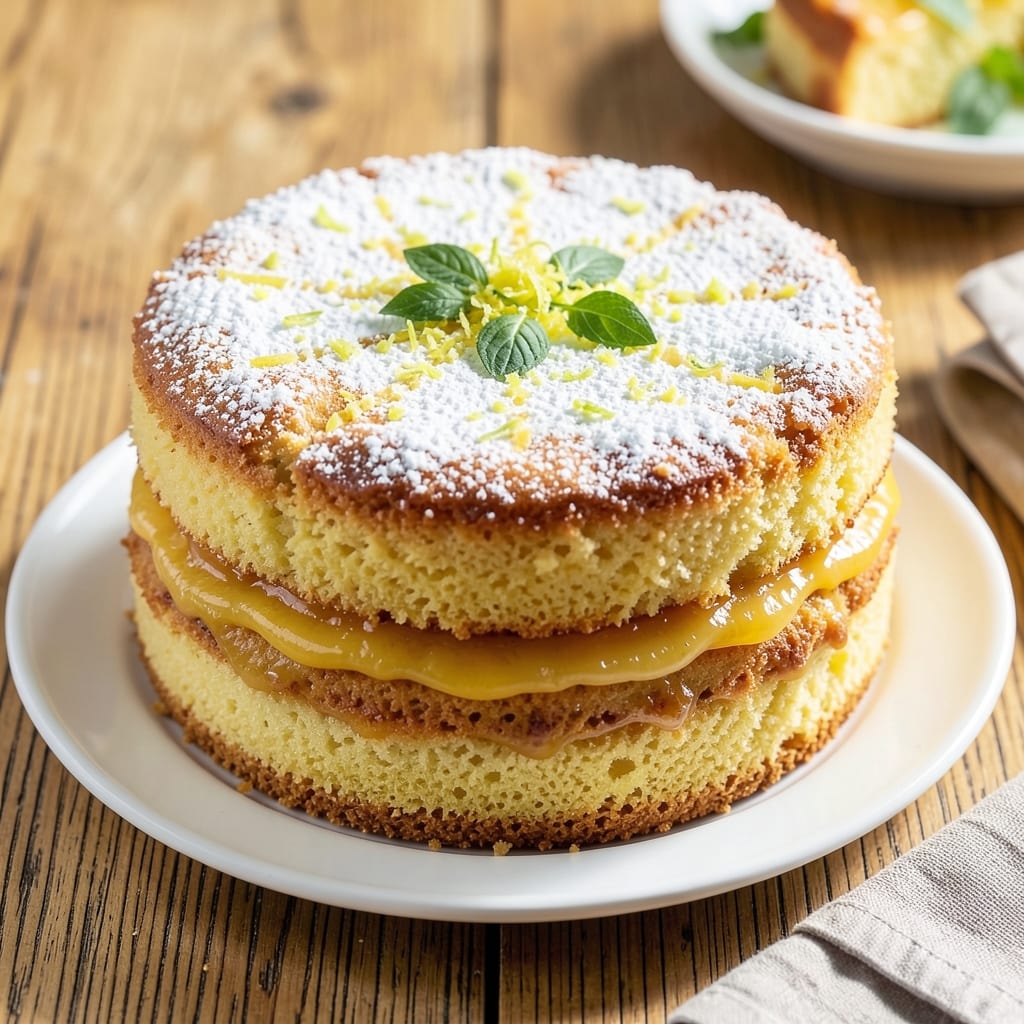
The America's Test Kitchen lemon cake recipe delivers the perfect balance of bright citrus and tender layers—every slice is a revelation of zesty flavor and buttery richness. 💛 This isn’t just another lemon cake; it’s a meticulously tested recipe that avoids the pitfalls of dry crumbs or overly dense layers, ensuring a light, moist sponge with a signature buttery crust that seals in freshness. The secret lies in precise ingredient ratios and baking techniques that guarantee consistent results, whether you're a seasoned baker or just starting out.
What sets this recipe apart is the layered approach—each component, from the lemon-infused batter to the tangy curd filling and velvety buttercream, is crafted with precision. The cake itself bakes up golden and tender, with a fine crumb that practically melts in your mouth. Meanwhile, the buttercream frosting is rich yet light, perfectly complementing the bright citrus notes without overpowering them. Every step is designed to minimize guesswork, so you can focus on enjoying the process.
Assembling the cake is where the magic happens. The layers are stacked with a thin layer of lemon curd between each, creating pockets of zesty flavor that burst with every bite. The buttery crust adds an extra layer of indulgence, sealing in the moisture and adding a satisfying crunch. This cake isn’t just a dessert—it’s a showstopper, ideal for celebrations or a special treat when you want to impress without the fuss of elaborate baking.
With make-ahead instructions and foolproof techniques, this recipe ensures you’ll have a stunning, restaurant-quality lemon cake without the stress. Whether you’re baking for a gathering or simply craving a slice of citrusy perfection, this is the recipe that delivers every time. Let’s get started on creating something truly special.
Ingredients for america's test kitchen lemon cake
Twelve ingredients, three layers of lemon perfection—this is the secret to America's Test Kitchen's legendary cake.
| Ingredient | Amount | Notes |
|---|---|---|
| All-Purpose Flour 🌾 | 3 cups | Sifted for light texture |
| Granulated Sugar 🍚 | 2 cups | Superfine preferred for smoothness |
| Unsalted Butter 🧈 | 1 ½ cups | Cold, cubed for even mixing |
| Fresh Lemon Juice 🍋 | 1 cup | From 4-5 lemons, freshly squeezed |
| Large Eggs 🥚 | 4 whole | Room temperature for even baking |
| Baking Powder 🍞 | 2 tsp | Diamond Crystal preferred |
| Salt 🧂 | ½ tsp | Fine sea salt preferred |
| Lemon Zest 🍋 | 2 tbsp | From 2 organic lemons |
| Heavy Cream 🥛 | 1 cup | Cold for buttercream |
| Powdered Sugar 🍚 | 4 cups | Sifted for smooth frosting |
| Lemon Curd Ingredient 🍋 | 1 ½ cups | Homemade or quality store-bought |
| Vanilla Extract 🌿 | 1 tsp | Pure Madagascar preferred |
| Shortening 🧈 | ½ cup | For buttery crust |
| Ground Almonds 🌰 | ½ cup | For crust texture |
| Pareve Chocolate Chips 🍫 | ½ cup | Optional for crust enrichment |
The flour and sugar are your foundation, so King Arthur flour and superfine sugar are worth the splurge—trust me, the texture difference is night and day. Butter? Plugrá or Land O'Lakes unsalted (the kind with the purple wrapper) melts beautifully. For the lemons, skip the bottled juice—organic Meyer lemons from Whole Foods give that perfect balance of sweet and tart. If you can't find them, regular lemons work, but you'll need about 5-6 for the juice. The zest? Always organic—conventional lemons are often waxed, and that bitter taste ruins everything. Pro tip: Use a microplane for zest—it's faster and gives you more flavor.
No superfine sugar? Pulse regular granulated sugar in a food processor for 20 seconds—game changer. Short on lemons? Lemon extract at half the amount works in a pinch, but fresh is non-negotiable for the curd. The baking powder matters—Diamond Crystal is twice as potent as aluminum-free brands, so don't double it. For the buttercream, European-style butter like President gives richer flavor. No heavy cream? Full-fat coconut milk works, but it'll taste different. The chocolate chips in the crust? Enjoy Life brand is my go-to for allergy-friendly baking—no one gets left out.
Store the dry ingredients (flour, sugar, baking powder) in airtight containers for up to 6 months. The butter and eggs should stay in the fridge until ready to use—never leave eggs out. The lemon juice and zest can be prepped a day ahead and stored in the fridge, but add the zest fresh when mixing. The assembled cake keeps at room temperature for 3 days, but honestly? It's best eaten within 24 hours. If you're making it ahead, freeze the unfrosted layers for up to 3 months—just thaw overnight before assembling. The frosting? Make it fresh, but it'll keep for 5 days in the fridge.
Why You'll Love This Recipe
- No-Fuss Layers: This cake actually bakes in one bowl—no messy transfers, no extra pans. Just mix, pour, and let the oven do the work while you sip that lemon juice you squeezed.
- Zesty Magic: That bright, buttery crumb? It’s the fresh lemon juice cutting through the richness, plus the buttercream (yes, it’s in the recipe) that’s dangerously good. Honestly, I’ve never had a lemon cake this balanced.
- Weeknight Hero: Slice it warm for breakfast with coffee, pack it in lunches, or serve it at a picnic—it’s that adaptable. My go-to when I need something impressive but zero stress.
- Budget Bright Spot: Uses pantry staples (flour, sugar, butter) and a single lemon—no fancy ingredients. Plus, it keeps for days, so you’re not scrambling to use it all before it dries out.
Step-by-step instructions for america's Test Kitchen lemon cake
Here's how to assemble this showstopper with perfect layers and buttery crust.
👨🍳 Step 1: Prepare the Crust Mixture
In a large bowl, combine the 0.5 cup shortening and 1.5 cups unsalted butter (cold from the fridge) using a mixer on medium speed until light and fluffy—about 3-4 minutes. This cold butter creates flaky layers that'll melt beautifully during baking.
In a separate bowl, whisk together the 3 cups all-purpose flour, 0.5 cup ground almonds, 2 tsp baking powder, and 0.5 tsp salt. Gradually add this dry mixture to the butter mixture, mixing on low speed just until combined. The dough should hold together when pressed but not be crumbly. Here's the thing—don't overmix or you'll develop gluten that'll make your crust tough.
Press half of this crust mixture firmly into a 9-inch springform pan, creating an even layer about ¼-inch thick. I like to use the bottom of a glass to press it down evenly. Sprinkle 0.5 cup pareve chocolate chips (if using) evenly over the crust, then refrigerate while you prepare the cake layers.
🍳 Step 2: Bake the Crust and Prepare Cake Batter
Preheat your oven to 375°F. Bake the crust for 12-15 minutes until it's just starting to turn golden at the edges. Remove from oven and keep warm. Here's where it gets fun—while the crust bakes, prepare your cake batter.
In a separate large bowl, whisk together the 2 cups granulated sugar, 4 whole large eggs (room temperature), 1 cup fresh lemon juice, and 2 tbsp lemon zest until fully combined and slightly thickened—about 3-4 minutes with an electric mixer. The batter should be pale yellow and slightly glossy. This lemon mixture is the soul of your cake, so don't skip the zest—it adds that bright, aromatic punch.
Gently fold in the remaining 1.5 cups unsalted butter (softened) using a spatula until just combined. Then sift in the remaining 1.5 cups all-purpose flour and mix on low speed until just incorporated—you should still see some flour streaks. Overmixing develops gluten that'll make your cake dense instead of light and tender.
🥘 Step 3: Bake the Cake Layers
Divide the cake batter evenly between two 8-inch round cake pans lined with parchment paper. Bake at 350°F for 25-30 minutes or until a toothpick inserted in the center comes out clean and the tops spring back when touched. Real talk: your oven might run hot, so start checking at the 20-minute mark—every oven behaves differently.
Let the cakes cool in their pans for 10 minutes, then transfer to a wire rack to cool completely. Here's the secret to perfect layers—once cooled, level the tops if needed using a serrated knife. This ensures your cake sits flat and stacks beautifully. I like to place a glass plate on top and gently press down to create an even surface.
🍽️ Step 4: Assemble the Lemon Cake
Place the first cake layer on a cake stand or plate. Spread 1 cup lemon curd evenly over the top, leaving a ½-inch border uncovered. Here's where precision matters—use an offset spatula to create smooth, even strokes. Top with the second cake layer.
Repeat the process with another 1 cup lemon curd between the second and third layers (if using three layers). The lemon curd adds that signature tangy sweetness that makes this cake unforgettable. Chill the assembled cake in the refrigerator for at least 30 minutes to let the layers set.
🍳 Step 5: Prepare and Frost the Cake
In a large bowl, beat the 1 cup cold heavy cream and 4 cups powdered sugar together on medium speed until soft peaks form—about 2-3 minutes. Add the 1 tsp vanilla extract and mix for another 30 seconds. This buttercream should be smooth and pipeable but not too stiff.
Spread the buttercream evenly over the top and sides of the chilled cake. For a professional finish, I like to use a bench scraper to create clean edges. The buttercream should create a smooth, glossy finish that'll make your cake look restaurant-quality. If the buttercream is too thick, add 1-2 teaspoons of lemon juice to loosen it slightly.
Decorate with additional lemon zest or a dusting of powdered sugar if desired. Serve at room temperature for the best texture contrast—the moist, citrusy cake layers against the cool, creamy frosting. This cake keeps well in the refrigerator for up to 3 days, though I doubt it'll last that long!
Pro Tips For Making America'S Test Kitchen Lemon Cake
- MEASURE BUTTER COLD: Take the butter straight from the fridge—no softening needed. The recipe relies on cold butter for flaky layers, and room-temp butter turns the cake dense. I learned this the hard way after a greasy, sad lemon loaf.
- WHISK EGGS VIGOROUSLY: Beat those eggs for at least 2 minutes until thick and pale. This lightens the batter more than you’d expect, and skipping it leads to a heavier texture. (Yes, even if you’re impatient like me.)
- DON’T OVERMIX THE BATTER: Stop folding in the dry ingredients as soon as they’re just combined—no streaks. Overmixing develops gluten, which makes the cake tough. I used to go overboard, and the result was more bread than cake.
- USE FULL-STRENGTH LEMON JUICE: No bottled "lemonade concentrate" here—freshly squeezed juice makes all the difference. The recipe’s tang depends on it, and bottled juice tastes flat. (Save the shortcut for another day.)
Flavor customization for america's test kitchen lemon cake
Citrus Boost Options
For an extra zing, add 1 tbsp lemon extract directly to the buttercream or replace ½ cup lemon juice with ¼ cup lime juice in the batter. The lime adds a sharper tang that pairs beautifully with the sweetness. I find Meyer lemons work best for balance—just 6-7 lemons give that perfect tartness without overpowering. 🍋
Spiced Variations
Warm up the flavor profile with ½ tsp cardamom or ¼ tsp cinnamon in the cake batter. These spices complement the citrus beautifully and add depth without overpowering. For a Middle Eastern twist, try 1 tsp rose water in the buttercream—it’s subtle but adds an exotic touch. I recommend Penzeys Spices for high-quality cardamom pods.
Chocolate Infusion
Swap ½ cup pareve chocolate chips in the crust for ½ cup white chocolate chunks> or add 2 tbsp cocoa powder> to the cake batter for a mocha-lemon fusion. The white chocolate adds a creamy contrast, while cocoa deepens the flavor. For the frosting, fold in 2 oz melted dark chocolate> (60% cocoa) to create a decadent ganache-like texture. 🍫
Fruit Layer Additions
Add a layer of thinly sliced strawberries> or raspberry jam> between the cake layers for a fruity surprise. The acidity of the berries cuts through the richness of the buttercream. For a tropical twist, use mango purée> instead of lemon curd—just reduce it until thick enough to spread. I like Smucker’s unsweetened mango purée> for consistency.
Nutty Crunch Twist
Fold ½ cup chopped pecans> or toasted almonds> into the crust mixture for added texture. For a crunchy topping, sprinkle toasted hazelnuts> over the buttercream before serving. The nuts add a satisfying bite that balances the cake’s softness. I recommend Reese’s brand hazelnuts> for their rich flavor and even roasting.
Nutrition facts
Frequently asked questions
Can I make this lemon cake in a 9-inch round pan instead of 8-inch?
Yes, but you'll need to adjust the baking time and temperature. For a 9-inch round pan, reduce the oven temperature to 325°F and bake for 35-40 minutes instead of 25-30 minutes. The cake will rise slightly differently, so check for doneness with a toothpick at the 30-minute mark. The layers may be slightly thicker, which works well for a single-layer cake.
What's the best way to store leftovers?
Store the fully assembled cake in an airtight container at room temperature for up to 2 days. For longer storage, refrigerate for up to 5 days—just let it sit at room temperature for 30 minutes before serving to restore texture. For the frosting alone, store it in the fridge for 5 days or freeze for 3 months. The cake layers can be frozen separately (unfrosted) for up to 3 months.
Why did my cake turn out dense instead of light?
Overmixing the batter is the most common culprit—stop mixing as soon as you see just a few flour streaks. Another issue could be using warm butter or eggs, which can cause uneven baking. Also, make sure your oven is properly calibrated (use an oven thermometer) and don't open the oven door during the first 20 minutes of baking, which can cause the cake to sink.
Can I substitute buttercream with cream cheese frosting?
For a tangier twist, replace the buttercream with a 4:1 ratio cream cheese frosting (4 parts powdered sugar to 1 part cream cheese). Use 16 oz cream cheese softened, 1 cup butter softened, and 6 cups powdered sugar. Add 1 tbsp lemon juice to maintain that citrus brightness. Chill the frosting for 30 minutes before using for easier spreading.
How do I make this cake gluten-free?
Replace the all-purpose flour with a 1:1 gluten-free baking flour blend like Bob's Red Mill 1-to-1. For the crust, use a gluten-free flour blend with ½ cup almond flour instead of ground almonds. Note that gluten-free versions may require 1 extra tablespoon of flour and 1-2 extra tablespoons of liquid (like lemon juice) to compensate for moisture differences. Bake for 2-3 minutes longer than specified.