
Desserts
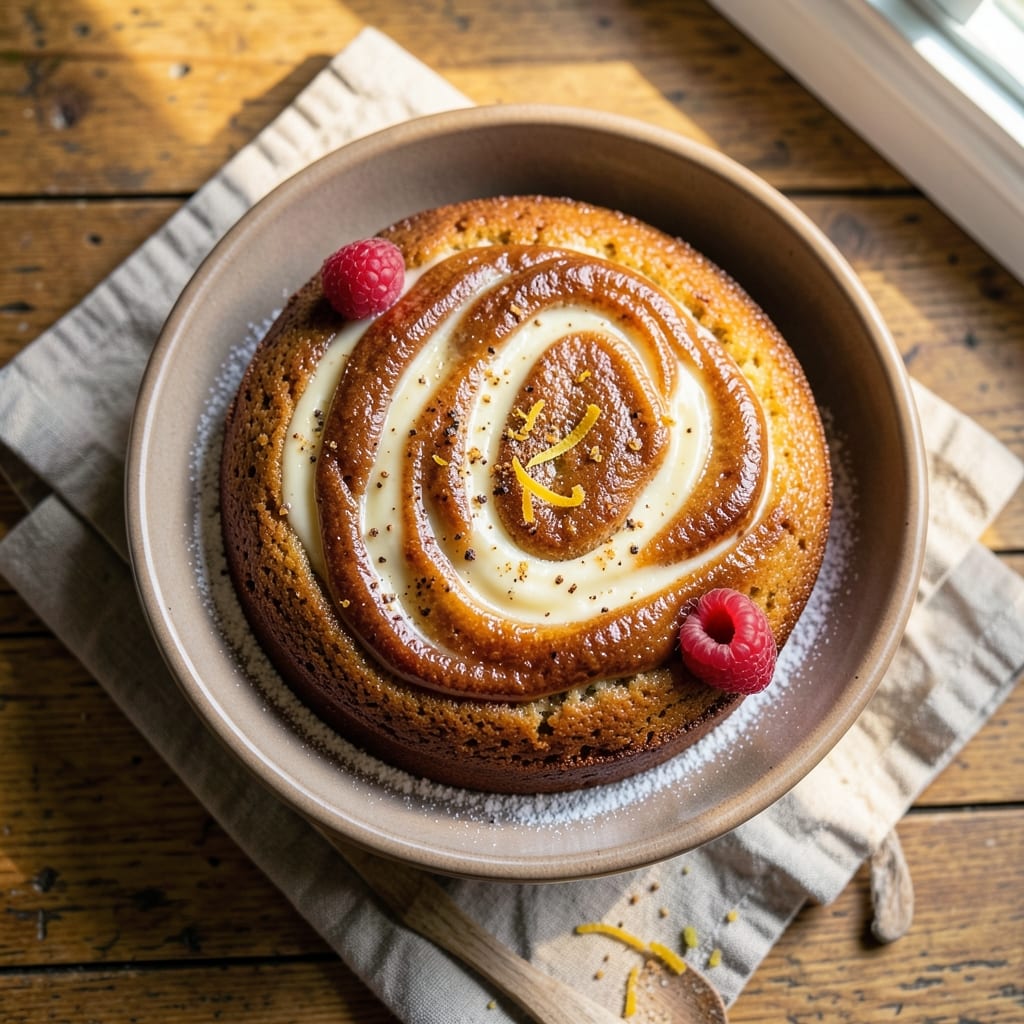
America's Test Kitchen pound cake recipe delivers moist crumb and buttery vanilla swirls that rival bakery perfection. This isn't just another pound cake—it's the result of meticulous testing to achieve the ideal texture: tender yet sturdy, with a golden crust that cracks just enough to reveal layers of vanilla-infused richness. The secret lies in precise ingredient ratios and baking techniques that ensure no dryness or density. What sets this recipe apart is its foolproof method for balancing butter, sugar, and eggs to create a cake that stays moist for days. We'll use room-temperature ingredients to prevent lumps and a two-stage mixing process that develops gluten gently for that signature tender crumb. The vanilla swirls aren't an afterthought—they're integrated during mixing to create pockets of flavor throughout. By the time you pull this cake from the oven, you'll have a golden, crackly-topped masterpiece with a crumb so tender it practically melts in your mouth. The vanilla flavor is subtle yet pervasive, enhancing every bite without overpowering. This is the kind of pound cake that disappears faster than you can slice it—perfect for tea time, dessert parties, or even breakfast when life gets busy. We'll cover oven calibration, proper doneness testing, and troubleshooting common issues like cracking or dense texture. Whether you're a seasoned baker or just starting out, this recipe delivers restaurant-quality results at home. Let's get started with the ingredients.
Ingredients for america's test kitchen pound cake
Precision meets perfection: twelve ingredients for a pound cake with restaurant-quality moisture and vanilla swirls.
| Ingredient | Amount | Notes |
|---|---|---|
| Unsalted Butter 🧈 | 1 lb | Room temperature, European-style preferred |
| Granulated Sugar 🍚 | 2 cups | Superfine preferred for even texture |
| Pure Vanilla Extract 🌿 | 2 tbsp | Bourbon or Madagascar preferred |
| Large Eggs 🥚 | 4 whole | Room temperature, separated for swirls |
| All-Purpose Flour 🌾 | 2 cups | Sifted, plus extra for pan |
| Baking Powder 🍞 | 1 tsp | Aluminum-free for tender crumb |
| Salt 🧂 | ½ tsp | Diamond Crystal preferred |
| Whole Milk 🥛 | ½ cup | Room temperature |
| Vanilla Bean Paste 🌿 | 1 tbsp | For enhanced vanilla flavor |
| Vanilla Bean Seeds 🌿 | 1 whole | Scraped from 1 vanilla bean |
| Egg Yolks 🥚 | 3 whole | Reserved for vanilla swirls |
| Powdered Sugar 🍚 | ¼ cup | For dusting |
The butter makes or breaks this cake—European-style with higher fat content (82-84%) delivers the richest texture. Plugrá or President brands are ideal, but any unsalted will work if brought to room temperature (about 68°F). The vanilla extract should be pure, not imitation—Madagascar bourbon offers the most complex flavor profile. For the vanilla swirls, Madagascar beans provide the most aromatic seeds. Sift your flour through a fine-mesh sieve to eliminate any lumps that could create dense pockets in the cake. The baking powder is critical here—aluminum-free varieties prevent any metallic aftertaste.
No European butter? Cultured butter works in a pinch, but expect slightly less richness. Substituting vanilla extract? Almond extract at half the amount mimics the sweetness, but lacks depth. For the vanilla swirls, if you can't find whole beans, high-quality paste (like Madagascar-based) will suffice. The milk can be substituted with evaporated milk for added richness, though it will alter the texture slightly. If you're concerned about gluten sensitivity, King Arthur 1-to-1 gluten-free flour blend performs remarkably well here—just increase the leavening by 25%. The powdered sugar should be 10X sifted for a cloud-like dusting.
Store the cake in an airtight container at room temperature for up to 3 days—it actually improves as it sits. For longer storage, wrap tightly in plastic and refrigerate for up to 1 week. The vanilla swirls are best when the cake is served at room temperature, so remove it from the fridge 1 hour before slicing. This cake freezes beautifully—wrap each slice individually in plastic wrap, then place in a freezer bag for up to 3 months. To reheat, microwave each slice for 10-15 seconds to restore moisture without overcooking.
Why You'll Love This Recipe
- No-Fail First Try: This recipe actually works the first time—no guessing, no sinking centers. The secret’s in creaming the butter and sugar until light and airy, then folding in the eggs one at a time. That’s the move that makes all the difference.
- Buttery Vanilla Bliss: The moment you slice into it, you’ll taste why this is a classic. Rich, creamy butter and pure vanilla extract make every bite taste like a bakery’s secret. (Between us, I’ve tried cheaper vanilla—don’t.)
- Slice It Any Way: Need a quick breakfast? Toast the slices. Brunch guest? Drizzle with honey or dust with powdered sugar. Even my picky teenager asks for it plain—proof it’s that universally good.
- Pantry Goldmine: Uses five basic ingredients you already own. No specialty items, no last-minute grocery runs. And a single cake lasts me days—I’ve fed a crowd with leftovers, sliced thin for sandwiches, or just eaten straight from the fridge. Efficiency at its finest.
Step-by-step instructions for america's test kitchen pound cake
This method delivers a perfectly moist crumb with signature vanilla swirls every time.
Prepare the Vanilla Swirl Filling
In a small bowl, whisk together the 3 whole egg yolks, 1 tablespoon vanilla bean paste, and 1 tablespoon pure vanilla extract until smooth and fully combined. This creates the rich, aromatic filling that will swirl through the cake. Set aside at room temperature while you prepare the batter.
For the vanilla bean seeds, scrape them from 1 whole vanilla bean using the side of a knife. Add these seeds to the yolk mixture and whisk gently to distribute the seeds evenly. The seeds will add beautiful speckles and an extra layer of vanilla flavor throughout the cake.
Cream Butter and Sugar to Lighten the Texture
In a stand mixer fitted with the paddle attachment, beat the 1 lb unsalted butter and 2 cups granulated sugar on medium speed for 5-7 minutes. You're looking for a pale, fluffy mixture that nearly doubles in volume—the sugar should be completely dissolved and the texture should look like whipped butter.
This creaming process incorporates air into the batter, which creates a tender crumb. I like to press the paddle against the mixture occasionally to ensure the butter is fully emulsified with the sugar. If using superfine sugar, the process will be slightly quicker—just watch for that lightened texture.
Add Eggs and Dry Ingredients Alternately
Add the 4 whole large eggs, one at a time, mixing on low speed after each addition until fully incorporated. Scrape down the sides of the bowl as needed to ensure even mixing. Then, in three additions, alternate between the sifted 2 cups all-purpose flour and the 0.5 cup whole milk, beginning and ending with the flour.
After each addition, mix on low speed just until combined—overmixing develops gluten and makes the cake tough. The batter should be smooth with a ribbon consistency. In a separate bowl, whisk together 1 teaspoon baking powder and 0.5 teaspoon salt, then fold this into the batter gently with a spatula.
Fold in Vanilla Swirl and Prepare the Pan
Using a rubber spatula, gently fold one-third of the vanilla swirl mixture into the batter to create marbled streaks. This partial incorporation ensures beautiful swirls while maintaining the cake's structure. Lightly grease a 9-inch round cake pan with butter and line the bottom with parchment paper, leaving an overhang for easy removal.
Dust the pan generously with flour, tapping out any excess. Pour the batter into the prepared pan and smooth the top with a spatula. Use the back of the spatula to create gentle swirls in the batter, then use a knife to drag lines from the center to the edge, creating paths for the remaining vanilla filling to flow through.
Bake Until Golden and Test for Doneness
Preheat your oven to 350°F. Bake the cake for 60-65 minutes, or until a toothpick inserted in the center comes out clean with just a few moist crumbs clinging to it. The cake should be golden brown on top and pull away slightly from the edges of the pan.
Here's the thing—don't overbake. The cake will continue to set as it cools, and overbaking leads to a dry crumb. If the top browns too quickly, tent the cake with foil after 45 minutes to prevent over-browning while allowing the center to cook through. Let the cake cool in the pan for 15 minutes, then invert onto a wire rack to cool completely before dusting with 0.25 cup powdered sugar.
Pro Tips For Making America'S Test Kitchen Pound Cake
- Cream Butter Slowly: The ATK recipe calls for creaming butter and sugar until light and fluffy, but I learned the hard way—rushing this step means a dense cake. Use a stand mixer with the paddle attachment and cream for 3-5 minutes until the mixture looks like wet sand and turns pale. (Yes, even if your mixer whines about the effort.)
- Weigh Your Eggs: The recipe specifies large eggs, but "large" varies wildly. I used to eyeball them and ended up with a cake that was either gummy or dry. Weigh them instead: each egg should be about 50-55 grams without the shell. No scale? Buy a dozen from the same carton and test-bake once to confirm.
- Skip the Overmixing: Once you add the flour, stop mixing the second it’s just combined—no streaks, no pockets. Overmixing develops gluten, and that’s how you get a tough, chewy pound cake instead of the tender crumb you’re after. (I used to think "fully incorporated" meant "beat it into submission.")
- Bake Until Internal Temp: The recipe says to bake until a thermometer reads 190°F (88°C) in the center. Don’t rely on the toothpick test alone—some cakes pass that but are still underdone. The temp guarantees doneness every time, even if the top looks slightly underbaked. (Trust me, your cake will thank you later.)
Pro cooking tips for america's test kitchen pound cake
Butter Temperature Matters
Room-temperature butter is non-negotiable for this cake—it should be soft enough to leave a slight indentation when pressed but not melted. I test by gently pressing a finger into the butter; if it springs back slowly, it's ready. Cold butter creates dense pockets, while overly soft butter can cause the cake to spread unevenly. European-style butter (like Plugrá) is ideal because its higher fat content (82-84%) yields a richer texture. If you're short on time, place the butter in a bowl and let it sit at room temperature for 1-2 hours or microwave it for 10-15 seconds in 5-second intervals until pliable. 🧈
Superfine Sugar Secret
Superfine sugar dissolves faster and creates a smoother texture, but regular granulated sugar works in a pinch if you pulse it in a food processor for 30 seconds. The key is creaming the butter and sugar until the mixture is pale and fluffy—this incorporates air, which lightens the crumb. I like to scrape the sides of the bowl every 30 seconds to ensure even mixing. If your mixer struggles, switch to a hand mixer and work in 2-minute bursts to avoid overheating the butter.
Egg Separation Technique
Reserve the 3 egg yolks for the vanilla swirl filling, and save the whites for another use (like meringues or soufflés). To separate eggs cleanly, crack them one at a time over a small bowl, letting the white slide into the main bowl while catching the yolk in the smaller one. For the swirl filling, whisk the yolks with vanilla bean paste and extract until fully emulsified—this ensures a silky texture that blends seamlessly into the batter. If you accidentally get a bit of white in the yolk mixture, don't stress; it won't ruin the cake, but straining the mixture through a fine-mesh sieve removes any streaks. 🥚
Pan Prep Prevents Sticking
Generously grease your 9-inch round cake pan with butter, then dust it with flour, tapping out any excess. The overhang of parchment paper at the bottom makes removal effortless, but if you're using a nonstick pan, skip the parchment. For extra insurance, I lightly butter the parchment before placing it in the pan. Avoid overgreasing—excess butter can create a greasy crust. After pouring the batter, smooth the top with a spatula and use a knife to create shallow swirls in the center. This guides the remaining vanilla filling during baking for stunning marbling. ✨
Oven Calibration Check
Ovens vary wildly, so calibrate yours before baking. Place an oven thermometer in the center rack and preheat to 350°F. If your oven runs hot, reduce the temperature by 10-15°F to compensate. The cake is done when a toothpick inserted in the center comes out with a few moist crumbs—never clean. Overbaking dries out the crumb, so err on the side of underbaking slightly. If the top browns too quickly, tent the cake with foil after 45 minutes to prevent over-browning while the center finishes cooking. 🌡️
Cooling is Critical
Let the cake cool in the pan for 15 minutes to set slightly, then invert it onto a wire rack to cool completely. This prevents collapse and ensures even slicing. Dusting with 0.25 cup powdered sugar while still warm creates a delicate, cloud-like finish. For a professional touch, sift the sugar through a fine-mesh sieve to avoid clumps. If you're short on time, let the cake cool for 10 minutes in the pan, then invert it onto a rack to finish cooling. The texture improves as it sits, so resist the urge to slice it too soon! 💫
Nutrition facts
Frequently asked questions
Why does this recipe use room-temperature ingredients?
Room-temperature butter, eggs, and milk ensure even mixing and a tender crumb. Cold ingredients create dense pockets in the cake, while warm ones blend smoothly. For butter, press it gently—it should leave a slight indentation but not melt. If short on time, microwave it for 10-15 seconds in 5-second intervals until pliable.
Can I make this cake without a stand mixer?
Use a hand mixer or even a sturdy whisk. Cream the butter and sugar for 5-7 minutes by working in 2-minute bursts to avoid overheating. For the dry ingredients, gently fold them in with a spatula—just don’t overmix, or the cake will turn tough. A rubber spatula is your best friend for folding in the vanilla swirls too.
How do I prevent the cake from cracking on top?
Cracking happens when the cake bakes too quickly or the oven runs hot. To prevent it, bake at 350°F and tent the cake with foil after 45 minutes if the top browns too fast. Also, avoid opening the oven door early—temperature fluctuations cause cracks. For extra insurance, let the cake cool in the pan for 15 minutes before inverting.
What’s the best way to store leftover pound cake?
Keep it in an airtight container at room temperature for 3 days—it actually gets better as it sits! For longer storage, refrigerate for up to 1 week or freeze slices individually for 3 months. To reheat, microwave each slice for 10-15 seconds to restore moisture without drying it out. The vanilla swirls shine brightest when the cake is served at room temperature.
Can I substitute vanilla extract with something else?
For the vanilla swirls, use 1 tablespoon almond extract (half the amount) for sweetness, but it lacks depth. For the batter, 1 teaspoon vanilla bean paste works well if you can’t find extract. If you’re feeling adventurous, try 1 teaspoon lemon or orange zest for a citrus twist—just reduce the vanilla extract by half. The key is balancing flavor without overpowering the cake’s buttery richness.