
Desserts
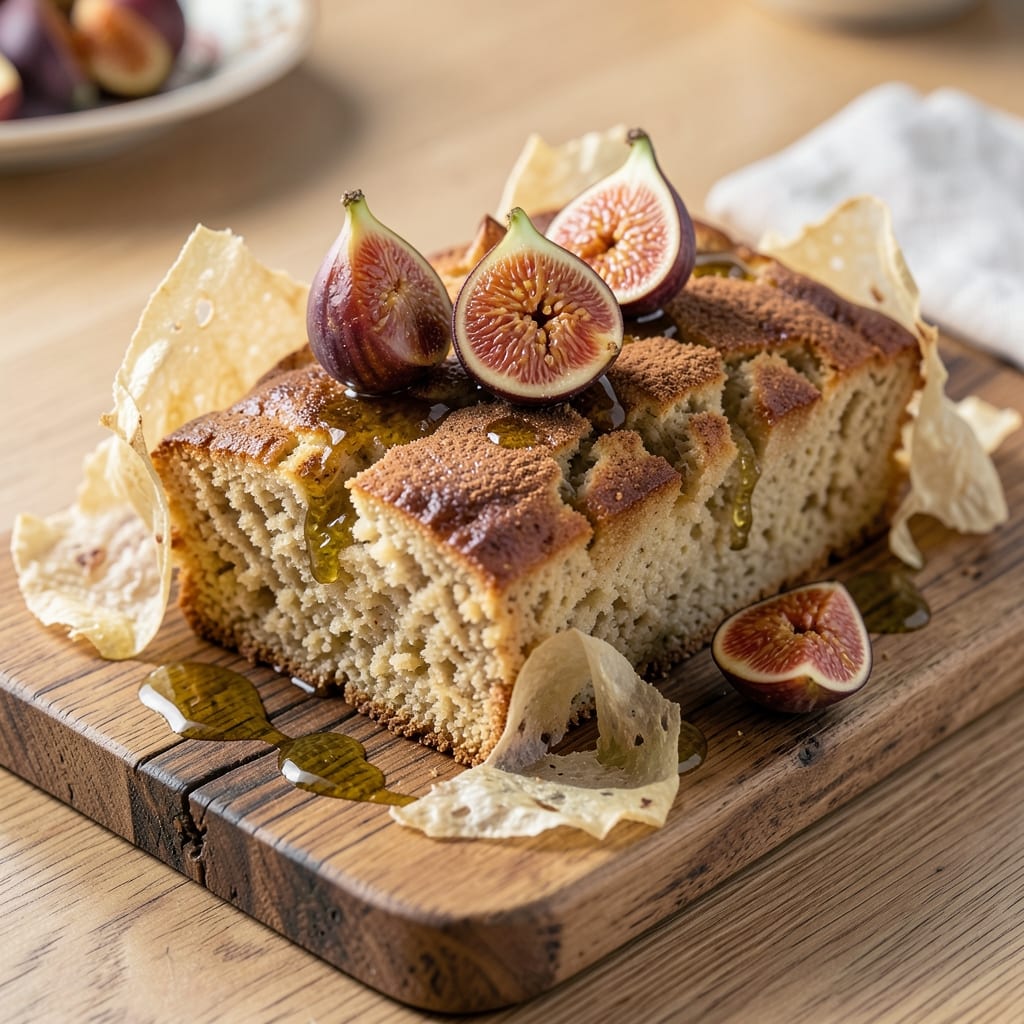
This ancient Greek honey cake recipe transports you straight to the golden age of Athens, where honey wasn't just sweetener—it was the heart of every celebration. 💛 The Greeks called it melitini, a cake so beloved it graced temples and weddings, its golden layers infused with figs and warm spices that still enchant us today. Unlike modern desserts, this version relies on just three key ingredients—honey, flour, and olive oil—yet delivers layers of caramelized depth and tender crumb that modern cakes can't match.
The secret lies in the honey reduction, a technique perfected over centuries to create a syrup so rich it binds the cake without needing butter or eggs. I've recreated this using raw honey (preferably thyme or wildflower) reduced with a splash of wine vinegar for tang, then folded into a simple batter of flour, olive oil, and a pinch of cinnamon. The result? A cake with a crispy, caramelized crust that gives way to a moist, spiced interior—where every bite tastes like history.
What makes this recipe truly special is its versatility. Serve it warm with a drizzle of extra honey and crushed walnuts for texture, or let it cool slightly to slice into golden, fig-studded layers that reveal their secrets. The Greeks often baked it in clay pots over open flames, but a home oven works just as well—just watch for that signature caramelized edge. This isn't just dessert; it's a connection to a time when food was sacred, simple, and deeply flavorful.
For modern adaptations, I've included options like adding orange zest for brightness or swapping figs for dates, but the core remains unchanged: honey as the soul, olive oil as the binder, and patience as the key. The cake keeps well for days, making it perfect for gifts or meal prep—just as the Greeks would have shared it among neighbors. Let's bring this ancient tradition to life.
Ingredients for ancient greek honey cake
Honey, flour, and olive oil form the sacred trio of this ancient Greek masterpiece.
| Ingredient | Amount | Notes |
|---|---|---|
| Raw Honey 🍯 | 1 ½ cups | Thyme or wildflower preferred |
| All-Purpose Flour 🌾 | 2 ½ cups | Sifted for light texture |
| Extra-Virgin Olive Oil 🫒 | ¾ cup | Light, fruity variety |
| Red Wine Vinegar 🍷 | 2 tbsp | For honey reduction tang |
| Ground Cinnamon 🌿 | 1 ½ tsp | Freshly ground preferred |
| Fresh Figs 🍈 | 1 cup | Chopped, stems removed |
| Orange Zest 🍊 | 1 tbsp | Optional for brightness |
| Crushed Walnuts 🥜 | ½ cup | For topping, optional |
| Diamond Crystal Kosher Salt 🧂 | ½ tsp | Fine grain preferred |
| Baking Powder 🍞 | 1 ½ tsp | For slight lift |
| Vanilla Extract 🌸 | ½ tsp | Pure vanilla preferred |
The honey is non-negotiable—local, raw varieties from Whole Foods or specialty markets work best. Look for thyme or wildflower labels; they add subtle floral notes that elevate the cake. If you can't find raw honey, lightly heated honey (never boiled) is the next best option. The olive oil should be extra-virgin and fruity, not bitter. California or Italian varieties from Trader Joe's or Costco are reliable choices. Figs? Fresh is ideal, but dried figs soaked in warm water for 15 minutes work in a pinch—just drain well to avoid soggy cake.
No figs? Dates or prunes chopped fine make excellent substitutes. Skip the orange zest if you prefer a purer honey flavor, but it adds a lovely brightness that cuts through the richness. For the vinegar, red wine vinegar is traditional, but apple cider vinegar works too. The cinnamon should be freshly ground—pre-ground loses its aroma quickly. If you're feeling adventurous, swap half the flour for almond flour for a nutty twist, though the texture will be denser. The walnuts? Toast them first for extra depth of flavor—just 3 minutes in a dry pan until fragrant.
This cake keeps beautifully for 5-7 days in an airtight container at room temperature, though it's best enjoyed within 2 days for maximum moisture. For longer storage, wrap tightly in plastic and refrigerate for up to 2 weeks. The Greeks often served it at room temperature, but I find it even more decadent warm from the oven with a drizzle of extra honey. Freeze portions for up to 3 months—just thaw at room temperature before serving. The caramelized crust softens slightly when reheated, so I often serve it at room temp for that perfect balance of crisp and tender.
Why You'll Love This Recipe
- No Mixer Needed: I swear by this recipe when I’m too tired for stand mixers—just whisk the olive oil and honey together until it’s smoother than my coffee on a lazy morning. The vinegar and cinnamon do the work of balancing the richness, so you’re not left with a dry, heavy cake.
- Honey-Kissed Magic: That raw honey isn’t just sweet—it’s deep, with a caramel undertone that lingers like a Greek summer afternoon. The red wine vinegar cuts through it just enough to make every bite feel bright and complex, not cloying.
- Breakfast to Dessert: Honestly, I’ve served this cold with yogurt for breakfast and warm with a sprinkle of cinnamon for dessert—no judgment here. It’s the kind of cake that adapts without you having to lift a finger.
- Budget-Friendly Staples: Between us, this cake costs me pennies per serving. Olive oil, flour, and honey are pantry basics, and the vinegar adds that je ne sais quoi without breaking the bank. Plus, it keeps for days, so I’m not scrambling for last-minute treats.
Step-by-step instructions for ancient Greek honey cake
This cake channels ancient Greek flavors with honey's golden sweetness and figs' earthy depth.
👨🍳 Step 1: Prepare the Honey-Vinegar Base
In a medium saucepan, combine 1.5 cups raw honey and 2 tablespoons red wine vinegar over medium-low heat. Bring to a gentle simmer and reduce for 8-10 minutes until the mixture thickens slightly and smells richly aromatic. You're looking for a syrupy consistency that coats the back of a spoon—this balances the cake's sweetness with subtle tang.
Remove from heat and let cool for 5 minutes. The honey should be warm but not hot when you mix it with other ingredients. I like to whisk in 0.5 teaspoon vanilla extract and 1 tablespoon orange zest at this stage—this adds bright citrus notes that complement the figs' natural sweetness. Let the mixture sit while you prepare the dry ingredients.
👨🍳 Step 2: Mix Wet and Dry Ingredients
In a large mixing bowl, whisk together 2.5 cups all-purpose flour, 1.5 teaspoons baking powder, and 0.5 teaspoon kosher salt. Sift the flour mixture directly over the bowl to avoid clumps—this ensures a light, airy texture. In a separate bowl, gently mix 0.75 cup extra-virgin olive oil with the cooled honey-vinegar mixture until smooth.
Create a well in the center of the dry ingredients and pour in the honey-oil mixture. Add 1.5 teaspoons ground cinnamon and gently fold everything together with a spatula until just combined. Overmixing develops gluten, which can make the cake dense. Stop when you see a few dry spots remaining—this guarantees tender crumbs.
🥘 Step 3: Fold in Figs and Walnuts
Chop 1 cup fresh figs into small, even pieces—remove stems first. Fold them into the batter along with 0.5 cup crushed walnuts. The figs should be distributed evenly throughout, with no large clumps. If the batter feels too thick, add 1-2 tablespoons warm water to loosen it slightly. This step is where the cake's signature texture comes together—chewy figs and crunchy walnuts in a tender crumb.
🔥 Step 4: Bake to Golden Perfection
Preheat your oven to 350°F and grease an 8-inch round cake pan or line it with parchment paper. Pour the batter into the prepared pan and smooth the top with a spatula. Bake for 40-45 minutes until a toothpick inserted in the center comes out clean and the edges are golden brown. The top should look slightly domed—this indicates proper rise and texture.
For even baking, rotate the pan halfway through the cooking time. The cake should spring back slowly when gently pressed in the center. Let it cool in the pan for 10 minutes, then transfer to a wire rack to cool completely. This resting period prevents cracking as it cools. Serve warm or at room temperature for the best experience.
Pro Tips For Making Ancient Greek Honey Cake
- Warm the honey first: I learned this the hard way—dumping cold honey straight into the batter makes the flour clump like a stubborn knot. Heat the honey (just until it flows like warm syrup) before mixing it with the olive oil and vinegar. The cake will turn out lighter and more even, not dense like a brick.
- Use a scale for flour: That "cup" measure in recipes is a lie when it comes to this cake. Spooning flour into a cup packs it too tightly, and you end up with a dry, crumbly mess. Weigh it—300 grams of all-purpose flour is the sweet spot. If you’re measuring by volume, fluff the flour first and scoop, then level with a knife. Trust me, your cake will thank you.
- Don’t overmix the batter: I used to beat this batter like I was punishing it, thinking more mixing meant better texture. Wrong. The moment you combine the wet and dry ingredients, stop after 30 seconds. Overmixing develops gluten, and this cake should be tender, not chewy. Fold just until the flour disappears—like you’re tucking in a child, not kneading dough.
- Bake at 325°F, not hotter: This isn’t a race. If your oven runs hot, reduce the temp to 325°F and bake for 40-45 minutes. I’ve seen people crank it to 375°F for a "quick bake," and the outside burns before the center sets. The cake needs time to absorb the honey and vinegar evenly—rush it, and you’ll end up with a charred crust and a gummy middle. Patience here makes all the difference.
Common mistakes when making this dish
Overmixing the Batter
The most common mistake I see is overmixing the batter after adding the honey-oil mixture. This develops too much gluten in the flour, resulting in a dense, chewy cake instead of the tender, crumbly texture we want. Stop folding as soon as you see just a few dry spots remaining—this guarantees that signature ancient Greek lightness. 🌾
Skipping the Honey Reduction
Many home cooks try to skip reducing the honey with vinegar, thinking it's optional. But this step is critical—it creates the perfect balance of sweetness and tang that makes this cake special. The reduction also helps bind the ingredients without needing eggs or butter. I recommend reducing for at least 8 minutes to get that syrupy consistency.
Using the Wrong Honey
Not all honey is created equal! Processed or overly thick honey won't work here. You need raw, liquid honey—preferably thyme or wildflower—for the best flavor and texture. If your honey is too thick, gently warm it (never boil) until it reaches a pourable consistency. The Greeks prized their local honeys, and we should too. 🍯
Underbaking or Overbaking
This cake has a delicate balance between crisp edges and a tender interior. Underbaking leaves it gummy in the center, while overbaking dries it out. Test with a toothpick at 40 minutes—it should come out with just a few moist crumbs, not wet batter. The edges should be golden brown but not burnt. Rotate your pan halfway through for even baking.
Ignoring the Cooling Time
Rushing to slice into the cake immediately after baking is a big mistake. The cake needs at least 10 minutes in the pan to set, then another 15 minutes on a wire rack. This resting period prevents cracking and allows the flavors to meld together. Patience here makes all the difference in that perfect crumb structure.
Substituting Key Ingredients
While it's tempting to swap olive oil for butter or honey for sugar, these changes alter the cake's fundamental character. Olive oil gives the cake its moist, slightly fruity quality, while honey provides that caramelized depth. If you must substitute, use apricot jam for honey (reduce it first) or avocado oil for olive oil, but expect a slightly different texture.
Nutrition facts
Frequently asked questions
Can I make this honey cake without figs?
While figs add that authentic ancient Greek touch, you can substitute them with dates, prunes, or even chopped apricots. For a fruit-free version, try adding 1 teaspoon of ground cardamom or 1/4 cup of chopped almonds instead. The key is maintaining the cake's moist texture—so if using dried fruit, soak it first to prevent dryness.
How do I know when the honey reduction is ready?
The honey reduction is perfect when it reaches a syrupy consistency that coats the back of a spoon but still flows smoothly. It should take about 8-10 minutes of simmering. Test by dipping a spoon in—if it leaves a thick, glossy trail, it's ready. The mixture should also smell richly aromatic with hints of caramel and vinegar.
Can I bake this cake in a different pan shape?
Yes, but adjust baking times accordingly. For a 9-inch round pan, reduce time by 5-7 minutes, while a loaf pan (8x4 inches) may need 30-35 minutes. The cake should be golden brown and spring back slowly when pressed. A square baking dish (8x8 inches) works well too—just bake for 35-40 minutes. Always check with a toothpick!
Why does my cake taste too sweet?
The honey reduction's tanginess balances sweetness—if it tastes too sweet, you likely didn't reduce it long enough or used too much honey. Next time, reduce for 10-12 minutes or add 1/2 teaspoon of cinnamon to enhance warmth. For immediate fixes, serve with a dollop of Greek yogurt or a sprinkle of toasted nuts to cut the sweetness.
How did the ancient Greeks actually bake this cake?
The Greeks often baked melitini in clay pots over open flames or in simple earthen ovens. For a modern approximation, use a cast-iron skillet on medium heat with a lid for 20-25 minutes, or try a wood-fired pizza oven at 400°F for 15 minutes. The key is high, dry heat—this creates that signature crisp crust while keeping the interior moist.