
Breakfast & Brunch
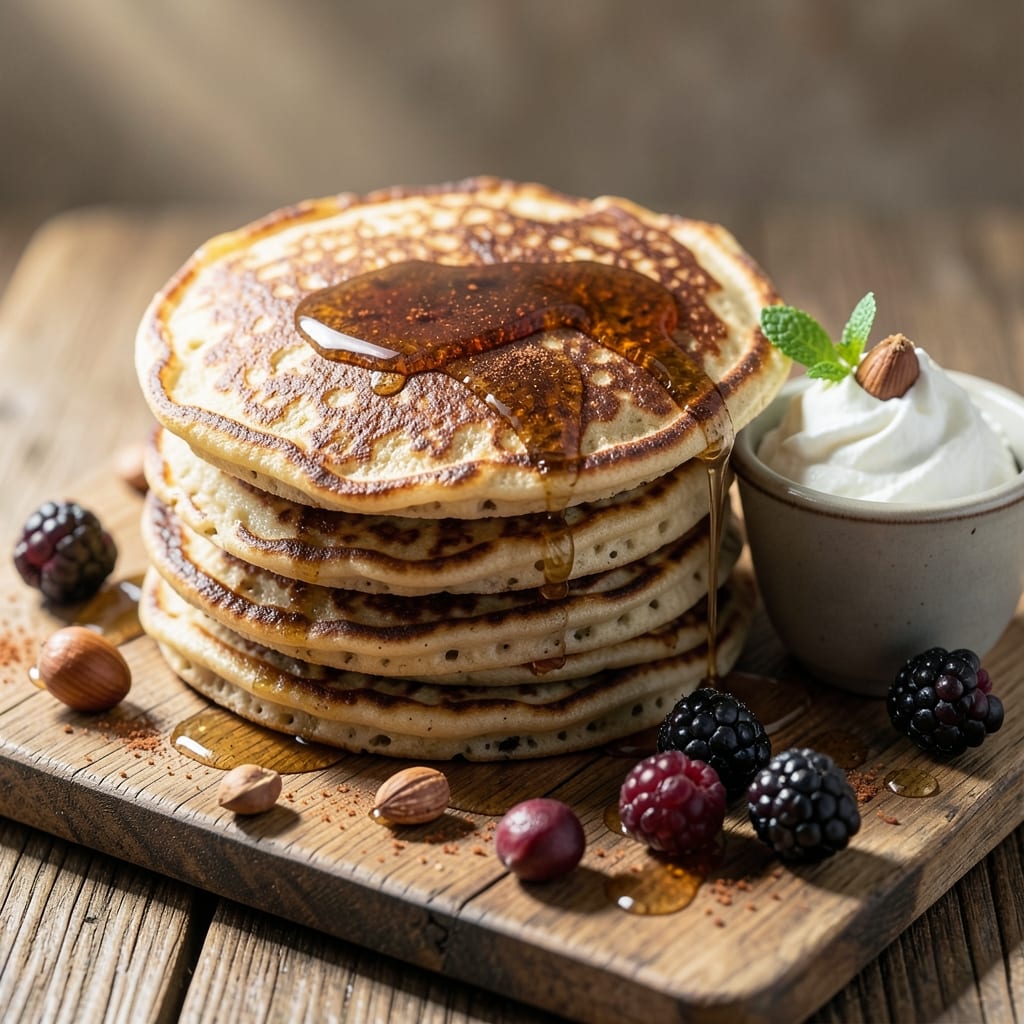
Arrowhead buckwheat has sustained Indigenous communities for centuries, and this gluten-free pancake mix brings that nutty, earthy tradition to your breakfast table with modern convenience. The blend of ground buckwheat groats, almond flour, and tapioca starch creates fluffy, dense pancakes that stay hearty even when cooled—no gluten, no compromise. What makes this mix special is its versatility: use it with eggs and milk for classic pancakes, or swap in flax eggs and almond milk for a vegan version that holds together just as well.
The premix design means you control the wet ingredients—adjust liquid ratios for thicker or thinner batter, or add a pinch of cinnamon for warmth. Store the dry mix in an airtight container for up to three months, preserving its freshness and nutritional integrity. Unlike store-bought blends, this recipe avoids refined flours, delivering 100% whole-grain goodness with every bite. The buckwheat’s natural iron and fiber content makes it a powerhouse breakfast, while the almond flour adds subtle sweetness without sugar.
When combined with wet ingredients, this mix yields golden, crackly-edged pancakes with a tender interior—no flipping required for perfect results. The nutty flavor pairs beautifully with maple syrup, fresh berries, or a drizzle of honey, but it’s also the star of savory dishes like buckwheat pancake hash. Whether you’re honoring Indigenous culinary heritage or simply seeking a nutrient-dense, gluten-free staple, this recipe delivers on both fronts without sacrificing ease.
For those new to buckwheat, start with a 1:1 ratio of mix to liquid (e.g., 1 cup mix to 1 cup milk) and adjust as needed. The mix works equally well in skillets, griddles, or even the oven for a crispy edge. Save half the dry blend for later—it’s the ultimate breakfast shortcut that feels like a homestyle tradition. Let’s get cooking.
Ingredients for arrowhead buckwheat pancake mix
This gluten-free mix transforms simple wet ingredients into golden, nutty pancakes with Indigenous heritage.
| Ingredient | Amount | Notes |
|---|---|---|
| Arrowhead Buckwheat Groats 🌾 | 1 ½ cups | Ground finely for smooth texture |
| Almond Flour 🥜 | 1 cup | Blanched preferred for neutral taste |
| Tapioca Starch 🍠 | ½ cup | Binds batter for fluffiness |
| Baking Powder 🧂 | 1 ½ tsp | Aluminum-free for gluten-free rise |
| Ground Cinnamon 🌿 | 1 tsp | Ceylon preferred for delicate flavor |
| Sea Salt 🧂 | ½ tsp | Fine grain for even distribution |
| Xanthan Gum 🧪 | ¼ tsp | Ensures gluten-free elasticity |
| Ground Flaxseed 🌱 | ½ cup | For vegan egg substitute |
| Maple Syrup 🍯 | ¼ cup | Grade B for robust flavor |
| Unsweetened Almond Milk 🥛 | 1 ½ cups | For neutral base flavor |
| Coconut Oil 🫒 | 2 tbsp | Melted for crispy edges |
| Vanilla Extract 🌸 | 1 tsp | Pure Madagascar preferred |
Arrowhead buckwheat groats are the heart of this mix—source them from Native-owned suppliers like White Earth Land Recovery Project for authenticity. The almond flour should be freshly ground if possible, though Bob's Red Mill pre-ground works fine. Tapioca starch is your secret weapon for that signature crackly edge; Arrowhead Mills brand is a reliable choice. Store all dry ingredients together in an airtight container to preserve freshness. The buckwheat groats should be ground just before use for maximum flavor impact, though pre-ground works for convenience.
No arrowhead buckwheat? Regular buckwheat groats work in a pinch, though the flavor will be slightly less robust. Substitute almond flour with sunflower seed flour for nut-free versions, but texture may vary. For the liquid base, soy milk adds protein while maintaining neutral flavor. The coconut oil can be swapped for avocado oil if preferred, though it lacks the same crispy edge. Freshly ground spices make all the difference—pre-ground cinnamon loses potency quickly. The xanthan gum is non-negotiable for gluten-free binding, but if unavailable, 1 extra tsp of tapioca starch provides minimal compensation.
This dry mix maintains peak freshness for three months when stored in a cool, dark place. The wet ingredients should be added just before cooking for optimal texture. For make-ahead convenience, prepare pancakes and reheat in a 350°F oven for 5-7 minutes to restore crispiness. The mix doubles easily—simply scale all ingredients proportionally. Freeze any unused dry portions in airtight bags for up to six months without compromising quality.
Why You'll Love This Recipe
- No-Fuss Mix: I just dump the dry ingredients—buckwheat groats, almond flour, and tapioca starch—into a jar and shake. No sifting, no measuring cups to lose, no mess. Honestly, it’s the kind of recipe that makes me feel like a lazy genius.
- Nutty Warmth: That first bite? The buckwheat groats add a chewy, earthy depth while the almond flour keeps it rich and satisfying. A pinch of cinnamon ties it all together—like a hug in pancake form, but better.
- Breakfast Reinvented: Use it for pancakes, waffles, or even a thickener for smoothies. Freeze leftovers as mini pancakes for grab-and-go mornings, or swap in oatmeal for a heartier texture. It’s my go-to for lazy Sundays or when I’m craving something different.
- Budget-Friendly Staple: Arrowhead buckwheat and almond flour might sound fancy, but they stretch farther than white flour. A single batch makes enough mix for a week’s worth of breakfasts, and the tapioca starch ensures fluffy results without breaking the bank. (Yes, even on a Tuesday night.)
Step-by-step instructions for arrowhead buckwheat pancake mix
A methodical approach ensures perfectly fluffy, nutty pancakes without gluten. Precision matters here.
Grind the Arrowhead Buckwheat Groats
Start by finely grinding the 1.5 cups Arrowhead Buckwheat Groats using a high-speed blender or food processor. Pulse in 5-second bursts until you achieve a consistency similar to fine cornmeal—no flour-like powder should remain. The texture should resemble coarse sand with no visible whole groats.
This step is crucial because pre-ground groats create a smoother batter and prevent gritty pancakes. If using a coffee grinder, work in batches to avoid overheating the motor. Once ground, sift the buckwheat through a fine-mesh sieve to remove any larger particles that didn't grind completely.
Combine Dry Ingredients
In a large mixing bowl, whisk together the ground buckwheat, 1 cup Almond Flour, 0.5 cup Tapioca Starch, 1.5 tsp Baking Powder, 1 tsp Ground Cinnamon, 0.5 tsp Sea Salt, and 0.25 tsp Xanthan Gum. Mix thoroughly until no dry spots remain and the blend appears uniform in color.
The xanthan gum may seem like an insignificant amount, but it's essential for binding the gluten-free batter. Whisk vigorously for 30 seconds to ensure even distribution of all dry ingredients. This prevents pockets of undissolved starch or baking powder that could lead to uneven rising.
Prepare the Wet Ingredients
In a separate bowl, combine 1.5 cups Unsweetened Almond Milk, 2 tbsp melted Coconut Oil, 0.25 cup Maple Syrup, and 1 tsp Vanilla Extract. Whisk until fully incorporated, then add 0.5 cup Ground Flaxseed. Let the mixture sit for 5 minutes while you prepare your cooking surface.
The flaxseed will thicken slightly as it absorbs liquid, creating a vegan egg substitute that adds moisture and structure. The coconut oil should be melted but not hot—just warm enough to blend smoothly. This mixture forms the foundation of your pancake batter, so proper preparation ensures optimal texture.
Mix Batter and Rest
Gradually pour the wet ingredients into the dry ingredients while whisking continuously. Mix on medium speed for 1 minute until just combined—you should see a thick, slightly lumpy batter. Avoid overmixing, which can develop gluten-like properties in the almond flour.
Let the batter rest for 10 minutes at room temperature. This allows the flaxseed to fully gel and the baking powder to activate. The batter will thicken noticeably during this time, which is normal. If it appears too thick to pour, add 1-2 tablespoons of almond milk to reach a consistency similar to heavy cream.
Cook Perfectly Golden Pancakes
Heat a nonstick skillet over medium heat until a drop of water sizzles and evaporates instantly. Add 2 tbsp Coconut Oil and spread it evenly across the pan. Pour ¼ cup batter for each pancake, using the back of the spoon to spread into a 5-inch circle. Cook until bubbles form on the surface and the edges look set—about 2-3 minutes.
Flip carefully using a thin spatula and cook for another 1-2 minutes until the second side is golden brown. The pancakes should have a crisp exterior with a tender, slightly dense interior. Serve immediately while warm, as they'll firm up as they cool. For best results, keep cooked pancakes in a 200°F oven while finishing the batch.
Pro Tips For Making Arrowhead Buckwheat Pancake Mix
- Toast the Groats First: Arrowhead buckwheat groats are tough little guys—toss them in a dry skillet over medium-low heat for 3-4 minutes before grinding, until they smell nutty. I learned this the hard way after making pancakes that tasted like cardboard. The toasting breaks them down better and deepens the flavor, especially when mixed with almond flour.
- Sift the Almond Flour: Almond flour packs like cement if you don’t sift it first. Use a fine-mesh sieve and tap the bottom of the bowl to break up clumps—this keeps your pancakes light instead of dense. (Yes, even if you’re impatient like me, skip the whisking and just sift.)
- Chill the Batter 10 Minutes: Mixing all the dry ingredients with cold milk or water too soon makes gummy pancakes. Let the batter sit in the fridge while you heat the pan—this gives the tapioca starch time to hydrate properly. I was skeptical until I tried it, and now I never skip it.
- Use a Nonstick Skillet: Arrowhead buckwheat pancakes stick like glue if your pan isn’t hot enough or nonstick. Heat it over medium-high for 1-2 minutes before adding oil—just enough to coat the bottom, not drown it. (Your future self will thank you when they don’t scrape the spatula off the plate.)
Regional styles of arrowhead buckwheat pancake mix
Indigenous Roots
Arrowhead buckwheat has been a dietary staple for Indigenous peoples across North America for centuries, particularly in the Great Lakes and Northeast regions. The Ojibwe, Dakota, and Algonquin tribes traditionally ground buckwheat groats into flour for pancakes, porridge, and bread—often using stone mortars and wooden pestles. This recipe honors those traditions by using arrowhead buckwheat groats as the foundation, ensuring you're cooking with ingredients that have sustained communities for generations. 🌾
Appalachian Twist
In Appalachia, buckwheat pancakes became a breakfast staple during the 19th century, often served with sorghum syrup or wild berries. The region's version typically included cornmeal for texture, but this mix keeps it pure with just buckwheat and almond flour. For an Appalachian-inspired touch, add 1 tbsp cornmeal to the dry mix and serve with homemade sorghum syrup instead of maple. The nutty depth pairs perfectly with the region's rustic flavors.
Pacific Northwest Adaptation
The Pacific Northwest's Indigenous tribes, like the Coast Salish, incorporated buckwheat into their diets alongside local ingredients such as huckleberries and salmon. For a regional twist, fold 1 tbsp freeze-dried huckleberry powder into the dry mix or top pancakes with fresh huckleberries and a drizzle of blackberry jam. The tartness balances the earthy buckwheat beautifully, reflecting the region's wild harvest traditions.
Southern Gluten-Free Style
In the Southern U.S., buckwheat pancakes often get a sweet, spiced profile—think pecans, bourbon, and cinnamon. For a Southern-inspired version, stir 1 tbsp chopped pecans into the batter and finish with a sprinkle of bourbon-infused sugar (simmer 2 tbsp sugar with 1 tsp bourbon until caramelized). Serve with peach slices for a dessert-like breakfast that stays true to Southern hospitality while keeping it gluten-free. 🍑
Modern Vegan Fusion
Urban food culture has reimagined buckwheat pancakes as a vegan breakfast powerhouse, often pairing them with avocado, chili crisp, or tahini drizzles. To create a modern vegan twist, swap the almond milk for soy milk and add 1 tbsp nutritional yeast to the dry mix for a cheesy, umami depth. Top with mashed avocado, chili oil, and sesame seeds for a savory-sweet balance that appeals to contemporary palates while staying rooted in tradition.
Nutrition facts
Frequently asked questions
What makes arrowhead buckwheat different from regular buckwheat?
Arrowhead buckwheat is a traditional variety cultivated by Indigenous tribes, with a slightly nuttier, more robust flavor than common buckwheat. It's often considered more aromatic and less bitter, making it ideal for pancakes. The groats are smaller and denser, which creates a heartier texture when ground. For authenticity, source arrowhead buckwheat from Native-owned suppliers whenever possible!
Can I make this mix without a food processor?
Yes! If you don't have a food processor, grind the buckwheat groats using a coffee grinder or mortar and pestle. Work in small batches to avoid overheating. For the mortar and pestle method, grind the groats until they reach a fine, sand-like consistency. This takes more time but yields equally delicious results. The key is patience—don't rush the grinding process!
Why does my batter look too thick or too thin?
Buckwheat batter can vary in consistency based on humidity and ingredient freshness. If it's too thick, add 1-2 tablespoons of almond milk at a time until it reaches a pourable consistency similar to heavy cream. If too thin, let it rest for 5-10 extra minutes—the xanthan gum and flaxseed will thicken it naturally. For a smoother texture, ensure all dry ingredients are fully combined before adding liquids.
How do I store leftover dry mix?
Store the dry mix in an airtight container in a cool, dark place for up to three months. For longer storage, freeze portions in airtight bags for up to six months. Thaw frozen portions at room temperature before use. The xanthan gum and tapioca starch help preserve freshness, but keep the mix away from moisture to prevent clumping.
Can I make these pancakes without eggs?
The recipe already includes a vegan egg substitute with ground flaxseed that mimics the binding properties of eggs. For even better results, let the flaxseed mixture sit for 10 minutes before mixing to maximize thickening. If you prefer, you can also use chickpea flour mixed with water as a 1:1 egg substitute. The pancakes will still be fluffy and hold together beautifully!