
Desserts
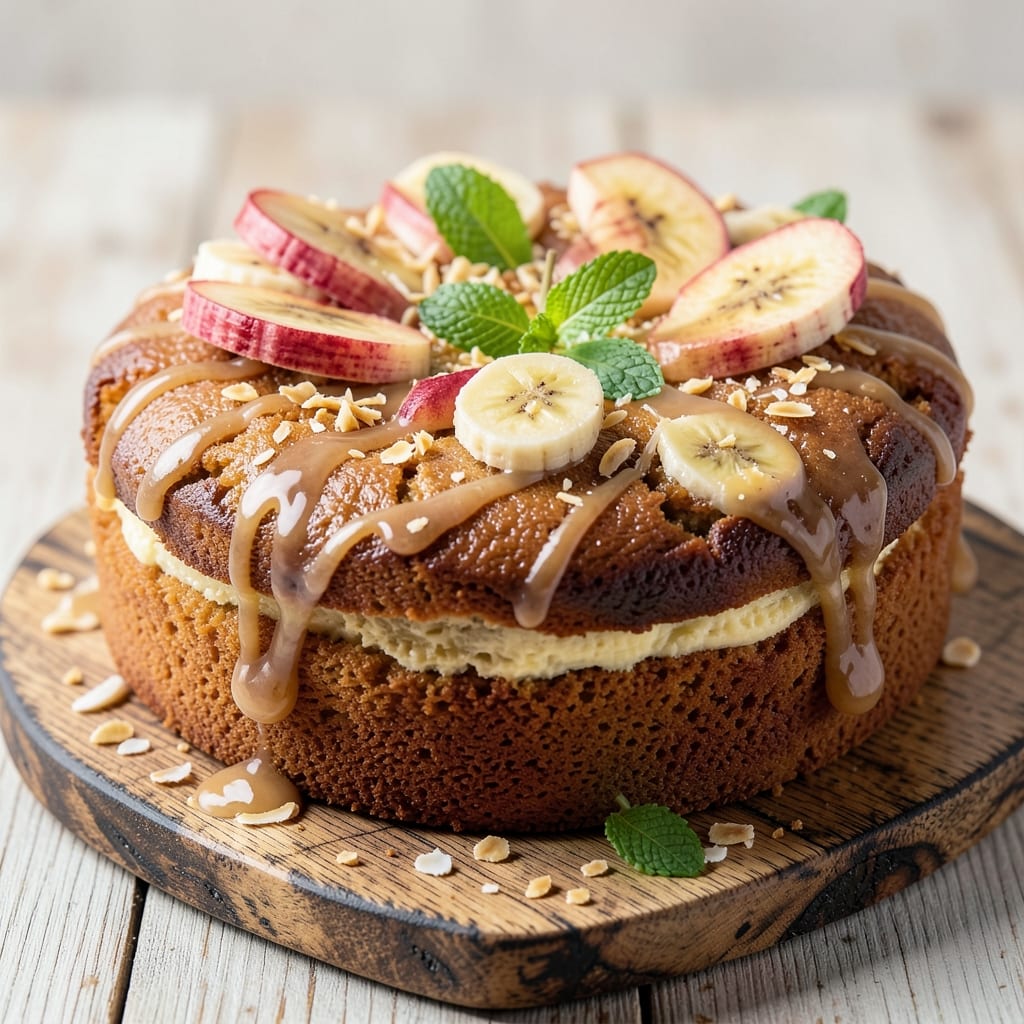
This Asian banana cake recipe transforms simple ingredients into a moist, fragrant dessert with a caramelized top that cracks like porcelain. 🌟 The secret lies in blending ripe bananas with warm spices like cinnamon and cardamom, creating layers of flavor that balance sweetness with subtle earthy notes. Unlike traditional banana bread, this version incorporates a touch of coconut milk and toasted sesame oil for authentic Asian depth.
What sets this cake apart is its texture—tender yet slightly dense, with a golden crust that gives way to soft, spiced layers inside. The caramelized banana topping isn’t just decorative; it adds a sticky, buttery contrast that makes every bite irresistible. Perfect for breakfast or dessert, this recipe delivers restaurant-quality results with minimal effort.
Baking at 350°F for about 40 minutes ensures a perfectly set interior while keeping the outside crisp. The warm spices infuse the cake with aroma that fills your kitchen, while the caramelized top adds a touch of elegance. Whether you're serving it with tea or enjoying a slice on its own, this cake is a crowd-pleaser.
For added flair, top with toasted coconut flakes or a sprinkle of sesame seeds before serving. The combination of textures and flavors makes this cake feel special without requiring advanced techniques. Let’s get baking!
Ingredients for asian banana cake
Simple pantry staples meet exotic spices for a cake that feels luxurious yet effortless.
| Ingredient | Amount | Notes |
|---|---|---|
| Ripe Bananas 🍌 | 3 whole | Mashed, about 1.5 cups |
| All-Purpose Flour 🌾 | 2 cups | Sifted for lighter texture |
| Granulated Sugar 🍚 | 1 cup | White or light brown |
| Packed Brown Sugar 🍚 | ½ cup | For caramelized top |
| Unsalted Butter 🧈 | ½ cup | Softened, room temperature |
| Coconut Milk 🥥 | ½ cup | Full-fat for richness |
| Large Eggs 🥚 | 2 whole | Room temperature |
| Toasted Sesame Oil 🫒 | 1 tbsp | For authentic Asian flavor |
| Ground Cinnamon 🌿 | 2 tsp | Freshly ground preferred |
| Ground Cardamom 🌿 | ½ tsp | Warm spice essential |
| Baking Soda 🧂 | 1 tsp | For lift and fluffiness |
| Salt 🧂 | ½ tsp | Fine sea salt |
| Vanilla Extract 🌸 | 1 tsp | Pure, high-quality |
| Toasted Sesame Seeds 🌰 | 2 tbsp | For garnish |
| Unsweetened Shredded Coconut 🥥 | ¼ cup | For topping |
The bananas are the heart of this cake, so choose ripe ones with brown speckles—they’ll be sweeter and mash more smoothly. Costco or Trader Joe’s often carry perfect ones, but any grocery store’s produce section works. For the coconut milk, full-fat canned versions (like Thai Kitchen brand) add richness that lighter versions can’t match. The sesame oil? Kadoya or La Choy are reliable brands, but any toasted sesame oil will do. Cardamom can be tricky to find, but most Asian markets or the spice aisle at Whole Foods will have it.
No ripe bananas? Use 1 cup mashed frozen bananas—they’re sweeter and work perfectly. Swap the coconut milk for Greek yogurt or buttermilk if needed, though the texture will differ slightly. Running low on sesame oil? Toast regular sesame seeds in a dry pan and grind them into a paste with a bit of oil for a DIY version. The spices are non-negotiable, though—cardamom’s floral note balances the cinnamon’s warmth. If you can’t find ground cardamom, lightly toast and grind whole pods for maximum flavor.
Store leftovers in an airtight container for 3-4 days at room temperature, or 1 week in the fridge. The cake reheats beautifully—wrap a slice in foil and warm for 15 seconds. For extra flair, toast coconut flakes and sesame seeds together in a dry pan before baking. These cakes freeze up to 3 months—wrap tightly in plastic wrap and foil for best results. The caramelized top hardens as it cools, so slice when still slightly warm for cleaner pieces.
Why You'll Love This Recipe
- No Mash Needed: I swear by this trick—just slice those ripe bananas straight into the batter. No sticky fingers, no overmixing, and the texture stays perfectly moist. The bananas break down just enough to keep it tender without turning gummy.
- Sweet-Spiced Magic: That combo of brown sugar and ripe bananas? It’s like a hug in cake form. The caramelized edges from the butter and the warm cinnamon (if you add it) make every bite taste like a dessert you’d pay for at a café—except this one’s your secret.
- Lunchbox Hero: Between us, this cake is my go-to for packed lunches. The slices hold up better than most—no soggy layers—and the natural sweetness means no one reaches for the juice box. Honestly, my kids fight over who gets it.
- Pantry Staple Power: You’re already using things you have: flour, sugar, butter. And bananas? They’re basically free when they’re spotted. This recipe costs me pennies per serving, and leftovers? They disappear faster than I can say “second slice.”
Step-by-step instructions for Asian banana cake
Here's how to create a moist, aromatic cake with a caramelized top and nutty undertones.
👨🍳 Step 1: Prepare the Banana Mixture
Mash the 3 whole ripe bananas until completely smooth with no lumps—this ensures even texture. I press them through a fine-mesh sieve if needed to remove any stubborn fibers. In a large mixing bowl, combine the mashed bananas with the 1 cup granulated sugar and 0.5 cup packed brown sugar, whisking until fully dissolved and the mixture is pale yellow.
Add the 0.5 cup softened unsalted butter, 0.5 cup coconut milk, 1 tbsp toasted sesame oil, 1 tsp vanilla extract, 2 tsp ground cinnamon, 0.5 tsp ground cardamom, and 0.5 tsp salt. Whisk vigorously for 2 minutes until the butter is fully emulsified and the mixture is smooth and fragrant. The warm spices should perfume the kitchen—this is where the authentic Asian character begins.
👨🍳 Step 2: Combine Wet and Dry Ingredients
In a separate bowl, sift together the 2 cups all-purpose flour and 1 tsp baking soda. This prevents lumps and ensures even distribution. With the mixer on low speed, gradually add the dry ingredients to the wet mixture, mixing just until combined—no more than 30 seconds. Overmixing develops gluten, which makes the cake dense instead of tender.
Add the 2 whole large eggs, one at a time, mixing on low speed for 10 seconds after each addition. The batter should be thick but pourable. If it seems too thick, add 1-2 tablespoons of coconut milk to reach a smooth consistency. The batter should coat the back of a spoon but still hold its shape when dropped from a spoon.
🥘 Step 3: Assemble the Cake in the Pan
Preheat your oven to 350°F. Generously grease an 8-inch round cake pan with butter or baking spray, then line the bottom with parchment paper. Pour the batter into the prepared pan and smooth the top with a spatula. Sprinkle 0.25 cup unsweetened shredded coconut evenly over the surface—this adds texture and balances the sweetness.
For the signature caramelized top, sprinkle 0.5 cup packed brown sugar evenly over the coconut. This creates the signature crackly crust. Tap the pan gently on the counter to settle the batter and remove any air bubbles. The top should look slightly uneven with sugar crystals peeking through.
🔥 Step 4: Bake Until Golden and Springy
Bake for 45-50 minutes until the edges are golden brown and a toothpick inserted in the center comes out clean with a few moist crumbs. The top should have a deep caramelized crust with crackly sugar crystals. If the edges brown too quickly, tent the pan with foil after 25 minutes to prevent over-browning.
I like to check for doneness at the 40-minute mark—the cake should pull away slightly from the edges of the pan and have a springy texture when pressed gently in the center. Let it cool in the pan for 10 minutes, then transfer to a wire rack to cool completely. The contrast between the warm, moist cake and the crispy caramelized top is what makes this recipe special.
🍽️ Step 5: Garnish and Serve
Once completely cool, brush the top with a thin layer of toasted sesame oil to enhance the nutty flavor. Sprinkle with 2 tbsp toasted sesame seeds for added texture and visual appeal. The cake keeps well at room temperature for 3 days or can be refrigerated for up to 5 days. Serve slices warm with a dollop of whipped coconut cream for the ultimate indulgence.
Pro Tips For Making Asian Banana Cake
- Mash Bananas Properly: I learned this the hard way—smooth is better than chunky. Use a fork to break up the ripe bananas, then press them through a fine-mesh sieve or strainer to remove skins and fibrous bits. This keeps your cake’s texture light instead of gummy.
- Bake at 325°F: Too hot, and your cake turns dense; too cool, and it stays underdone. The oven’s middle rack at 325°F (163°C) gives that classic Asian banana cake—moist crumb and a golden top without burning. No peeking at the oven door, either.
- Don’t Overmix the Batter: I used to beat this like a smoothie, but that makes the cake tough. Mix just until the flour disappears—about 15 seconds after adding it. The batter will look lumpy, but that’s how you get a tender crumb.
- Use Room-Temp Butter: Cold butter creates pockets that make the cake dense. Let that butter sit out for 30 minutes before creaming it with the sugars. This also makes folding in the bananas easier—no more struggling with stiff dough.
Wine and beer pairings for asian banana cake
Japanese Matcha Tea
Pair this cake with a cup of ceremonial-grade matcha tea from Ippodo Tea or Matcha Kari—its earthy, slightly bitter notes complement the cake’s sweetness and spice. The ritual of whisking matcha creates a mindful pairing experience that enhances the cake’s aromatic qualities. Serve it chilled for a refreshing contrast to the warm cake. 🍵
Thai Iced Tea
For a bolder flavor, try Thai iced tea from Thai Tea or homemade versions with Tetley tea bags, condensed milk, and a splash of evaporated milk. The creamy, caramelized sweetness mirrors the cake’s brown sugar crust, while the tea’s floral notes balance the cardamom. Serve over ice for a tropical twist that’s perfect for summer. 🌴
Asian-Inspired Coffee
Upgrade with Kopi Luwak coffee from Blue Bottle or Intelligentsia, brewed with a touch of condensed milk and a dash of toasted sesame oil. The coffee’s deep, nutty profile enhances the cake’s sesame and coconut flavors, creating a sophisticated dessert pairing. For an iced version, chill the coffee and serve with a sprinkle of crushed peanuts for extra crunch. ☕
Coconut Milk Latte
A homemade coconut milk latte made with full-fat coconut milk and a shot of espresso from La Marzocco adds a creamy, tropical element. The latte’s smoothness contrasts beautifully with the cake’s caramelized top, while the espresso’s bitterness cuts through the sweetness. Garnish with a pinch of cinnamon to tie into the cake’s spice profile. 🥥
Light Beer Pairings
For a lighter option, try a Japanese lager like Asahi Super Dry or Sapporo. The crisp, clean flavors won’t overpower the cake but instead highlight its spiced banana notes. Alternatively, a Thai craft beer like Singha Premium Lager offers a subtle citrus balance that pairs well with the cardamom and coconut. 🍺
Spiced Wine Options
Warm up the pairing with a Moscato d’Asti from Italy or a Sake like Dassai Junmai. The Moscato’s light sweetness and bubbles complement the cake’s texture, while the sake’s umami depth enhances the sesame and banana flavors. For a non-alcoholic option, sparkling yuzu juice adds a citrusy brightness that cuts through the richness. 🍷
Nutrition facts
Frequently asked questions
Can I substitute regular milk for coconut milk?
Yes, but expect a slightly different texture. Whole milk or Greek yogurt work best as substitutes—they add creaminess similar to coconut milk. For a more authentic Asian flavor, try 1/4 cup evaporated milk mixed with 1/4 cup water to mimic the richness. The cake will still be delicious, though the coconut aroma will be milder.
Why does my cake turn out dense instead of moist?
Overmixing the batter is the most common cause. Mix just until combined (about 30 seconds after adding dry ingredients) to prevent gluten development. Also ensure your bananas are ripe—underripe ones add moisture but can make the cake gummy. Another tip: don't overfill the pan—use 2/3 capacity for an 8-inch pan to allow even baking.
How do I make this cake gluten-free?
Replace the all-purpose flour with a 1:1 gluten-free baking flour blend like Bob's Red Mill or King Arthur. Add 1/2 tsp xanthan gum if your blend doesn't contain it. For best results, let the batter rest for 10 minutes before baking—this helps the gluten-free flour hydrate properly. The texture will be slightly denser but still moist.
What's the best way to store leftovers?
Wrap slices tightly in plastic wrap or store in an airtight container. At room temperature, it stays fresh for 3 days. For longer storage, refrigerate for up to 5 days or freeze for 3 months. To reheat, warm at 300°F for 10-15 minutes until the caramelized top softens slightly—this restores the best texture.
Can I add chocolate chips or nuts?
Fold in 1/2 cup dark chocolate chips or 1/2 cup chopped macadamia nuts after mixing the wet ingredients. For nuts, toast them first to enhance flavor. Keep the total additions to 1/2 cup maximum to maintain the cake's moisture. The chocolate pairs beautifully with the caramelized top, while nuts add crunch that contrasts with the soft interior.