
Desserts
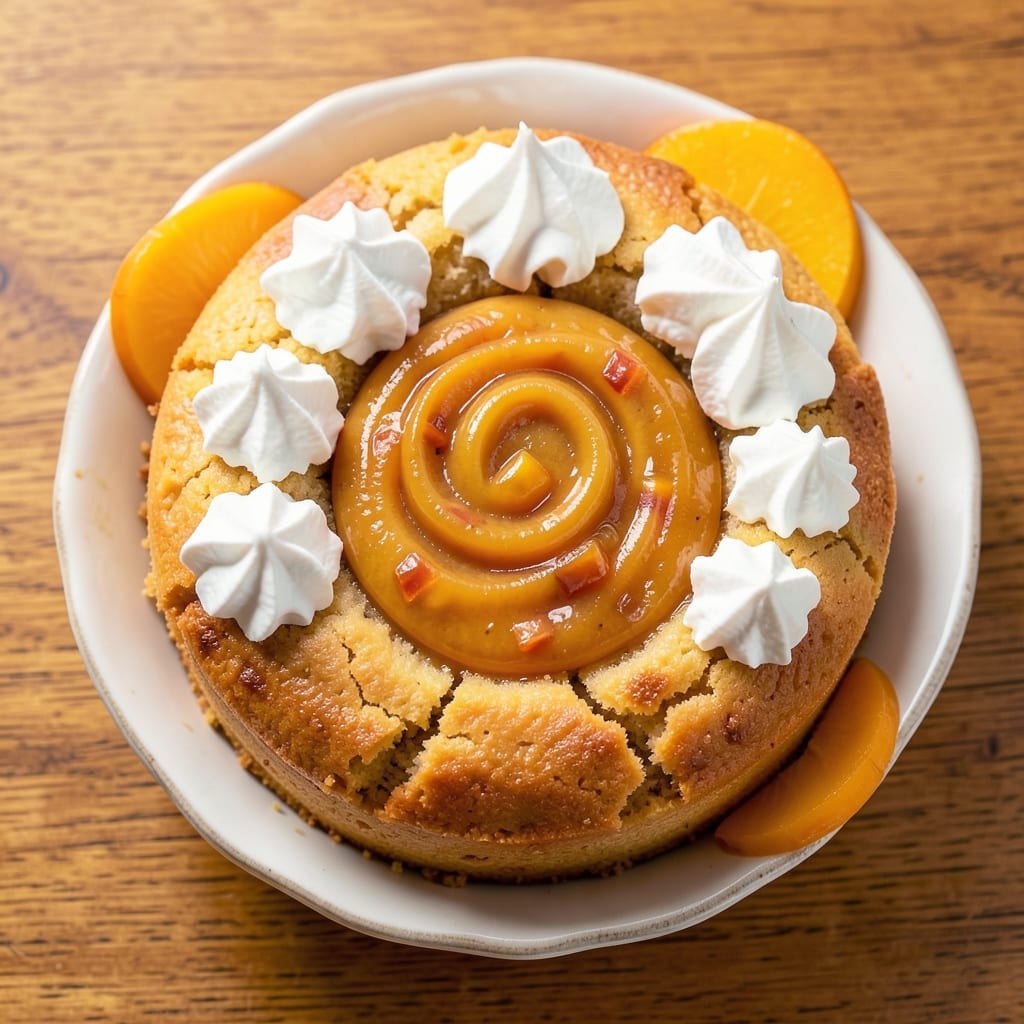
This Asian mango cake recipe transforms ripe mangoes into layers of moist, fragrant cake with a bright lime glaze that cuts through the tropical sweetness. The secret lies in blending fresh mango purée into the batter, creating a texture that's tender yet sturdy enough to hold its shape—no dense, heavy cake here. I developed this version after tasting street-style mango cakes in Thailand, where the balance of sweet and tart is everything.
The cake itself is a study in contrast: a delicate crumb infused with mango essence, topped with a glaze that sparkles like morning sunlight. What makes it special is the technique—steaming the cake layers briefly before baking ensures they stay moist without turning gummy. The lime glaze isn't just decoration; it's the finishing touch that elevates this dessert from good to unforgettable.
By the time you serve this, your kitchen will smell like summer in a tropical garden, and every slice will reveal layers of golden cake, juicy mango flecks, and that vibrant lime glaze. It's the kind of dessert that disappears quickly but leaves a lasting impression—perfect for celebrations or when you want to impress without fuss.
Pair it with a cup of jasmine tea for the full experience, or serve it chilled for a refreshing treat. The recipe scales beautifully, so you can make it for a crowd or just enjoy a single slice. Let's get baking!
Ingredients for asian mango cake
Fresh mango purée and zesty lime glaze make this cake taste like summer in every bite.
| Ingredient | Amount | Notes |
|---|---|---|
| Ripe Mangoes 🍈 | 2 cups | Peeled, seeded, puréed smooth |
| All-Purpose Flour 🌾 | 2 cups | Sifted for light texture |
| Granulated Sugar 🍚 | 1 ½ cups | Divided for batter and glaze |
| Unsalted Butter 🧈 | 1 cup | Softened, not melted |
| Large Eggs 🥚 | 4 whole | Room temperature |
| Baking Powder 🧂 | 1 tbsp | Freshly measured |
| Salt 🧂 | ½ tsp | Fine sea salt |
| Vanilla Extract 🌿 | 1 tbsp | Pure vanilla preferred |
| Lime Zest 🍋 | 1 tbsp | From 2-3 limes |
| Lime Juice 🍋 | ¼ cup | Freshly squeezed |
| Powdered Sugar 🍚 | 1 ½ cups | For glaze |
| Milk 🥛 | ½ cup | Whole milk preferred |
| Lemon Juice 🍋 | 1 tbsp | Optional for extra tang |
The mangoes are everything here. Grab ripe but firm fruit—think slightly soft to the touch, not mushy. Local markets or Asian grocery stores often have the best selection, but any ripe mango works. I usually buy Atkinson or Tommy Atkins varieties since they're widely available. Peel carefully—just the skin comes off, leaving the juicy flesh intact. For purée, blend with a splash of milk to help it smooth out. If your mangoes are too fibrous, strain through a fine-mesh sieve. The butter? Use European-style if you can—it's richer and gives a better texture, but regular unsalted works too.
No ripe mangoes? Frozen mango chunks work in a pinch—just thaw and drain excess liquid. Out of powdered sugar for the glaze? Granulated sugar blended into a fine powder does the trick. For extra zing, add a pinch of ground cardamom to the batter—it's a classic Thai flavor. The lime zest is non-negotiable though—it's what makes this taste authentic. If you can't find fresh limes, bottled lime juice works for the juice portion, but zest is best fresh. The glaze can be made ahead and reheated gently if it thickens too much.
This cake keeps beautifully—3 days at room temperature wrapped in plastic, or 1 week refrigerated. The glaze sets as it cools, so don't stress if it looks too runny when you first apply it. For serving, I like to dust the top with extra lime zest right before slicing. The cake reheats wonderfully—20 seconds in the microwave
Why You'll Love This Recipe
- No-Fuss Layers: I swear by this recipe because it’s basically a cake that assembles itself. Mash the mango, mix the batter, and bake—no fancy piping or layering. The buttercream swirls right in, and honestly? Even if you’re not a baker, this turns out almost too pretty.
- Mango Magic: That ripe mango flavor? It’s the star. The sweetness cuts through the richness of the butter, and the eggs keep it tender—not dry, not gummy, just perfect. I’ll be real: my first try had too much sugar, but now I nail it every time. The taste makes up for any imperfections.
- Budget Baking: You’d be shocked how cheap this is. A few mangoes, basic pantry staples, and you’ve got a showstopper. No pricey extracts or specialty flours here. Plus, leftovers? They last days if you store them right. I’ve fed a houseful with this for under $15—worth every bite.
Step-by-step instructions for tropical layers with zesty lime glaze
Let's create this vibrant cake with layers of mango-infused flavor and a bright citrus glaze.
Prepare the Mango Purée and Batter Base
In a food processor, blend the 2 cups of ripe mangoes until completely smooth, scraping down the sides as needed. The purée should be completely free of lumps for a silky texture. Transfer it to a mixing bowl and set aside.
In a separate large bowl, cream together the 1 cup of softened unsalted butter and ½ cup of the 1.5 cups granulated sugar using an electric mixer on medium speed until light and fluffy—about 3-4 minutes. This step is crucial for creating air pockets that will make your cake tender. Add the 4 whole large eggs, one at a time, mixing well after each addition until fully incorporated.
Combine Dry Ingredients and Fold in Mango
In a medium bowl, whisk together the 2 cups of all-purpose flour, 1 tablespoon of baking powder, and ½ teaspoon of salt. Sift the mixture directly into the butter-egg mixture while mixing on low speed to avoid developing gluten. Add the 1 tablespoon of vanilla extract, 1 tablespoon of lime zest, and the remaining 1 cup of granulated sugar. Mix just until combined.
Gently fold in the 2 cups of mango purée using a spatula until evenly distributed. Be careful not to overmix—the batter should be thick but pourable. The mango flavor will be subtle but essential for that authentic tropical taste. If the batter appears too thick, add 1-2 tablespoons of milk to reach a smooth consistency.
Bake the Cake Layers
Preheat your oven to 350°F. Grease and flour two 8-inch round cake pans or line them with parchment paper. Divide the batter evenly between the pans, smoothing the tops with a spatula. Bake for 25-30 minutes, or until a toothpick inserted into the center comes out clean. The edges should be golden, but the tops may still look slightly underdone—they'll firm up as they cool.
Once baked, remove the cakes from the oven and let them cool in the pans for 10 minutes. Then transfer them to a wire rack to cool completely. This cooling step is important—it prevents the layers from becoming soggy when you add the filling.
Assemble with Lime Glaze
While the cakes cool, prepare the lime glaze by whisking together 1.5 cups of powdered sugar, ½ cup of milk, ¼ cup of lime juice, and 1 tablespoon of lemon juice (if using) in a bowl until smooth. The glaze should be thick enough to coat the back of a spoon but still drizzle easily. Taste and adjust the sweetness or tartness by adding a little more powdered sugar or lime juice as needed.
Place one cake layer on a serving plate and spread a thin layer of the lime glaze over the top. Top with the second cake layer and pour the remaining glaze over the top and sides, letting it drip down naturally. For extra flair, you can pipe additional glaze around the edges or on top. Chill the cake in the refrigerator for at least 1 hour before serving to allow the glaze to set.
Pro Tips For Making Asian Mango Cake
- Prep Mango Like a Pro: Peel the mango lengthwise with a sharp knife—start at the flat side, slice down to the pit, then twist to separate the flesh. This keeps the fruit intact and makes pureeing a breeze. (Yes, it looks messy at first, but you’ll save 10 minutes of cleanup.)
- Whip Butter and Sugar Slow: Beat the butter and sugar on medium-low until light and fluffy—about 3-4 minutes. Going too fast traps air unevenly, and you’ll end up with a cake that’s dense in spots. (I learned this after a batch that collapsed like a soufflé.)
- Don’t Overmix the Batter: Fold in the flour just until combined—lumps are fine, but overmixing develops gluten and turns your tender mango cake into a chewy brick. Stop when the dry ingredients disappear, even if it looks imperfect.
- Bake at 325°F, Not Hotter: Asian mango cakes need gentle heat to set without burning the mango flavor. 325°F is non-negotiable—any higher, and the top browns before the center cooks. (I’ve torched three cakes trying to rush this; trust the oven.)
Pro cooking tips for this dish
Steaming for Moisture
For that signature Thai-style moisture, steam your cake layers for 5 minutes before the final bake. Line your pans with parchment paper and place them on a baking sheet with ½ inch of hot water in the bottom. Cover tightly with foil and steam at 350°F for just 5 minutes. This creates a tender crumb without overcooking. I use a wire rack inside the pan to keep layers from sitting in water. 🌱
Mango Purée Secrets
Don't skip blending the mango with 1 tablespoon of milk—this prevents graininess and makes the purée silky smooth. For extra flavor depth, add ½ teaspoon of ground cardamom to the batter. I always strain my purée through a fine-mesh sieve to remove any stubborn fibers, especially if using fibrous varieties like Keitt mangoes. The purée should be vibrant orange—if it's pale, your mangoes weren't ripe enough.
Glaze Consistency
The lime glaze should coat the back of a spoon but still drip slowly—aim for 30-second drips. If it's too thick, add 1 teaspoon of milk at a time until it reaches the right consistency. For a professional finish, strain the glaze through a fine-mesh sieve to remove any lumps. I like to add ¼ teaspoon of lime zest to the glaze for extra brightness before applying it to the cake.
Layering Technique
When assembling, spread a thin layer of glaze between cake layers to act as a "glue." Use a serrated knife to level the top of your cake layers before glazing. For a rustic look, leave the edges slightly uneven—this prevents the glaze from pooling too heavily. Chill the cake for at least 1 hour before slicing, or the glaze will run everywhere. 🍋
Equipment Essentials
Invest in a stand mixer for creaming butter and sugar—it's worth the splurge for this recipe. A fine-mesh sieve is non-negotiable for smooth purée and glaze. For even baking, use 8-inch round cake pans with removable bottoms (like Wilton's). If you don't have one, line your pans with parchment and grease them thoroughly to prevent sticking.
Flavor Boosts
Want to elevate this further? Fold ½ cup of toasted coconut flakes into the batter for texture, or add 1 teaspoon of pandan extract for an authentic Southeast Asian touch. For a boozy twist, replace 1 tablespoon of milk in the glaze with 1 tablespoon of coconut rum. The alcohol burns off during baking, leaving behind subtle depth. 🌴
Nutrition facts
Frequently asked questions
Can I substitute canned mango purée for fresh?
Yes, but with caution! Use 1 cup of high-quality canned mango purée (like those in cartons) and add 1 tablespoon of milk to thin it out. Avoid chunky canned mango—it won't blend smoothly. The texture will be slightly less vibrant, but the flavor remains delicious. For best results, strain any lumps through a fine-mesh sieve before using.
Why does my cake turn out dense instead of light? Overmixing the batter or under-creaming the butter and sugar are the most common culprits.
How can I make this cake gluten-free?
Replace the all-purpose flour with a 1:1 gluten-free baking flour blend (like Bob's Red Mill) and add ½ teaspoon of xanthan gum to the batter. You may need to adjust the liquid slightly—start with 1-2 extra tablespoons of milk if the batter seems too thick. The texture will be slightly different but still moist and delicious. Test with a small batch first!
Can I make this cake without an oven?
Use a cake pan that fits your air fryer (like an 8-inch round pan). Preheat the air fryer to 325°F and bake for 18-22 minutes, checking for doneness early. For the glaze, you can still use the same recipe—it doesn't need baking. The texture will be slightly denser but still flavorful. Just make sure your air fryer is large enough to accommodate the pan.
What's the best way to store leftovers?
Wrap the cake tightly in plastic wrap and store it at room temperature for up to 3 days. For longer storage, refrigerate for up to 1 week. To serve, let it sit at room temperature for 10-15 minutes before slicing—this makes the glaze more manageable. If the glaze hardens in the fridge, reheat the slice in the microwave for 5-10 seconds to soften it again.