
Desserts
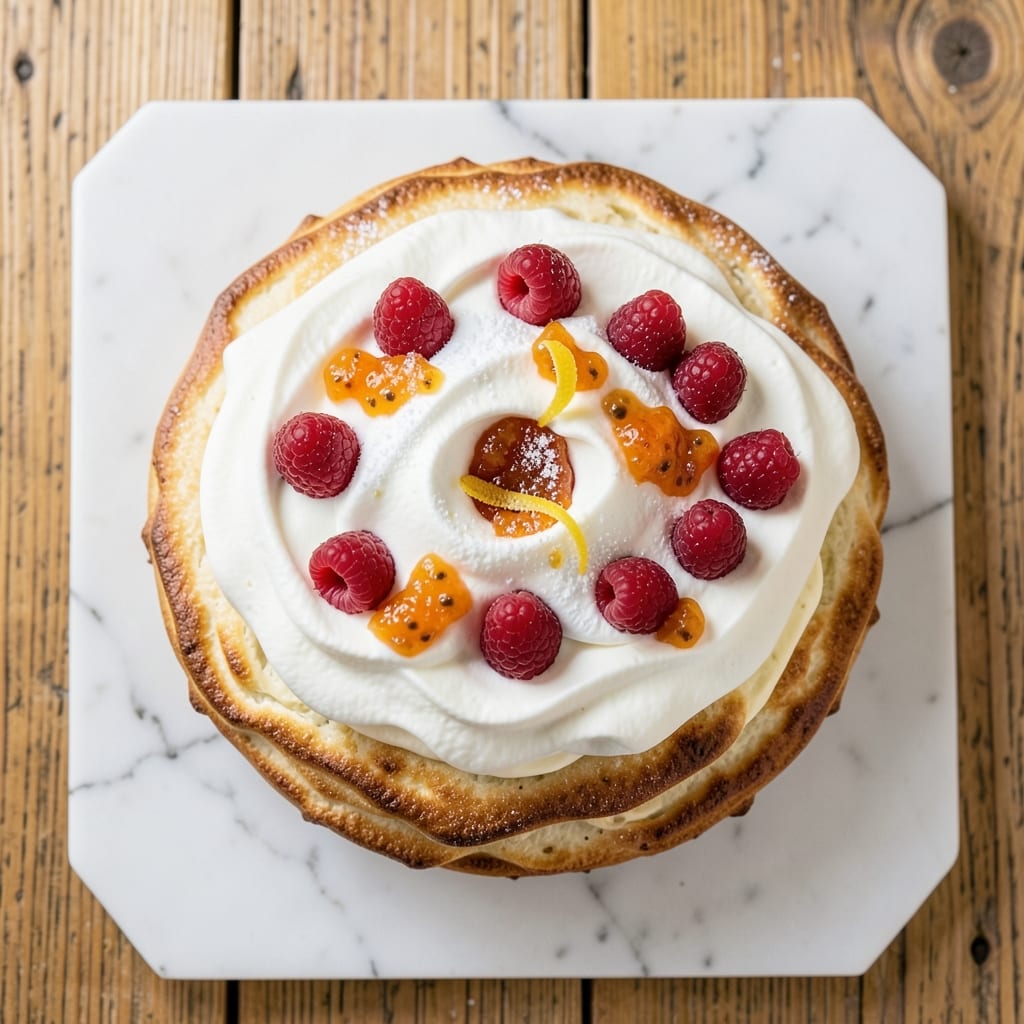
This Australian pavlova cake recipe delivers the perfect balance of crispy meringue, light whipped cream, and tangy kiwi fruit topping—an iconic dessert that's surprisingly simple to master. The secret lies in carefully whipping egg whites to stiff peaks and baking at a low temperature to create that signature crisp exterior and marshmallow-like center. I've perfected this technique over years of baking, and it never fails to impress.
The foundation of a great pavlova is the meringue base, made with egg whites, sugar, and cornstarch for stability. Baking it at just 250°F ensures it stays perfectly white without browning, while the cooling process creates those delicate cracks that make it so visually appealing. This traditional Australian dessert pairs beautifully with fresh fruit toppings, though modern variations like chocolate ganache or citrus zest work equally well.
Once cooled, you'll assemble the pavlova with fluffy whipped cream and your choice of fruit—kiwi's natural tang cuts through the sweetness perfectly. The result is a dessert that's light yet rich, crisp yet tender, with layers of flavor in every bite. It's the kind of showstopper that makes any gathering feel special, yet simple enough for weeknight dessert cravings.
Whether you're celebrating a holiday or simply craving something sweet, this pavlova delivers restaurant-quality results at home. The key is patience—letting the meringue cool completely before adding toppings ensures everything stays perfectly in place. Let's create this classic Australian dessert together.
Ingredients for australian pavlova cake
Six key ingredients transform into Australia's most iconic dessert—crisp meringue meets tangy kiwi perfection.
| Ingredient | Amount | Notes |
|---|---|---|
| Large Egg Whites 🥚 | 5 whole | Room temperature for best volume |
| Granulated Sugar 🍚 | 1 ¼ cups | Superfine preferred for smooth texture |
| Cornstarch 🌾 | 1 tbsp | For meringue stability |
| White Vinegar 🍶 | ½ tsp | Acid stabilizes egg whites |
| Unsalted Butter 🧈 | ¼ cup | Softened, for greasing pan |
| Heavy Whipping Cream 🥛 | 2 cups | Cold, full-fat for best whipping |
| Powdered Sugar 🍚 | 1 cup | For whipped cream sweetness |
| Vanilla Extract 🌿 | 1 tsp | Pure vanilla for authentic flavor |
| Ripe Kiwis 🥝 | 3 whole | Peeled, sliced for topping |
| Lemon Zest 🍋 | 1 tsp | Brightens fruit topping |
| Salt 🧂 | ¼ tsp | Fine sea salt for meringue |
The egg whites are non-negotiable—use room temperature ones for maximum volume. I always grab large eggs from Whole Foods or the organic section at Kroger for the best results. The sugar should be superfine if you can find it (like Domino brand), but regular granulated works in a pinch—just pulse it in a food processor first. Cornstarch is your meringue's secret weapon for stability, and the vinegar (just a splash!) acts as a stabilizer. For the butter, Land O'Lakes unsalted is my go-to—it's always reliable.
No superfine sugar? Pulse regular sugar in a blender for 30 seconds—game changer. Running out of vinegar? Lemon juice at half the amount works too. The whipped cream needs to be cold—pop it in the freezer for 10 minutes before whipping if your kitchen runs warm. Kiwis should be ripe but firm—the ones with slight give when squeezed. Overripe ones get mushy when sliced. For extra tang, add a splash of kiwi juice to the whipped cream mixture. The lemon zest? Organic is best—it's brighter and more aromatic.
This meringue needs complete cooling before adding toppings—at least 2 hours, preferably overnight. Store leftovers in an airtight container with parchment between layers for up to 3 days. Freeze for 1 month if you're prepping ahead, but bring to room temp before serving. The whipped cream should be used within 4 hours of making—it won't hold its shape overnight. For a showstopper presentation, dust with extra powdered sugar or edible gold flakes right before serving.
Why You'll Love This Recipe
- No Fuss, Big Payoff: I’ll be real—this pavlova is not the fussy meringue you think. Just egg whites, sugar, and a splash of vinegar whipped into clouds, baked until golden. The cornstarch keeps it crisp without the stress of overbaking, and honestly? It’s forgiving if you rush.
- Crispy Outside, Cloud Inside: That crackly shell with a marshmallow center? Chef’s kiss. The vinegar kick cuts through the sweetness just enough, and the butter in the topping—oh, the butter—turns it into something dangerously addictive. It’s the kind of dessert that makes you pause mid-bite.
- Showstopper for Any Event: Between us, I’ve served this to book clubs, lazy Sundays, and even a last-minute dinner party. Top it with whipped cream and berries for a crowd, or keep it simple with lemon curd if you’re feeding picky eaters. It’s the one dessert that always feels special without the drama.
Step-by-step instructions for Australian pavlova cake
This meringue masterpiece delivers crispy edges, marshmallow centers, and a tangy kiwi topping that balances sweetness perfectly.
Prepare the Meringue Base
Preheat your oven to 250°F and line a baking sheet with parchment paper. In a spotless, grease-free bowl, combine the 5 whole large egg whites with the 0.25 tsp salt. Using a stand mixer fitted with the whisk attachment, beat on medium speed until soft peaks form.
Gradually add the 1.25 cups granulated sugar and the 1 tbsp cornstarch while continuing to beat. Increase speed to high and beat for 8-10 minutes until the meringue is glossy and holds stiff peaks that stand straight up when the whisk is lifted. The bowl should feel cool to the touch—this indicates proper aeration.
Transfer the meringue to a piping bag fitted with a large round tip. Pipe a 6-inch circle onto the prepared baking sheet, creating a slight well in the center. Spread the edges gently with a spatula to create a thick, even crust. Bake for 1 hour and 15 minutes until the meringue is crisp on the outside and marshmallowy inside.
Add the Whipped Cream Layer
While the meringue cools, prepare the whipped cream filling. In a chilled bowl, beat the 2 cups cold heavy whipping cream with the 1 cup powdered sugar and 1 tsp vanilla extract until soft peaks form. Spread the cream evenly over the cooled meringue base, leaving a ½-inch border around the edges.
Here's the thing—don't rush this step. The cream should be thick but still spreadable, and it should sit flat on the meringue without sagging. If it's too runny, chill the bowl for another 10 minutes before trying again. The cream needs to hold its shape while the meringue sets completely.
Prepare the Kiwi Topping
Peel the 3 whole ripe kiwis and slice them into ¼-inch thick rounds. Toss the kiwi slices with the 1 tsp lemon zest and the 0.5 tsp white vinegar. This brightens the flavor and prevents browning. Arrange the kiwi slices in an overlapping pattern on top of the cream layer, creating a decorative border around the edges.
Let the pavlova sit at room temperature for 1 hour before serving. This allows the cream to set slightly and the flavors to meld. The kiwi will soften just enough to release its juices, creating a beautiful glaze that enhances the tangy contrast with the sweet meringue.
Final Touches and Serving
Just before serving, run a small spatula around the edges of the pavlova to loosen it from the parchment paper. Carefully transfer it to a serving plate. The meringue should hold its shape but still have that signature crispy exterior and soft center.
Slice into 6 equal wedges using a sharp knife. Each piece should reveal the layers of crispy meringue, creamy filling, and vibrant kiwi topping. Serve immediately for the best texture contrast—warm meringue with cool cream and fresh fruit is pure magic.
Pro Tips For Making Australian Pavlova Cake
- Whisk Egg Whites Cold: Pull the bowl of egg whites out of the fridge first—cold whites whip faster and hold their shape better. I used to bring them to room temp, thinking it’d help, but they’d turn grainy and collapse. Trust me, cold is key here.
- Sift That Sugar: Don’t just dump the sugar—sift it over the egg whites in a fine, even layer. This prevents clumps and lets the meringue set up smoothly. I learned this after a lumpy pavlova that looked like a failed soufflé.
- Bake Low and Slow: Preheat the oven to 120°C (250°F) and bake for 1 hour and 15 minutes—no rushing. High heat makes the outside set too fast while the inside stays undercooked. I’ve cracked open pavlovas that were raw in the middle, and it’s a crime.
- Brush Butter Fast: While the pavlova is still warm, brush the butter over the top immediately—it softens the crust and adds shine. Let it cool completely before adding fruit, or the butter will melt into a sticky mess. (Yes, I’ve done that too.)
Perfect pairings for australian pavlova cake
Fruit Topping Ideas
Fresh kiwi is the classic choice, but you can mix it up with seasonal fruits. Try passionfruit pulp drizzled over the cream for a tropical twist—it adds a citrusy tang that pairs perfectly. For summer, strawberries and raspberries create a vibrant, berry-forward dessert. In winter, poached pears or figs with a drizzle of honey add rich, jammy notes that complement the meringue's crispness. 🍓
Cream Variations
Skip the vanilla and swap in passionfruit curd mixed into the whipped cream for a tangy kick. For chocolate lovers, fold ½ cup melted dark chocolate (60% cocoa) into the cream before whipping—it adds depth without overpowering. A coffee-infused cream (steep 1 tbsp instant espresso in warm cream before chilling) works beautifully with berries. Always chill your cream bowl thoroughly to ensure peak volume.
Boozy Upgrades
Add 1 tbsp elderflower liqueur to the whipped cream for a floral note that brightens the fruit. A splash of orange liqueur (like Cointreau) complements citrus zest toppings wonderfully. For a non-alcoholic option, infuse the cream with orange or rose water (¼ tsp) for an aromatic touch.
Replace the fruit topping with caramelized banana slicesModern Twists
Warm Sauces
Drizzle the pavlova with warm passionfruit sauce (simmer pulp with 2 tbsp sugar and 1 tsp cornstarch) right before serving. A raspberry coulis (blend raspberries with 1 tbsp honey) adds a glossy, vibrant finish. For a spiced option, warm ginger-soy caramel (reduce ½ cup soy sauce with 2 tbsp brown sugar and 1 tsp grated ginger) and drizzle over the cream layer. These warm elements contrast beautifully with the cool meringue.
Presentation Tips
Use a ring mold to shape the meringue for a clean, restaurant-style presentation. Dust the edges with powdered sugar or edible gold flakes for extra elegance. For a rustic look, arrange fruit in a circular pattern around the base of the plate. Serve individual slices on parchment-lined plates to keep the meringue crisp. Always slice just before serving to maintain texture contrast—warm meringue with cool cream is pure magic. ✨
Nutrition facts
Frequently asked questions about Australian pavlova cake
Why does my meringue crack so much?
Cracking is actually normal and part of the pavlova's charm! The meringue needs to cool completely before adding toppings—rushing this step causes the cream to melt the meringue's surface. Let it sit at room temperature for at least 2 hours (overnight is best) before assembling. Also, make sure your oven is fully preheated to 250°F and the meringue bakes evenly without browning.
Can I make pavlova ahead of time?
The meringue base can be baked 1 day ahead and stored in an airtight container with parchment between layers. Add the whipped cream and fruit toppings just before serving to keep everything fresh. For a fully assembled pavlova, refrigerate for up to 4 hours—just let it sit at room temperature for 30 minutes before serving to restore texture contrast.
What's the difference between pavlova and meringue pie?
Pavlova is all about the crispy-yet-light meringue shell with soft centers, while meringue pie typically has a firm, cake-like texture throughout. The key is baking pavlova at 250°F for 1 hour 15 minutes—low heat creates that signature marshmallow interior. Meringue pie bakes at higher temps (350°F) for a firmer texture, often with a pastry crust base.
How do I fix runny whipped cream?
Cold is your friend! Chill your mixing bowl and beaters in the freezer for 10 minutes before whipping. Use cold heavy cream straight from the fridge and add powdered sugar gradually. If it's already too soft, try adding 1 tsp cornstarch mixed with 1 tsp powdered sugar and whip again. For best results, whip cream at high speed for 3-4 minutes until stiff peaks form.
Can I substitute kiwi with other fruits?
Kiwi's tanginess cuts through the sweetness, but you can use passionfruit pulp, strawberries, or even poached pears. For tropical flavors, try mango or pineapple. The key is balancing sweetness—add a squeeze of lemon juice to any fruit to enhance its natural acidity. Just slice fruits thinly so they don't make the meringue soggy.