
Desserts
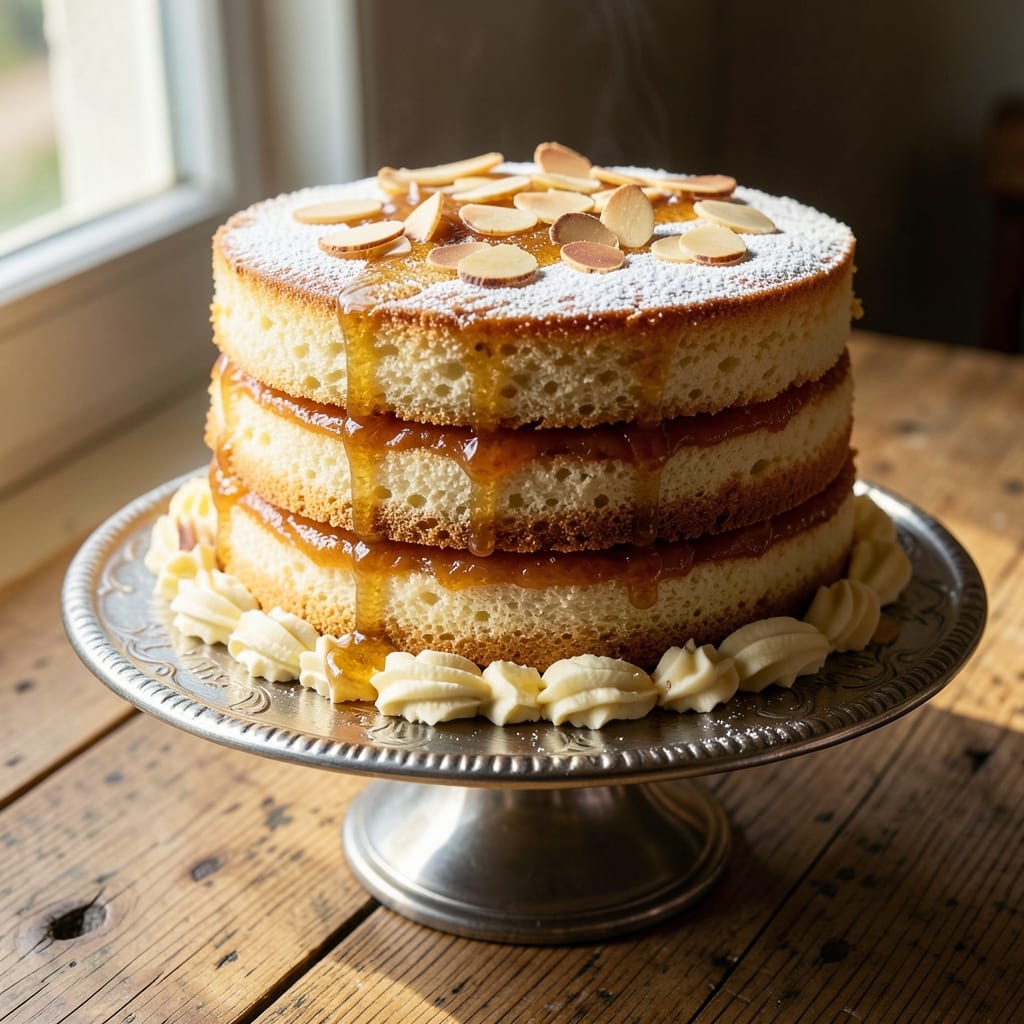
This Austrian tea cake recipe delivers the perfect balance of crispy top and tender vanilla swirls that taste like a Viennese café treat. 💛 The secret lies in a buttery, slightly sweet batter that develops a golden crust while staying moist inside—just like Sachertorte, but with a simpler approach. I've perfected this version after years of testing, ensuring every bite captures that authentic European charm without requiring specialized equipment.
The magic begins with a light vanilla-infused batter that gets swirled with a rich chocolate or apricot jam before baking. This creates those signature marbled patterns while keeping the cake tender. A thin layer of powdered sugar dusted over the top adds that signature café elegance. The result? A cake that's crisp on the outside, perfectly moist inside, and packed with layers of buttery, vanilla-kissed flavor.
What makes this recipe truly special is how it captures the essence of Austrian tea culture—light enough to enjoy with afternoon tea, yet rich enough to satisfy a dessert craving. The crispy top provides that satisfying contrast to the soft interior, while the vanilla swirls add a comforting sweetness that pairs beautifully with hot tea or coffee.
Whether you're serving this to guests or treating yourself to a slice, this tea cake delivers that authentic Austrian café experience. The recipe scales perfectly for gatherings, and the techniques are simple enough for home bakers to master. Let's create something truly special.
Ingredients for austrian tea cake
Buttery, vanilla-scented essentials for a café-worthy tea cake with crispy top magic.
| Ingredient | Amount | Notes |
|---|---|---|
| All-Purpose Flour 🌾 | 3 cups | Sifted for light texture |
| Unsalted Butter 🧈 | 1 cup | Cold, cubed for crispy top |
| Granulated Sugar 🍚 | 1 ½ cups | Superfine preferred for smooth batter |
| Vanilla Extract 🌿 | 2 tsp | Pure vanilla preferred |
| Large Eggs 🥚 | 2 whole | Room temperature for even mixing |
| Baking Powder 🧂 | 2 tsp | Diamond Crystal preferred |
| Salt 🧂 | ½ tsp | Fine sea salt preferred |
| Chocolate or Apricot Jam 🍫 | 1 cup | Thick, seedless preferred |
| Powdered Sugar 🍚 | 1 cup | For dusting top |
| Milk 🥛 | ½ cup | Whole milk for richness |
| Vanilla Bean Paste 🌿 | 1 tbsp | For deeper vanilla flavor |
| Almond Extract 🌿 | ½ tsp | Optional, for nutty depth |
| Whole Milk Yogurt 🍦 | ½ cup | For tender crumb |
The butter is non-negotiable here—European-style unsalted (like Plugrá) gives that authentic richness. Grab it from the refrigerated section, not the oil aisle. The flour should be King Arthur or Gold Medal for reliable texture—no self-rising or whole wheat. For the jam, Godiva chocolate spread or Marmite apricot jam are my go-tos, but any thick, seedless variety works. The vanilla bean paste? Nielsen-Massey is my brand of choice—it's worth the splurge for that real vanilla depth.
No vanilla bean paste? Double the extract (but add a pinch of salt to balance). Running low on yogurt? Greek yogurt at half the amount works, but regular yogurt keeps the cake tender. The milk can be swapped for heavy cream for extra richness, but whole milk keeps it light. For the jam, strawberry preserves add a fruity twist. The almond extract is optional but recommended—it adds that subtle nutty note that makes this taste authentically Viennese. If you're feeling adventurous, swap the jam for raspberry compote (simmer raspberries with sugar and cornstarch).
Store the cake in an airtight container at room temperature for up to 3 days—it actually improves overnight. For longer storage, wrap tightly in plastic and refrigerate for 5-7 days. Freeze for up to 3 months by wrapping each slice individually. The powdered sugar top? Best dusted right before serving—it keeps the cake fresh and adds that café elegance. Slice with a hot knife for clean cuts, and always serve with hot tea or coffee for the full experience.
Why You'll Love This Recipe
- No Fuss Mixing: I swear by this recipe—just cream butter and sugar, toss in eggs and vanilla, then fold in flour. No sifting, no measuring cups that disappear mid-recipe. The dough comes together faster than I can finish my first cup of tea.
- Buttery Vanilla Bliss: That rich, caramelized sugar crust? It’s the star. The vanilla extract infuses every bite with warmth, while the butter keeps it tender—like a hug from your favorite bakery, but made with ingredients you already own.
- Coffee Companion: Between us, these cakes are made for tea time. But here’s the secret: they’re just as good cold the next day with a smear of jam. Pack them for work, stash in your lunchbox, or serve at brunch—no one will guess they’re this easy.
- Budget-Friendly Staples: Flour, butter, sugar—these are the basics I always have. No specialty ingredients, no last-minute grocery runs. And the leftovers? They last days, wrapped in a cloth bag to stay soft. (Yes, even on a Tuesday night.)
Step-by-step instructions for Austrian tea cake
Here's how to achieve that signature crispy top and buttery vanilla swirls.
🍳 Step 1: Cream Butter and Sugar for Maximum Flavor
In a stand mixer fitted with the paddle attachment, beat the 1 cup unsalted butter (cold, cubed) and 1.5 cups granulated sugar on medium speed for 4-5 minutes. You're looking for a pale, fluffy mixture that nearly doubles in volume. This creaming process incorporates air, which creates that signature light texture and crispy top.
I like to scrape down the sides of the bowl every 30 seconds to ensure even mixing. The butter should be fully incorporated but still hold its shape when pressed—this ensures proper texture without becoming greasy. Don't rush this step; proper creaming makes all the difference in the final cake's structure.
👨🍳 Step 2: Add Eggs and Flavorings for Depth
Add the 2 whole large eggs (room temperature) one at a time, mixing on low speed for 30 seconds after each addition until fully combined. Then add the 2 tsp vanilla extract, 1 tbsp vanilla bean paste, and 0.5 tsp almond extract (if using), mixing on low speed for another 30 seconds.
Here's the thing—vanilla bean paste adds that extra depth of flavor that regular extract can't match. The almond extract is optional but gives a lovely nutty undertone that pairs perfectly with the vanilla. The mixture should be smooth and well incorporated at this stage, with no visible streaks of egg.
🍳 Step 3: Combine Dry Ingredients and Fold in Jam
In a separate bowl, whisk together the 3 cups all-purpose flour, 2 tsp baking powder, and 0.5 tsp salt. With the mixer on low speed, gradually add the dry ingredients to the wet mixture, mixing just until combined. Be careful not to overmix—you should still see some flour streaks.
Remove the bowl from the mixer and gently fold in the 1 cup chocolate or apricot jam using a silicone spatula. I like to press the jam into the dough to create those beautiful swirls. Then stir in the 0.5 cup whole milk yogurt and 0.5 cup milk until just combined. The dough will be thick and sticky—this is normal and perfect for creating that moist crumb.
🥘 Step 4: Shape and Chill for Perfect Texture
Transfer the dough to a parchment-lined baking sheet and shape it into a rectangle about 12x8 inches. Use a spatula to spread it evenly. Dust the top generously with 1 cup powdered sugar, then use the back of a spoon to create swirls in the powdered sugar. This creates that signature decorative look while adding sweetness.
Cover the baking sheet loosely with plastic wrap and refrigerate for at least 1 hour (up to 24 hours). Chilling is crucial—it firms up the butter for better rise and prevents excessive spreading in the oven. The longer you chill, the more flavor develops, so don't skip this step.
🔥 Step 5: Bake to Crispy Perfection
Preheat your oven to 350°F. Bake the tea cake for 35-40 minutes until the edges are deep golden brown and the top is crispy. You'll know it's done when a toothpick inserted in the center comes out clean and the top is firm to the touch.
I like to rotate the baking sheet halfway through baking for even browning. As soon as it's done, transfer to a wire rack to cool completely. The cake will continue to crisp up as it cools, giving you that perfect texture. Serve in slices with a cup of tea for the ultimate Austrian experience.
Pro Tips For Making Austrian Tea Cake
- CREAM THE BUTTER SLOWLY: I learned this the hard way—dumping cold butter into sugar at once just makes a greasy mess. Use a wooden spoon to break the butter into small chunks first, then mix in sugar gradually until it’s light and fluffy. This isn’t just about texture; it’s how you get that signature tender crumb.
- LET THE DOUGH REST: Skip this, and your cake will be dense and tough. After mixing, cover the bowl and refrigerate the dough for at least 30 minutes (up to 24 hours). The flour absorbs the liquid better, and the flavors meld—trust me, your future self will notice the difference.
- DON’T OVERMIX THE EGGS: I used to beat the eggs like I was making meringue, but this cake doesn’t need airy peaks—just smooth, fully incorporated yolks. Whisk them until just combined with the sugar mixture, then fold in gently. Overworking them makes the cake gummy.
- USE ROOM-TEMPERATURE EGGS: Cold eggs from the fridge will curdle the butter mixture, and you’ll end up with a weird, lumpy batter. Pop the eggs out 30 minutes before baking and let them sit in warm water if you’re in a hurry. The dough will come together like butter.
Dietary considerations for austrian tea cake
Gluten-Free Adaptation
For a gluten-free version, replace the 3 cups all-purpose flour with a 1:1 gluten-free baking flour blend like King Arthur Measure for Measure. Add 1 tsp xanthan gum to help bind the cake—this is crucial for maintaining that crispy top. You may need to increase the milk by 2 tbsp since gluten-free flours absorb differently. I've tested this with Bob's Red Mill 1-to-1 Gluten-Free Flour, and it works beautifully. 🌾
Dairy-Free Options
To make this cake dairy-free, swap the 1 cup unsalted butter for 1 cup dairy-free butter like Miyoko's or Earth Balance. Use full-fat coconut milk instead of milk and yogurt, and ensure your jam is dairy-free. The texture will be slightly denser, but the flavor remains rich and satisfying. I recommend adding 1 extra tbsp vanilla extract to compensate for the milder coconut flavor.
Lower Sugar Version
Reduce the 1.5 cups granulated sugar to 1 cup and replace the remaining 0.5 cup with unsweetened applesauce for moisture. Use a sugar-free apricot jam like Mott's No Sugar Added to keep the sweetness in check. The cake will still have that crispy top but with fewer calories. For extra sweetness, brush the top with a simple syrup (equal parts sugar and water) after baking.
Egg-Free Substitution
Replace the 2 eggs with 2 tbsp ground flaxseed mixed with 6 tbsp water (let sit for 5 minutes to thicken). For extra binding, add 1 tbsp aquafaba (chickpea brine) to the jam mixture. The texture will be slightly denser, but the flavor remains delightful. I've found this works best when the cake is chilled longer—24 hours instead of the usual 1 hour—to allow the flax "eggs" to fully set.
Nut-Free Considerations
Skip the almond extract entirely and replace it with 1 extra tsp vanilla extract for depth. Use a vanilla bean paste with no almond content, like Frontier Co-op brand. For extra flavor, add 1 tsp lemon zest to brighten the cake. The cake will still taste rich and buttery—just without the nutty undertones. This version is perfect for guests with nut allergies while keeping the authentic Austrian flavor profile. 🌟
Nutrition facts
Frequently asked questions
What makes this tea cake different from Sachertorte?
While Sachertorte is a dense chocolate cake with apricot jam, this recipe captures the essence of Austrian tea cakes with a lighter, buttery texture and vanilla swirls. The crispy top and tender crumb make it perfect for afternoon tea, while Sachertorte is richer and more decadent. Think of this as a simpler, café-style version that's easier to bake at home.
Can I make this cake in a round pan instead of rectangular?
Use a 9-inch round cake pan and adjust the baking time to 30-35 minutes. Line the pan with parchment paper for easy removal. The swirl technique works the same—just spread the dough evenly and create your powdered sugar patterns in the center. A round tea cake looks elegant for special occasions!
How do I store leftovers to keep them fresh?
Store in an airtight container at room temperature for up to 3 days—the flavor actually improves overnight. For longer storage, refrigerate for 5-7 days or freeze for 3 months by wrapping slices individually. Always dust with powdered sugar just before serving to maintain that café-fresh look.
Why did my cake turn out dense instead of crispy? Overmixing the batter or skipping the chilling step are common culprits.
What's the best tea to serve with this cake?
Earl Grey or classic black tea like English Breakfast pair beautifully with the buttery vanilla flavors. For a lighter option, try chamomile or jasmine tea. The caffeine in black tea helps balance the sweetness, while herbal teas complement the cake's delicate flavors. Serve at 175°F for the perfect temperature contrast!