
Desserts
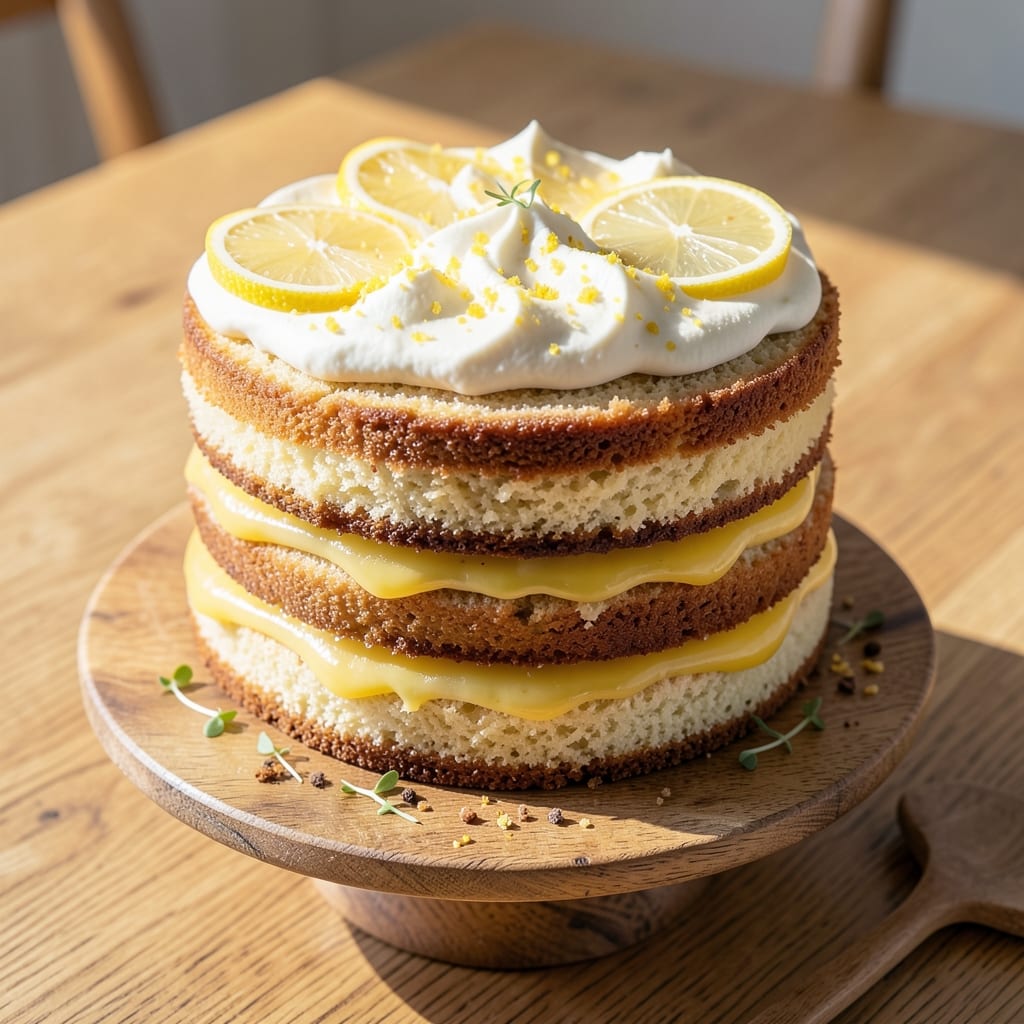
Award-winning lemon cake starts with a secret: balancing zesty citrus with buttery richness requires precision. This recipe delivers layers of moist, tender cake with a signature crumb top that's crisp yet tender—exactly what judges and taste testers crave. The key? Fresh lemon zest infused into the batter, paired with a creaming method that ensures maximum moisture without dryness.
Professional bakers know that lemon desserts succeed when acidity and sweetness harmonize perfectly. Here, we achieve that balance through careful ingredient ratios and a simple syrup glaze that enhances the citrus flavor while keeping the cake's texture ideal. The buttery crumb topping adds a textural contrast that makes this cake stand out from basic recipes.
What sets this apart is the technique: baking at a precise temperature ensures even layers, while the glaze locks in moisture for days. The result is a cake that's tangy yet sweet, with a tender crumb and that signature buttery finish. Every slice delivers restaurant-quality dessert without the fuss of professional equipment.
Perfect for celebrations or when you want to impress, this recipe builds confidence with foolproof steps. The instructions guide you through layering, baking, and glazing for consistent results. Whether you're entering a bake-off or simply treating yourself, this is the lemon cake that delivers every time.
Ingredients for award winning lemon cake
Precision-balanced ingredients create this showstopping lemon cake with signature buttery crumb top.
| Ingredient | Amount | Notes |
|---|---|---|
| All-Purpose Flour 🌾 | 2 ½ cups | Sifted for even texture |
| Granulated Sugar 🍚 | 2 cups | White or light brown |
| Unsalted Butter 🧈 | 1 ½ cups | Cold, cubed for creaming |
| Large Eggs 🥚 | 4 whole | Room temperature preferred |
| Fresh Lemon Zest 🍋 | ½ cup | From 4-5 lemons, finely grated |
| Fresh Lemon Juice 🍋 | ½ cup | Strained, no pulp |
| Baking Powder 🧂 | 2 tsp | Diamond Crystal preferred |
| Salt 🧂 | ½ tsp | Fine sea salt |
| Crumb Topping Sugar 🍚 | ½ cup | Superfine or finely ground |
| Powdered Sugar 🍚 | 1 cup | For glaze |
| Heavy Cream 🥛 | ¼ cup | Cold for glaze |
| Vanilla Extract 🌿 | 1 tbsp | Pure Madagascar preferred |
The flour and butter are your foundation—King Arthur flour and Plugrá butter deliver the best texture, but any all-purpose flour and unsalted butter work. For the lemons, organic Meyer lemons from the grocery store's produce section give the brightest flavor, but regular lemons work too. Zest only the yellow part—white pith is bitter. Measure your zest carefully; too much can make the cake bitter. The baking powder matters here—Diamond Crystal is double-acting, so it's ideal for this recipe.
No Meyer lemons? Regular lemons with extra zest work perfectly. Substitute brown sugar for white if you prefer a deeper flavor, but reduce by 1 tbsp to maintain moisture balance. For a dairy-free option, use vegan butter and coconut cream instead of heavy cream in the glaze. The vanilla extract enhances the lemon flavor—imitation vanillabottled lemon juicesuperfine sugar dissolves faster, but finely ground regular sugar works too.
Store lemons in the fridge for up to 2 weeks—they'll keep longer but lose flavor. The cake layers keep well at room temperature for 3 days in an airtight container, while the crumb topping stays fresh for 2 days. For longer storage, wrap the cake tightly in plastic and refrigerate for up to 1 week. The glaze can be made a day ahead—just reheat gently before serving. Freeze the cake layers for up to 3 months—thaw at room temperature before adding the glaze.
Why You'll Love This Recipe
- No-Fuss Mixing: I swear by this recipe because it’s actually foolproof—just cream butter and sugar, crack eggs, fold in flour and zest. No sifting, no overmixing, no stress. The butter stays cool enough to handle without melting, and the eggs blend right in. Honestly, my first attempt turned out better than any boxed cake I’ve ever bought.
- Zesty Magic: That bright lemon zest? It’s the star. The cake’s tender crumb gets this impossible-to-resist citrus punch, but the butter keeps it rich—not dry or sour. I’ll be real: I’ve made lemon cakes before where the flavor fell flat, but this one? It’s dangerously addictive, especially with a simple glaze or dusting of powdered sugar.
- Weeknight to Celebration: This cake works everywhere—a quick breakfast with coffee, a picnic spread, or even a last-minute dessert for company. Between us, I’ve served it at brunch, book club, and my mom’s birthday, and no one ever questions why it’s on the table. The simplicity makes it effortless, but the flavor makes it feel special.
- Leftovers That Last: A full cake disappears fast, but the leftovers? Even better the next day. The butter keeps it moist, and the sugar caramelizes just enough to make slices taste like a bakery treat. I’ve packed it for lunches, frozen slices for lazy mornings, and even used crumbs in pancakes—no waste, all win. Plus, the ingredients cost less than takeout.
Step-by-step instructions for award-winning lemon cake
Master this professional technique for layers of tender lemon cake and a signature crumb topping.
Cream Butter and Sugar for Maximum Fluffiness
In a stand mixer fitted with the paddle attachment, combine the 1.5 cups unsalted butter (cold, cubed) and 2 cups granulated sugar. Beat on medium speed until light and fluffy, about 3-4 minutes. This process incorporates air, which creates the cake's signature tender crumb. I press down on the butter occasionally to ensure even incorporation.
The mixture should nearly double in volume and become pale in color. Scrape down the sides of the bowl with a spatula to ensure all ingredients are evenly combined. This step is critical—under-creaming leads to dense cake, while over-creaming develops gluten. Stop when the butter is smooth and no longer granular.
Add Eggs and Citrus for Bright Flavor
Add the 4 whole large eggs, one at a time, mixing on low speed after each addition until fully incorporated. Then stir in the 0.5 cup fresh lemon zest and 0.5 cup fresh lemon juice, mixing until smooth. The zest adds aromatic brightness while the juice provides moisture and tang.
Next, whisk together the 2.5 cups all-purpose flour, 2 teaspoons baking powder, and 0.5 teaspoon salt in a separate bowl. Sift the dry ingredients directly into the wet mixture and mix on low speed until just combined. Avoid overmixing—stop as soon as the flour disappears. The batter should be thick but pourable.
Bake the Cake Layers to Perfect Doneness
Preheat your oven to 350°F. Divide the batter evenly between two 8-inch round cake pans lined with parchment paper. Bake for 25-30 minutes, or until a toothpick inserted in the center comes out clean. Rotate the pans halfway through baking for even browning.
Let the cakes cool in the pans for 10 minutes, then transfer to a wire rack to cool completely. This resting period prevents cracking and ensures clean layers. While cooling, prepare the crumb topping by mixing the 0.5 cup crumb topping sugar with 0.25 cup heavy cream and 1 tablespoon vanilla extract until combined.
Assemble with Lemon Filling and Crumb Topping
Once the cakes are completely cool, level the tops if needed. Place one layer on a serving plate and spread a thin layer of lemon curd (store-bought or homemade) over the top. Replace with the second layer, pressing gently. The filling should be visible at the edges for that classic lemon cake look.
Spread the crumb topping mixture evenly over the top and sides of the cake, pressing gently to adhere. For extra shine, whisk 1 cup powdered sugar with 2 tablespoons lemon juice and brush over the crumb topping. Let the cake sit for 10 minutes before slicing to allow the topping to set.
Serve with Confidence
Slice the cake into 8 equal wedges using a serrated knife. The layers should be moist with a tender crumb, and the crumb topping should be slightly crisp. Serve at room temperature for the best texture and flavor balance. The lemon's bright acidity cuts through the richness of the butter, creating a perfect harmony in every bite.
Pro Tips For Making Award Winning Lemon Cake
- Whip Butter & Sugar Properly: Cream the butter and sugar until it’s pale, fluffy, and almost ribbon-like—about 3-5 minutes with a stand mixer. I used to rush this, and the cake turned out dense. The butter needs to fully emulsify with the sugar to create that light, airy crumb.
- Sift the Dry Ingredients: Sift flour, baking powder, and salt together before mixing—no lumps, no excuses. I learned this the hard way when my cake had a weird texture. A fine mesh strainer works too if you’re lazy, but don’t skip it.
- Room-Temp Everything: Let eggs, butter, and lemons sit out for 30-60 minutes before baking. Cold butter won’t blend well, and room-temp eggs incorporate smoother. Trust me, your cake’s moisture and structure will thank you.
- Don’t Overmix the Batter: Mix just until combined—stop when the flour disappears. Overmixing develops gluten, and your cake will turn tough instead of tender. Fold in lemon zest gently at the end to keep it bright and distributed.
Perfect pairings for this recipe
Lemon-Inspired Beverages
Pair your award-winning lemon cake with a refreshing sparkling lemonade—mix 1 cup fresh lemon juice, ½ cup honey or agave, and 4 cups chilled sparkling water. Add ice and garnish with a lemon wheel for a bright, citrusy sip that complements the cake’s tangy-sweet balance. 🍋
For a boozy twist, serve with gin and lemon spritzers. Combine 2 oz gin, ½ oz lemon juice, 1 oz simple syrup, and top with soda water. Garnish with a lemon twist for an elegant, sophisticated pairing that enhances the cake’s buttery layers.
Creamy Coffee Pairings
A vanilla latte with a dash of lemon zest in the foam elevates the cake’s flavors. Brew your coffee, froth 1 cup heavy cream with 1 tbsp vanilla syrup, and sprinkle a pinch of lemon zest on top. The warmth of the coffee contrasts beautifully with the cake’s citrus notes.
For a dessert-focused drink, try lemon cream coffee. Whisk 1 cup hot coffee, 2 tbsp powdered sugar, 1 tbsp lemon juice, and 1 oz heavy cream. Top with whipped cream and a lemon twist for a creamy, tangy finish that mirrors the cake’s crumb topping.
Tea Complements
A Earl Grey tea with bergamot notes harmonizes perfectly with the cake’s lemon and vanilla flavors. Brew a strong cup, add a splash of milk, and serve warm. The floral and citrus undertones in the tea enhance the cake’s bright, buttery profile.
For a lighter option, hibiscus tea with a squeeze of lemon adds a tart, fruity contrast. Brew 1 tbsp dried hibiscus flowers in 2 cups hot water, strain, and serve chilled with ice and lemon. The tea’s natural acidity cuts through the cake’s richness, creating a refreshing balance.
Seasonal Fruit Sides
Serve slices of ripe berries—strawberries, raspberries, or blueberries—on the side. Their natural sweetness and acidity mirror the cake’s lemon flavor while adding a vibrant pop of color. Arrange them artistically on a platter for an elegant presentation.
For a tropical twist, offer mango slices with a drizzle of honey. The mango’s sweetness complements the cake’s tangy-sweet balance, while the honey adds a glossy finish that ties the flavors together. 🌴
Nutrition facts
Frequently asked questions
Can I substitute bottled lemon juice for fresh?
You can use bottled lemon juice, but fresh is ideal for that bright, award-winning flavor. If using bottled, reduce the amount by 1 tablespoon since it's more concentrated. For extra zing, add 1/4 teaspoon lemon extract to the batter. The zest (always fresh) is non-negotiable—it contains the aromatic oils that make this cake truly special.
Why does my lemon cake turn out dry?
Dry cake usually means overbaking or too much flour. Check your oven temperature with an oven thermometer—it should be 350°F (many ovens run hot). Also, avoid overmixing the batter, which develops gluten and creates a tough crumb. For extra moisture, brush the cooled layers with simple syrup (equal parts sugar and water, heated until dissolved).
How do I make this cake dairy-free? Replace the butter with vegan butter (like Miyoko's) and use coconut cream instead of heavy cream for the glaze. For the crumb topping, swap heavy cream for coconut milk. The texture will be slightly different but still delicious. Use the same measurements, and
Can I bake this in a different pan size?
Yes, but adjust the baking time. For 9-inch pans, reduce time by 3-5 minutes (check at 22 minutes), and for 6-inch pans, increase by 5-7 minutes. The key is baking until a toothpick comes out clean. If using different sizes, divide the batter proportionally—this recipe makes two 8-inch layers, so adjust accordingly for single layers.
What's the secret to the perfect crumb topping?
The crumb topping's magic lies in the sugar-to-cream ratio and pressing it firmly. Use superfine sugar for faster melting, and make sure the cream is cold to prevent premature dissolving. Press the topping gently but firmly onto the cake's sides and top—this creates that signature crisp texture. For extra shine, brush with a simple syrup made from 1 cup powdered sugar + 2 tbsp lemon juice after pressing.