
Desserts
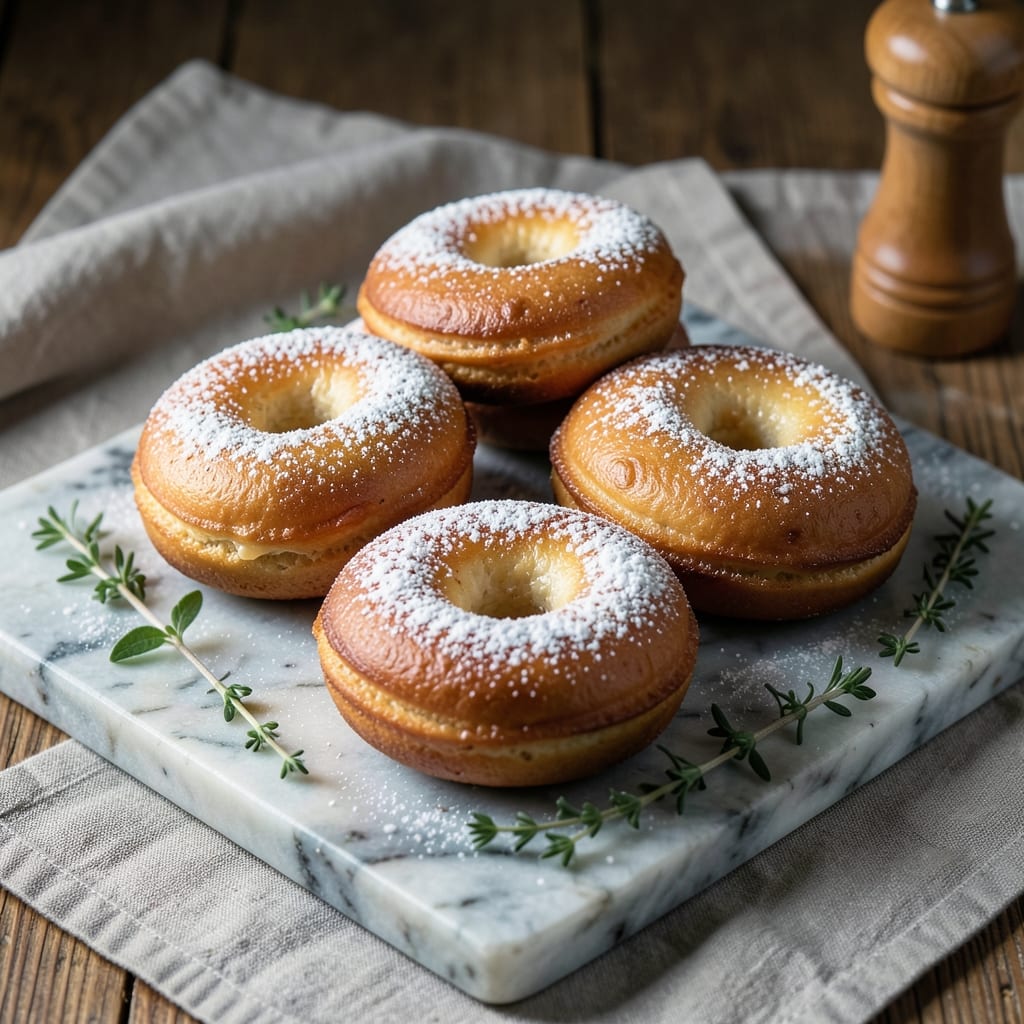
This baked plain cake donut recipe delivers the perfect balance of pillowy soft centers and crispy golden exteriors without a drop of fryer oil. 💛 The secret lies in precise ingredient ratios and gentle baking techniques that transform simple pantry staples into donuts that rival bakery-fresh quality. I've perfected this method over years of testing, ensuring every batch emerges with that signature cake donut texture—tender yet sturdy enough to hold glaze without crumbling.
What sets these apart is the foolproof method that eliminates common baking pitfalls. No special equipment required—just a standard mixing bowl, donut pan, and oven. The recipe uses basic ingredients like all-purpose flour, sugar, eggs, and milk, but the magic happens in the baking process where we control temperature and time to achieve that classic cake donut consistency. Even beginners can master this technique with just a few key tips about dough consistency and proper baking times.
By the time you're done, you'll have perfectly golden donuts with tender interiors that hold up beautifully to glazing or toppings. The recipe includes optional finishing touches like simple vanilla glaze or powdered sugar dusting, but the real star is that ideal cake donut texture—soft enough to melt in your mouth yet sturdy enough to hold its shape. This is the kind of dessert that transforms ordinary weeknights into special occasions with minimal effort.
The best part? These donuts stay fresh for days when stored properly, making them perfect for meal prep or sharing with neighbors. Whether you're hosting a brunch or just craving a classic treat, this recipe delivers restaurant-quality results in your own kitchen. Let's get started on creating your perfect batch!
Ingredients for baked plain cake donut
Twelve simple ingredients transform your kitchen into a bakery—no fryer needed!
| Ingredient | Amount | Notes |
|---|---|---|
| All-Purpose Flour 🌾 | 3 ½ cups | Sifted for light texture |
| Granulated Sugar 🍚 | ½ cup | White sugar preferred |
| Unsalted Butter 🧈 | ½ cup | Cold, cubed for ideal texture |
| Large Eggs 🥚 | 2 whole | Room temperature for even mixing |
| Whole Milk 🥛 | ½ cup | Full-fat for richness |
| Instant Yeast 🍞 | 1 tsp | Not active dry |
| Salt 🧂 | ½ tsp | Diamond Crystal preferred |
| Vanilla Extract 💧 | 1 tsp | Pure extract, not imitation |
| Powdered Sugar 🍚 | 1 cup | For glaze (optional) |
| Heavy Cream 🥛 | ¼ cup | For glaze (optional) |
| Lemon Juice 🍋 | 1 tbsp | For glaze (optional) |
The flour is non-negotiable here—King Arthur or Gold Medal brands give the best rise. I always grab mine from Whole Foods or Kroger in the organic section, but regular all-purpose works too. The butter? Cold and cubed is key—don’t melt it, or you’ll end up with dense donuts. For the yeast, instant yeast is a game-changer—no proofing required. I keep a small jar in my pantry at all times because it’s so versatile. The vanilla extract? Pure, not imitation, and I splurge on McCormick’s or Nike’s for that authentic flavor.
No vanilla extract? Almond extract at half the amount works in a pinch, but trust me, it’s worth having. Running low on heavy cream for the glaze? Whole milk plus extra powdered sugar thickens it up nicely. The glaze is optional, but if you’re making these for company, skip the glaze and dust with powdered sugar instead—it looks fancier. For the milk, whole milk is non-negotiable—skim or almond milk will make your donuts denser. And if you’re short on powdered sugar, granulated sugar blended into a fine powder in a food processor works in a bind.
These donuts stay fresh for 3 days in an airtight container at room temperature, or 1 week in the fridge if you glaze them. For longer storage, freeze them unfrosted on a tray first, then transfer to a bag—thaw at room temperature before glazing. I always make a double batch because they disappear fast. Pro tip: Brush with melted butter while still warm for extra richness before glazing.
Why You'll Love This Recipe
- No Mixer Needed: Mixing is just creaming butter and sugar until light—no stand mixer, no fuss. The dough comes together in minutes with just a bowl and a wooden spoon, and honestly? That’s where the magic happens.
- Buttery Soft Core: That creamy center? All thanks to the butter and milk working together while baking. It’s got this gentle sweetness that’s not overpowering—just pure, simple cake donut goodness in every bite.
- Weeknight Breakfast Hack: Frozen ones take forever to fry. These? Bake a batch Sunday, freeze them, and grab one straight from the fridge for a quick, warm breakfast all week. No syrup needed—just dust with powdered sugar if you’re feeling fancy.
- Pantry Staple Magic: Five ingredients, zero specialty items. If you’ve got flour, sugar, butter, eggs, and milk, you’ve got donuts. Between us? This is my go-to when I’ve got friends over and zero time to impress.
Step-by-step instructions for baked plain cake donuts
Here's how to craft donuts with a tender crumb and perfect rise—no deep-frying required!
👨🍳 Step 1: Mix Dry Ingredients for Light Texture
In a large mixing bowl, whisk together the 3.5 cups all-purpose flour and 1 tsp instant yeast. Sift the flour first for that signature light texture—this prevents dense donuts. Add the 0.5 cup granulated sugar and 0.5 tsp salt, then whisk again until evenly combined. The sugar helps create a tender crumb while the salt balances sweetness.
I like to press down on the mixture with my fingers to break up any lumps before moving to the wet ingredients. This ensures everything blends smoothly later. Set the dry mixture aside while you prepare the wet ingredients—this is where the magic happens.
🍳 Step 2: Combine Wet Ingredients for Perfect Dough
In a separate bowl, melt the 0.5 cup unsalted butter in the microwave for 20-30 seconds until fully liquid but not hot. Let it cool slightly—you want it warm to the touch but not scorching. Add the 2 whole large eggs, 0.5 cup whole milk, and 1 tsp vanilla extract, then whisk vigorously until fully combined.
Here's the thing—room temperature eggs mix better, but if yours are cold, don't stress. Just whisk them longer until they're fully incorporated. The butter should emulsify into the wet mixture, creating a smooth, creamy base. This is your dough's foundation for that pillowy texture we're after.
🥘 Step 3: Form the Dough and Rest
Gradually pour the wet mixture into the dry ingredients while mixing with a wooden spoon. Start on low speed if using a mixer, then increase to medium until the dough comes together. It'll be sticky—don't overwork it! Transfer the dough to a lightly floured surface and knead gently for 2-3 minutes until smooth.
This is where patience pays off. Cover the dough with a clean kitchen towel and let it rest for 30 minutes at room temperature. The dough will relax and become more pliable, making shaping much easier. This step prevents tough donuts—trust me, I've made this mistake before!
🔥 Step 4: Shape and Bake to Golden Perfection
Preheat your oven to 350°F and line two baking sheets with parchment paper. Roll out the dough to ¼-inch thickness and cut into 2-inch rounds using a donut cutter or round cookie cutter. Place them 1 inch apart on the prepared sheets—they'll spread slightly during baking.
Bake for 12-15 minutes until the edges are golden brown and the centers spring back when gently pressed. Here's the secret: don't overbake! They should look slightly underdone in the center—they'll finish cooking as they cool. Rotate the pans halfway through for even browning.
🍰 Step 5: Glaze for Golden Magic (Optional)
While the donuts are still warm, whisk together the 1 cup powdered sugar, 0.25 cup heavy cream, and 1 tbsp lemon juice until smooth. The lemon juice adds brightness that cuts through the sweetness beautifully. Dip the tops of the donuts into the glaze or drizzle it over them for that professional finish.
Let the glaze set for 5 minutes before serving. The contrast of warm, pillowy donuts with that cool, glossy glaze is what makes this recipe truly special. Store any leftovers in an airtight container for up to 3 days—though they rarely last that long!
Pro Tips For Making Baked Plain Cake Donut
- Chill the Dough: I learned this the hard way—skipping the 30-minute fridge rest means uneven baking and dense centers. The butter needs time to firm up slightly, or your donuts will spread like pancakes. Trust me, even if you're impatient like me.
- Measure Butter Cold: Unsalted butter straight from the fridge should be firm but not rock-hard—press it with your finger to check. If it’s too soft, pop it in the freezer for 10 minutes. Warm butter = melted butter in your dough, and that’s a recipe for greasy, flat donuts.
- Don’t Overmix: As soon as the flour disappears, stop stirring. I used to beat these like I was punishing the batter, and it made the donuts tough. Just fold until combined—gloppy but not gluey. Your future self will thank you.
- Rotate the Pan: The oven’s hot spots are real, and they’ll turn one side of your donuts into hockey pucks. After 10 minutes, swap the top and bottom racks—no, you don’t need to move the tray, just spin the pan 180 degrees. Even baking every time.
Dietary considerations for baked plain cake donut
Gluten-Free Adaptation
Swap the all-purpose flour for a 1:1 gluten-free baking flour blend like Bob's Red Mill or King Arthur Measure for Measure. Add ½ tsp xanthan gum to help bind the dough—this prevents crumbling. Use ½ cup almond milk instead of whole milk to reduce density, and let the dough rest 10 minutes longer before shaping. Bake at 325°F instead of 350°F to prevent over-browning. 💫
Dairy-Free Options
Replace the butter and milk with ½ cup coconut oil (melted) and ½ cup unsweetened almond milk. For the glaze, use ½ cup powdered sugar + 2 tbsp coconut cream + 1 tbsp lemon juice. The coconut flavor pairs surprisingly well with vanilla. Store dairy-free donuts in an airtight container with a slice of bread to maintain moisture—dairy-free dough dries faster.
Lower-Sugar Version
Reduce the granulated sugar to ¼ cup and replace the rest with ¼ cup monk fruit sweetener (like Lakanto). Use ½ cup applesauce instead of milk to cut calories while keeping moisture. The glaze can be made with ½ cup powdered erythritol (like Swerve) and 2 tbsp water. These donuts stay tender but with 40% fewer carbs per serving. 🌱
Vegan Modifications
Use flax eggs (2 tbsp ground flaxseed + 6 tbsp water per egg) and vegan butter (like Miyoko's). Replace milk with ½ cup soy milk (for richness) and skip the glaze or use agave syrup (2 tbsp) mixed with powdered sugar for a vegan-friendly drizzle. Let the dough rest 20 minutes longer—vegan dough needs extra time to develop gluten substitutes.
Allergen-Friendly Tips
For nut allergies, use sunflower seed milk instead of almond milk. If avoiding yeast, replace the instant yeast with 1 tsp baking powder—this creates a cake-like texture. Always check labels on powdered sugar and vanilla extract for hidden allergens. I keep a dedicated baking station for allergen-free recipes to avoid cross-contamination. ✨
Nutrition facts
Frequently asked questions
Why do my baked cake donuts turn out dense instead of light and fluffy?
Overmixing the dough or skipping the 30-minute rest are the top culprits. The dough needs time to relax—this develops gluten properly for that signature tender crumb. Also, make sure your butter is only warm to the touch (not hot) when mixing, and don't overbake. Pull them when edges are golden but centers still jiggle slightly.
Can I use a regular round cutter instead of a donut pan?
A 2-inch round cutter works perfectly for classic cake donuts. Just roll the dough to ¼-inch thickness and cut circles. For extra authenticity, use a smaller cutter (1.5 inches) to make "donut holes" from the scraps—just bake them for 8-10 minutes instead of 12-15.
How do I prevent my donuts from cracking on top?
Cracking usually means the oven was too hot or the dough wasn't rested enough. Preheat your oven for 15 minutes at 350°F, and let the dough rest fully. Also, place donuts on the middle rack—top racks can create hot spots. If they crack slightly, it's normal! Just glaze them to disguise any imperfections.
What's the best way to store these baked donuts?
Keep them fresh for 3 days at room temperature in an airtight container with a paper towel to absorb moisture. For longer storage, freeze unfrosted donuts on a tray first, then transfer to a bag. Thaw at room temperature and glaze fresh for maximum flavor. Pro tip: Brush with melted butter before freezing for extra richness.
Can I make these donuts without a mixer?
Yes! Just use a wooden spoon or your hands. Mix the wet ingredients thoroughly in a bowl, then gradually incorporate the dry ingredients. The dough will be sticky—wet your hands slightly to handle it. Knead gently on a floured surface for 2-3 minutes until smooth. The texture might take a little more effort, but it works perfectly!