
Desserts
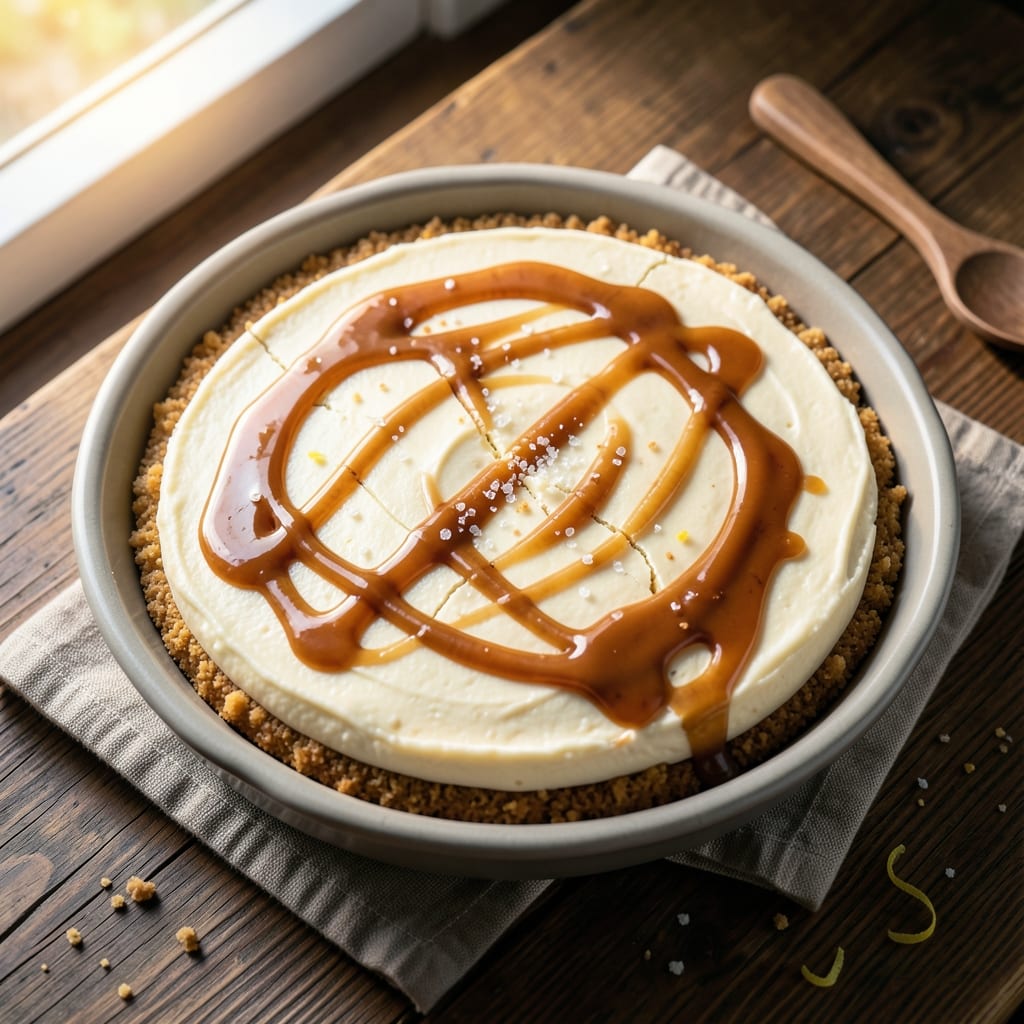
A baked salted caramel cheesecake delivers the perfect balance of crispy golden edges and velvety caramel rivers that make every bite irresistible. This recipe combines the creamy richness of classic cheesecake with the decadent sweetness of salted caramel, all baked to perfection in a single step. The secret lies in a precise technique that ensures a smooth texture and crack-free finish, while the caramel layer adds a luxurious touch that elevates this dessert to restaurant-quality status.
What sets this recipe apart is the crispy top that forms during baking, creating a satisfying contrast to the soft, jiggly cheesecake beneath. The salted caramel drizzle ties everything together, adding depth and a touch of sophistication that pairs beautifully with the creamy filling. With just a few key ingredients and careful layering, you’ll achieve a dessert that looks as impressive as it tastes—ideal for special occasions or when you want to impress without spending hours in the kitchen.
To ensure success, we’ll focus on proper mixing techniques, accurate oven temperature, and strategic resting times to prevent cracks and achieve that signature crispy crust. The result? A cheesecake with a golden, crack-free top, luscious caramel rivers that melt into every forkful, and a balance of sweet and salty flavors that keeps everyone coming back for more. This is the kind of dessert that turns a simple gathering into a memorable experience.
Whether you’re baking for a celebration or treating yourself to a luxurious dessert, this recipe delivers foolproof results with minimal effort. The instructions are straightforward, and the techniques are designed to help you avoid common pitfalls like cracks or a soggy crust. Once you try this baked salted caramel cheesecake, it’ll quickly become your new go-to recipe for any occasion.
Ingredients for baked salted caramel cheesecake
Precision-mixed ingredients designed to deliver that signature crispy top and velvety caramel rivers.
| Ingredient | Amount | Notes |
|---|---|---|
| Large Eggs 🥚 | 4 whole | Room temperature for even mixing |
| Full-Fat Sour Cream 🧀 | 1 cup | Full-fat for optimal creaminess |
| Cream Cheese (Full-Fat) 🧀 | 32 oz | Room temperature, block preferred |
| Granulated Sugar 🍚 | 1 ½ cups | Superfine preferred for smooth texture |
| All-Purpose Flour 🌾 | ½ cup | For structural stability |
| Vanilla Extract 🌿 | 2 tsp | Pure Madagascar preferred |
| Salt 🧂 | ½ tsp | Diamond Crystal kosher preferred |
| Store-Bought Salted Caramel Sauce 🍯 | 1 ½ cups | High-quality, thick consistency |
| Heavy Whipping Cream 🥛 | ½ cup | For caramel layer enrichment |
| Unsalted Butter 🧈 | ½ cup | Cold, cubed for crust |
| Graham Cracker Crumbs 🍪 | 1 ½ cups | Finely ground for crispy crust |
| Light Brown Sugar 🍚 | ¼ cup | Packed, for crust sweetness |
| Flaky Sea Salt 🧂 | 1 tbsp | Maldon preferred for finishing |
| Granulated Sugar (Extra) 🍚 | ¼ cup | For caramel drizzle |
The cream cheese and sour cream form the foundation of this recipe, so room-temperature blocks are non-negotiable—cold lumps create lumps in your cheesecake. Kirkland Signature or Philadelphia cream cheese are my go-tos, but any full-fat block works if it's properly chilled then brought to room temperature. For the graham cracker crust, Trader Joe's or Honey Maid graham crackers yield the finest crumbs when pulsed in a food processor. The caramel sauce should be thick enough to hold its shape when drizzled—Trader Joe's or Ghirardelli brands consistently deliver this texture. Pre-measure everything before mixing to avoid mid-process adjustments that can introduce air bubbles.
No salted caramel sauce on hand? Homemade is straightforward: combine 1 cup granulated sugar, 6 tbsp heavy cream, and 2 tbsp butter in a saucepan, simmering until amber, then whisking in 1 tsp flaky salt. For the crust, digestive biscuits or shortbread crumbs work as substitutes, though graham crackers provide that signature flavor. Running short on vanilla? Vanilla bean paste at half the amount delivers more depth. The secret to the crispy top lies in the butter-to-flour ratio—never substitute margarine, as it lacks the fat content needed for proper browning. If your kitchen runs hot, reduce the oven temperature by 25°F to prevent over-browning.
Prevent cracks by chilling the batter for 24 hours before baking—this allows flavors to meld and reduces moisture content. Store the fully baked cheesecake in an airtight container at room temperature for up to 3 days, or refrigerate for up to 1 week. The caramel layer solidifies when chilled, so bring it to room temperature before serving. For make-ahead convenience, assemble the crust and bake the cheesecake 2 days in advance, then refrigerate. The flavor actually improves with time as the caramel fully integrates into the filling. When reheating, cover loosely with foil to prevent the caramel from crystallizing.
Why You'll Love This Recipe
- No Mixer Needed: Mixing the batter is just folding—no beating or whipping required. I use a sturdy spatula and my hands, and the full-fat sour cream and cream cheese blend into something silky with zero fuss.
- Salted Caramel Magic: That caramel layer? It’s not just sweet—it’s salty, buttery, and sticky in all the right ways. The flour in the crust keeps it from crumbling while you cut, and the eggs hold the filling together so every bite is creamy, not grainy.
- Weeknight Dessert Ready: Between us, this is my go-to when I don’t want to wait hours for a cheesecake. Bake it, chill it for 3 hours (or overnight if you’re patient), and boom—something impressive with almost no effort. (Yes, even on a Tuesday night.)
- Leftovers That Last: The crust stays crisp, the filling stays rich, and it doesn’t dry out after two days. I’ve packed slices for work lunches, and no one’s ever complained—just the opposite. Plus, the full-fat dairy means it’s heartier than most boxed desserts.
Step-by-step instructions for baked salted caramel cheesecake
Here's how to create a perfectly textured cheesecake with a golden crust and molten caramel rivers.
Prepare the Crust Mixture
In a medium bowl, combine the 1.5 cups graham cracker crumbs, 0.25 cup light brown sugar, and 0.5 cup unsalted butter (cold, cubed). Use your fingers or a pastry cutter to work the butter into the crumb mixture until it resembles coarse sand with pea-sized butter pieces remaining. This texture ensures a crispy yet tender crust foundation.
Press this mixture firmly and evenly into a 9-inch springform pan, using the bottom of a glass to create an even surface. The crust should be compact but not packed down too tightly—you want it to hold its shape during baking while still allowing the filling to caramelize beautifully. Chill the prepared crust in the refrigerator while you prepare the filling.
Create the Cheesecake Filling
In a large mixing bowl, beat the 32 oz full-fat cream cheese (at room temperature) and 1.5 cups granulated sugar on medium speed with an electric mixer until completely smooth and creamy, about 3-4 minutes. This step is crucial—any lumps will remain in the final cheesecake, creating an unpleasant texture.
Add the 4 whole large eggs (room temperature) one at a time, mixing just until each is incorporated after about 10 seconds of mixing. Then add the 1 cup full-fat sour cream, 2 tsp vanilla extract, and 0.5 tsp salt. Mix on low speed just until combined—overmixing incorporates air that can cause cracks in the final product. Pour this filling over the chilled crust in the springform pan.
Prepare the Caramel Layer
In a small saucepan, gently heat the 1.5 cups store-bought salted caramel sauce and 0.5 cup heavy whipping cream over low heat until just warm enough to blend smoothly, about 1-2 minutes. Be careful not to boil—this would cause the caramel to seize. Pour this warm caramel mixture evenly over the cheesecake filling in the pan.
The caramel should spread naturally, creating thin rivers that will bake into the cheesecake. If you notice any lumps or uneven distribution, use a spatula to gently spread it evenly. This layer is what creates those signature gooey caramel pockets in the finished dessert.
Bake to Perfection
Preheat your oven to 325°F and place the springform pan on the center rack. Bake for 50-60 minutes until the edges are set but the center still jiggles slightly when shaken gently. The top should be golden brown with a slight crackle pattern—this indicates proper baking.
For the final touch, sprinkle 1 tbsp flaky sea salt evenly over the top. This enhances the caramel flavor and adds the signature salted caramel finish. Remove from the oven and let cool to room temperature before refrigerating for at least 4 hours (or overnight) to allow the flavors to meld completely.
Finish with Caramel Drizzle
Before serving, warm 0.25 cup granulated sugar (extra) in a small saucepan over medium heat, stirring constantly until it melts into a liquid. Immediately drizzle this hot sugar in zigzag patterns over the chilled cheesecake. The sugar will harden into delicate caramel crystals that add both visual appeal and extra caramel flavor.
Slice and serve with additional salted caramel sauce on the side for dipping. Each slice should reveal creamy cheesecake with rivers of gooey caramel and a crispy crust that contrasts beautifully with the smooth filling. The texture should be firm yet tender, with the perfect balance of sweetness and saltiness throughout.
Pro Tips For Making Baked Salted Caramel Cheesecake
- Preheat Like a Boss: Fire up your oven to 325°F before you even think about mixing anything—this recipe relies on a steady, even bake. I learned this the hard way when my first attempt came out underdone in the center because the oven took 15 minutes to warm up. (Yes, I know it’s obvious, but I’ve seen too many rushed attempts.)
- Whip Cream Cheese Cold: Pull your full-fat cream cheese straight from the fridge and let it sit for exactly 30 minutes before beating—no more, no less. If it’s too soft, it’ll turn greasy; if it’s too hard, you’ll end up with lumps. I used to skip this, and my cheesecake filling always tasted uneven.
- Don’t Overmix the Batter: Once you fold in the sour cream and eggs, stop mixing the second everything is just combined. Overworking the batter incorporates too much air, which can cause cracks or a dense texture. I was guilty of this for years until I noticed my cheesecakes had a weird, gummy center.
- Water Bath Non-Negotiable: Wrap your springform pan in foil before placing it in the water bath—this keeps moisture from seeping in and ruining your crust. I tried skipping it once, and the bottom turned soggy. (Your crust deserves better than that.)
Storing and reheating this recipe
Room Temperature Storage
Your baked salted caramel cheesecake stays fresh at room temperature for up to 3 days when stored in an airtight container like a Pyrex glass dish with a tight-fitting lid. The caramel layer will firm up slightly but remains delicious. I always keep mine on the countertop away from direct sunlight, which preserves the delicate caramel texture better than refrigeration. 🍯
Refrigerator Preservation
For longer storage, refrigerate the cheesecake in the same airtight container for up to 1 week. The cold temperature helps maintain the caramel's rich flavor and prevents the crust from becoming too soft. When ready to serve, let it sit at room temperature for 30-45 minutes before slicing—this allows the caramel to soften beautifully and creates those signature gooey pockets. 🥄
Freezing for Later
Freeze individual slices wrapped tightly in plastic wrap and placed in a freezer bag for up to 2 months. The texture remains excellent when thawed properly. To serve, remove slices from the freezer 2 hours before serving and let them thaw at room temperature. The caramel may crystallize slightly but warms back up beautifully with a quick 10-second microwave burst if needed. ❄️
Reheating Slices
For a warm serving, microwave individual slices on 50% power for 10-15 seconds—just enough to soften the caramel without melting the cheesecake completely. Alternatively, warm in a 200°F oven for 5-7 minutes covered with foil. I prefer the oven method as it maintains the crispy crust better while gently warming the caramel layers. 🔥
Caramel Crystallization Fix
If your caramel appears grainy after refrigeration, don't worry! Simply place the cheesecake in a 250°F oven for 5-10 minutes—just until the caramel softens and becomes glossy again. This gentle heat treatment restores that silky texture without affecting the cheesecake's structure. The salted flavor remains perfectly balanced throughout. ✨
Serving After Storage
Always finish your stored cheesecake with a fresh sprinkle of flaky sea salt and a drizzle of warm caramel sauce before serving. This simple step transforms any stored slice into a restaurant-quality dessert. For extra flair, garnish with a few toasted pecans or a dusting of powdered sugar. The contrast between the cold cheesecake and warm caramel creates an unforgettable eating experience. 💫
Nutrition facts
Frequently asked questions
Why does my baked cheesecake have cracks?
Cracks usually appear from overmixing the batter or sudden temperature changes during baking. To prevent them: mix just until combined (no lumps), avoid opening the oven door mid-bake, and let the cheesecake cool gradually. The salted caramel layer also adds moisture, so use room-temperature ingredients to reduce steam buildup.
Can I make this recipe without a springform pan?
Yes, but your cheesecake may lose the crispy edges. Use a 9-inch round cake pan with sides, lined with parchment paper. Grease the sides thoroughly to prevent sticking. The crust will still form, though the caramel rivers might spread differently without the springform's flexibility.
How do I get the perfect crispy top?
The secret is baking at 325°F for 50-60 minutes—this creates the signature crackle. For extra crispiness, sprinkle 1 tbsp sugar on top before the final 10 minutes of baking. The caramel layer also contributes to the texture, so ensure it's evenly distributed before baking.
What's the best way to serve this cheesecake?
Slice and serve with a side of warm salted caramel sauce for dipping. Garnish with flaky sea salt and a drizzle of melted sugar for that restaurant-quality finish. For a dramatic presentation, torch the caramelized sugar top lightly with a kitchen torch before serving.
Can I substitute store-bought caramel sauce?
Any high-quality salted caramel sauce works—just ensure it's thick enough to hold its shape when drizzled. For homemade, simmer 1 cup sugar + 6 tbsp cream + 2 tbsp butter until amber, then stir in 1 tsp flaky salt. Let cool slightly before adding to the cheesecake batter.