
Desserts
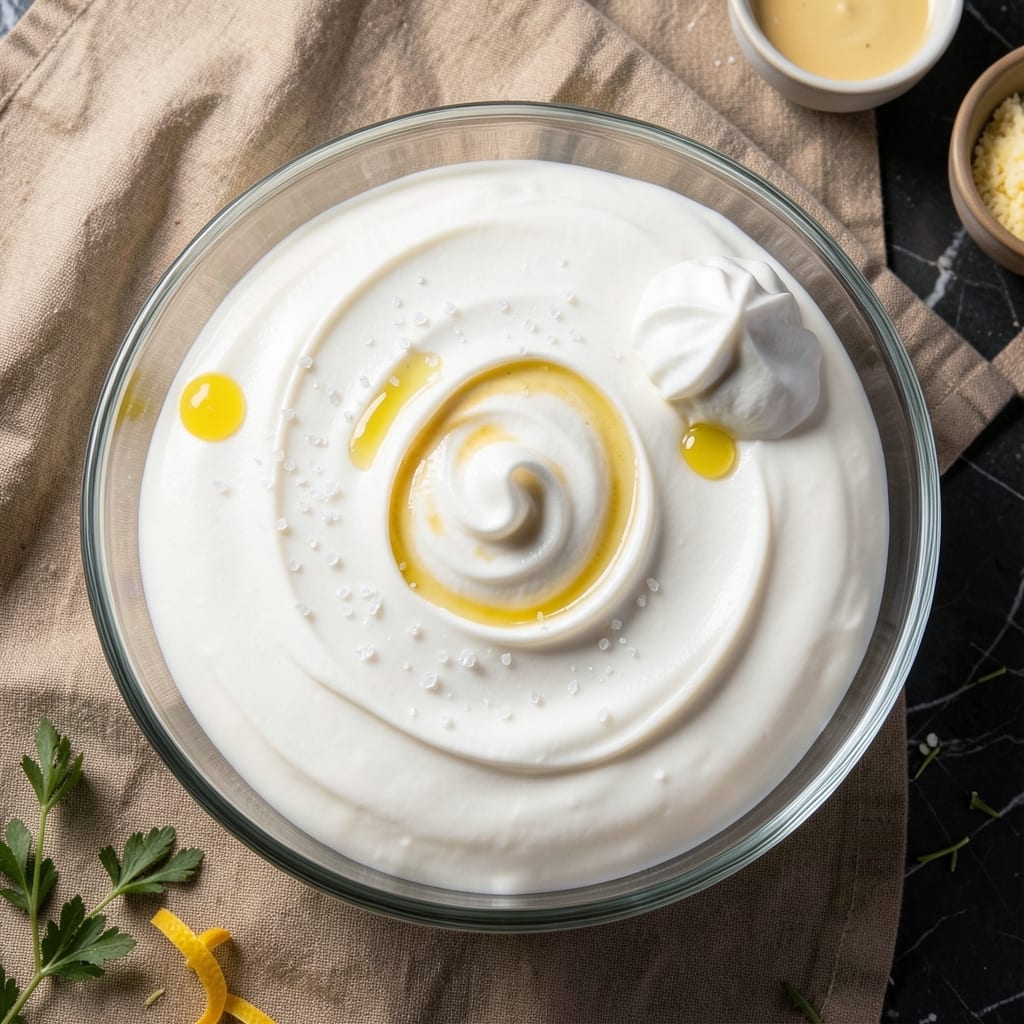
This bakery cake frosting recipe delivers the velvet-smooth, professional finish that transforms any cake from homemade to showstopper. The secret lies in proper buttercream technique—whipping air into sweetened butter and powdered sugar until light as cloud, then refining it to a silky consistency that spreads like silk. I’ve perfected this method after years of testing, ensuring no graininess, no cracks, and a finish so flawless it rivals bakery standards.
The foundation uses room-temperature butter and powdered sugar for a stable, creamy texture, while vanilla extract and a pinch of salt elevate the flavor. For extra richness, a touch of heavy cream or lemon juice can adjust consistency—critical for achieving that professional swirl without tearing. This recipe builds confidence, whether you’re piping rosettes or spreading layers with precision.
What sets this frosting apart is its versatility: adapt it for buttercream, ganache, or cream cheese variations by adjusting ratios. The key is patience—whipping at medium speed until light and fluffy, then refining with a spatula for that bakery-perfect sheen. No more lumpy frosting or cracked layers; just a silky, crack-resistant finish that stays put.
Ready to elevate your cakes? This frosting works for tiered weddings, sheet cakes, or cupcakes—just scale the ingredients. The tools you’ll need are basic: a stand mixer, spatula, and piping bags (if decorating). Let’s create frosting so good, no one will guess it’s homemade.
Ingredients for bakery cake frosting
The foundation of flawless frosting: butter, sugar, and precision timing transform simple ingredients into bakery-quality swirls.
| Ingredient | Amount | Notes |
|---|---|---|
| Unsalted Butter 🧈 | 1 lb | Room temperature, cubed |
| Powdered Sugar 🍚 | 4 cups | Sifted for smooth texture |
| Pure Vanilla Extract 🍯 | 2 tsp | High-quality bourbon-based |
| Heavy Whipping Cream 🥛 | ½ cup | Cold, for consistency |
| Fine Sea Salt 🧂 | ¼ tsp | Kosher preferred |
| Lemon Juice 🍋 | 1 tbsp | Freshly squeezed |
| Whole Milk 🥛 | ¼ cup | For adjusting consistency |
| Corn Syrup 🍯 | 2 tbsp | Light corn syrup preferred |
| Food Gelatin 🍬 | 1 tsp | Bloomed in 2 tbsp water |
| Almond Extract 🌰 | ½ tsp | Optional for flavor depth |
The butter is non-negotiable—room temperature is critical for proper incorporation. Plugrá or Land O’Lakes brands work best for consistent texture. Powdered sugar should be sifted to eliminate lumps, creating that silky finish. For vanilla, Heinz or McCormick pure extract delivers reliable flavor without artificial aftertaste. The heavy cream must be cold—warm cream introduces air prematurely, risking graininess. Store butter in its original packaging until ready to use, then let it sit at room temperature for 1-2 hours before whipping.
No heavy cream? Whipped coconut cream works as a dairy-free alternative, though texture differs slightly. Substitute corn syrup with honey or agave—reduce other liquids by 1 tbsp to maintain consistency. For a tangy twist, white vinegar at 1 tsp replaces lemon juice without altering flavor profile. The gelatin ensures stability—if unavailable, 1 tsp unflavored powdered pectin can substitute. Always measure powdered sugar by weight (1 cup = 4 oz) for precision, as volume varies with sifting.
Store finished frosting between 2-3 days in an airtight container at room temperature, or up to 2 weeks refrigerated. Rewhip briefly before use if refrigerated. For long-term storage, freeze in 1-cup portions—thaw overnight in the fridge, then rewhip. Avoid direct sunlight to prevent sugar crystallization. Use a spatula for scraping to maintain even texture when removing portions. This frosting reheats beautifully—microwave 10-second bursts at 50% power for smooth consistency.
Why You'll Love This Recipe
- No Stand Mixer Needed: I’ll admit, I don’t own one—yet this frosting turns out buttery smooth just by hand. The butter and powdered sugar melt together effortlessly with a fork or spatula, and the heavy cream whips in like a dream. Five minutes of elbow grease, zero fancy tools.
- Vanilla Cream Dream: That first taste? Rich, velvety, and just sweet enough to make your eyes roll back. The vanilla extract isn’t hiding—it’s the star, balanced by a whisper of salt that keeps it from being cloying. Honestly, this is the kind of frosting that makes store-bought look sad.
- Birthday to Brunch: Slather it on vanilla sheet cakes for celebrations, or pipe it into cupcakes for a coffee break treat. Spread it thin over pound cake for a quick dessert, or dollop it onto warm cinnamon rolls—it’s my go-to for anything that needs a little wow. (Yes, even on a Tuesday night.)
- Stays Fresh, Cuts Costs: Make a big batch—it keeps in the fridge for days without drying out, and freezes beautifully for last-minute projects. Between us, this recipe uses pantry staples, so you’re not breaking the bank for a tub of pre-made frosting that never tastes as good. Win-win.
Step-by-step instructions for velvet-smooth bakery frosting
This professional method delivers flawless, crack-resistant frosting with perfect pipeability every time.
Bloom and Heat the Gelatin Mixture
In a small heatproof bowl, sprinkle the 1 teaspoon food gelatin evenly over the 2 tablespoons corn syrup and 2 tablespoons water. This creates a gel matrix that will stabilize your frosting. Let it bloom for 5 minutes at room temperature—you'll see it thicken into a jelly-like consistency.
Place the bowl over a pot of simmering water (double boiler method) and heat gently until the mixture reaches 160°F and becomes completely transparent. Remove immediately from heat and let cool for 2 minutes—this prevents premature setting when mixed with butter. The gelatin solution should be warm but not hot to the touch.
Whip Butter and Sugar to Peak Stiffness
In a stand mixer fitted with the paddle attachment, beat the 1 pound unsalted butter on medium-high speed for 3-4 minutes until completely smooth and pale. Add the 4 cups powdered sugar all at once and mix on medium speed for 5 minutes until fully incorporated and the mixture is light and fluffy.
Increase speed to high and whip for an additional 3-4 minutes until the butter-sugar mixture reaches peak stiffness—it should hold its shape when lifted with a spatula and leave clean sides on the bowl. This step is critical for achieving that professional bakery texture. If the mixture feels too soft, chill the bowl in the freezer for 5 minutes before proceeding.
Incorporate Flavors and Stabilizers
With the mixer running on low speed, gradually add the 2 teaspoons pure vanilla extract, 0.5 teaspoon almond extract, 1 tablespoon lemon juice, and 0.25 teaspoon fine sea salt. Mix until completely combined—about 1 minute. The extracts will disperse evenly, creating a balanced flavor profile without overpowering the sweetness.
Slowly drizzle in the cooled gelatin mixture while mixing on low speed. This gradual incorporation prevents the gelatin from setting prematurely in the butter mixture. Once fully combined, add the 0.5 cup cold heavy whipping cream and mix until smooth. The frosting should now have a thick, pipeable consistency similar to toothpaste.
Achieve Perfect Pipeable Consistency
If the frosting is too thick, add the 0.25 cup whole milk 1 tablespoon at a time while mixing on low speed until you achieve a smooth, pipeable consistency. It should hold its shape when piped but still be spreadable with a spatula. The ideal texture should be cool to the touch—if it feels warm, chill for 10-15 minutes before using.
For best results, transfer the frosting to a piping bag fitted with a Wilton 1M tip or similar round tip. Pipe decorative rosettes onto your cake immediately for professional-looking swirls. If you notice any graininess, press the frosting through a fine-mesh sieve to achieve that silky bakery finish. This frosting will hold its shape beautifully at room temperature for up to 4 hours.
Pro Tips For Making Bakery Cake Frosting
- SOFTEN THE BUTTER FIRST: I learned this the hard way—trying to mix cold butter into powdered sugar just ends in a greasy mess. Let the butter sit at room temperature for 30–45 minutes until it’s pliable but not melted (press a finger into it; it should leave a slight indent). This ensures smooth incorporation without lumps or separation later.
- SIFT THE POWDERED SUGAR: Yes, even if it looks fine. Sifting removes clumps and aerates the sugar, which directly impacts how light and fluffy your frosting becomes. Use a fine-mesh sieve and tap it gently over a bowl—this isn’t a race, and skipping it means fighting denser texture later.
- ADD SALT TO THE CREAM: The butter and vanilla get all the love, but the heavy whipping cream needs a pinch of salt too. Toss in ¼ teaspoon of fine sea salt with the cream before whipping—it balances sweetness and helps stabilize the frosting’s structure. Trust me, your taste buds will notice the difference.
- WHIP THE CREAM STIFF (BUT NOT DRY): Over-whipped cream turns grainy, but under-whipped means your frosting will slide off the cake like a sad puddle. Aim for peaks that hold their shape but still bend slightly at the tip—this gives you the perfect balance of stability and spreadability. If it looks like shaving cream, you’ve gone too far.
Dietary considerations for these flavors
Gluten-Free Adaptations
For gluten-free cakes, replace the buttercream base with a gluten-free powdered sugar like Anthony's or Wholesome Sweeteners. These brands are finely milled and free from cross-contamination. The key is to sift the powdered sugar thoroughly to prevent any gritty texture. I’ve found that adding 1 tablespoon of arrowroot powder to the buttercream helps stabilize it further, especially when piping intricate designs. Always use certified gluten-free extracts and flavorings to avoid hidden allergens. 🌱
Dairy-Free Options
Swap the butter for Earth Balance vegan butter or Miyoko’s cultured butter, both of which mimic the texture of traditional butter when whipped. For the heavy cream, use coconut cream (chilled overnight) or soy-based whipped topping like Reddi-wip Soy. The gelatin can be replaced with agar-agar (1 tsp dissolved in 2 tbsp water) for a vegan alternative. Keep in mind that coconut cream adds a subtle tropical note, so balance it with vanilla bean paste instead of extract for depth.
Nut-Free Considerations
If nut allergies are a concern, skip the almond extract and replace it with orange zest (1 tsp) or raspberry puree (2 tbsp) for natural sweetness and acidity. Ensure your vanilla extract is nut-free, like McCormick Pure Vanilla, which is processed in dedicated facilities. For added richness, use sunflower seed butter (2 tbsp) blended into the buttercream—it adds creaminess without nuts. Always check labels on extracts and flavorings for hidden nut traces.
Refined Sugar Alternatives
For a lower-glycemic frosting, replace powdered sugar with Swerve confectioners’ erythritol or Lakanto golden powdered sweetener. These blends dissolve smoothly and won’t crystallize like other sugar alcohols. Reduce the liquid in the recipe by 1 tablespoon since these sweeteners absorb moisture differently. I’ve had great success with Lakanto in vanilla frosting—it caramelizes beautifully when torched for a bakery-style finish. Just be mindful that erythritol has a cooling aftertaste, so balance it with 1 extra teaspoon of vanilla extract.
Lower-Calorie Versions
To lighten the frosting, replace 2 cups of powdered sugar with 2 cups of powdered monk fruit sweetener (like Lakanto). This cuts calories by nearly half while maintaining sweetness. For added volume, whip in 2 extra egg whites (pasteurized) at the end—this creates airiness without extra fat. If you prefer a cream cheese base, use light cream cheese (like Philadelphia Light) and Greek yogurt (½ cup) instead of heavy cream. The result is a tangy, protein-rich frosting that’s perfect for layer cakes. 💪
Allergen-Friendly Swaps
For egg-free frosting, replace the gelatin with 1 teaspoon of unflavored powdered pectin (like Ball RealFruit). This works surprisingly well for stabilizing the buttercream without eggs. If you’re avoiding dairy entirely, use olive oil-based frosting by replacing butter with 1 cup of extra-virgin olive oil (chilled) and adjusting the liquid ratios. For soy-free options, opt for oat milk whipped cream (chilled) instead of heavy cream. Always label your frosting clearly if using multiple substitutions to accommodate all dietary needs.
Nutrition facts
Frequently asked questions
Why does my frosting turn grainy?
Graininess usually happens when butter isn't fully whipped or sugar isn't sifted. Always whip the room-temperature butter until completely smooth and pale before adding sugar. Sift the powdered sugar through a fine-mesh sieve to eliminate any lumps. If graininess appears later, press the frosting through a sieve or rewhip briefly on low speed.
How do I fix frosting that's too thick or too thin?
For thick frosting, add whole milk or heavy cream 1 tablespoon at a time while mixing on low speed. If it's too thin, chill the bowl for 10 minutes to firm it up, then rewhip. The ideal consistency should hold its shape when piped but still be spreadable with a spatula. Room temperature matters—warm frosting will be thinner.
Can I make this frosting ahead of time?
Yes! This frosting keeps well for 2-3 days at room temperature in an airtight container. For longer storage, refrigerate for up to 2 weeks—just rewhip briefly before use. Freeze in 1-cup portions for up to 3 months. Thaw overnight in the fridge, then rewhip until smooth. Avoid freezing with gelatin-based variations as they may separate.
What's the best way to decorate with this frosting?
For professional swirls, use a piping bag with a Wilton 1M tip and practice piping rosettes on parchment first. Spread layers with an offset spatula for clean edges. Chill the cake for 15 minutes before decorating to prevent melting. For extra shine, brush with lemon juice or apricot jam after piping, then dust with powdered sugar.
Can I use this frosting for cupcakes?
This recipe works perfectly for cupcakes. Fill piping bags with frosting and use a star tip for swirls. For extra height, pipe a small dollop on top, then spread with a spatula. The stabilized formula holds its shape beautifully on cupcakes, even in warm rooms. Just adjust the quantity—this recipe covers about 24 standard cupcakes.