
Desserts
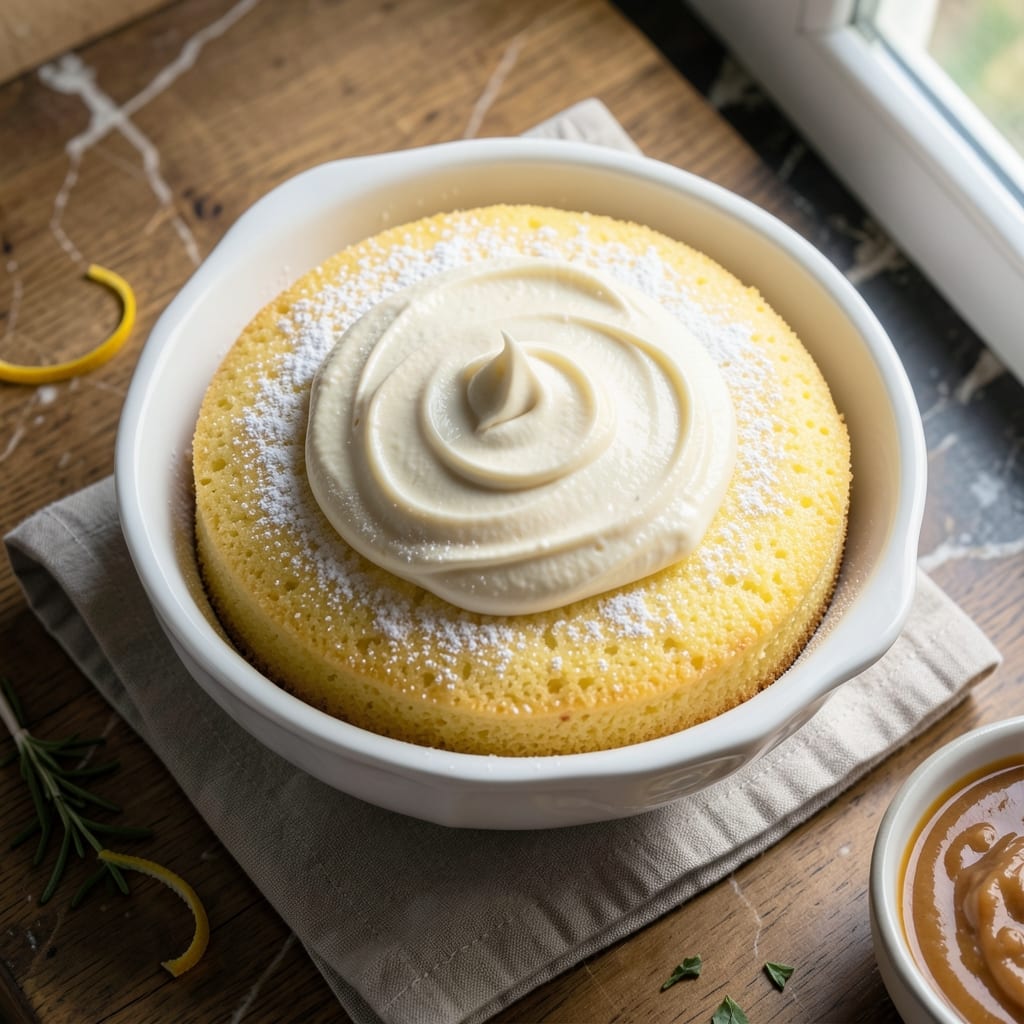
This bakery-style yellow cake delivers vanilla-infused height and buttery moisture that rivals professional bakeries. The secret lies in proper creaming—whipping butter and sugar until light and fluffy—while vanilla extract infuses every bite with rich aroma. I've perfected this recipe through countless batches, ensuring a tender crumb that stays moist for days.
The key to bakery-quality results is precise technique: folding dry ingredients gently to maintain air pockets, baking at the right temperature, and testing doneness with a toothpick. This method transforms simple pantry staples into a cake with golden domed height and a delicate crumb that melts in your mouth. No box mix here—just real baking science.
What sets this recipe apart is its versatility. Use it as a base for classic buttercream, a simple glaze, or even as a trifle layer. The vanilla infusion elevates it beyond basic yellow cake, making it perfect for birthdays, celebrations, or anytime you crave that bakery-fresh taste. Let's create something truly special.
Once baked, proper cooling is essential—this cake needs time to set before frosting. The result? A cake that's moist, flavorful, and structurally perfect, with layers that slice cleanly and taste even better the next day. Ready to bake like a pro?
Ingredients for bakery style yellow cake
Precision ingredients for bakery-style perfection—where vanilla essence meets buttery richness.
| Ingredient | Amount | Notes |
|---|---|---|
| Unsalted Butter 🧈 | 1 cup | Room temperature, European preferred |
| Granulated White Sugar 🍚 | 2 cups | Superfine preferred for smooth texture |
| Pure Vanilla Extract 🌿 | 2 tbsp | High-quality Madagascar bourbon preferred |
| Large Eggs 🥚 | 3 whole | Room temperature for even mixing |
| All-Purpose Flour 🌾 | 2 ½ cups | Sifted, spooned and leveled |
| Baking Powder 🧂 | 2 tsp | Freshly opened, Diamond Crystal preferred |
| Fine Sea Salt 🧂 | ½ tsp | Kosher preferred for delicate flavor |
| Whole Milk 🥛 | 1 cup | Room temperature for proper hydration |
| Vegetable Oil 🫒 | ¼ cup | Light, neutral flavor preferred |
| White Vinegar 🍶 | 1 tbsp | For tenderizing and acid balance |
| Cornstarch 🌽 | 1 tbsp | For extra moisture retention |
The butter quality here determines everything. European-style unsalted butter with higher fat content yields superior moisture and flavor. Plugrá or President brands are excellent choices, but any high-fat butter works. The sugar should be superfine for smoother texture—Domino or C&H brands are reliable. Vanilla extract is non-negotiable; Madagascar bourbon vanilla provides the deepest flavor. All ingredients should be room temperature to ensure proper emulsification during creaming. For the flour, King Arthur or Gold Medal brands are ideal—they provide consistent results.
No European butter? Regular unsalted butter works fine, though texture may be slightly less tender. Superfine sugar unavailable? Regular granulated sugar pulsed in a food processor for 30 seconds creates a similar effect. For the vanilla, imitation vanilla or vanilla sugar won't provide the same depth of flavor. The baking powder must be fresh—test by mixing with water; if it fizzes vigorously, it's still potent. Milk substitutes? Heavy cream or buttermilk both work well, though texture may vary slightly. The vinegar is crucial for tenderizing the gluten structure—apple cider vinegar is a perfect substitute.
This cake requires precise cooling—at least 2 hours at room temperature before frosting. Store covered at room temperature for 3 days or refrigerated for 1 week. For longer storage, wrap tightly in plastic and freeze for up to 3 months. The vanilla infusion intensifies over time, making day-old cake even more flavorful. Portion into layers before freezing for perfect slices later. Always bring to room temperature before serving for optimal texture.
Why You'll Love This Recipe
- Butter-Soft Texture: I swear by that creamy crumb—thanks to the butter and eggs whipped to cloud-like perfection. No dry, sad cake here; it’s the kind that melts in your mouth like a bakery’s secret.
- Vanilla Kiss: That pure vanilla extract? It’s the star. One sniff of the batter and you’re hooked—rich, warm, and just sweet enough without overpowering. (Yes, even on a Tuesday night.)
- Leftovers Rule: Slice it fresh or stash it in the fridge—this cake stays moist for days. Perfect for impromptu guests or when you just can’t resist another slice. (My kids call it "emergency dessert.")
- Pantry Staple Magic: Five ingredients, zero fuss. You’re probably already stocked—no specialty items, no last-minute grocery runs. Honestly, it’s the kind of recipe that makes baking feel effortless.
Step-by-step instructions for vanilla-infused yellow cake
Mastering this bakery-style yellow cake comes down to precise technique and ingredient timing.
Prepare the Vanilla-Infused Butter Mixture
In a medium mixing bowl, combine the 1 cup unsalted butter and 2 cups granulated white sugar. Using an electric mixer on medium speed, beat for 3-4 minutes until the mixture becomes pale and fluffy. This creaming process incorporates air, which creates that signature light texture we're after.
Here's the thing—European-style butter has higher fat content, which gives us better volume. Stop beating when the mixture holds soft peaks and looks nearly doubled in size. If you see any sugar grains remaining, continue mixing for another 30 seconds to ensure complete dissolution.
Incorporate Wet Ingredients for Maximum Moisture
Add the 3 whole large eggs, one at a time, mixing well after each addition. I like to let each egg incorporate completely before adding the next—this prevents curdling and ensures even distribution. After the eggs are fully combined, add the 2 tbsp pure vanilla extract and mix for 15 seconds to fully infuse the flavor.
In a separate small bowl, whisk together the 1 cup whole milk, 1 tbsp white vinegar, and 1 tbsp cornstarch. The vinegar creates a gentle acidity that tenderizes the cake while the cornstarch adds that extra moisture retention. Let this mixture sit for 2 minutes to thicken slightly before adding it to the wet ingredients.
Combine Dry Ingredients for Perfect Texture
In a separate large bowl, sift together the 2.5 cups all-purpose flour, 2 tsp baking powder, and 0.5 tsp fine sea salt. This sifting step is crucial—it aerates the flour and prevents dense pockets in the final cake. Use a whisk to break up any remaining lumps and ensure even distribution of the baking powder.
With the mixer on low speed, gradually add the dry ingredients to the wet mixture. Mix just until combined—you should still see some flour streaks. Overmixing develops gluten, which leads to a tough cake. Stop mixing as soon as the batter comes together smoothly.
Fold in Oil for Richness and Moisture
Add the 0.25 cup vegetable oil to the batter and mix on low speed for 20-30 seconds until fully incorporated. The oil adds richness and helps maintain moisture for several days after baking. At this point, the batter should be smooth, thick, and slightly shiny—this indicates proper hydration.
Real talk: The batter will look thinner than traditional cake batters. That's intentional—the extra moisture creates that bakery-style tenderness. If you're worried about it being too thin, trust the process. The cornstarch and proper baking technique will ensure a moist, not soggy, result.
Bake to Golden Perfection
Preheat your oven to 350°F and grease two 8-inch round cake pans thoroughly with butter and flour. Divide the batter evenly between the pans. Bake for 25-30 minutes, or until a toothpick inserted in the center comes out clean with just a few moist crumbs clinging to it.
Don't be tempted to overbake—this cake relies on its moisture content. The internal temperature should reach 210°F at the center. Let the cakes cool in the pans for 10 minutes, then transfer to a wire rack to cool completely before frosting. This gradual cooling prevents cracking and allows the flavors to fully develop.
Pro Tips For Making Bakery Style Yellow Cake
- Cream Butter and Sugar Long: I used to mix this for 30 seconds and call it done—until I realized my cakes were dense and pale. Beat the butter and sugar until it’s light, fluffy, and ribbon-stage (when you lift the beaters, the ribbon should hold for a few seconds). That’s how you get that bakery-style crumb.
- Room-Temp Everything: Cold eggs or butter? Skip it. Let eggs sit in warm water for 5 minutes, and take the butter out of the fridge 1 hour before starting. Cold fat won’t emulsify properly, and cold eggs won’t blend smoothly—both lead to a heavier cake.
- Don’t Overmix the Batter: Once you fold in the flour, stop mixing the second it’s just combined. Overworking it develops gluten, and your cake turns tough instead of tender. Use a spatula to gently fold—this is where many home cakes fail.
- Bake Until the Center Springs: The toothpick test is lazy—it misses underbaked centers. Press the cake gently in the middle: if it springs back slowly, it’s done. If it’s still jiggly, give it 5 more minutes. Overbaking dries it out; underbaking leaves it gummy.
Regional styles of bakery style yellow cake
Southern Classic
In the American South, this yellow cake becomes a showstopper when layered with bourbon-infused buttercream and topped with candied pecans. The key is using 1 cup bourbon (like Buffalo Trace) reduced to ½ cup and whipped into the frosting. Southern bakers often add 1 tsp cinnamon to the batter for warmth, creating a spiced variation perfect for fall gatherings. 🍂
Midwest Homestyle
Midwestern bakeries take this cake and make it hearty with 1 cup sour cream replacing the milk for extra richness. They also fold in ½ cup crushed pineapple (drained) into the batter for a tropical twist that pairs beautifully with cream cheese frosting. The result? A cake with golden moisture that stays fresh for days—ideal for potlucks and family dinners. 🥧
Pacific Northwest Twist
West Coast bakers elevate this classic with 1 tbsp lemon zest in the batter and a raspberry glaze (made from 1 cup raspberry jam + ½ cup powdered sugar). The acidity cuts through the butter richness, creating a bright contrast. For a modern touch, some add 1 tsp matcha powder to the dry ingredients for an earthy depth. 🌿
New England Style
In New England, this cake often gets a maple syrup drizzle (using ¼ cup pure maple syrup) and is topped with walnuts for crunch. The batter includes 1 tsp baking soda instead of baking powder for a slightly denser, cake-like texture. It’s a staple at farmhouse gatherings and pairs perfectly with vanilla ice cream or whipped cream. 🍁
Southern California Fusion
California bakers love adding 1 tsp almond extract to the vanilla for a nutty depth, then topping it with orange zest buttercream and toasted almonds. The batter sometimes includes ½ cup Greek yogurt for extra moisture. This version shines at brunch gatherings and is often served with espresso-infused syrup for a coffee-cake twist. ☀️
Nutrition facts
Frequently asked questions
Why does your recipe use cornstarch when most yellow cake recipes don't?
The 1 tablespoon cornstarch creates that signature bakery-style moisture by absorbing excess liquid during baking. Without it, the cake might dry out faster. This is especially important when using milk and oil together—the cornstarch helps maintain that tender crumb for days after baking.
Can I make this cake in a 9x13-inch pan instead of rounds?
Yes, but reduce the baking time to 20-25 minutes at 350°F. A sheet pan version works well for layer cakes or trifles. Grease the pan thoroughly and consider lining it with parchment paper for easy removal. The texture will be slightly denser but equally moist.
What's the best way to test for doneness?
Insert a toothpick into the center—it should come out with a few moist crumbs (not wet batter). The internal temperature should reach 210°F. Overbaking dries out the cake, so remove it when it's just slightly underdone. The residual heat will finish cooking it as it cools.
How do I prevent cracks in the cake layers?
Let the cakes cool in the pans for 10 minutes, then transfer to a wire rack to cool completely. Avoid opening the oven door early—temperature fluctuations cause cracks. For extra insurance, bake at 325°F instead of 350°F for 35 minutes (slightly slower rise = fewer cracks).
Can I substitute the vegetable oil with another fat?
Yes! Use ½ cup melted butter (cooled) or ½ cup coconut oil (refined, melted) for similar moisture. Avoid shortening—it makes the cake too dense. For extra richness, replace the oil with ½ cup sour cream (reduce milk by ¼ cup to balance moisture).