
Desserts
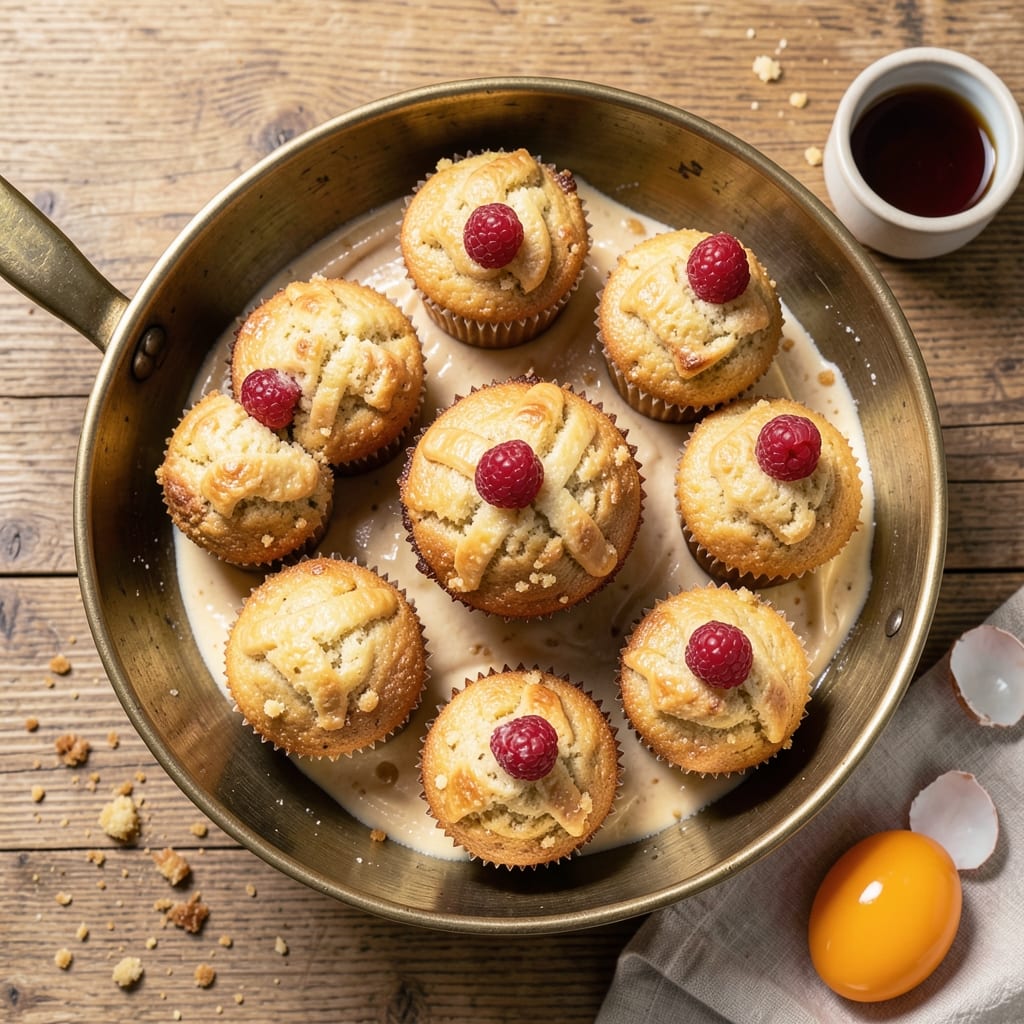
Baking cupcakes from a cake recipe is the perfect way to enjoy your favorite dessert in convenient, single-serving portions. The key difference lies in batter consistency and baking times—cupcakes need slightly less liquid and a longer bake to prevent overflow. This method preserves all the flavor while adapting the texture for ideal cupcake results.
Start with your preferred cake recipe and reduce all liquid ingredients by 10% to prevent cupcakes from becoming too dense or spreading excessively. Use a standard muffin tin and fill liners only halfway—overfilling leads to messy tops. Bake at 350°F for 18-22 minutes, or until a toothpick comes out clean, as cupcakes bake faster than cakes.
The result is tender, moist cupcakes with a perfect dome shape, ready for your favorite frosting or glaze. This technique works for any cake recipe—vanilla, chocolate, or spice cakes—making it ideal for parties, gifts, or satisfying a single craving. The portion control also reduces waste, letting you enjoy cake without the commitment.
For even better results, let cupcakes cool completely before frosting to prevent melting. Store in an airtight container for up to 3 days, or freeze for longer storage. This method turns a classic cake into a versatile, crowd-pleasing treat with minimal effort.
Ingredients for baking cupcakes from cake
Twelve cupcakes from one cake recipe—same rich flavor, perfect portion control.
| Ingredient | Amount | Notes |
|---|---|---|
| All-Purpose Flour 🌾 | 2 ½ cups | Sifted for lighter texture |
| Granulated Sugar 🍚 | 1 ½ cups | White or light brown |
| Unsalted Butter 🧈 | 1 cup | Room temperature, cubed |
| Large Eggs 🥚 | 2 whole | Room temperature preferred |
| Vanilla Extract 🍯 | 1 tbsp | Pure, high-quality extract |
| Baking Powder 🍃 | 2 tsp | Aluminum-free preferred |
| Salt 🧂 | ½ tsp | Fine sea salt |
| Milk 🥛 | ½ cup | Whole milk for richness |
| Cupcake Liners 🧧 | 12 whole | Standard 2-inch size |
| Food Coloring (optional) 🎨 | ¼ tsp | Gel-based for precision |
| Vanilla Bean Paste (optional) 🍯 | ½ tsp | For enhanced flavor |
| Buttercream Frosting (optional) 🧁 | 2 cups | For serving and decorating |
The flour is where the magic happens. King Arthur or Gold Medal brands give the best rise, but any all-purpose works. Sifting is non-negotiable—it aerates the batter for that tender cupcake crumb. Butter should be room temperature but not melted—cold lumps will create dense pockets. For the vanilla, pure Madagascar bourbon extract adds depth, but imitation works in a pinch. The baking powder is crucial—aluminum-free ensures no metallic aftertaste. Milk adds moisture, but whole milk gives richer flavor than skim.
No vanilla extract? Vanilla bean paste or even a scraped vanilla bean works beautifully. Short on butter? Coconut oil or applesauce at half the amount keeps things moist. The optional food coloring? Gel-based won't alter moisture levels like liquid dyes. For the frosting, homemade buttercream is ideal, but store-bought in a squeeze bottle saves time. The liners? Standard 2-inch size fills perfectly—no need for fancy ones unless you're decorating.
Batter keeps 2 days in the fridge, covered. For make-ahead prep, bake cupcakes 1 day ahead—they actually improve overnight. Store frosted cupcakes in an airtight container for 3 days. Freeze unfrosted cupcakes for 3 months—thaw at room temp before adding frosting. Pro tip: Underfill liners by 1/4 to prevent overflowing.
Why You'll Love This Recipe
- No Extra Tools Needed: I swear by this trick—just grab a muffin tin and a whisk. No mixer, no fancy pans, just the basic stuff you already have. The butter and sugar cream out in minutes, and the eggs blend right in without fuss.
- Rich Vanilla Kiss: That deep vanilla flavor? It’s not just a drop—it’s the star. The butter keeps them tender while the sugar caramelizes just enough to give every bite a subtle sweetness that’s almost too good.
- Double-Duty Magic: Make a whole cake batch, then divide it into cupcakes for birthdays or breakfast. Honestly, I’ve used them for both—warm with a sprinkle of sugar or frosted with cream cheese. Works every time.
- Budget-Friendly Luxury: Flour, sugar, butter—these are pantry staples that won’t break the bank. A single batch gives you 12 cupcakes (or a full cake) for less than $5. That’s homemade dessert without the guilt.
Step-by-step instructions for perfectly portioned cupcakes
Here's how to transform your favorite cake recipe into 12 perfectly portioned cupcakes.
Prep Ingredients for Light, Fluffy Results
Start by sifting the 2.5 cups all-purpose flour and 2 tsp baking powder together in a medium bowl. This step removes lumps and aerates the dry ingredients, which gives your cupcakes that light, airy texture we all love. I like to sift right into the mixing bowl to keep things simple.
In a separate large bowl, cream the 1 cup unsalted butter and 1.5 cups granulated sugar together on medium speed until light and fluffy—about 3-4 minutes. You'll notice the mixture nearly doubles in volume and becomes pale in color. This creaming process incorporates air, which helps your cupcakes rise beautifully. If your butter isn't room temperature, you'll see little butter chunks—let it sit at room temperature for another 15 minutes before starting.
Add Wet Ingredients and Mix Until Just Combined
Add the 2 whole large eggs, one at a time, mixing well after each addition. Then stir in the 1 tbsp vanilla extract and 0.5 tsp salt. For extra flavor depth, add the 0.5 tsp vanilla bean paste now if using. Mix on low speed until everything is incorporated—about 30 seconds. Overmixing here can develop gluten and make your cupcakes tough, so stop as soon as you see no more streaks of flour.
Gradually add the 0.5 cup milk while mixing on low speed until smooth. If you're using the optional 0.25 tsp food coloring, add it now and mix until evenly distributed. The batter should be smooth and slightly thick, like a thick pancake batter. If it looks too thin, add 1-2 tablespoons more flour to reach the right consistency.
Combine Wet and Dry Ingredients Gently
With the mixer on low speed, gradually add the sifted dry ingredients to the wet mixture. Mix just until combined—about 15-20 seconds. You should still see some small flour streaks, which means you haven't overdeveloped the gluten. Stop mixing as soon as everything comes together. Overmixing at this stage is the #1 reason cupcakes turn out dense.
Here's the thing—cupcake batter behaves differently than cake batter. It's thicker and more forgiving, but you still want to handle it gently. Once fully combined, let the batter sit at room temperature for 10 minutes while you preheat your oven. This resting period helps the flour fully hydrate and ensures even baking.
Fill Liners and Bake to Golden Perfection
Preheat your oven to 350°F and place the oven rack in the center position. Line a muffin tin with 12 whole cupcake liners, filling each one about ⅔ full with batter. I use a medium-sized ice cream scoop for even portions—this ensures consistent baking times and heights. Tap the muffin tin gently on the counter to remove any air bubbles from the batter.
Bake for 18-22 minutes, or until a toothpick inserted into the center comes out clean. The cupcakes are done when the tops spring back when gently touched and have a slight crack in the center. Watch closely after 18 minutes—ovens vary, and you don't want them to overbake. Rotate the pan halfway through for even baking if your oven has hot spots.
Cool and Frost for Serving
Let the cupcakes cool in the pan for 5 minutes, then transfer them to a wire rack to cool completely. This cooling step is crucial—it allows the cupcakes to set properly before frosting. If you frost them too soon, the buttercream will melt and create a soggy bottom.
Once completely cooled, you can pipe or spread the 2 cups buttercream frosting on top. For a classic look, I like to use a star tip for piping. The frosting should be at room temperature for easy spreading. If you're feeling fancy, add sprinkles or a dusting of powdered sugar before serving. These cupcakes keep well at room temperature for up to 3 days in an airtight container.
Pro Tips For Making Baking Cupcakes From Cake
- Scale Down Carefully: Cut your cake recipe in half—but not just by eyeballing. Use a kitchen scale for the flour (225g for a 9-inch cake becomes ~110g for 12 cupcakes) and reduce butter/sugar by weight too. I learned this the hard way when my first batch turned dense because I halved by volume instead.
- Room-Temp Eggs Matter: Whisk eggs at room temperature, not straight from the fridge. Cold eggs mix unevenly with butter, creating pockets that make cupcakes sink in the middle. I was skeptical until I tried it—now it’s non-negotiable.
- Fill Cups Only ⅔ Full: Overfilling cupcake liners is the fastest way to flat tops and uneven baking. Use a cookie scoop or spoon to measure batter—tap the pan gently on the counter to settle it before baking. Trust me, your cupcakes will thank you.
- Bake One Rack, Rotate Pan: Preheat oven to 350°F (175°C) and place the pan on the middle rack—but don’t leave it there. After 10 minutes, swap the pan front-to-back for even heat. I used to ignore this, and my edges always burned while centers stayed raw.
Make-ahead tips for this dish
Batter Prep Ahead
Make your cupcake batter up to 2 days in advance and store it in an airtight container in the refrigerator. When ready to bake, let it sit at room temperature for 30 minutes before mixing again—this ensures even baking. I always double-check the batter consistency after resting; if it looks too thick, add 1 tablespoon milk to restore moisture. 💛
Bake and Freeze
Bake cupcakes 1 day ahead and let them cool completely before frosting. Store unfrosted cupcakes in a freezer-safe airtight container for up to 3 months. Thaw at room temperature for 1-2 hours before adding frosting. The key is to avoid condensation—wrap each cupcake individually in plastic wrap before freezing for best results.
Frosting Make-Ahead
Prepare your buttercream frosting 1 day ahead and store it in the fridge. Bring it to room temperature before using—this prevents lumps and makes piping easier. I like to add 1 teaspoon lemon juice to the frosting when making it ahead; this keeps it fresh and prevents it from drying out. For extra flair, pipe simple rosettes or swirls onto cooled cupcakes before storing.
Portion Control Tips
Use an ice cream scoop for consistent batter portions—this ensures even baking times. Fill liners only ⅔ full to prevent overflow, especially with recipes containing extra moisture like carrot cake. For extra stability, place a paper towel under each liner before adding batter—this absorbs excess moisture and helps cupcakes bake evenly. 🔥
Storage Hacks
Frosted cupcakes keep best in a single layer in an airtight container at room temperature for 3 days. For longer storage, freeze frosted cupcakes for up to 1 month—just thaw at room temperature before serving. To prevent soggy bottoms, place a parchment paper barrier between layers if stacking in the container.
Reheating Tricks
If your cupcakes seem dry after freezing, brush the tops with 1 teaspoon warm water before adding fresh frosting. For extra moisture, warm cupcakes in the microwave for 10-15 seconds on low power before frosting. This quick step revives texture without overcooking. Always let cupcakes return to room temperature before serving for the best texture. ✨
Nutrition facts
Frequently asked questions
Why do cupcakes made from cake recipes need less liquid?
Cupcakes bake faster than cakes, so reducing liquids by 10% prevents excess moisture that causes dense, flat results. The smaller volume means heat escapes quicker, so less liquid helps maintain proper texture. Think of it like baking a cake in a smaller pan—you'd use less batter, not more!
Can I use any cake recipe to make cupcakes?
Yes! Almost any cake recipe works, but avoid recipes with high moisture content (like pound cake) without adjustments. For best results, choose recipes with 1:1:1:2 ratio (flour:sugar:fat:liquid) or slightly less liquid. Dense recipes like carrot cake may need 15-20% less liquid to prevent overflow.
How do I prevent cupcakes from cracking on top?
Cracking happens when cupcakes bake too fast or dry out. To fix this, reduce oven temp by 25°F and bake for 2-3 minutes longer. Also, avoid opening the oven door early. For extra insurance, place a paper towel under liners to absorb excess moisture.
What's the best way to tell when cupcakes are done?
Use the toothpick test: Insert a toothpick into the center—it should come out clean or with a few moist crumbs. The edges should pull away slightly from the liner, and the top should spring back when gently touched. Watch after 18 minutes—cupcakes bake faster than cakes!
Can I make cupcakes without liners?
Technically yes, but liners make cleanup easier and prevent cupcakes from sticking. If skipping liners, grease the muffin tin thoroughly with butter or nonstick spray. Place a paper towel under the tin to absorb grease. The texture will be slightly different but still delicious!