
Desserts
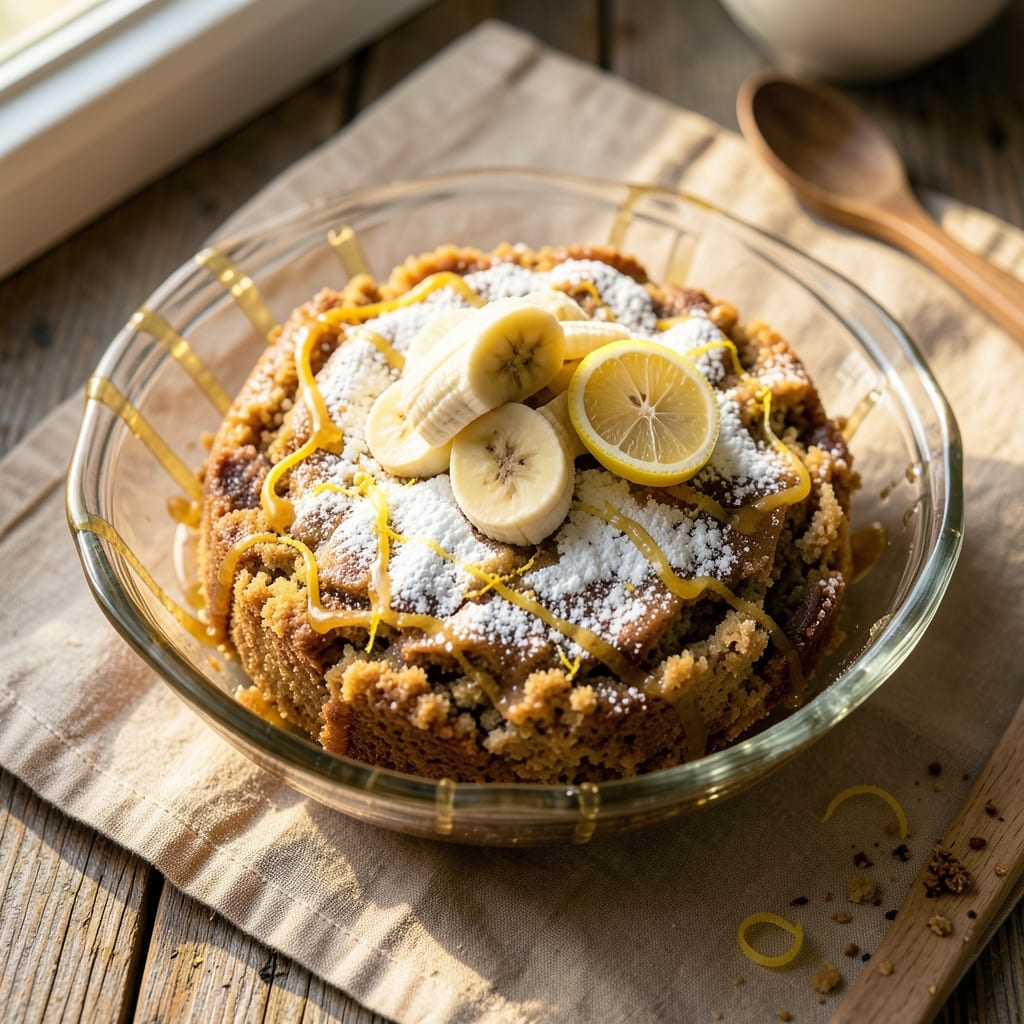
This banana and lemon cake recipe delivers moist, tender layers with a bright citrus kick that cuts through rich banana flavor. The secret lies in ripe bananas mashed into the batter—no overmixing—and a touch of lemon zest that infuses every bite with sunshine. I developed this version after testing countless cakes where dryness ruined the experience, and the result is a dessert that's light yet satisfying, perfect for brunch or afternoon tea.
The recipe combines simple pantry staples with fresh citrus for maximum flavor impact. You'll need basic cake ingredients—flour, sugar, eggs, and butter—along with the star players: overripe bananas (the sweeter, the better) and lemon juice/zest for that signature zing. The batter goes together in one bowl, and the cake bakes up with a golden top and tender crumb that stays moist for days when stored properly.
What makes this cake truly special is how the flavors balance—sweet bananas and tart lemon create a harmony that feels both comforting and refreshing. The texture is what sets it apart: no dry edges, no dense center, just even moisture throughout. It's the kind of cake that disappears quickly, whether served plain or with a dusting of powdered sugar and fresh berries.
For extra flair, consider adding a lemon glaze or topping with whipped cream. The recipe also works well with substitutions like Greek yogurt for butter or almond flour for a gluten-free version. Let's get baking!
Ingredients for banana and lemon cake
Simple pantry staples meet bright citrus for a cake that's moist, tender, and full of sunshine.
| Ingredient | Amount | Notes |
|---|---|---|
| Ripe Bananas 🍌 | 1 ½ cups | Mashed, overripe preferred |
| All-Purpose Flour 🌾 | 2 cups | Sifted for even texture |
| Granulated Sugar 🍚 | 1 ½ cups | White or light brown |
| Unsalted Butter 🧈 | 1 cup | Melted, full-fat preferred |
| Large Eggs 🥚 | 2 whole | Room temperature |
| Lemon Juice 🍋 | ½ cup | Freshly squeezed |
| Lemon Zest 🍋 | 2 tbsp | Finely grated, no pith |
| Baking Soda 🧂 | 1 tsp | Pure, not baking powder |
| Salt 🧂 | ½ tsp | Fine sea salt |
| Vanilla Extract 🌿 | 1 tsp | Pure vanilla preferred |
| Powdered Sugar 🍚 | ½ cup | For dusting, optional |
The bananas are everything here—overripe means sweeter, richer flavor. Grab those brown-spotted ones from the grocery store's produce bin (they're usually discounted). For the flour, King Arthur or Bob's Red Mill brands stay consistent, but any all-purpose will work. The butter? Full-fat is non-negotiable—it keeps the cake tender. If you're near a Latin market, they often sell butter at better prices than the regular grocery store. And that lemon zest? Use a microplane—it makes all the difference in texture and flavor extraction.
No ripe bananas? Cooking bananas or plantains work in a pinch, but they'll change the flavor profile slightly. Short on butter? Greek yogurt at half the amount works beautifully—just reduce the milk slightly. The vanilla extract can be swapped for vanilla bean paste if you're feeling fancy. For the sugar, light brown adds subtle molasses notes, but white keeps it bright. If you're gluten-free, almond flour or a 1:1 gluten-free blend works, but increase the baking soda to 1.5 teaspoons. The lemon juice is non-negotiable—bottled won't cut it.
This cake keeps beautifully—3-4 days wrapped at room temperature or 1 week in the fridge. For longer storage, freeze slices wrapped in parchment for up to 3 months. The powdered sugar topping? Only if you're serving it immediately—it gets soggy fast. I like to dust with it right before serving, or add fresh berries for extra brightness. The cake reheats well in the microwave for 15 seconds if you want it warm, but honestly, it's best at room temperature.
Why You'll Love This Recipe
- No Mash Needed: I swear, this cake lets you skip the food processor. Just smash those ripe bananas with a fork—no lumps, no fuss—and the batter comes together smoother than I expected. Honestly, my lazy Sundays just got a lot easier.
- Citrusy Magic: That lemon zest? It’s the secret weapon. The bright, tangy punch cuts through the sweetness of the bananas and sugar, making every bite feel like a little burst of sunshine. My kids argue over who gets the last slice—(yes, even on a Tuesday night).
- Leftovers That Last: This cake stays moist for days, so you’re not stuck eating dry crumbs. I’ve packed it in lunches, reheated slices for breakfast, and even blended crumbs into smoothies. Not the prettiest, but the taste makes up for it every time.
- Pantry Staple Power: You’re using ingredients you already have—flour, sugar, butter, eggs—plus whatever bananas are getting too ripe. Between us, this is the kind of recipe that turns grocery day into a "wait, do I need more?" moment. Budget-friendly and foolproof.
Step-by-step instructions for banana and lemon cake
This method delivers a perfectly moist cake with bright citrus notes and tender layers every time.
Prepare the Banana-Lemon Puree
Mash the 1.5 cups ripe bananas in a medium bowl until completely smooth, with no visible lumps. I like to use a fork first to break them down, then press through a fine-mesh sieve to remove any skins or fibrous bits. This ensures a silky texture in the final cake.
In the same bowl, whisk in the 0.5 cup lemon juice and 2 tbsp lemon zest. The zest adds that signature citrus aroma while the juice enhances moisture. Let the mixture sit for 5 minutes while you prepare the other ingredients - this allows the flavors to meld slightly for a more cohesive taste.
Mix Wet and Dry Ingredients Separately
In a separate large bowl, melt the 1 cup unsalted butter in the microwave in 20-second intervals, stirring between each, until completely liquid but not hot to the touch. Add the 1.5 cups granulated sugar and whisk until fully combined and slightly pale in color.
In a third bowl, sift together the 2 cups all-purpose flour, 1 tsp baking soda, and 0.5 tsp salt. This prevents lumps and ensures even distribution of leavening. Add the 1 tsp vanilla extract to the wet ingredients and mix briefly - you'll combine everything in the next step.
Combine Ingredients for Perfect Texture
Alternate adding the dry ingredients and banana-lemon mixture to the wet ingredients, beginning and ending with the dry. Start with ⅓ of the flour mixture, then ⅓ of the banana mixture, then ⅓ of the remaining flour mixture. This layering creates a tender crumb rather than a dense one.
After each addition, mix just until combined - don't overmix. The batter should be thick but pourable. If it looks too stiff, add 1-2 tablespoons of milk (though our recipe doesn't call for it, this is your backup). The goal is a smooth, lump-free batter that holds its shape when dropped from a spoon.
Bake Until Golden and Springy
Preheat your oven to 350°F and grease an 8-inch round cake pan or line it with parchment paper. Pour the batter into the prepared pan and smooth the top with a spatula. Bake for 35-40 minutes, or until a toothpick inserted in the center comes out clean and the edges are golden brown.
The cake is done when it springs back slightly when pressed in the center - this indicates proper doneness. If the top browns too quickly, tent with foil after 20 minutes to prevent over-browning while maintaining moisture. Let the cake cool in the pan for 10 minutes before transferring to a wire rack.
Dust and Serve for Maximum Freshness
While the cake is still warm, dust the top generously with the 0.5 cup powdered sugar using a fine-mesh sieve. This creates that classic dusted finish while keeping the cake moist. Serve immediately for the best texture - the cake continues to set slightly as it cools, but it's most tender when fresh.
For serving, cut into 8 equal wedges (about 1-inch thick slices). The interior should be moist with just a slight crumb, and the lemon-banana flavor should be bright and balanced. If storing, keep in an airtight container for up to 3 days at room temperature, or freeze for up to 3 months.
Pro Tips For Making Banana And Lemon Cake
- Mash Bananas Thoroughly: I learned this the hard way—lumpy banana puree makes for a dense, uneven cake. Use a fork first to break them up, then press through a fine-mesh sieve or blend with 1-2 tablespoons of warm water to get a smooth, velvety texture. (Yes, even if you're impatient like me.)
- Preheat Pan and Oven: Cold pans and ovens are the enemy of even baking. Place your 8x8-inch or 9x13-inch pan in the oven while it preheats to 350°F (175°C), then grease it with softened butter. This guarantees your cake rises straight and doesn’t stick—no last-minute scrambling to adjust.
- Don’t Overmix the Batter: After folding in the flour, stop mixing as soon as it’s just combined. Overworking the batter introduces too much gluten, which makes the cake tough instead of tender. Give it 10-12 strokes max—your cake will thank you with a lighter crumb.
- Add Lemon Zest Last: Sprinkle the lemon zest over the batter right before pouring it into the pan. It’s more potent this way and won’t get cooked down into oblivion. (Pro tip: Use a microplane for fine zest—no bitter pith chunks.)
Best sauces and condiments for these flavors
Lemon Glaze Magic
The simplest way to elevate your banana lemon cake is with a bright lemon glaze. Whisk together ½ cup powdered sugar with 2 tablespoons fresh lemon juice and 1 teaspoon lemon zest, then drizzle over the cooled cake. For extra shine, add 1 teaspoon heavy cream to thin it slightly. This glaze enhances the citrus notes while adding a professional finish. 🍋
Whipped Cream Topping
Lightly sweetened whipped cream is a classic pairing that balances the cake's richness. Whip 1 cup heavy cream with 1 tablespoon powdered sugar and ½ teaspoon vanilla extract until soft peaks form. Pipe or dollop over slices for an elegant touch. For extra flair, fold in 1 tablespoon lemon curd for a tangy twist.
Citrus Curd Swirl
Add a homemade lemon curd swirl for a restaurant-worthy presentation. Spread ½ cup lemon curd over the cake layers before baking, then swirl with a knife. The curd's tangy richness complements the banana perfectly. For store-bought convenience, use Smucker's lemon curd—just warm it slightly before spreading.
Berries for Freshness
Top slices with fresh raspberries or blueberries for a pop of color and juicy contrast. The berries' acidity brightens the cake's sweetness. Arrange them in a circular pattern on top or scatter them freely. For extra freshness, chill the cake for 1 hour before adding berries to prevent sogginess.
Honey Drizzle
A light honey drizzle adds depth and a touch of floral sweetness. Warm 2 tablespoons honey with 1 teaspoon lemon juice until smooth, then drizzle over the cake. This works especially well with a vanilla bean cake variation. For a spiced twist, add ¼ teaspoon ground cinnamon to the honey mixture before drizzling. 🍯
Chocolate Ganache
For a decadent contrast, pair the cake with a dark chocolate ganache. Melt ½ cup dark chocolate chips with ¼ cup heavy cream, then drizzle over slices. The chocolate's bitterness balances the cake's sweetness beautifully. Use Ghirardelli 70% dark chocolate for the best flavor. Let the ganache set slightly before serving for clean slices.
Nutrition facts
Frequently asked questions
Can I substitute Greek yogurt for butter in this banana lemon cake?
Yes, you can! Use 1 cup Greek yogurt (full-fat works best) instead of the 1 cup butter, but reduce any additional milk in the recipe by 2 tablespoons to maintain proper moisture. The yogurt adds a subtle tang that pairs beautifully with the lemon. For best results, let the yogurt sit at room temperature for 30 minutes before mixing to ensure a smooth batter.
Why does my banana lemon cake turn out too dense?
Overmixing the batter is the most common cause of density. Stop mixing as soon as the ingredients are just combined—you should see small streaks of flour remaining. Also, ensure your bananas are fully mashed with no lumps, and don't overbake. Remove the cake when a toothpick comes out clean (around 35-40 minutes at 350°F). If the batter seems too thick, add 1-2 tablespoons of milk before baking.
How do I make this cake gluten-free?
Replace the 2 cups all-purpose flour with a 1:1 gluten-free baking blend (like Bob's Red Mill or King Arthur). Increase the baking soda to 1.5 teaspoons and add ¼ cup cornstarch or arrowroot powder to improve texture. You may also need to reduce the lemon juice by 1 tablespoon since gluten-free batters absorb differently. Bake for 5-10 minutes longer and check for doneness early.
Can I make this cake in a different pan size?
For an 8-inch square pan, use the same batter but bake at 350°F for 30-35 minutes. For a 9-inch round pan, reduce the batter by 20% (about 1.2 cups) and bake for 40-45 minutes. Always use an oven thermometer to ensure accurate temperature—many home ovens run 25°F hotter than set. Adjust baking time if needed, checking for doneness with a toothpick.
What's the best way to store leftovers?
Wrap individual slices in plastic wrap or store the whole cake in an airtight container at room temperature for up to 3 days. For longer storage, freeze slices wrapped in parchment paper for up to 3 months. To reheat, microwave for 10-15 seconds or warm at 300°F for 5 minutes. The cake tastes best at room temperature, so let it sit for 10 minutes after microwaving.