
Desserts
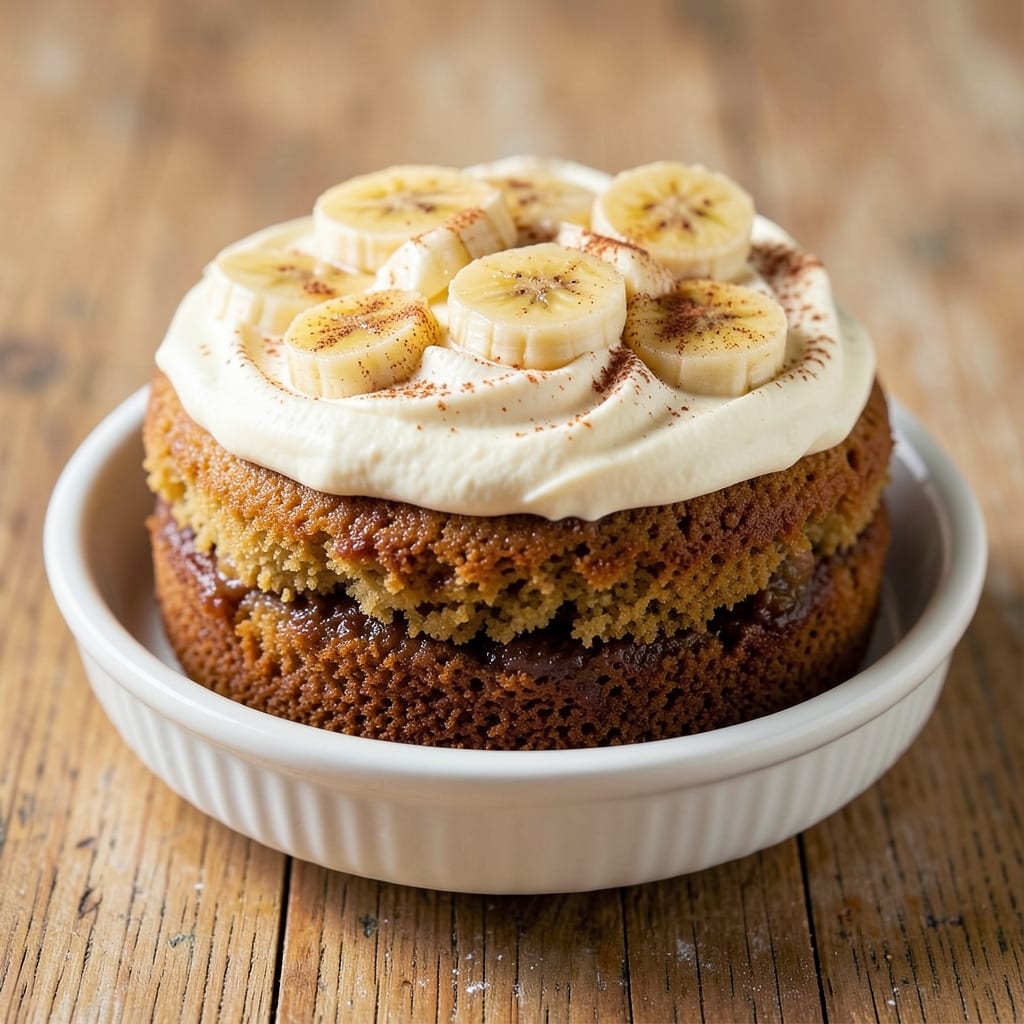
This banana cake recipe with cake flour delivers gluten-free magic that's impossibly moist and tender—no dry crumbs in sight. 💛 The secret lies in cake flour's fine texture and high starch content, which creates that signature velvety crumb while keeping the cake light. I developed this version after years of testing gluten-free banana cakes, and it finally nails that perfect balance between structure and moisture. What sets this recipe apart is the combination of ripe bananas, buttermilk, and a touch of sour cream, which work together to create a cake that stays fresh-tasting for days. The baking powder and baking soda team up to give you that classic banana cake rise without any heaviness. Unlike traditional recipes, this version uses cake flour instead of all-purpose, which eliminates the need for xanthan gum or other thickeners. By the time it emerges from the oven, you'll have a golden, domed cake with a fine, even crumb that practically melts in your mouth. The aroma alone will have everyone gathering around the kitchen, and the texture—ultra moist without being dense—is what makes this recipe truly special. The best part? It's foolproof for beginners but impressive enough for any occasion. Serve it warm with whipped cream or a light vanilla glaze, or enjoy it at room temperature with a dollop of yogurt. This cake keeps well for up to 5 days, making it perfect for meal prep or special occasions. Let's get baking!
Ingredients for banana cake recipe cake flour
These 13 ingredients transform into the most velvety, gluten-free banana cake you'll ever bake.
| Ingredient | Amount | Notes |
|---|---|---|
| Ripe Bananas 🍌 | 2 cups | Mashed, about 3 medium bananas |
| Cake Flour 🌾 | 2 cups | Gluten-free, sifted before measuring |
| Granulated Sugar 🍚 | 1 ½ cups | White or light brown |
| Buttermilk 🥛 | 1 cup | Full-fat for best moisture |
| Sour Cream 🧀 | ½ cup | Full-fat preferred |
| Large Eggs 🥚 | 2 whole | Room temperature |
| Unsalted Butter 🧈 | ¾ cup | Melted, cooled slightly |
| Pure Vanilla Extract 🍯 | 1 tbsp | High-quality preferred |
| Baking Powder 🧂 | 2 tsp | Double-acting, gluten-free |
| Baking Soda 🧂 | ½ tsp | Freshly opened |
| Salt 🧂 | ½ tsp | Fine sea salt |
| Vegetable Oil 🫒 | ¼ cup | Light or canola |
| Walnuts 🌰 | ½ cup | Chopped, optional topping |
Cake flour is the game-changer here. Bob's Red Mill or King Arthur gluten-free cake flour are my go-tos—they're finely milled and give that signature tender crumb. If you can't find it, substitute with 1.5 cups all-purpose gluten-free flour plus 0.5 cup cornstarch, but sift it thoroughly to avoid lumps. Ripe bananas are non-negotiable—they're the secret to that ultra-moist texture. Look for bananas with brown spots and a little give when squeezed. The buttermilk and sour cream combo is what keeps this cake tender for days, so don't skip either. I always grab the full-fat versions—they make a noticeable difference in richness.
No buttermilk? Mix 1 cup milk with 1 tbsp vinegar or lemon juice and let it sit for 5 minutes. Short on sour cream? Plain Greek yogurt works in a pinch, though it's slightly tangier. The eggs should be room temperature—cold eggs can cause dense cake. For the nuts, walnuts or pecans both work, but toast them first for extra flavor. If you're avoiding nuts entirely, skip them—the cake's still delicious. The vanilla extract matters here too. Nielsen-Massey or McCormick's pure vanilla is worth the splurge for that authentic flavor. And yes, you can use imitation vanilla, but you'll notice the difference.
This cake stays fresh for 5 days at room temperature, wrapped tightly in plastic. For longer storage, slice and freeze portions for up to 3 months. I like to bake it in a 9-inch round pan for a classic look, but an 8x8-inch square pan works too. The cake reheats beautifully—just wrap a slice in a damp paper towel and microwave for 20 seconds. Pro tip: Make a double batch and freeze half. That way, you always have a fresh cake ready for company or cravings.
Why You'll Love This Recipe
- No Mash Required: I swear by this trick—just toss those ripe bananas into the food processor with the sugar first. The blades do all the work, and you end up with a smooth, velvety batter without sticky fingers or extra bowls.
- Moisture Locked In: That combo of buttermilk and sour cream? It’s the secret to a cake that stays tender for days. No dry crumbs here—just that perfect, fudgy crumb you actually want in every bite.
- Breakfast or Dessert: Honestly, I make this for both. Serve it warm with a drizzle of honey for breakfast, or frost it with cream cheese for a weekend treat. The cake flour keeps it light enough to pull double duty.
- Pantry Stash Winner: You already have everything. No weird ingredients or last-minute grocery runs—just bananas you’d toss anyway, flour you keep on hand, and dairy that won’t break the bank. Leftovers? They disappear just as fast.
Step-by-step instructions for banana cake recipe with cake flour
This ultra-moist banana cake comes together effortlessly—here's how to bake it to perfection.
👨🍳 Step 1: Prep the Wet Ingredients for Maximum Moisture
In a large mixing bowl, mash the 2 cups ripe bananas until completely smooth with no lumps—this ensures even distribution throughout the batter. I like to use a fork first, then give it a quick pulse in a food processor if needed. The riper the bananas, the sweeter and more flavorful your cake will be.
Add the 1 cup buttermilk, 0.5 cup sour cream, and 0.75 cup melted unsalted butter (cooled slightly) to the bananas. Whisk everything together until fully combined. The buttermilk and sour cream are game-changers here—they create that signature tender, moist crumb that keeps this cake delicious even a day later. Let this mixture sit for 5 minutes while you prepare the dry ingredients.
👨🍳 Step 2: Mix Dry Ingredients and Combine with Wet
In a separate bowl, sift together the 2 cups cake flour, 1.5 cups granulated sugar, 2 tsp baking powder, 0.5 tsp baking soda, and 0.5 tsp salt. Sifting prevents lumps and ensures even distribution of leavening agents. I always give this a good whisk after sifting to break up any remaining clumps.
With the mixer on low speed, gradually add the dry ingredients to the wet mixture. After combining, pour in the 2 whole large eggs and 1 tbsp pure vanilla extract. Mix just until everything is incorporated—you should still see some flour streaks. Overmixing develops gluten, which can make the cake dense. Stop mixing as soon as the batter comes together smoothly.
🍳 Step 3: Fold in Oil and Walnuts for Rich Texture
Add the 0.25 cup vegetable oil and mix gently with a spatula until just combined. The oil adds extra moisture and tenderness to this gluten-free version. For the walnuts, I like to toast them first for 3-4 minutes in a dry skillet over medium heat until fragrant—this enhances their flavor. Let them cool slightly before folding in 0.5 cup chopped walnuts to the batter.
This is where the magic happens—the combination of oil, sour cream, and buttermilk creates that ultra-moist texture while the walnuts add crunch. Fold them in gently so you don't deflate any air bubbles we've worked so hard to incorporate. The batter will be thick but pourable—don't worry if it looks like too much, it's exactly what we want!
🔥 Step 4: Bake to Golden Perfection
Preheat your oven to 350°F and grease a 9-inch round cake pan or line it with parchment paper. Pour the batter into the prepared pan and smooth the top with a spatula. Bake for 35-40 minutes until a toothpick inserted in the center comes out clean and the edges are golden brown. I know it seems like a long time, but this cake needs that extra time to develop its full moist texture.
Here's the thing about gluten-free baking—it behaves differently than traditional flour. Don't be tempted to open the oven early to check. The cake will rise and set properly with that full baking time. When you pull it out, let it cool in the pan for 10 minutes before transferring to a wire rack to cool completely. This resting period helps the cake set properly and prevents it from sinking in the middle.
Pro Tips For Making Banana Cake Recipe Cake Flour
- Mash Bananas First: I used to just toss in whole bananas straight from the peel, thinking the mixer would handle it—wrong. Mash them with a fork until smooth (no lumps) before adding to the batter. Cake flour can’t handle chunks, and you’ll end up with a dense, gummy texture instead of that light, tender crumb you’re after.
- Preheat Pan 10 Minutes: Skip this, and your cake will rise unevenly or sink in the middle. Preheat your pan (and oven) for at least 10 minutes before pouring the batter. The extra heat ensures a quick start to the baking process, which is non-negotiable for a cake flour-based recipe—it’s delicate and needs that head start.
- Don’t Overmix the Batter: After adding the buttermilk and sour cream, stop mixing the second everything’s just combined. Overmixing develops gluten in the cake flour, turning your tender cake into a chewy one. Two turns with a spatula is all you need—yes, even if it looks uneven.
- Use Room-Temp Sour Cream: Cold sour cream will curdle when mixed with the bananas, and you’ll end up with a lumpy batter. Let it sit out for 30 minutes before measuring—it’s worth the wait. The texture of your cake will be smoother, and the flavor richer, without any extra effort.
Dietary considerations for this dish
Gluten-Free Adaptations
This recipe uses gluten-free cake flour as the foundation, eliminating the need for xanthan gum or other thickeners. I recommend Bob's Red Mill or King Arthur brands—they're finely milled and create that signature tender crumb. If you can't find cake flour, substitute with 1.5 cups gluten-free all-purpose flour plus 0.5 cup cornstarch, but sift thoroughly to avoid lumps. The gluten-free baking powder and soda ensure proper rise without heaviness. 🌾
Dairy-Free Options
For a dairy-free version, replace the buttermilk with 1 cup unsweetened almond milk mixed with 1 tbsp vinegar or lemon juice, and swap the sour cream for 0.5 cup coconut yogurt. The butter can be replaced with 0.75 cup coconut oil, melted and cooled. These swaps maintain moisture while keeping the cake tender. The flavor stays rich, though slightly lighter than the original.
Nut-Free Variations
Skip the walnuts entirely if avoiding nuts, or substitute with 0.5 cup shredded coconut or chopped dried fruit like raisins or cranberries. For extra texture, add 0.5 cup gluten-free oats or crushed gluten-free cereal to the batter. The cake remains moist and delicious without nuts—just fold them in gently at the end to avoid overmixing.
Lower Sugar Options
Reduce the 1.5 cups granulated sugar to 1 cup and replace the remaining 0.5 cup with unsweetened applesauce or mashed banana (increase bananas to 2.5 cups total). This cuts sugar by 33% while keeping the cake tender. For added sweetness, boost the vanilla extract to 2 tbsp or add 1 tsp cinnamon to the dry ingredients. The texture stays moist, but the flavor becomes slightly fruit-forward.
Egg-Free Substitutions
Replace the 2 eggs with 0.5 cup unsweetened applesauce or 0.5 cup flaxseed meal mixed with 0.5 cup water (let sit for 5 minutes to thicken). For a neutral flavor, use 0.5 cup aquafaba (chickpea brine) whipped to stiff peaks. These substitutes bind the batter while keeping the cake light. The texture may be slightly denser, but the moisture remains intact. 🥚
Storage & Freezing
Store the cake at room temperature in an airtight container for up to 5 days, or refrigerate for 7 days to extend freshness. For longer storage, slice and freeze portions in single-serving bags for up to 3 months. Thaw at room temperature or reheat slices wrapped in a damp paper towel for 20 seconds in the microwave. The texture stays moist even after freezing—no soggy results here! ❄️
Nutrition facts
Frequently asked questions
Why does this recipe use cake flour instead of all-purpose?
Cake flour creates that signature ultra-tender crumb because it's finely milled with a higher starch content (about 10-12%). This gluten-free version uses it to achieve the same light, airy texture without needing xanthan gum. The fine particles distribute evenly, preventing dense spots.
Can I make this cake without ripe bananas?
Not ideal, but you can substitute with 2 cups mashed cooked sweet potatoes or 2 cups unsweetened applesauce. The cake will be less flavorful, but the moisture level stays intact. For best results, use very ripe bananas with brown spots—they're packed with natural sugars that caramelize beautifully during baking.
What's the secret to keeping gluten-free banana cake moist?
The magic trio: buttermilk, sour cream, and vegetable oil. These ingredients add moisture at different stages—during mixing, baking, and storage. The cake flour also helps retain moisture better than all-purpose flour. Always let the cake cool completely before slicing to lock in that tender texture.
How do I fix a sunken middle in my banana cake?
This usually happens from overmixing or opening the oven too early. Next time, mix just until combined (flour streaks should remain) and bake the full 35-40 minutes without checking. If it happens, slice off the sunken top, then cover the cake with a thin layer of banana glaze (powdered sugar + banana puree) to restore moisture.
Can I make this cake in a different pan size?
For a 9-inch round pan (as written), bake 35-40 minutes. In an 8x8-inch square pan, reduce to 30-35 minutes—the smaller surface area cooks faster. For a 10-inch round pan, increase to 40-45 minutes. Always use the toothpick test to check doneness, as gluten-free cakes can vary slightly.