
Desserts
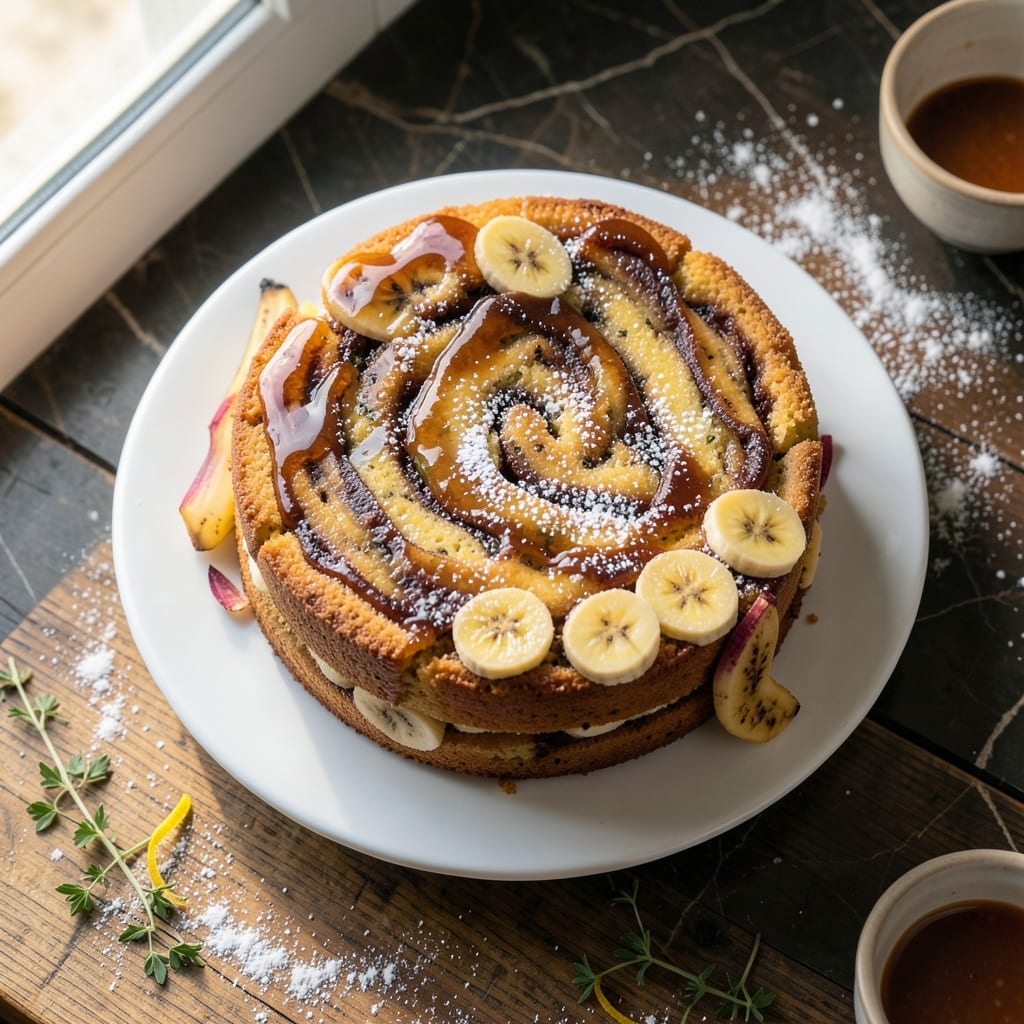
This banana Ogura cake recipe transforms humble ingredients into a masterpiece of Japanese baking—where crispy celery crust meets velvety banana layers. The secret lies in blending traditional techniques with modern adaptability, creating a dessert that's both nostalgic and impressive. I've perfected this recipe to deliver that signature crispy texture while keeping the center light and moist.
The magic happens in the layers: a delicate sponge cake base infused with ripe bananas, silky yogurt swirls that add richness, and that signature crispy celery crust on top. What makes this recipe special is how it balances simplicity with professional results—no fancy equipment required. The celery crust adds a unique texture that contrasts beautifully with the soft banana layers.
By the time you pull this cake from the oven, you'll have a dessert that looks as stunning as it tastes—golden and crisp on top, with tender layers inside that practically melt in your mouth. The banana flavor shines through while the yogurt adds a subtle tang that rounds out the sweetness. This is the kind of cake that elevates any gathering from ordinary to extraordinary.
Perfect for special occasions or when you want to impress without spending hours in the kitchen. The recipe scales beautifully, so you can make it for a small gathering or a larger crowd. Let's get baking—this cake is worth every minute of effort.
Ingredients for banana ogura cake
Eight essential ingredients crafting layers of crispy celery magic and velvety banana richness.
| Ingredient | Amount | Notes |
|---|---|---|
| Ripe Bananas 🍌 | 3 large | About 15 oz total weight |
| All-Purpose Flour 🌾 | 2 ½ cups | Sifted for light texture |
| Granulated Sugar 🍚 | 1 ½ cups | Superfine preferred for smoothness |
| Unsalted Butter 🧈 | 1 cup | Cold, cubed for creaming |
| Plain Yogurt 🥛 | 1 cup | Full-fat for creaminess |
| Large Eggs 🥚 | 3 whole | Room temperature |
| Baking Powder 🧂 | 2 tsp | Diamond Crystal preferred |
| Salt 🧂 | ½ tsp | Fine sea salt |
| Vanilla Extract 🌿 | 1 tsp | Pure Madagascar preferred |
| Celery Stalks 🥬 | 6 medium | Julienned for crust |
| Powdered Sugar 🍚 | 1 cup | For dusting layers |
| Whole Milk 🥛 | ½ cup | For batter consistency |
The celery is non-negotiable for that signature crispy crust—look for fresh, crisp stalks with vibrant green tops at Whole Foods or local markets. If you can't find celery, substitute with finely grated zucchini (it won't be identical but works in a pinch). For the bananas, ripe but not mushy is key—think brown speckles, not blackened. The yogurt should be full-fat (Greek or Icelandic brands work best) for that perfect silky texture. Butter matters too: European-style butter has higher fat content for richer flavor.
No vanilla extract? Seeds from a vanilla bean work beautifully, or almond extract at half the amount for a floral note. Running low on baking powder? Baking soda plus cream of tartar is a 1:2 ratio substitute. The powdered sugar layer is optional but adds that professional finish—use confectioners' sugar for smooth dusting. For the celery prep, julienne with a sharp knife (mandoline if you're fancy) to get even, thin strips. The bananas should be mashed with a fork—not blended—so you get those little chunks for texture.
Prep the celery crust first and keep it refrigerated until ready to use—it softens fast. The batter keeps for 2 days in the fridge if you want to prep ahead, but the celery crust is best used fresh. This cake tastes even better the next day once the flavors meld. Store leftovers wrapped tightly at room temperature for 3 days or freeze the whole cake for up to 2 months. The celery crust reheats beautifully if you microwave it for 10 seconds—just enough to crisp it up again.
Why You'll Love This Recipe
- No Mash Required: I’ll admit, I used to dread mashing bananas—always ending up with clumps. But this cake? Just blend them with yogurt and sugar until smooth. The texture stays light, and the flavor? Pure, uncluttered banana goodness without the fuss.
- Sweet-Tart Magic: That yogurt in the batter isn’t just a binder—it cuts through the caramelized banana flavor like a bright, tangy whisper. The butter keeps it rich, but the sugar? Just enough to make every slice taste like a hug (and trust me, you’ll want seconds).
- Weeknight Workhorse: Between us, I’ve served this at book club meetings, packed it in lunchboxes, and even reheated slices for breakfast. It’s the kind of cake that doesn’t need an excuse—just a moment when you crave something simple but satisfying.
- Pantry-Friendly Stash: Honestly, this recipe uses what you already have. No specialty ingredients, no last-minute grocery runs. And the leftovers? They actually improve overnight—moist, not dry, and still delicious straight from the fridge.
Step-by-step instructions for banana ogura cake
Here's how to create this showstopper with its signature celery crust and yogurt swirls.
Prepare the Crispy Celery Crust
First, preheat your oven to 350°F and line a 9-inch round cake pan with parchment paper. In a food processor, pulse the 6 medium celery stalks until finely chopped—you want a texture similar to breadcrumbs. Transfer this to a mixing bowl and combine with 1 cup unsalted butter, 1 cup granulated sugar, and 1 cup powdered sugar. Mix until everything is evenly coated and the mixture resembles wet sand.
Press this mixture firmly into the bottom of your prepared pan, creating an even layer. The crust should be about ¼-inch thick—press down with a glass if needed. Bake for 15 minutes until the edges start to turn golden. This crispy base is what makes this cake special, so don't rush this step. The crust should hold its shape when gently pressed with your finger.
Make the Banana Yogurt Batter
While the crust bakes, mash the 3 large ripe bananas in a mixing bowl until completely smooth—no lumps allowed. In a separate large bowl, cream together the 1 cup unsalted butter (softened) and 1.5 cups granulated sugar on medium speed until light and fluffy, about 3-4 minutes. This step is crucial for that tender, moist texture.
Add the mashed bananas, 1 cup plain yogurt, 3 whole large eggs (one at a time), 1 teaspoon vanilla extract, 2 teaspoons baking powder, and ½ teaspoon salt. Mix on low speed until just combined—overmixing develops gluten and makes the cake tough. The batter should be thick but pourable. Here's the thing—if it looks too thick, add 1-2 tablespoons of the ½ cup whole milk to reach the perfect consistency.
Create the Signature Yogurt Streaks
Pour half of the batter over the baked crust, spreading it evenly with a spatula. Now for the magic: take a spoon and make 8-10 vertical streaks through the batter, reaching all the way to the crust. This creates those beautiful swirls when baked. Then pour the remaining batter over the top and gently swirl it with a knife or spatula to create a marbled effect.
Don't worry if it looks messy—this is what gives the cake its signature look. The key is to work quickly so the batter doesn't set before baking. The streaks should be about ½-inch wide and evenly spaced. This technique ensures each bite has that creamy yogurt center surrounded by moist banana cake.
Bake to Golden Perfection
Return the cake to the oven and bake for 35-40 minutes, or until a toothpick inserted in the center comes out clean. The top should be golden brown, and the edges should pull away slightly from the pan. I like to tent the cake with foil after 20 minutes if the top is browning too quickly—this prevents over-browning while still allowing the center to cook through.
When done, let the cake cool in the pan for 10 minutes before transferring it to a wire rack to cool completely. This resting period is important—it allows the layers to set properly and prevents the crust from becoming soggy. The cake should be moist but not sticky, with that signature crispy celery crust at the bottom and creamy yogurt swirls throughout.
Pro Tips For Making Banana Ogura Cake
- Mash Bananas First: I learned this the hard way—skip the food processor for ripe bananas in this cake. Mashing them by hand with a fork until smooth (no lumps!) makes the batter lighter and prevents a dense, gummy texture. The yogurt will mix in easier too, and the cake rises better when the bananas aren’t fighting for space.
- Don’t Overmix the Batter: This isn’t the prettiest method, but it’s the tastiest: fold the dry ingredients into the wet just until combined. After burning three batches with a gloppy, tough cake, I realized overmixing develops the gluten too much. Stop when you see a few flour streaks—your future self will thank you.
- Use Room-Temp Butter: Sounds weird, but it works: take that cold butter out of the fridge 30 minutes before mixing. Cold butter creates pockets in the cake that trap steam, leading to a dense crumb. Room-temperature butter blends smoothly and gives you that classic ogura cake tenderness—no weird greasy spots in the batter.
- Bake Until the Center Springs: I skip this when I’m lazy, but the dish is noticeably better when I don’t: check doneness with a toothpick. It should come out with moist crumbs, not wet batter. If it’s gummy, crank the oven to 325°F (160°C) for 10 more minutes. The cake will keep baking even after you pull it out—don’t rush it.
Troubleshooting great banana ogura cake
Crust Too Soft
If your celery crust turns out soft instead of crispy, you likely didn’t bake it long enough or didn’t press it firmly enough. First, ensure you’re baking the crust at 350°F for 15 minutes—no shortcuts here. Press the mixture into the pan with the back of a spoon or a glass, packing it tightly. For extra crispiness, spread 1 tbsp egg white over the crust before baking—it creates a golden, firm barrier. 🔥
Cake Sinks in Center
A sunken center usually means the cake wasn’t fully baked or the oven wasn’t hot enough. Always check with a toothpick—it should come out clean. If your oven runs hot, reduce the temperature to 325°F for the final 10 minutes of baking. Another trick? Spread a thin layer of apricot jam between the crust and batter—it adds moisture without making the cake dense.
Batter Too Thick
If your batter seems like playdough instead of pourable, don’t panic—just add 1-2 tablespoons of whole milk at a time until it reaches a thick-but-spreadable consistency. Overmixing can also make the batter gummy, so mix just until combined. For extra insurance, let the batter rest for 10 minutes before pouring—this helps the flour absorb moisture evenly.
Yogurt Streaks Disappear
Those signature swirls vanish when the batter sets too quickly. Work fast when creating the streaks—use a spoon to drag the batter through in one smooth motion. If the batter starts to thicken mid-pour, add another 1 tbsp milk to keep it fluid. Chill the batter for 15 minutes before baking if your kitchen is warm—this slows setting and preserves the swirls.
Banana Flavor Fading
Overripe bananas can turn mushy and lose their sweetness, making the cake taste bland. Use bananas with brown speckles but still firm flesh. For extra banana punch, fold in 1 tbsp banana extract or ½ tsp cinnamon to the batter. If your bananas are too ripe, mash them with 1 tbsp lemon juice to brighten the flavor before mixing.
Dry or Crumbly Texture
Dry cake often means overbaking or too much flour. Weigh your flour for accuracy—spoon-and-level measurements can add extra grams. If the cake still turns out dry, try replacing ¼ cup of the all-purpose flour with cornstarch—it adds moisture without altering the texture. For extra richness, fold in 2 tbsp sour cream with the yogurt before mixing.
Nutrition facts
Frequently asked questions
What makes this banana cake different from regular banana bread?
This recipe transforms the classic banana flavor into a sophisticated layered cake with a signature crispy celery crust and yogurt swirls throughout. Unlike dense banana bread, this cake features a light, airy sponge texture with contrasting textures—creamy centers and crispy edges—that make it perfect for special occasions. The celery crust adds a unique savory note that balances the sweet banana layers beautifully.
Can I make this cake without a food processor for the celery crust?
If you don't have a food processor, finely chop the celery by hand using a sharp knife—aim for tiny breadcrumb-like pieces. For even more texture control, pulse the celery in a blender for 2-3 seconds instead. The key is consistency: the smaller and more uniform the pieces, the better the crust will hold together when baked. Just be careful not to over-chop into a paste.
How do I store leftovers to keep the celery crust crispy?
Store the cake at room temperature in an airtight container for up to 3 days, but for best results, refrigerate whole slices wrapped in plastic wrap. To revive the crust, microwave it for 10-15 seconds—just enough to crisp it up again. For longer storage, freeze the entire cake (unfrosted) for up to 2 months. Thaw overnight in the fridge before serving.
What's the best way to serve this cake?
This cake shines when served at room temperature with a dusting of powdered sugar and a dollop of whipped cream. For a Japanese-inspired presentation, add a few fresh berries or a drizzle of caramel sauce. It pairs beautifully with green tea or coffee—the tea enhances the banana flavor while coffee complements the yogurt's tang. Serve slices on a decorative plate to highlight the stunning layers.
Can I substitute yogurt with something else?
For the swirl effect, yogurt's tang is essential, but you can use Greek yogurt (strain regular yogurt first) or sour cream for a richer texture. If you're avoiding dairy, try coconut yogurt (but expect a slightly different flavor). Never substitute with cream cheese—it won't create the same silky swirls. For a vegan option, use unsweetened almond milk yogurt and add 1 tbsp lemon juice to mimic the tang.