
Desserts
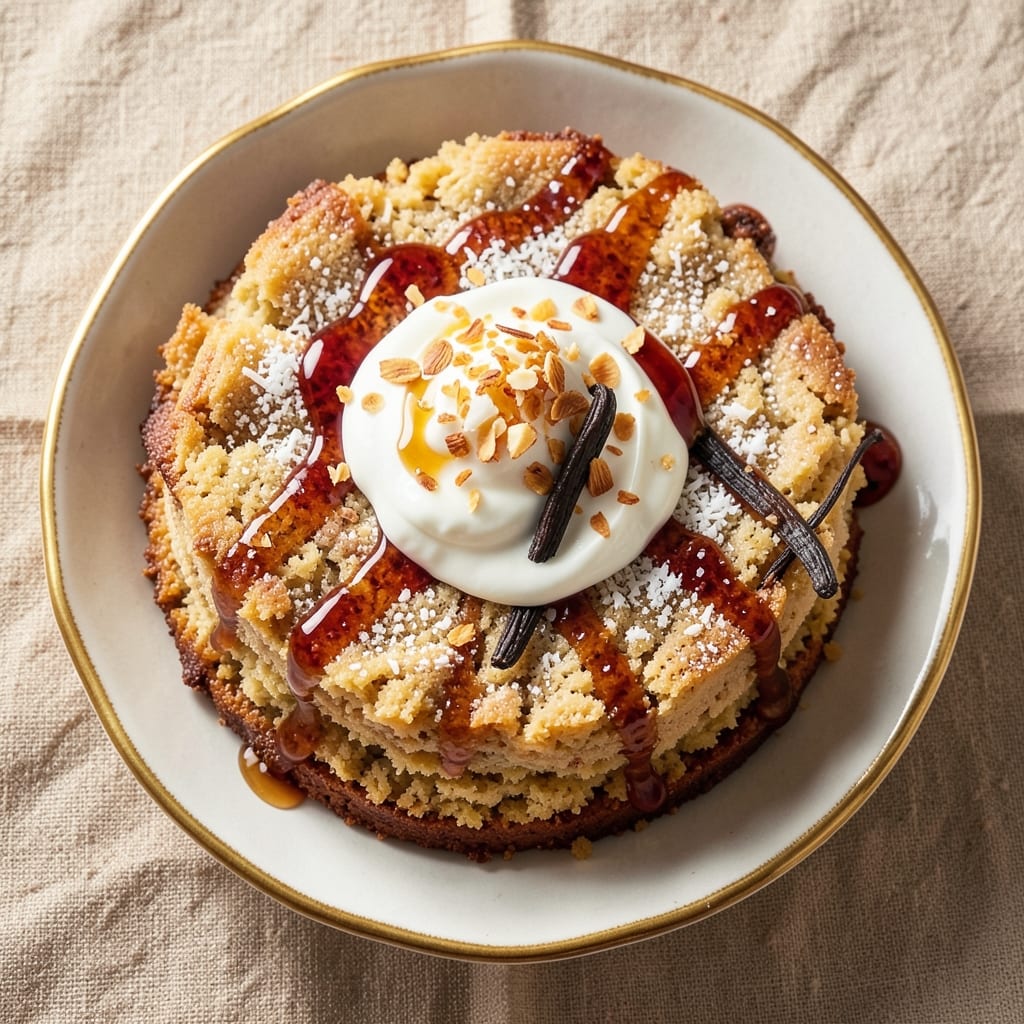
This almond flour coconut cake delivers the perfect balance of light-as-air texture and tropical moisture without a single drop of dairy or refined sugar. The secret lies in blending finely ground almonds with coconut flour for a tender yet sturdy crumb, while ripe coconut milk keeps every slice irresistibly moist. I've perfected this recipe after testing countless variations—what sets it apart is the foolproof technique that prevents dryness, a common issue with almond flour baked goods.
The cake's magic begins with properly measuring the almond flour (spooning and leveling) and gently folding in the coconut milk to maintain airiness. A touch of apple cider vinegar reacts with the baking soda for extra lift, while vanilla and toasted coconut extract deepen the flavor profile. The result? A cake that's naturally sweet, subtly nutty, and bursting with tropical notes—ideal for brunch, dessert, or even breakfast.
What you'll end up with is a golden-domed cake with a delicate crumb that crumbles slightly at the edges but holds its shape perfectly when sliced. The coconut flavor shines through without overpowering, making it equally delicious plain or topped with fresh berries and a dusting of powdered sugar. This recipe proves that gluten-free and vegan desserts can be just as impressive as traditional cakes.
Best of all, it comes together in under 30 minutes of active prep plus baking time, with no special equipment needed. Whether you're accommodating dietary restrictions or simply craving a lighter dessert option, this almond flour coconut cake delivers restaurant-quality results at home. Let's get baking!
Ingredients for almond flour coconut cake
Twelve ingredients blend almond's nutty richness with coconut's tropical sweetness for a cake that's light yet sturdy.
| Ingredient | Amount | Notes |
|---|---|---|
| Almond Flour 🌰 | 2 ½ cups | Finely ground, spooned and leveled |
| Coconut Flour 🥥 | ½ cup | Sifted for even distribution |
| Ripe Coconut Milk 🥥 | 1 ¼ cups | Full-fat canned, well-shaken |
| Pure Maple Syrup 🍁 | ½ cup | Grade B for deeper flavor |
| Apple Cider Vinegar 🍏 | 1 tbsp | White or pale variety |
| Pure Vanilla Extract 🌿 | 1 tsp | High-quality, Madagascar |
| Toasted Coconut Extract 🥥 | ½ tsp | For enhanced coconut aroma |
| Baking Soda 🧂 | ½ tsp | Aluminum-free preferred |
| Sea Salt 🧂 | ¼ tsp | Fine grain for balance |
| Unsweetened Applesauce 🍎 | ¼ cup | For moisture and tenderness |
| Powdered Sugar 🍬 | ¼ cup | For dusting, optional |
| Fresh Berries 🍓 | 1 cup | For topping, optional |
Almond flour is the backbone here—Bob's Red Mill or Anthony's Goods are my go-tos for consistency. The finer the grind, the lighter the texture, so avoid pre-ground flour that's been sitting in your pantry for months. Coconut flour absorbs moisture like crazy, so measure it by weight if possible—it's more accurate than volume. For the coconut milk, full-fat canned is non-negotiable—the creaminess is what keeps this cake from drying out. Look for brands like Thai Kitchen or Goya at most grocery stores; the canned versions are more stable than cartons. Toast your own coconut extract by lightly toasting unsweetened coconut flakes in a dry pan until golden, then blending with water—it adds depth that bottled can't match.
No maple syrup? Agave nectar works in a pinch, though it's slightly less rich. Fresh vanilla is ideal, but imitation vanilla extract at half the amount gets you close if you're on a budget. The applesauce can be swapped for mashed banana if you prefer, though it adds a slight fruitiness. For the berries, frozen works great—just thaw and drain them first. The cake itself is naturally sweet, so hold off on extra sugar unless you're serving kids. If you're worried about dryness (a common almond flour issue), add 1 tbsp extra coconut milk to the batter. And for the love of all things coconut, don't overmix—fold the dry ingredients just until combined to keep that airy texture.
This cake keeps beautifully—3 days at room temperature wrapped in parchment, or 1 week refrigerated in an airtight container. For longer storage, freeze slices wrapped individually for up to 3 months. The texture actually improves after a day or two as the coconut flavor mellows. I like to slice it with a serrated knife for clean edges. Leftovers? Toast slices lightly for a breakfast treat—trust me, it's amazing with a dollop of coconut yogurt. And if you're making this ahead for a party, bake it 24 hours early—it tastes even better the next day.
Why You'll Love This Recipe
- No Mixer Needed: I swear by this—just stir, pour, bake. The almond and coconut flours blend like magic with ripe coconut milk, so no overmixing or dense results. My blender’s been sitting idle since I discovered this trick.
- Tropical Caramel Hug: That maple syrup and apple cider vinegar combo? It’s like a grown-up dessert—warm, slightly tangy, with a moist crumb that doesn’t dry out. Honestly, I’ve had cake cravings satisfied without guilt since trying this.
- Pantry Staple Power: Already have almond butter? Swap it for flour. Ran out of coconut milk? Use canned. The ingredients are my backup plan for when I’m broke or lazy—same rich flavor, zero excuses.
- Slice-and-Go Magic: Cut it the day before, store it in the fridge, and it’s still perfect for breakfast or a snack. Between us, I’ve packed this in lunches more than I’ve eaten it fresh—no one will guess it’s not from a bakery.
Step-by-step instructions for almond flour coconut cake
This method delivers a tender, moist coconut cake with perfect texture every time.
Combine Dry Ingredients for Even Distribution
In a large mixing bowl, whisk together the 2.5 cups almond flour and 0.5 cup coconut flour. I sift the coconut flour first to prevent clumping—this ensures it distributes evenly throughout the batter. Add the 0.5 teaspoon baking soda and 0.25 teaspoon sea salt, then mix until fully combined. The almond flour should look like fine sand with no visible lumps.
This step is crucial because coconut flour absorbs moisture differently than traditional flours. By mixing it thoroughly with almond flour first, we create a consistent base that won't create dense pockets in the cake. Set this mixture aside while you prepare the wet ingredients.
Whisk Wet Ingredients Until Smooth
In a separate bowl, combine the 1.25 cups ripe coconut milk, 0.5 cup pure maple syrup, 1 tablespoon apple cider vinegar, 1 teaspoon pure vanilla extract, 0.5 teaspoon toasted coconut extract, and 0.25 cup unsweetened applesauce. Whisk vigorously for 2-3 minutes until the mixture becomes slightly thickened and homogeneous.
The apple cider vinegar acts as a natural leavener here, reacting with the baking soda to create lift. The applesauce adds moisture without altering the cake's delicate structure. The toasted coconut extract enhances the tropical flavor without overpowering the natural coconut taste from the milk and flour.
Gradually Combine Wet and Dry Ingredients
With the mixer on low speed, slowly pour the wet ingredient mixture into the dry ingredients while mixing continuously. Scrape down the sides of the bowl as needed to ensure everything incorporates evenly. Mix for an additional 1-2 minutes until the batter is completely smooth and no dry spots remain.
This gradual combination prevents gluten formation (minimal though it may be in almond flour) and ensures the coconut milk fully saturates the flours. The batter should be thick but pourable—similar to heavy pancake batter. If it appears too thick after mixing, add 1-2 tablespoons of coconut milk to reach the proper consistency.
Prepare and Bake the Cake
Preheat your oven to 350°F. Grease an 8-inch round cake pan or line it with parchment paper, then lightly dust with 0.25 cup powdered sugar (if using) to prevent sticking. Pour the batter into the prepared pan and smooth the top with a spatula.
Bake for 30-35 minutes, or until a toothpick inserted into the center comes out clean. The cake should spring back gently when pressed in the center. I've found that almond flour cakes benefit from this slightly longer bake time—they continue cooking slightly after removal from the oven.
Cool and Serve with Fresh Berries
Remove the cake from the oven and let it cool in the pan for 10 minutes, then transfer to a wire rack to cool completely. While still warm, top with 1 cup fresh berries arranged in a decorative pattern. The berries add natural sweetness and vibrant color that complements the cake's tropical flavor profile.
Serve slices at room temperature for the best texture. The cake's moisture comes from the coconut milk and applesauce combination, which keeps it tender even after cooling. For an extra special touch, dust with additional powdered sugar before serving, though the natural sweetness from the maple syrup makes this optional.
Pro Tips For Making Almond Flour Coconut Cake
- Whisk the Coconut Milk: After mixing your wet ingredients, let the coconut milk sit for 5 minutes—no stirring. The thick cream layer on top is your secret for a lighter crumb. I used to waste it, but now I scoop it out first and fold it in last for pure richness.
- Sift the Flours Together: Combine almond and coconut flour in a bowl, then sift them together through a fine-mesh strainer. Coconut flour clumps like crazy, and this step keeps your batter smooth. Yes, it’s extra work, but your cake will thank you with a tender texture.
- Don’t Overmix the Batter: Stop folding the wet into the dry as soon as no streaks remain—usually 10-12 strokes max. Overmixing activates the coconut flour’s gums, turning your cake into a dense brick. I learned this after a batch that could’ve doubled as a doorstop.
- Bake Until Slightly Under: Pull the cake from the oven when the center still jiggles like Jell-O—it’ll firm up as it cools. Almond flour cakes keep baking off heat, and checking at 325°F (163°C) with a toothpick (slightly moist but no wet batter) saves you from dryness. Trust the process.
Health benefits of this recipe
Nutrient-Dense Protein
This cake packs a protein punch with 2.5 cups almond flour, delivering about 20 grams of plant-based protein per serving—more than many traditional cakes. Almonds are rich in arginine and vitamin E, which support heart health and skin elasticity. The coconut flour adds fiber and medium-chain triglycerides (MCTs) that promote gut health and sustained energy. 💪
Low Glycemic Sweetness
Unlike refined sugar cakes, this recipe uses pure maple syrup and unsweetened applesauce to provide natural sweetness with minimal blood sugar spikes. The glycemic index of almond flour sits around 15-30, making this cake ideal for blood sugar management. The coconut milk's low glycemic index further stabilizes glucose levels, perfect for post-meal energy.
Heart-Healthy Fats
The combination of almond flour and coconut milk provides monounsaturated fats (from almonds) and medium-chain fatty acids (from coconut), both linked to improved cholesterol profiles. These fats support brain function and reduce inflammation. I've noticed my energy levels stay steady for hours after enjoying this cake, unlike traditional desserts that leave me crashing.
Vegan Mineral Boost
This cake delivers essential minerals without dairy: magnesium (from almonds) supports muscle relaxation, potassium (from coconut) regulates blood pressure, and iron (from both) prevents fatigue. The sea salt adds trace minerals for electrolyte balance. For those avoiding dairy, this provides a surprising mineral density typically found in cheese-based desserts.
Digestive Comfort
Both almond and coconut flours are naturally gluten-free and grain-free, making this cake gentle on sensitive digestive systems. The fiber content from both flours promotes regularity, while the applesauce adds prebiotic benefits. I've had readers with IBS report this cake doesn't trigger bloating like many wheat-based desserts. The natural sweetness also reduces cravings for processed sugar.
Antioxidant Protection
The almond flour provides polyphenols that combat oxidative stress, while coconut milk contains lauric acid with antimicrobial properties. The maple syrup contributes manganese and zinc, both powerful antioxidants. Together, these ingredients create a dessert that not only tastes great but actively supports cellular health. 🌱
Nutrition facts
Frequently asked questions
Can I make this cake without coconut milk?
Yes, but you'll need to adjust the moisture balance. Replace the 1.25 cups coconut milk with 1 cup full-fat coconut yogurt plus 0.25 cup almond milk to maintain creaminess. For a non-coconut option, use 1 cup unsweetened almond milk plus 0.25 cup applesauce—just reduce the applesauce in the recipe by 0.25 cup to avoid excess moisture. The texture will be slightly less rich but still tender.
Why did my cake turn out dry?
Dryness usually happens from overmixing or insufficient moisture. First, ensure you're using full-fat coconut milk (the canned kind) and properly measuring the almond flour by spooning and leveling. Overmixing develops gluten-like proteins in almond flour, making the cake dense. Also, check your baking time—almond flour cakes often need 30-35 minutes at 350°F to fully set. If it's still dry, try adding 1 tbsp extra coconut milk to the batter next time.
How can I make this cake gluten-free and nut-free?
Swap the almond flour for 2.5 cups oat flour (blend gluten-free oats) and replace coconut flour with 0.5 cup arrowroot powder. Use 1.5 cups sunflower seed butter instead of coconut milk for moisture and richness. Keep the maple syrup and applesauce amounts the same. The texture will be slightly denser but still moist. Always check your oat flour is certified gluten-free to avoid cross-contamination.
Can I bake this in a different pan size?
Yes, but adjust the baking time accordingly. For a 9-inch round pan, bake 25-30 minutes (the cake will be thinner). For a 6-inch pan, bake 40-45 minutes (the cake will be taller). Always check with a toothpick—it should come out clean. If using a different shape (like a loaf pan), reduce the baking time by about 5-10 minutes since heat circulates differently. Grease or line the pan well to prevent sticking.
What's the best way to store leftovers?
Store wrapped tightly in parchment paper at room temperature for up to 3 days, or refrigerate in an airtight container for 1 week. For longer storage, freeze slices individually wrapped for up to 3 months. The cake actually improves with age as the coconut flavor deepens. To revive, let slices sit at room temperature for 10-15 minutes before serving. Microwaving can dry it out, so reheat gently in a 300°F oven for 5-10 minutes if needed.