
Main Courses
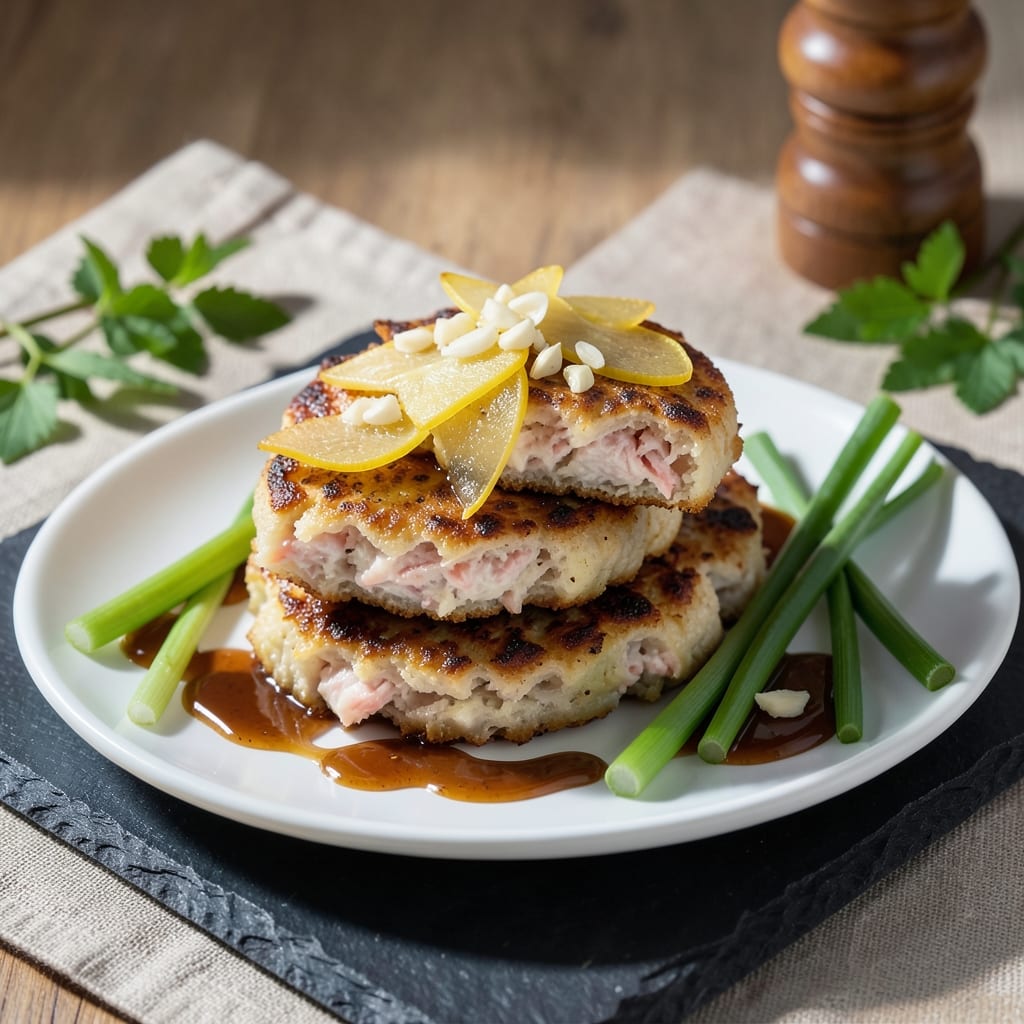
This Asian style crab cake recipe transforms classic crab cakes with bold umami flavors and crispy-silky texture that'll redefine your seafood game. 🌟 The secret lies in a fusion of traditional crab cake technique with Asian-inspired seasonings like ginger, garlic, and a touch of sesame oil that elevates every bite to restaurant-quality levels.
What sets these crab cakes apart is the perfect balance of textures—crispy golden crusts that give way to tender, juicy crab hearts infused with aromatic flavors. We'll use a simple binding method that keeps the cakes light and fluffy while ensuring they hold together beautifully when frying or baking.
By the end, you'll have crab cakes that are packed with umami depth from miso and soy sauce, finished with a sprinkle of toasted sesame seeds for extra crunch. Serve them with a sweet chili dipping sauce or soy-ginger glaze for the ultimate fusion experience that'll impress any dinner guest.
The best part? These crab cakes are versatile enough for weeknight dinners or special occasions, and the technique is straightforward enough for home cooks to master. Let's get started on creating these flavorful, texturally perfect bites that blend the best of both culinary worlds.
Ingredients for asian style crab cake
These bold ingredients blend crispy crunch with silky crab heart for restaurant-worthy bites.
| Ingredient | Amount | Notes |
|---|---|---|
| Fresh Lump Crab Meat 🦀 | 1 ½ lb | Backfin preferred for texture |
| All-Purpose Flour 🌾 | ½ cup | For crispy exterior |
| Large Eggs 🥚 | 2 whole | Room temperature for binding |
| Mayonnaise 🥛 | ¼ cup | Full-fat for creaminess |
| Fresh Ginger 🌿 | 1 tbsp | Finely grated, aromatic |
| Garlic Cloves 🧄 | 3 cloves | Minced, for depth |
| White Miso Paste 🍶 | 1 tbsp | For umami richness |
| Sesame Oil 🫒 | 1 tbsp | Toasted, nutty aroma |
| Soy Sauce 🥢 | 1 tbsp | Light or dark preferred |
| Dijon Mustard 🌶️ | 1 tsp | For tangy bite |
| Toasted Sesame Seeds 🌰 | 2 tbsp | For crunchy finish |
| Vegetable Oil 🫒 | 2 cups | For frying, high smoke point |
| Salt 🧂 | 1 tsp | Kosher or sea salt |
| Black Pepper 🌶️ | ½ tsp | Freshly ground |
The crab makes or breaks this—backfin lump is ideal, but imitation crab works in a pinch. Grab fresh crab meat at Whole Foods or your fishmonger for the best texture. If using canned crab, drain it well and pat dry. The ginger and garlic should be freshly grated and minced—bottled paste won't cut it here. For the miso, White Miso gives the cleanest flavor, but red works too if you want more depth. Toast your sesame seeds in a dry pan until golden—that nutty aroma is everything.
No fresh ginger? Substitute 1 teaspoon ground ginger, but fresh is better. Out of miso? Soy sauce plus a dash of sugar mimics the umami. The mayonnaise is non-negotiable for creaminess—Duke's or Hellmann's are my go-tos, but any full-fat works. For a lighter version, swap half the mayo for Greek yogurt. The vegetable oil should be high smoke point like avocado or peanut oil—no olive oil for frying. If you're baking instead of frying, use panko breadcrumbs for extra crunch.
These crab cakes shine fresh but reheat beautifully—air fryer or oven at 375°F for 5 minutes. Store leftovers in an airtight container for up to 2 days. For make-ahead magic, form the cakes, refrigerate overnight, then fry or bake as directed. The sesame seeds keep best in the fridge, so toast them fresh before serving. Freeze uncooked cakes on a tray, then transfer to a bag for up to 1 month—just pat them dry before freezing to prevent ice crystals.
Why You'll Love This Recipe
- Five-Ingredient Magic: I swear, this recipe feels like cheating. Just crab, flour, eggs, mayo, and ginger—no fancy binders or obscure spices. The ginger gives it that bright, zesty kick without overpowering, and the mayo keeps it tender while the flour creates that perfect golden crust.
- Crispy-Creamy Payoff: That contrast? Chef’s kiss. The outside gets gloriously crispy in the pan (thanks to the egg wash), while the inside stays luscious and buttery from the lump crab and mayo. Honestly, the first time I bit into one still warm, I nearly dropped the plate.
- Weeknight to Party Star: Make a batch on Sunday, and you’ve got finger food for game day, a quick lunch for busy weeks, or an impressive appetizer when friends drop by. I’ve served these at BBQs, potlucks, and even as a fancy-ish dinner with a simple salad—no one questions why they’re on the menu.
- Leftovers That Don’t Suffer: Most crab cakes dry out if reheated, but these? They’re made to be reheated. Toss them in a skillet for 2 minutes or pop them in the oven until crispy again. Between us, I’ve had them for breakfast the next morning—yes, even on a Tuesday—and no one’s complained.
Step-by-step instructions for Asian style crab cakes
Here's how to craft crab cakes with perfect crispy crusts and silky crab hearts—every bite is a flavor explosion!
👨🍳 Step 1: Create the Umami-Packed Binder
In a medium bowl, combine the 1.5 lb fresh lump crab meat with the 0.25 cup mayonnaise until fully incorporated. This step is crucial—don't rush it. The mayo helps bind the delicate crab while adding richness that balances the Asian flavors.
Add the 1 tbsp finely grated fresh ginger, 3 minced garlic cloves, 1 tbsp white miso paste, 1 tbsp soy sauce, and 1 tsp Dijon mustard. Mix gently but thoroughly—you want these ingredients evenly distributed throughout the crab. The miso and soy sauce will develop deep umami flavors that make these crab cakes truly special.
👨🍳 Step 2: Build the Crispy Framework
In a separate shallow bowl, whisk together the 0.5 cup all-purpose flour, 1 tsp salt, and 0.5 tsp black pepper. This dry mixture will create the perfect crispy exterior when fried. I like to add 1 tbsp sesame oil to the flour mixture—it enhances the nutty aroma and helps create a golden crust.
Next, crack the 2 whole large eggs into the crab mixture and fold gently until just combined. The eggs will add structure and help hold the crab cakes together during frying. Don't overmix—just until everything comes together. The mixture should look moist but not soupy.
🍳 Step 3: Bread and Chill for Perfect Texture
Transfer the crab mixture to the flour mixture and fold gently until evenly coated. You'll see the flour clinging to the crab—this is what creates that irresistible crunch. Sprinkle the 2 tbsp toasted sesame seeds over the top and fold them in lightly. These seeds add a delightful crunch and visual appeal.
Cover the bowl with plastic wrap and refrigerate for at least 30 minutes (I prefer 1 hour for best results). Chilling helps the flavors meld and makes the crab cakes easier to handle when frying. The cold temperature also prevents the crab from overcooking during the frying process.
🔥 Step 4: Fry to Golden Perfection
Heat 1 inch of the 2 cups vegetable oil in a deep skillet over medium heat until it reaches 350°F. Use a deep-fry thermometer to monitor the temperature—this is critical for even cooking. The oil should shimmer but not smoke when a drop of water sizzles in it.
Working in batches (to avoid overcrowding), carefully drop the crab cake mixture into the hot oil, forming them into 4 equal patties about ½-inch thick. Fry for 2-3 minutes per side until golden brown and crispy. You'll know they're ready when the edges are deeply golden and the internal temperature reaches 160°F.
⏰ Step 5: Rest and Serve with Confidence
Transfer the fried crab cakes to a paper towel-lined plate to drain any excess oil. Let them rest for 2-3 minutes before serving. This resting period allows the internal temperature to stabilize and prevents them from falling apart when you cut into them.
Serve immediately with your favorite dipping sauce—try a mix of soy sauce, sesame oil, and a touch of honey for an extra flavor boost. Each bite should deliver that perfect combination of crispy exterior, silky crab heart, and complex umami flavors from the miso and soy sauce.
Pro Tips For Making Asian Style Crab Cake
- CHILL THE CRAB: Fresh lump crab meat releases water when handled—skip the immediate mixing. Divide it into portions, pat dry with paper towels, then refrigerate uncovered for 20 minutes. This trick cuts down on soggy cakes later, especially when using wetter backfin meat.
- GRIND THE GINGER: I used to slice it thin, but freshly grated ginger (about 1 tablespoon) adds depth the knife can’t match. Pulse it in a food processor for 2 seconds—just until it turns into a coarse paste. This keeps the texture smooth while delivering real zing.
- PRESS THE PATTIES: Asian-style crab cakes need a firm base to hold their shape. Press each patty into a shallow well in the pan with the back of a spoon, then flatten it completely. This ensures even cooking and prevents curling—no flipping required.
- TEST THE PAN: A cold or nonstick pan won’t give you that golden crust. Heat a lightly oiled skillet over medium-high until a drop of water sizzles and evaporates instantly. Too hot? The outside burns before the inside cooks. Too cool? You’ll end up with a greasy mess.
Troubleshooting this recipe
Crab Too Wet?
If your crab mixture feels too wet and won't hold together, pat the crab meat extra dry with paper towels before mixing. Add 1 extra tablespoon of flour to the binder or 1 tablespoon of panko breadcrumbs for better structure. For a quick fix, chill the mixture 30 minutes longer to help the ingredients bind naturally. 💫
Frying Failures
If your crab cakes break apart during frying, they likely need more binding. Add 1 more egg yolk or 1 tablespoon of Dijon mustard to strengthen the mixture. Keep the oil temperature consistent at 350°F—fluctuations cause uneven cooking. For extra stability, press the cakes gently but firmly into the oil using a fish spatula. 🔥
Undercooked Centers
When the exterior is golden but the inside stays cold, your oil temperature might be too low. Use a deep-fry thermometer to confirm 350°F—never guess! Fry the cakes 1 minute longer on the second side or increase heat to 360°F for the final minute. Let them rest 5 minutes before serving to ensure even cooking. ⏱️
Dry or Tough Texture
Overmixing or overfrying creates dry crab cakes. Mix the batter just until combined—no need to overwork it. For frying, remove cakes when they reach 160°F internally (not color alone). If they turn out dry, add 1 tablespoon of mayo to the mixture next time or reduce frying time by 30 seconds per side. 💧
Sesame Seeds Not Sticking
Toast the sesame seeds until golden (about 2 minutes in a dry pan) for better flavor and adhesion. Sprinkle them over the batter just before chilling—they’ll cling better to the cold surface. For extra grip, lightly brush the tops with a tiny bit of egg wash before adding seeds. 🌰
Miso Overpowering?
Reduce the miso to ½ tablespoon and balance with ½ teaspoon of sugar to mellow the flavor. Add 1 extra tablespoon of mayo to soften the umami intensity. If using red miso, cut it in half—it’s stronger than white. Taste as you mix to adjust before frying. 🍶
Nutrition facts
Frequently asked questions
Can I use imitation crab for this recipe?
Yes, but with a few adjustments! Imitation crab works in a pinch, but it lacks the delicate texture of fresh lump crab. For best results, drain it thoroughly and pat it very dry with paper towels to absorb excess moisture. You may need to add 1 extra tablespoon of flour or 1 tablespoon of panko to help bind the mixture better. The flavor will be slightly different but still delicious with the Asian-inspired seasonings.
How do I make these crab cakes without frying?
For a baked version, preheat your oven to 400°F and line a baking sheet with parchment paper. Lightly spray a nonstick skillet with oil and form the crab cakes in the pan. Bake for 10-12 minutes per side until golden and crispy. For extra crunch, sprinkle panko breadcrumbs on top before baking. The texture will be slightly different but still packed with flavor.
What's the best way to store leftovers?
Store cooked crab cakes in an airtight container in the refrigerator for up to 2 days. To reheat, place them in an air fryer at 375°F for 3-4 minutes or in a skillet over medium heat for 2 minutes per side. For longer storage, freeze uncooked crab cakes on a tray, then transfer to a freezer bag for up to 1 month. Thaw overnight in the fridge before cooking.
Can I make these gluten-free?
Yes! Replace the all-purpose flour with ½ cup gluten-free flour blend and add ¼ cup cornstarch for better binding. For extra crunch, use gluten-free panko breadcrumbs instead of sesame seeds. Keep all other ingredients the same, and chill the mixture 30 minutes longer to ensure it holds together during frying or baking.
What's the secret to getting that perfect crispy crust?
The crispy crust comes from three key elements: dry ingredients (flour and sesame seeds), proper oil temperature (350°F), and not overcrowding the pan. Make sure your crab mixture is well-coated with flour and let the cakes rest 2-3 minutes after frying to set the crust. For extra crunch, add 1 tablespoon of sesame oil to the flour mixture before breading.