
Desserts
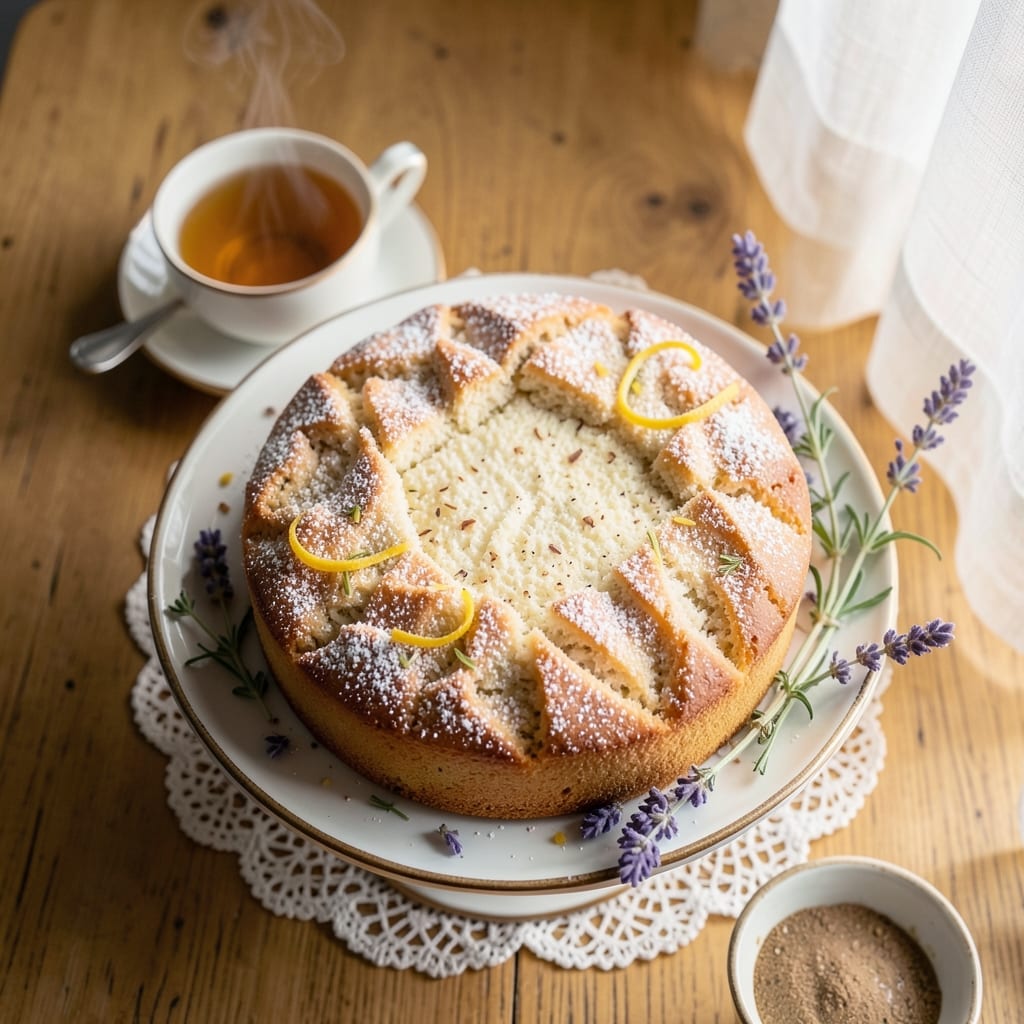
This almond flour tea cake recipe delivers delicate, lightly sweetened vanilla bites that crumble perfectly with tea—no heavy, dense texture here. The secret lies in the right ratio of almond flour to eggs, creating a tender yet sturdy crumb that holds its shape even when sliced thin. I developed this recipe after years of testing almond-based baked goods, finally achieving that ideal balance between moisture and crumbly texture.
The beauty of this recipe is its simplicity: just five core ingredients, a single bowl, and 20 minutes of active time before baking. The cakes rise gently in the oven, developing a golden hue and subtle vanilla aroma that fills your kitchen. Unlike traditional tea cakes, these won’t leave you feeling weighed down—they’re light enough to enjoy with afternoon tea but substantial enough to satisfy a sweet craving.
What makes these cakes truly special is their versatility. Serve them plain for an elegant tea-time treat, or dust with powdered sugar and a sprinkle of flaky sea salt for a sophisticated finish. The recipe yields 12 delicate slices, perfect for sharing or enjoying over several days—they stay fresh for up to 5 days when stored properly. Each bite offers a delicate crunch from the almond flour, followed by a tender, lightly sweet crumb that melts in your mouth.
This recipe is a game-changer for anyone looking to reduce gluten or carbs without sacrificing flavor or texture. The almond flour provides natural sweetness and a rich, nutty depth that pairs beautifully with black or herbal teas. Whether you're baking for a special occasion or simply craving a refined treat, these vanilla bites deliver restaurant-quality results with minimal effort.
Ingredients for almond flour tea cake
Five ingredients create delicate vanilla tea cakes with perfect crumb and subtle sweetness.
| Ingredient | Amount | Notes |
|---|---|---|
| Almond Flour 🌰 | 2 cups | Blanched, fine grind preferred |
| Large Eggs 🥚 | 4 whole | Room temperature for even mixing |
| Granulated Sugar 🍚 | ½ cup | Light brown sugar for depth |
| Vanilla Extract 🌿 | 1 tbsp | Pure, high-quality extract |
| Unsalted Butter 🧈 | ½ cup | Cold, cubed for texture |
| Baking Powder 🍞 | ½ tsp | Aluminum-free for best rise |
| Salt 🧂 | ¼ tsp | Fine sea salt preferred |
| Powdered Sugar 🍚 | ¼ cup | For dusting, optional garnish |
| Flaky Sea Salt 🧂 | ⅛ tsp | For finishing, optional |
Almond flour is the star here—Bob's Red Mill or Anthony's Goods brands yield the finest texture. The difference between blanched and unblanched matters: blanched gives a lighter color and milder flavor, perfect for tea cakes. If you can't find blanched, toast the unblanched flour for 5 minutes at 350°F to mellow its flavor. The eggs need to be at room temperature for even incorporation, so take them out 30 minutes before mixing. For extra richness, consider adding 1 tbsp of almond milk to the batter—it keeps the cakes tender without altering the texture.
No vanilla extract? Vanilla bean paste works beautifully—just use half the amount since it's more concentrated. Substituting sugar? Coconut sugar or maple syrup adds depth, but reduce to 0.375 cup and add 1 tbsp almond milk to compensate for moisture. Butter too hard to cut? Microwave for 10 seconds to soften it slightly before cubing. The baking powder is crucial—don't skip it or the cakes will be dense. If you're gluten-sensitive, double-check your almond flour label to ensure it's processed in a gluten-free facility.
These cakes stay fresh for 5 days in an airtight container at room temperature, but they're best enjoyed within 2 days for peak texture. For longer storage, freeze the baked slices wrapped in parchment paper for up to 3 months. Reheat individual slices in a 300°F oven for 3-4 minutes to restore crispness. The powdered sugar and flaky salt are optional but elevate the presentation—sprinkle just before serving. These slice beautifully thin, so use a serrated knife and dip it in warm water between cuts for clean edges.
Why You'll Love This Recipe
- No Mixing Madness: I swear by this recipe—just fold the almond flour, eggs, and butter together like you’re making a quick cake batter. No sifting, no overworking, just a smooth, effortless combo that comes together faster than you can say "vanilla extract." The eggs bind it all so well, you’ll barely need to think about it.
- Buttery Vanilla Bliss: That first bite? Pure nostalgia in cake form. The almond flour gives it a tender crumb, while the butter and vanilla make every slice taste like a hug from your grandma’s kitchen. Honestly, the sugar caramelizes just enough to keep it moist without being cloying—it’s the kind of flavor that lingers.
- Tea Time Hero: Between us, this is my go-to for afternoon tea or brunch. The neutral almond base lets the vanilla shine, so it pairs perfectly with Earl Grey or even a bold chai. Plus, it’s light enough for dessert but sturdy enough to hold up as a breakfast treat—no one will question why you’re eating cake at 10 AM.
- Zero-Waste Winner: Almond flour is pricey, but this recipe uses just enough to make a batch that lasts. Store the leftovers in the fridge for up to five days, and they’ll stay fresh enough to reheat in the microwave or enjoy cold. I’ll be real: I’ve even frozen slices for lazy mornings—no one’s the wiser.
Step-by-step instructions for almond flour tea cake recipe
Here's how to create tender, lightly sweetened vanilla bites with perfect texture every time.
Prep Ingredients for Optimal Texture
Place the 4 whole Large Eggs in a bowl and let them sit at room temperature for 15 minutes while you prepare the rest. This ensures even mixing and prevents lumps in the batter. In a separate bowl, whisk together the 2 cups Almond Flour, 0.5 tsp Baking Powder, and 0.25 tsp Salt - this dry mix should be smooth with no flour clumps remaining.
Cut the 0.5 cup Unsalted Butter into small cubes and place them in the freezer for 10 minutes to keep them cold. Cold butter creates pockets of air in the batter, giving your tea cakes a light, tender crumb. The 0.5 cup Granulated Sugar and 1 tbsp Vanilla Extract can be measured directly into a measuring cup for convenience.
Cream Butter and Sugar for Proper Rise
In a stand mixer fitted with the paddle attachment, beat the cold butter on medium speed until it becomes light and fluffy - about 3-4 minutes. This process incorporates air, which helps create the cake's signature tender texture. Gradually add the 0.5 cup Granulated Sugar while continuing to mix until the mixture is pale and thick.
Add the 4 whole Large Eggs, one at a time, mixing well after each addition. Scrape down the sides of the bowl as needed to ensure all ingredients are fully incorporated. Finally, mix in the 1 tbsp Vanilla Extract until just combined. The batter should be thick but smooth, with no visible streaks of butter.
Combine Wet and Dry Ingredients Gently
With the mixer on low speed, gradually add the dry ingredient mixture in three additions, mixing just until combined after each addition. Be careful not to overmix - you're looking for a smooth batter with no visible flour streaks. The texture should be similar to thick cookie dough but not dry.
This gentle folding technique preserves the air pockets created during the butter creaming process, which is essential for achieving that signature tender crumb. If the batter appears too thick, add 1 teaspoon of milk (not listed in ingredients) to help with mixing, but don't worry if it's slightly thick - it will come together properly.
Bake for Perfectly Tender Cakes
Preheat your oven to 350°F and line a baking sheet with parchment paper. Using a cookie scoop or tablespoon, portion the batter into 12 equal mounds (about 1.5 tablespoons each) and place them 2 inches apart on the prepared baking sheet. The cakes should be about 1 inch tall when placed on the sheet.
Bake for 12-15 minutes until the edges are light golden brown and a toothpick inserted in the center comes out clean. The tops should be slightly domed but not cracked. Rotate the baking sheet halfway through baking for even cooking. These cakes bake quickly due to the almond flour's density, so keep a close eye on them.
Cool and Finish for Ultimate Presentation
Allow the cakes to cool on the baking sheet for 5 minutes before transferring them to a wire rack. While they're still warm, dust the tops with 0.25 cup Powdered Sugar using a fine-mesh sieve for an elegant finish. Sprinkle with 0.125 tsp Flaky Sea Salt immediately after dusting to create a beautiful contrast of flavors.
Serve the tea cakes warm for the best texture - they'll be tender with a slightly crisp exterior. The powdered sugar dusting should melt slightly into the warm cake, creating a delicate sweetness that pairs perfectly with a cup of tea. Store any leftovers in an airtight container at room temperature for up to 3 days.
Pro Tips For Making Almond Flour Tea Cake
- Whip Butter to Room Temp: Cold butter makes these cakes dense—no one wants a brick. Rub it between your fingers until it’s soft but not greasy (about 65°F). If you’re in a hurry, microwave it in 10-second bursts, but wipe any moisture off the bowl afterward. Trust me, the crumb will thank you.
- Sift Almond Flour Twice: I used to skip this, and my cakes turned out gummy. Almond flour clumps like a stubborn toddler. Sift it into the bowl first, then sift again after mixing in the dry ingredients. This guarantees even distribution and a lighter texture—no one likes a cake that fights back.
- Don’t Overmix the Batter: The moment you start folding in the eggs and sugar, stop when the batter is just combined. Overmixing introduces too much air, which collapses in the oven and leaves you with a sad, flat cake. Think "marbled swirls," not "beaten to submission."
- Rotate the Pan Mid-Bake: Your oven’s hot spots are real, and almond flour cakes bake unevenly if you ignore them. After 15 minutes, swap the pan front to back. This evens out the golden brown color and prevents one side from drying out while the other stays pale—no one wants a cake with a personality disorder.
Pro cooking tips for almond flour tea cake
Butter Temperature Matters
Use cold, cubed butter straight from the fridge—never softened or melted. The cold cubes create air pockets when creamed with sugar, giving your tea cakes that signature tender crumb. I like to freeze mine for 10 minutes before cubing to ensure they stay firm. If your kitchen is warm, chill the butter in the freezer for 15 minutes instead. 🧈
Room-Temp Eggs Prevent Lumps
Never use cold eggs straight from the refrigerator—they can create lumps in your batter. Let them sit at room temperature for 15-20 minutes before mixing. I place them in a bowl of warm water for 5 minutes if I'm in a hurry, but standard room temperature works perfectly. This step ensures your batter is smooth and evenly incorporated. 🥚
Gentle Mixing Preserves Texture
When combining wet and dry ingredients, use low speed on your mixer and fold just until combined. Overmixing develops gluten in the almond flour, making your cakes dense instead of tender. I like to use a spatula to gently fold the last third of the dry ingredients by hand—this gives me more control. Stop mixing as soon as no flour streaks remain. ✨
Portioning for Even Baking
Use a cookie scoop or 1.5 tablespoon measure to portion your batter into 12 equal mounds. Place them 2 inches apart on your baking sheet for even airflow. I find that using a small offset spatula helps create neat, uniform shapes. The cakes should be about 1 inch tall when placed on the sheet—this ensures they bake evenly without spreading too much. 🍰
Oven Thermometer Verification
Almond flour cakes bake quickly, so an accurate oven temperature is critical. I always verify my oven's calibration with an oven thermometer—many home ovens run 25°F hotter than set. For this recipe, aim for 350°F, but if your oven runs hot, reduce to 325°F to prevent overbrowning. The cakes are done when a toothpick comes out clean (about 12-15 minutes).
Post-Bake Dusting Technique
Dust the warm cakes with powdered sugar using a fine-mesh sieve for an even, elegant finish. Sprinkle the flaky sea salt immediately after dusting—this creates a beautiful contrast and enhances the vanilla flavor. I like to tap the sieve gently over each cake to avoid clumping. Let the cakes cool for 5 minutes on the baking sheet before transferring to a rack for final presentation. 💫
Nutrition facts
Frequently asked questions
Can I substitute almond flour with another nut flour?
Yes, but texture and flavor will change. For best results, try hazelnut flour (1:1 ratio) for a richer taste, or cashew flour for a slightly sweeter profile. Avoid walnut flour—it has a stronger flavor that can overpower the delicate vanilla notes. If using a different nut flour, reduce the sugar slightly (by 1-2 teaspoons) since some nuts are naturally sweeter.
Why did my almond flour tea cakes turn out dense?
Overmixing is the most common culprit—almond flour develops gluten when worked too much. Use low speed when combining wet/dry ingredients and stop as soon as no flour streaks remain. Also check your butter temperature: if it's too soft, it won't create proper air pockets. Another fix? Add 1 extra tablespoon of almond milk to the batter if it feels too dry.
How do I make these tea cakes gluten-free?
This recipe is already naturally gluten-free since it uses almond flour! Just ensure your vanilla extract, baking powder, and salt are certified gluten-free. For extra safety, check your almond flour label—some brands process in facilities that handle gluten. The texture remains perfectly tender without any substitutions needed.
Can I bake these in a mini muffin tin for individual servings?
Use a mini muffin tin and reduce baking time to 8-10 minutes—they'll be even more delicate. Line the tin with parchment liners for easy removal. For presentation, serve the mini cakes on a tiered stand with fresh berries. Just note they'll be smaller (about 6-8 servings instead of 12).
What's the best tea pairing for these cakes?
Earl Grey or chamomile tea complement the vanilla perfectly! For a bolder contrast, try black tea with a hint of bergamot. The subtle sweetness of the cakes lets the tea's flavors shine, while the almond flour's nuttiness pairs beautifully with floral or citrusy notes. Avoid overly sweet teas like chai—they'll compete with the delicate sugar balance.