
Desserts
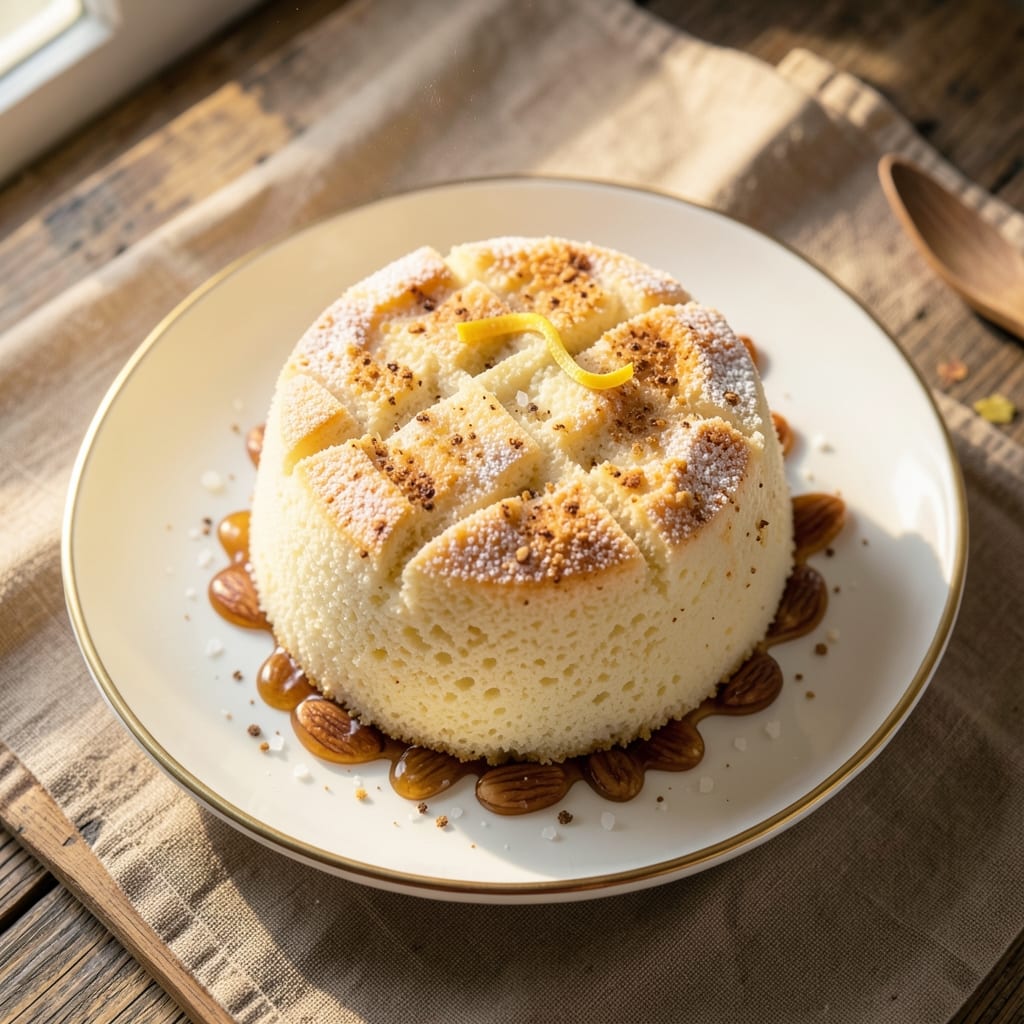
This almond pound cake delivers tastefully simple elegance with its signature moist vanilla layers and subtle nutty depth—no fuss, just perfect results every time. The secret lies in a precise balance of almond flour and cake flour, creating a tender crumb that stays moist for days. I’ve baked this recipe countless times for gatherings, and it never fails to impress without requiring advanced techniques.
What makes this recipe truly simple is the straightforward method: just mix, bake, and let the cake rise naturally. The almond flavor shines through without overpowering the delicate vanilla notes, while a light glaze adds a professional finish. Unlike dense pound cakes, this version stays tender yet sturdy enough to slice cleanly for serving.
By the time it emerges from the oven, you’ll have layers of moist, golden cake with a fine crumb and just the right amount of almond warmth in each bite. The texture is consistently tender—not dry or crumbly—thanks to a few key tricks, like proper mixing and not overbaking. It’s the kind of dessert that feels special but comes together effortlessly.
Perfect for brunch, holidays, or a simple afternoon treat, this cake pairs beautifully with fresh berries, whipped cream, or a drizzle of honey. The simplicity of the recipe ensures you’ll want to bake it again and again, while the subtle almond flavor makes it memorable without being overly sweet.
Ingredients for almond pound cake tastefully simple
Simple ingredients, foolproof texture—this cake delivers restaurant-quality layers every time.
| Ingredient | Amount | Notes |
|---|---|---|
| All-Purpose Flour 🌾 | 1 ½ cups | Sifted for light texture |
| Almond Flour 🥜 | 1 cup | Finely ground preferred |
| Granulated Sugar 🍚 | 1 ½ cups | White or light brown |
| Unsalted Butter 🧈 | 1 cup | Room temperature, cubed |
| Large Eggs 🥚 | 4 whole | Room temperature |
| Buttermilk 🥛 | 1 cup | Fresh for best flavor |
| Sour Cream 🍦 | ½ cup | Full-fat for moisture |
| Pure Vanilla Extract 🌸 | 2 tsp | High-quality preferred |
| Almond Extract 🥜 | ½ tsp | Pure, not imitation |
| Baking Powder 🍞 | 2 tsp | Aluminum-free preferred |
| Salt 🧂 | ½ tsp | Fine sea salt |
| Powdered Sugar 🍚 | 1 cup | For glaze (optional) |
| Milk 🥛 | 2 tbsp | For glaze (optional) |
| Lemon Juice 🍋 | 1 tsp | For glaze (optional) |
The almond flour is non-negotiable here—Bob's Red Mill or King Arthur are my go-tos. Look for finely ground, not the chunky kind. The butter needs to be at room temperature (press a cube—it should leave a slight dent but not melt). Plugrá or Land O'Lakes are reliable for this. Eggs should be room temp too—cold eggs can cause cracks. For the buttermilk, if you don't have it, mix 1 tbsp vinegar or lemon juice with 1 cup milk and let sit for 5 minutes. The sour cream adds that signature moistness—full-fat is worth it for this recipe.
No almond extract? Vanilla bean paste at 1 tsp works in a pinch, but you'll lose that nutty depth. The glaze is optional but makes it look fancy—powdered sugar is key here (granulated won't dissolve right). Short on powdered sugar? Blend granulated sugar in a blender for 30 seconds. The vanilla extract matters—Nielsen-Massey or McCormick are solid choices. For a dairy-free version, swap buttermilk and sour cream for unsweetened almond milk plus 1 tbsp vinegar. The cake's simplicity means it's forgiving—don't stress if you're a degree off with the oven temp.
This cake keeps beautifully—3 days at room temp wrapped in plastic, or 1 week in the fridge. For longer storage, freeze layers separately for up to 3 months. I always bake it in two 9-inch pans—grease pans generously with butter and line with parchment for easy removal. The glaze sets quickly, so assemble the cake right after glazing. Leftovers? Toast slices lightly for a perfect breakfast treat.
Why You'll Love This Recipe
- No Mixer Needed: I swear by this recipe when I’m in a rush—just cream butter and sugar, fold in dry ingredients, and bake. The almond flour keeps it tender without overworking the batter, so even if you’re not a baker, it turns out light and fluffy.
- Rich Without Overpowering: That combo of almond flour and butter? Pure magic. It’s got depth—nutty, buttery, slightly sweet—without being heavy or cloying. Honestly, the first slice makes me forget it’s "simple."
- Weeknight or Wows: Serve it warm with tea for a lazy afternoon, or slice it for brunch when friends drop by. The texture holds up for days, so it’s my go-to for potlucks or when I need something elegant but effortless.
- Leftovers That Don’t Let You Down: This cake stays moist for days—no dry crumbs, no sad edges. I’ll be real: I’ve had it for breakfast, dessert, or even a quick snack, and it’s always just as good. Plus, the butter and eggs stretch my budget further than fancy cakes.
Step-by-step instructions for almond pound cake
This method delivers a perfectly moist, nutty cake with tender layers every time.
Prepare the Dry and Wet Ingredients Separately
In a medium bowl, whisk together the 1.5 cups all-purpose flour, 1 cup almond flour, 2 teaspoons baking powder, and 0.5 teaspoon salt. Sift the mixture twice to ensure a light, airy texture—this prevents dense layers. Set aside while you prepare the wet ingredients.
In a separate large bowl, cream the 1 cup unsalted butter and 1.5 cups granulated sugar together until light and fluffy, about 3-4 minutes using an electric mixer. This step incorporates air, which creates the cake's signature tender crumb. Scrape down the sides of the bowl occasionally to ensure even mixing.
Combine Wet Ingredients for Optimal Moisture
Add the 4 whole large eggs, one at a time, beating well after each addition until fully incorporated. The mixture should be thick and pale. Stir in the 1 cup buttermilk, 0.5 cup sour cream, 2 teaspoons pure vanilla extract, and 0.5 teaspoon almond extract. The almond extract adds depth without overpowering the vanilla.
Gradually add the dry ingredients to the wet mixture in three parts, mixing on low speed just until combined. Overmixing develops gluten, which can make the cake tough. Stop mixing as soon as the flour disappears—you should still see small streaks of flour in the batter.
Bake in Prepared Pans for Even Cooking
Preheat your oven to 350°F. Generously grease two 9-inch round cake pans and line the bottoms with parchment paper circles. Divide the batter evenly between the pans, smoothing the tops with a spatula. Tap the pans gently on the counter to remove any air bubbles.
Bake for 45-50 minutes, or until a toothpick inserted into the center comes out clean. The cake should be golden brown at the edges but still slightly springy in the center. Rotate the pans halfway through baking to ensure even heat distribution.
Cool and Glaze for Perfect Finish (Optional)
Remove the cakes from the oven and let them cool in the pans for 10 minutes. Then transfer to a wire rack to cool completely. This gradual cooling prevents cracking and maintains moisture.
For the glaze, whisk together 1 cup powdered sugar, 2 tablespoons milk, and 1 teaspoon lemon juice until smooth. Drizzle evenly over the cooled cake layers. The glaze adds a delicate sweetness and professional finish, but it's optional if you prefer a simpler presentation.
Pro Tips For Making Almond Pound Cake Tastefully Simple
- Whisk Eggs Like a Pro: DESCRIPTION:
- Sift the Almond Flour: DESCRIPTION:
- Don’t Overmix the Wet Ingredients: DESCRIPTION:
- Test for Doneness at 325°F: DESCRIPTION:
Storing and reheating this dish
Room Temperature Prep
Let your cake ingredients rest at room temperature for at least 30 minutes before baking—this ensures even mixing and prevents cracks. Place eggs, butter, and dairy in a bowl of warm water if your kitchen is cold. I always test butter by pressing a cube: it should dent slightly but not melt. Cold ingredients can cause uneven texture or even a sunken center in your pound cake. 🌡️
Short-Term Storage
Wrap your fully cooled cake tightly in plastic wrap or place it in an airtight container with a layer of parchment paper between layers if stacking. Store at room temperature for up to 3 days—this is when the flavors meld beautifully. For best results, keep it away from direct sunlight or heat sources, which can dry out the cake faster. I like to store mine in the original pans if they're sturdy.
Fridge Storage
When refrigerating, wrap the cake in plastic wrap and then place it in an airtight container to lock in moisture. It stays fresh for up to 1 week this way. The cold temperature actually helps preserve the delicate texture, though you may want to bring it to room temperature before serving for the best experience. I often slice and freeze individual portions for quick treats—just thaw at room temperature for 1-2 hours before serving.
Freezing for Later
For longer storage, wrap each layer individually in plastic wrap and then place them in a freezer bag with all air removed. Label with the date and freeze for up to 3 months. Thaw overnight in the fridge before assembling with glaze. I find freezing works best for the layers rather than the whole cake—this prevents freezer burn and keeps the texture intact. 🧊
Reheating Slices
For a warm slice, toast it in a toaster oven at 350°F for 5-7 minutes or until lightly golden. Alternatively, warm in a skillet over medium-low heat for 1-2 minutes per side with a pat of butter. This works beautifully for breakfast slices—just add a drizzle of honey or fresh berries. Microwaving is possible but can make the cake gummy, so I avoid it unless absolutely necessary.
Reviving Dried Cake
If your cake loses moisture over time, revive it by brushing warm simple syrup (equal parts water and sugar, heated until dissolved) onto the surface. Let it sit for 5-10 minutes before serving. This trick works wonders for restoring that tender crumb. I also keep a small spray bottle of water in my pantry—lightly misting the cake before serving can add freshness without making it soggy. ✨
Nutrition facts
Frequently asked questions
Why does this almond cake stay moist longer than other pound cakes?
The combination of buttermilk and sour cream creates a dense, tender crumb that locks in moisture. Plus, the almond flour adds natural fats that prevent drying out. The recipe also avoids overmixing, which keeps the texture light and airy.
Can I make this cake without almond extract?
Yes, but you'll lose some nutty depth. Replace it with 1 teaspoon vanilla bean paste or an extra ½ teaspoon vanilla extract. For a stronger almond flavor, toast 2 tablespoons sliced almonds and sprinkle them on top before baking. The cake will still taste delicious—just slightly different!
How do I prevent cracks in the cake?
Cracks usually happen from uneven cooling or overbaking. Let the cake cool in the pan for 10 minutes before transferring, and never open the oven door during the last 15 minutes of baking. Also, make sure your eggs and butter are at room temperature before mixing. A light glaze can also help seal the surface.
What's the best way to serve this cake?
This cake is wonderfully versatile! Serve it plain for a simple dessert, or add a drizzle of honey, fresh berries, or whipped cream. For brunch, lightly toast slices and top with lemon curd. The subtle almond flavor pairs beautifully with citrus or fruit compotes.
Can I substitute almond flour with regular flour?
Not recommended—almond flour adds both moisture and that signature nutty flavor. However, if you must, replace it with 1 cup all-purpose flour and add 2 tablespoons melted butter to compensate for lost moisture. The texture will be slightly different but still delicious. For best results, stick with almond flour for that authentic taste.