
Desserts
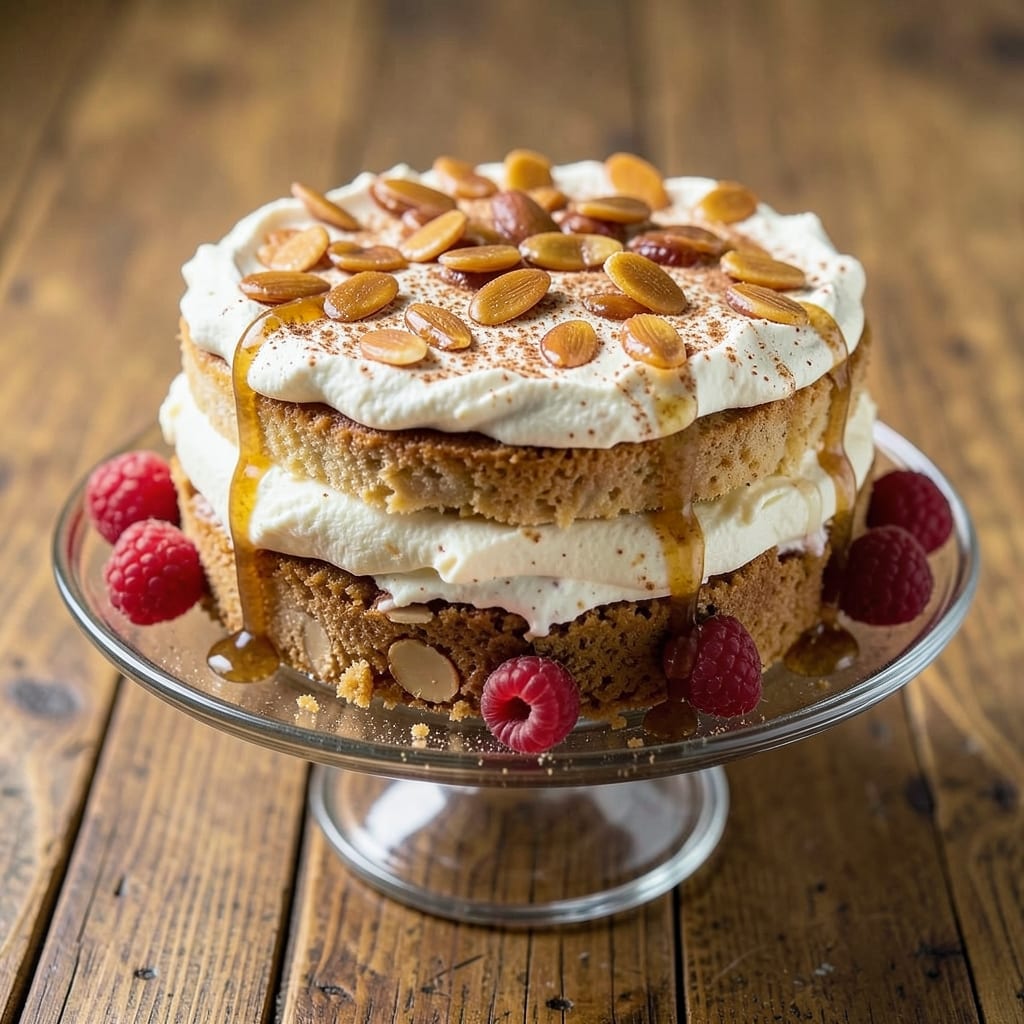
This almond pulp cake delivers the perfect balance of nutty richness and moist texture without the dryness that plagues many almond-based desserts. The secret lies in blending almonds into a fine pulp, which transforms them into a velvety, flavorful base that keeps the cake tender and luscious. After years of perfecting this recipe, I've found that using almond pulp instead of almond flour or paste creates a cake with deep, toasty notes and a satisfying crumb—no grittiness, just pure indulgence.
The recipe begins with a simple yet strategic approach: blending whole almonds into a smooth pulp, which we then combine with classic cake ingredients like eggs, sugar, and butter. This method ensures even distribution of flavor and moisture throughout the batter. What sets this cake apart is how the almond pulp interacts with the other components—it doesn't just add nutty flavor, but also enhances the cake's structure, preventing it from becoming dense or dry. The result is a dessert that's rich yet light, with a subtle almond aroma that lingers beautifully.
By the time it emerges from the oven, you'll have a moist, golden cake with a delicate crumb and a hint of toasted almond essence in every bite. The texture is neither too heavy nor too light—just right. This cake is ideal for special occasions or when you want to impress guests with a dessert that feels both elegant and approachable. The best part? It's foolproof, with clear instructions that ensure consistent results every time.
Whether you're serving it at a brunch, pairing it with coffee, or simply enjoying a slice on its own, this almond pulp cake delivers on its promise of nutty richness without compromise. The recipe includes optional decorative touches, like a dusting of powdered sugar or a drizzle of honey, to elevate its presentation. Let's get baking—this cake is worth every effort.
Ingredients for almond pulp cake
Eight simple ingredients transform into a moist, nutty cake with perfect texture.
| Ingredient | Amount | Notes |
|---|---|---|
| Whole Almonds 🌰 | 2 cups | Unsalted, toasted lightly for aroma |
| Granulated Sugar 🍚 | 1 ½ cups | White or light brown preferred |
| Unsalted Butter 🧈 | 1 cup | Room temperature, full-fat for richness |
| Large Eggs 🥚 | 4 whole | Room temperature for even mixing |
| All-Purpose Flour 🌾 | 1 ½ cups | Sifted for light texture |
| Baking Powder 🧂 | 1 ½ tsp | Aluminum-free preferred |
| Vanilla Extract 🌿 | 1 tbsp | Pure, high-quality preferred |
| Salt 🧂 | ½ tsp | Fine sea salt for balance |
| Powdered Sugar 🍚 | ½ cup | For dusting (optional garnish) |
| Honey 🍯 | 1 tbsp | For drizzling (optional) |
| Almond Extract 🌰 | ½ tsp | Enhances almond flavor |
The almonds are the heart of this cake. Raw, unsalted almonds work best—buy them in bulk at Whole Foods or Trader Joe's for the freshest flavor. Toast them lightly in a dry pan for 3-4 minutes until fragrant, then pulse in a food processor until you achieve a fine, velvety pulp (not flour). The texture should resemble wet sand. If you're short on time, high-quality almond flour can substitute, but it won't give the same moist crumb. For the butter, Plugrá or Land O'Lakes are reliable choices—just ensure it's unsalted and room temperature for smooth mixing.
No vanilla extract? Vanilla bean paste works beautifully, or use 1 tsp vanilla sugar if you're in a pinch. The powdered sugar and honey are optional but elevate presentation—dusting with powdered sugar adds a delicate finish, while honey drizzle brings subtle floral notes. If you prefer a lighter cake, reduce the almond pulp to 1.5 cups and add 0.5 cup coconut flour to maintain structure. For extra moisture, add 2 tbsp almond milk to the batter. The baking powder is crucial—Bob's Red Mill aluminum-free is my go-to for reliable results.
Store the cake in an airtight container at room temperature for up to 3 days, or refrigerate for 5 days if you prefer longer freshness. The texture actually improves slightly after 24 hours as the flavors meld. For make-ahead convenience, bake the cake a day in advance and store it wrapped in plastic. To reheat, warm slices in the oven at 300°F for 5-10 minutes—this restores the moistness beautifully. Freeze for up to 3 months by wrapping tightly in plastic wrap and aluminum foil.
Why You'll Love This Recipe
- No Blender Hassle: I just pulse whole almonds in my food processor—no fine powder, no straining, just quick bursts until it looks like wet sand. That almond pulp? It’s the secret to that tender crumb without extra steps.
- Rich Without Overpowering: The butter and eggs create this luscious, almost custardy texture, but the almonds keep it from being heavy. Honestly, it’s the kind of cake that tastes like a treat but doesn’t scream "dessert" at you.
- Weekday Workhorse: Slice it for breakfast toast, pack it in lunchboxes, or serve it warm with tea—it’s my go-to when I’m too tired for layers. (Yes, even on a Tuesday night when I’ve had zero sleep.)
- Pantry-Friendly Magic: Uses ingredients you already own—no specialty items, no last-minute grocery runs. The almonds add depth, but the sugar, butter, and flour make it feel like a classic you can always rely on. Leftovers? They vanish faster than I can say "second slice."
Step-by-step instructions for almond pulp cake
Here's how to transform whole almonds into a rich, moist cake with perfect texture every time.
Toast and Process the Whole Almonds
Preheat your oven to 350°F and spread the 2 cups whole almonds on a baking sheet. Toast for 8-10 minutes until fragrant and lightly golden, shaking the pan occasionally. This step enhances their natural flavor and prevents bitterness in the final cake.
Transfer the toasted almonds to a food processor and pulse until you achieve a fine, meal-like consistency—similar to almond flour. You want it to resemble coarse sand, not a thick paste. This texture creates the signature moist crumb while maintaining structure. Stop processing before it becomes oily, as that indicates over-processing.
Cream Butter and Sugar for Lightness
In a stand mixer fitted with the paddle attachment, beat the 1 cup unsalted butter and 1.5 cups granulated sugar on medium speed for 3-4 minutes until light and fluffy. The mixture should nearly triple in volume and become pale in color, with ribbons forming when the paddle is lifted.
This creaming process incorporates air into the batter, which creates the cake's signature tender crumb. I press down on the butter mixture after the first minute to ensure it's fully emulsified—this prevents dense pockets. The butter should be at room temperature (soft but not melted) for proper incorporation.
Combine Wet Ingredients and Almond Flour
Add the 4 whole large eggs, one at a time, mixing on low speed for 30 seconds after each addition. Then stir in the 1 tbsp vanilla extract, 0.5 tsp almond extract, and 0.5 tsp salt until fully combined. The mixture will appear slightly curdled, which is normal.
Gradually add the processed almond flour and 1.5 cups all-purpose flour mixed with 1.5 tsp baking powder to the wet ingredients. Mix on low speed for just 30 seconds until combined—overmixing develops gluten and creates a tough cake. The batter should be thick but pourable, similar to cookie dough.
Bake with Precision for Moist Perfection
Preheat your oven to 350°F and grease two 8-inch round cake pans or line them with parchment paper. Divide the batter evenly between the pans and smooth the tops. Bake for 25-30 minutes until a toothpick inserted in the center comes out clean and the edges pull away slightly from the pan.
I check for doneness at the 25-minute mark—your oven might run hot, so start checking early. The cake should have a golden top with a slightly domed center. Remove from the oven immediately and let cool in the pans for 10 minutes before transferring to a wire rack to cool completely. This gradual cooling prevents cracking.
Pro Tips For Making Almond Pulp Cake
- TOAST ALMONDS FIRST: Skip the raw almond grind—lightly toast whole almonds in a dry pan for 8-10 minutes until golden and fragrant. This deepens their nutty flavor and prevents that bitter aftertaste that sneaks into cakes when you rush the prep. (Yes, even if you’re impatient like me.)
- WHISK EGGS ROOM TEMP: Cold eggs from the fridge won’t incorporate properly into the butter-sugar mix. Let them sit in warm water for 5 minutes first—this guarantees a smoother batter and a lighter crumb. I learned this the hard way after dealing with a cake that looked dense despite following the recipe.
- DON’T OVERMIX THE BATTER: Once you fold in the almond pulp, stop mixing the second the flour disappears. Overworking it turns the texture gluey and the cake tough. Use a spatula to gently fold just until combined—this keeps the crumb tender and the almond flavor bright.
- CHILL THE BATTER 30 MIN: This isn’t the prettiest method, but it’s the tastiest. Letting the batter rest in the fridge prevents a sunken center and helps the almonds hydrate evenly. Pop it in while you preheat the oven—no extra effort, just better results. (Your future self will thank you.)
Flavor customization for almond pulp cake
Classic Nutty Profile
Start with the original recipe's 2 cups whole almonds for a rich, toasty almond flavor that dominates every bite. Toast them lightly in a dry pan for 3-4 minutes until fragrant—this enhances their natural sweetness. For an extra boost, add 0.5 tsp almond extract to the wet ingredients. This combination creates the signature nutty depth without overpowering the cake's delicate texture. 🌰
Chocolate-Dipped Twist
Add ½ cup Dutch-processed cocoa powder to the dry ingredients for a decadent chocolate-almond fusion. The cocoa deepens the flavor while maintaining moisture. For presentation, drizzle melted dark chocolate (at least 60% cocoa) over the cooled cake layers. I recommend Ghirardelli 60% or 70% for a balance of richness and bitterness that complements the almonds.
Citrus Zest Brightness
Incorporate 1 tbsp lemon or orange zest into the batter for a refreshing citrus note that cuts through the richness. Pair this with 1 tbsp lemon juice to enhance the flavor. The acidity brightens the almond's natural sweetness, creating a sophisticated flavor profile. For garnish, add thin citrus slices or a dusting of powdered sugar to elevate the presentation.
Spiced Warmth Version
Infuse the cake with warmth by adding 1 tsp cinnamon and ½ tsp cardamom to the dry ingredients. For extra depth, warm 1 tbsp honey with ½ tsp vanilla extract and fold it into the wet ingredients. This spiced variation pairs beautifully with whipped cream or caramel sauce for a cozy dessert experience. 🍯
Coffee-Infused Depth
For coffee lovers, mix 1 tbsp instant espresso powder into the dry ingredients or steep 1 tbsp coarse coffee grounds in 2 tbsp hot water, then strain and add to the wet ingredients. The coffee enhances the almond's toasty notes while adding a subtle bitterness that balances the sweetness. This version is perfect served with a dollop of vanilla ice cream or a sprinkle of cocoa powder.
Fruit-Forward Fusion
Add ½ cup finely chopped dried apricots or figs to the batter for a chewy, fruit-forward twist. Soak the fruit in 2 tbsp warm water for 10 minutes before incorporating to prevent dryness. The natural sweetness of the fruit complements the almonds beautifully. For a fresh take, top with sliced strawberries or raspberries before serving. This variation works especially well during summer months. 🍓
Nutrition facts
Frequently asked questions
Why does this recipe use almond pulp instead of almond flour?
Almond pulp creates a moist, velvety texture that almond flour can't match. When you blend whole almonds into a fine pulp, the natural oils release, keeping the cake tender and rich. This method also ensures even flavor distribution throughout each slice, unlike almond flour which can create pockets of dryness.
Can I substitute almond pulp with store-bought almond paste?
Yes, but expect a slightly denser texture. Use 1 cup almond paste instead of the pulp and reduce the butter by 1 tablespoon to maintain moisture. Almond paste contains added sugar and oils, so you may need to adjust sweetness to taste. For best results, blend the paste briefly to break up lumps before mixing.
How do I fix a cake that's too dry?
If your cake turns out dry, it's likely from overbaking or insufficient moisture. For future attempts, ensure your almond pulp is finely ground (like wet sand) and don't overmix the batter. If you already baked it, try brushing warm slices with simple syrup (equal parts sugar and water, heated until dissolved) to restore moisture.
Can I make this cake gluten-free?
Replace the 1.5 cups all-purpose flour with 1.5 cups gluten-free 1:1 baking flour (like Bob's Red Mill). Add 1 tsp xanthan gum to help bind the crumb. For extra moisture, increase the almond pulp to 2.25 cups and reduce the sugar slightly. Test your gluten-free flour blend first to ensure proper rising.
How can I tell when the almond pulp is ready?
The almond pulp should resemble wet sand with no visible whole pieces. Pulse in the food processor until smooth but not oily—stop when it forms a fine, granular texture. If it becomes too oily, the cake may be greasy. For reference, it should look similar to homemade almond flour but slightly finer.