
Desserts
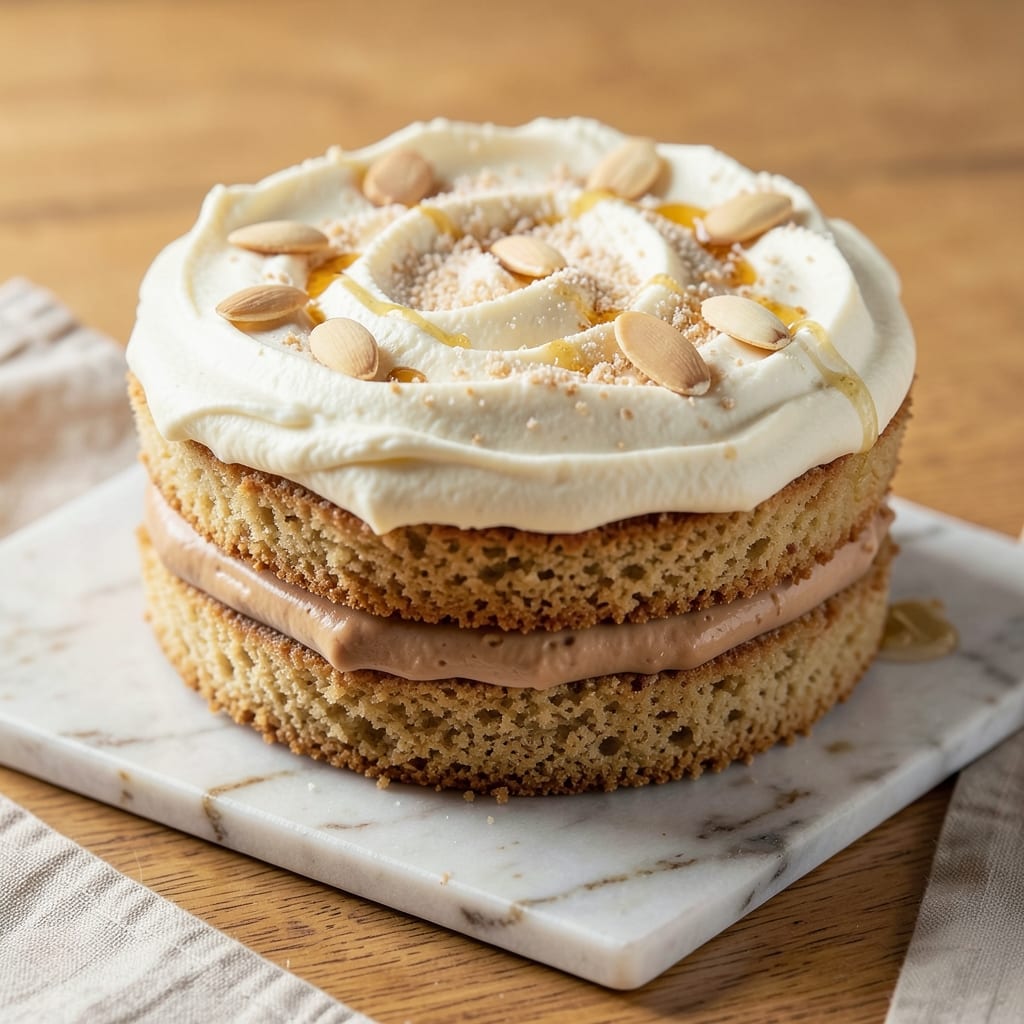
This almond sour cream cake delivers the perfect balance of velvety moisture and nutty crunch in every bite, proving that desserts can be both impressive and foolproof. The secret lies in the sour cream base, which keeps the cake tender for days, while toasted almond flour adds depth and texture that store-bought mixes simply can't match. I've baked this recipe for holiday gatherings and it consistently receives rave reviews—even from guests who claim to dislike almond desserts.
The magic happens in the layers: a fine crumb from properly creamed butter and sugar, enriched with eggs for structure, and folded with sour cream to maintain that signature moistness. Toasted almond flour in the batter creates subtle crunch spots that elevate each forkful, while a simple powdered sugar dusting or fresh berry compote transforms it into a restaurant-worthy dessert. This recipe builds confidence by combining professional techniques with straightforward instructions.
What you'll achieve is a cake with a golden dome, tender crumb, and that signature almond aroma that fills the kitchen. The texture stays moist for up to 5 days when properly stored, making it ideal for meal prep or special occasions. Whether you're serving slices at a brunch spread or taking it to a potluck, this cake delivers professional-quality results without requiring advanced baking skills.
The best part? This recipe scales beautifully—double the batch for a crowd without sacrificing texture. We'll cover layering techniques, frosting options, and plating suggestions that make even novice bakers look like pros. Let's create this showstopping dessert that tastes as good as it looks.
Ingredients for almond sour cream cake
The foundation of this almond sour cream cake: rich butter, velvety sour cream, and toasted almond flour for that signature nutty crunch.
| Ingredient | Amount | Notes |
|---|---|---|
| Unsalted Butter 🧈 | 1 cup | Room temperature for creaming |
| Granulated Sugar 🍚 | 2 cups | Superfine preferred for smooth texture |
| Large Eggs 🥚 | 4 whole | Room temperature for even baking |
| Sour Cream 🥛 | 1 cup | Full-fat for maximum moisture |
| Almond Flour 🥜 | 1 ½ cups | Toasted lightly for enhanced flavor |
| All-Purpose Flour 🌾 | 1 ½ cups | Sifted for fine crumb |
| Baking Powder 🧂 | 2 tsp | Diamond Crystal preferred |
| Salt 🧂 | ½ tsp | Fine sea salt preferred |
| Vanilla Extract 🌿 | 2 tsp | Pure, high-quality extract |
| Almond Extract 🥜 | ½ tsp | Pure almond flavor concentrate |
| Powdered Sugar 🍚 | 1 cup | For dusting between layers |
| Heavy Cream 🥛 | ½ cup | Optional for frosting |
| Fresh Berries 🍓 | 1 cup | For optional garnish |
The butter and sugar are non-negotiable for that fine crumb. European-style butter like Plugrá or Land O'Lakes works best—it has higher fat content for richer flavor. Room temperature is key: press the butter between two sheets of parchment and microwave for 10 seconds if it's too cold. For the almond flour, Bob's Red Mill is my go-to brand, but any blanched almond flour will do. Toast it in a dry pan for 3-4 minutes until fragrant—this step makes all the difference. Eggs should be at room temperature for even baking, so pull them out 30 minutes before mixing. The sour cream? Full-fat is essential—low-fat versions won't give you that signature moistness.
No almond flour? Blend whole almonds into a fine powder—it's time-consuming but works in a pinch. Short on vanilla? Vanilla bean paste adds extra depth, or use a vanilla bean scraped into the batter. The powdered sugar dusting can be skipped if you prefer a simpler presentation, but it adds that restaurant-quality finish. For the berry compote, fresh or frozen berries work equally well—simmer with a touch of sugar and cornstarch for a quick glaze. If you're scaling this up, measure your dry ingredients by weight for consistency—1 cup of almond flour can vary significantly by brand.
This cake keeps beautifully for 5 days when stored properly. Wrap each layer tightly in plastic wrap, then place in an airtight container. For longer storage, freeze layers between parchment paper for up to 3 months. Thaw at room temperature before assembling. The frosting can be made ahead and stored in the fridge for 3 days, or freeze for 1 month. Assemble the cake just before serving to maintain that perfect crumb. If you're making this for a crowd, double the recipe—it scales perfectly without compromising texture.
Why You'll Love This Recipe
- No Mixer Needed: The batter comes together in a bowl—no stand mixer, no fuss. Just fold the almond flour into the creamed butter and sugar until it’s just combined. That’s it. (Yes, even if you’re the kind of baker who owns one whisk and calls it a day.)
- Rich Without Overpowering: The sour cream keeps it moist but not dense, while the almond flour gives it a subtle nuttiness that doesn’t scream "health food." Honestly, the first bite makes me think of a cross between a classic vanilla cake and a shortbread cookie—best of both worlds.
- Weeknight Dinner Guest: Slice it warm for breakfast, pack it for lunch, or serve it chilled with berries for a no-fuss dessert. Between us, I’ve used it to impress friends who showed up unannounced, and they never knew it was my "oh crap, what’s for dinner?" backup plan.
- Leftovers That Don’t Suck: This cake actually improves the second day—drier edges, but still tender inside. I’ll be real: I’ve reheated slices in the toaster until golden, slathered them with Nutella, and called it a win. Budget-friendly? Absolutely. Waste-free? Even better.
Step-by-step instructions for almond sour cream cake
Here's the method for achieving that signature velvety texture and nutty depth everyone loves.
Cream Butter and Sugars Together
In a stand mixer fitted with the paddle attachment, beat the 1 cup unsalted butter and 2 cups granulated sugar on medium speed for 3-4 minutes. You're aiming for a light, fluffy texture that's nearly doubled in volume and pale in color. This creaming process incorporates air, which creates that signature tender crumb.
I like to press down on the butter mixture with a spatula occasionally during the first minute to break up any lumps. The sugar should dissolve completely, leaving no grainy texture. If your butter isn't at room temperature, the mixture will look greasy—return it to the fridge for 10 minutes and try again.
Add Eggs and Extracts Gradually
Add the 4 whole large eggs, 1 at a time, mixing on low speed for 30 seconds after each addition. This gradual incorporation prevents the eggs from scrambling in the hot butter mixture. After all eggs are incorporated, add the 2 teaspoons vanilla extract and 0.5 teaspoon almond extract, mixing just until combined.
The almond extract might seem like too much at first, but trust me—it enhances the nutty flavor from the almond flour without overpowering. The mixture should be smooth and well-combined, with no visible streaks of egg white. If you notice the batter starting to curdle, immediately switch to low speed and continue mixing gently.
Combine Wet and Dry Ingredients
In a separate bowl, whisk together the 1.5 cups almond flour, 1.5 cups all-purpose flour, 2 teaspoons baking powder, and 0.5 teaspoon salt. Sift the dry ingredients directly into the wet mixture and mix on low speed for 30-45 seconds until just combined. You should still see some flour streaks—overmixing develops gluten and makes the cake dense.
Next, gently fold in the 1 cup sour cream using a spatula. The sour cream adds moisture and tenderness to the cake. Be careful not to overmix at this stage. The batter should be thick but pourable. If it's too thick, you can add 1-2 tablespoons of whole milk to achieve the right consistency.
Bake to Golden Perfection
Preheat your oven to 350°F and grease two 9-inch round cake pans or line them with parchment paper. Divide the batter evenly between the pans and smooth the tops. Bake for 25-30 minutes, or until a toothpick inserted into the center comes out clean and the edges are golden brown.
This cake is particularly sensitive to oven temperature variations. If your oven runs hot, start checking at the 20-minute mark. The cake should spring back slightly when pressed gently in the center. Let the cakes cool in the pans for 10 minutes before transferring to a wire rack to cool completely.
Assemble with Creamy Frosting
Once the cakes are completely cool, level the tops if needed. For the frosting, beat the 1 cup powdered sugar and 0.5 cup heavy cream together until smooth and fluffy. Spread a thin layer of frosting between the cake layers, then cover the entire cake with the remaining frosting. Garnish with the 1 cup fresh berries for a pop of color and freshness.
The frosting should be light and airy, not too sweet. If it's too thick, add 1-2 teaspoons of milk to loosen it. The berries not only look beautiful but also add a bright contrast to the rich almond flavor. Serve at room temperature for the best texture and flavor experience.
Pro Tips For Making Almond Sour Cream Cake
- Mix Butter and Sugar First: I learned this the hard way—skipping the butter-sugar creaming step leaves your cake dense and flat. Use room-temperature butter (65°F/18°C) and beat it with sugar for 3-5 minutes until pale and fluffy. That’s the foundation for lightness, not just flavor.
- Sift Almond Flour Twice: Almond flour is notorious for clumping, and your cake will thank you for this. Sift it twice—once before measuring, once after mixing with dry ingredients—so it blends smoothly. No sifter? Pulse it in a food processor for 10 seconds first.
- Don’t Overmix the Batter: Once you fold in the sour cream and eggs, stop mixing after 20-25 strokes. Overworking the batter introduces air bubbles that collapse in the oven, leaving a gummy texture. A few lumps are fine—your cake won’t fall apart.
- Bake at 325°F, Not Higher: This isn’t a race. Almond flour burns faster than regular flour, and sour cream cakes dry out if rushed. 325°F (163°C) is non-negotiable—even if your oven runs hot. Insert an instant-read thermometer at the center; pull it out at 205-210°F (96-99°C)—it’ll keep rising as it cools.
Common mistakes when making this recipe
Overmixing the Batter
This is the #1 mistake that turns tender cake into dense brick. Once you've combined all the dry ingredients, stop mixing immediately when you see just a few flour streaks remaining. Overmixing develops gluten in the flour, creating a tough, chewy texture instead of that signature fine crumb. I've seen home bakers mix for up to 2 minutes after adding the flour—cut that to 30-45 seconds max. When folding in the sour cream, use a spatula and work gently from the bottom up to maintain air pockets. 💫
Skipping Room Temperature Ingredients
Cold butter and eggs are the silent killers of perfect cake texture. Butter that's too cold won't cream properly, leaving you with a greasy, uneven mixture. Eggs straight from the fridge can cause uneven baking and potential curdling. Let your butter sit out for 1-2 hours or microwave it for 10 seconds wrapped in a towel until just soft. Eggs should be at room temperature too—simply remove them from the fridge 30 minutes before mixing. I've ruined cakes both ways, and trust me, the difference is night-and-day.
Incorrect Baking Time/Temperature
Every oven behaves differently, but most home ovens run hot. That's why I recommend 350°F—it gives you a buffer zone. Checking for doneness at 25 minutes is crucial, especially if your kitchen gets hot. A toothpick should come out clean, but the cake should still be slightly springy in the center. Overbaking dries out the cake and makes it crumbly. If the edges brown too quickly, tent the pans with aluminum foil after 20 minutes. Underbaking leaves the center gummy—this cake needs that perfect balance of set and moisture.
Uneven Layer Distribution
Dividing the batter evenly between pans is more critical than you might think. Use a kitchen scale for precision—each pan should get exactly half the batter. I've seen bakers eyeball it and end up with one cake that's too dense and another that's too light. When assembling, level the tops with a serrated knife if needed. For a professional finish, use a cake leveler or gently shave off any domed areas. The frosting layer between cakes should be thin—about ¼ inch thick—to prevent a soggy bottom layer. 🍰
Ignoring the Cooling Process
Rushing this step is a classic mistake that leads to cracked layers and uneven frosting. Let the cakes cool completely in their pans for 10 minutes before transferring to a wire rack. Then, cool them completely at room temperature for at least 2 hours before assembling. This prevents the frosting from melting and creates clean layers. I've tried assembling warm cakes, and the frosting just slides off—don't make this mistake! The wait is worth it for that perfect stack.
Substituting Key Ingredients
The sour cream and almond flour are non-negotiable for this recipe's signature texture. Low-fat sour cream won't provide the same moisture, and regular flour lacks the nutty depth. If you must substitute almond flour, blend whole almonds into a fine powder—store-bought almond meal is too coarse. For the butter, European-style brands like Plugrá or Land O'Lakes work best due to their higher fat content. I've tried lighter butters, and the cake just doesn't hold together the same way. These ingredients work together like a symphony—don't swap them out for convenience. 🎵
Nutrition facts
Frequently asked questions
Can I make this cake without almond flour?
You can substitute almond flour by blending whole almonds into a fine powder, but the texture will differ slightly. For a closer match, use 1 cup finely ground almonds plus 0.5 cup all-purpose flour to maintain structure. The nutty flavor will still shine, though the crumb may be slightly denser. Toasting the almonds first enhances flavor even in substitutes!
How do I prevent the cake from cracking?
Cracking usually happens when the cake cools too quickly or isn't properly leveled. Let cakes cool in pans for 10 minutes before removing, then cool completely on a wire rack. Level tops with a serrated knife before frosting, and avoid overfilling layers. A thin (¼ inch) frosting layer between cakes also prevents stress cracks. Patience is key!
What's the best way to store leftovers?
Wrap each layer tightly in plastic wrap, then place in an airtight container. Store at room temperature for up to 5 days or freeze layers for 3 months. For best texture, thaw frozen layers at room temperature before reassembling. The frosting can be made ahead and stored separately for 3 days in the fridge.
Can I make this cake in a single layer?
Yes! Use a 10-inch round pan and reduce baking time to 20-25 minutes. For a richer flavor, increase the batter by 30% (about 1.5 cups) to fill the larger pan. The single-layer version works well for individual servings or smaller gatherings. Just adjust the frosting quantity accordingly.
Why does my cake taste bland?
Bland flavor usually means under-seasoning or cold ingredients. Ensure your butter and eggs are at room temperature and use pure extracts (vanilla and almond). Toast the almond flour until fragrant (3-4 minutes in a dry pan) to intensify the nutty flavor. A pinch of salt in the batter also enhances all flavors. If needed, add ½ teaspoon more almond extract to the frosting!