
Desserts
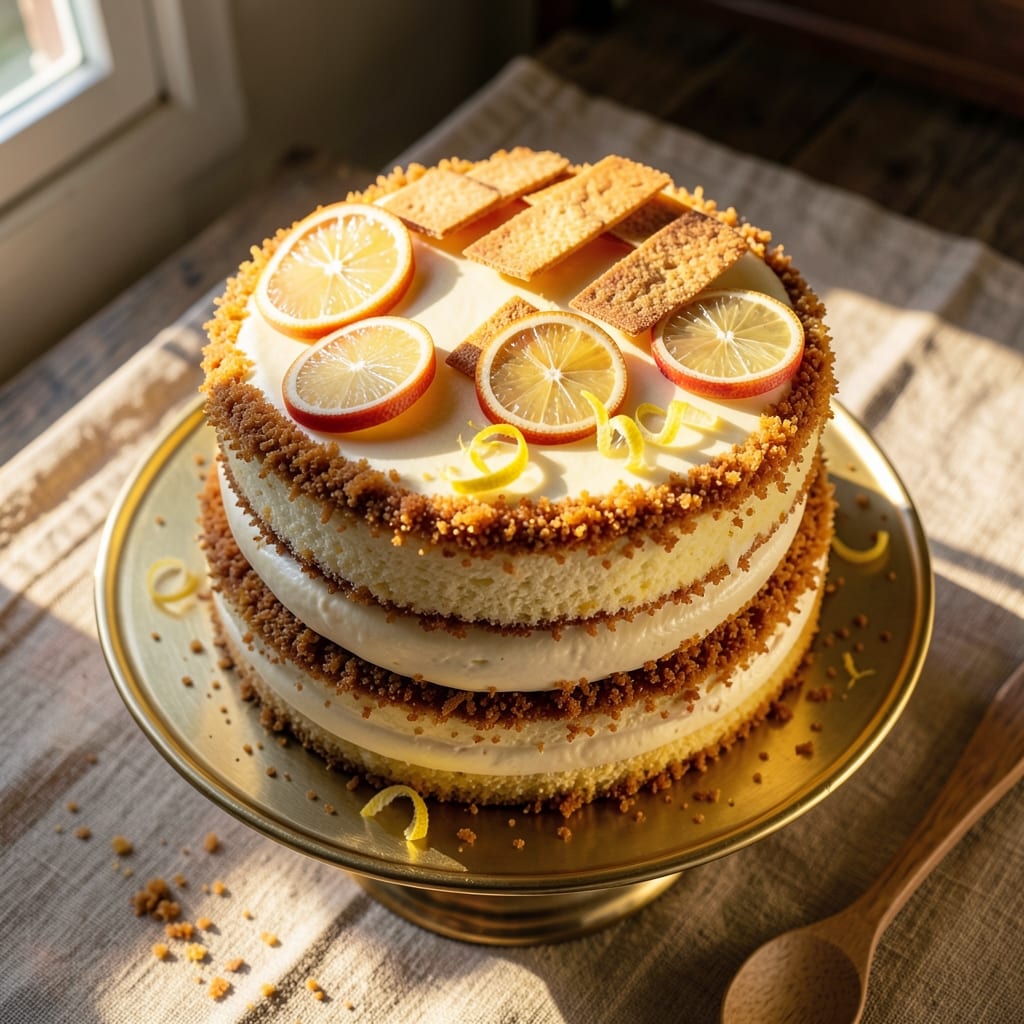
The Amalfi Cake brings the sun-drenched flavors of Italy to your kitchen with its signature lemon zest and ricotta swirl. This traditional dessert combines a tender sponge cake with layers of creamy custard and whipped cream, all tied together by bursts of bright citrus and rich chocolate. What makes this cake truly special is its balance of textures—light, airy layers that melt in your mouth with every bite.
Creating this masterpiece is simpler than you might think, though it does require patience. The sponge cake forms the foundation, infused with lemon zest for that signature brightness. Between the layers, a velvety custard made with ricotta and whipped cream creates the signature swirl, while a final dusting of cocoa powder adds a touch of elegance. The result is a dessert that’s both impressive and comforting, perfect for celebrations or a special treat.
The key to success lies in precise timing and technique—baking the cake just until golden, letting the custard set properly, and assembling the layers with care. Each component plays a crucial role in delivering that authentic Amalfi flavor, where the lemon zest shines through while the ricotta adds a subtle creaminess. The final touch of cocoa powder not only enhances the visual appeal but also adds a hint of bitterness that balances the sweetness.
Once assembled, the cake needs time to chill, allowing the flavors to meld and the layers to set. This waiting period is worth it, as the result is a dessert that’s as beautiful as it is delicious—with a texture that’s light yet rich, and a taste that transports you straight to the Amalfi Coast. Ready to bring a taste of Italy to your table? Let’s get started.
Ingredients for amalfi cake
Sunshine in every bite—these Italian staples bring Amalfi’s bright flavors home.
| Ingredient | Amount | Notes |
|---|---|---|
| All-Purpose Flour 🌾 | 3 cups | Sifted for light texture |
| Granulated Sugar 🍚 | 2 cups | Divided for cake and custard |
| Unsalted Butter 🧈 | 1 ½ cups | Room temperature, cubed |
| Large Eggs 🥚 | 8 whole | Room temperature, separated |
| Lemon Zest 🍋 | 2 tbsp | Fresh, finely grated |
| Fresh Lemons 🍋 | 4 whole | Juiced for brightness |
| Whole Milk 🥛 | 1 ½ cups | Room temperature |
| Ricotta Cheese 🧀 | 16 oz | Full-fat, room temperature |
| Heavy Whipping Cream 🥛 | 2 cups | Cold, whipped to stiff peaks |
| Vanilla Extract 🌿 | 2 tsp | Pure, high-quality |
| Unsweetened Cocoa Powder 🍫 | ¼ cup | For dusting layers |
| Baking Powder 🧂 | 2 tsp | For lightness |
| Salt 🧂 | ½ tsp | Fine sea salt |
The ricotta is the heart of this cake, so pick full-fat—none of that skim stuff. I grab mine from Trader Joe's because it’s consistently creamy, but any good Italian market will have a better selection. The lemons? Organic if possible—the zest should be vibrant yellow, not dull or bitter. For the butter, European-style brands like Plugrá melt beautifully, but regular unsalted works too. And don’t skip room temperature—this isn’t a time to rush. Let everything sit out for a couple of hours before mixing. The flour? King Arthur or Gold Medal is my go-to for that perfect tender crumb.
No ricotta? Cottage cheese blended smooth works in a pinch, though it won’t be as rich. Short on lemons? Double the zest and halve the juice—just be ready for extra tartness. The heavy cream must be cold—whipped too soon and it’ll never hold its peaks. For the vanilla, Madagascar Bourbon adds depth, but pure vanilla extract is fine. The cocoa powder? Dutch-processed keeps things from getting too bitter. And if you’re worried about the eggs? Room temperature is non-negotiable—cold eggs won’t whip properly.
The sponge needs to go in the fridge for 1 hour before baking—this prevents cracking. The custard layers? Chill for 2 hours so they hold their shape when sliced. Once assembled, this cake keeps for 3 days in the fridge, but it’s best eaten within 48 hours. I always wrap it tightly in plastic wrap—the ricotta can weep if exposed to air. And trust me, the first slice is worth the wait.
Why You'll Love This Recipe
- No Fuss Layers: I swear, the buttercream is so light it melts in your mouth—no stand mixer required. Just fold the softened butter into the sugar, add the lemon zest, and let the eggs do the heavy lifting. Honestly, my arms thank me every time.
- Zesty Magic: That lemon zest? It’s the star. Bright, citrusy, and just enough to cut through the richness of the buttercream without overpowering. I’ll be real: my husband steals slices just to taste it first.
- Weekend or Weeknight: Slice it for a fancy brunch with coffee or pack it in lunchboxes—it holds up like a champ. (Yes, even on a Tuesday night.) The flour and sugar ratio keeps it sturdy, so it’s not just a dessert; it’s a reliable sidekick.
- Budget Baking: Four simple ingredients, minimal waste, and leftovers that taste just as good the next day. I’ve made this for birthdays, potlucks, and just-because cravings—no one ever asks what’s in it, they just ask for more.
Step-by-step instructions for Amalfi cake
This Italian classic delivers layers of lemon brightness and creamy ricotta swirls—here's how to bake it just right.
Prepare the Lemon Cake Batter
Preheat your oven to 350°F and grease two 9-inch round cake pans, lining the bottoms with parchment paper. In a large mixing bowl, combine the 3 cups all-purpose flour, 2 cups granulated sugar, 2 tsp baking powder, and 0.5 tsp salt. Sift this dry mixture together to create a light, airy base.
In a separate bowl, beat the 1.5 cups unsalted butter and 8 whole large eggs on medium speed until fully incorporated. Gradually add the dry ingredients while mixing on low speed, alternating with the 1.5 cups whole milk in thirds. This slow incorporation prevents gluten development, ensuring a tender crumb. Stir in the 2 tbsp lemon zest and 2 tsp vanilla extract until just combined—don't overmix or the cake will be dense.
Divide the batter evenly between the prepared pans and smooth the tops. Bake for 25-30 minutes until a toothpick inserted in the center comes out clean. Let the cakes cool in the pans for 10 minutes, then transfer to a wire rack to cool completely.
Make the Lemon-Ricotta Filling
Juice the 4 whole fresh lemons (you should get about 1 cup of juice) and strain to remove any pulp. In a medium bowl, whisk together the 16 oz ricotta cheese, 1 cup lemon juice, 2 tbsp lemon zest, and 2 tbsp granulated sugar until smooth. This mixture should be thick but pourable—if it's too stiff, add 1-2 tablespoons of milk to loosen it.
In a separate bowl, whip the 2 cups heavy whipping cream to stiff peaks. Gently fold the whipped cream into the ricotta mixture using a spatula, being careful not to deflate the cream. The filling should be light and airy with just a hint of lemon brightness. Cover and refrigerate until ready to use.
Assemble and Swirl the Layers
Place one cooled cake layer on a serving plate. Spread half of the lemon-ricotta filling evenly over the top, leaving a ½-inch border around the edges. This border prevents filling from oozing out during slicing. Dust the top lightly with 0.25 cup unsweetened cocoa powder for a classic Amalfi touch.
Top with the second cake layer and spread the remaining filling over it. Use a long knife or offset spatula to create swirls in the filling by gently dragging it through the center to the edges. This creates the signature marbled effect. Dust the top with another light layer of cocoa powder and refrigerate for at least 4 hours (or overnight) to allow the flavors to meld.
Slice the cake into Serve with Confidence
Here's the thing—this cake tastes even better the next day as the flavors deepen. Store leftovers covered in the refrigerator for up to 3 days. For an extra-special touch, garnish each slice with a few extra lemon zest curls before serving.
Pro Tips For Making Amalfi Cake
- Bake at 325°F—Not Hotter: I learned this the hard way—cranking the oven to 350°F for "faster baking" gives you a dry, cracked top instead of that signature moist crumb. Amalfi cake needs slow, steady heat to let the butter and eggs set properly without rushing. Use an oven thermometer if yours lies.
- Zest Fresh, Then Rest It: Skip the pre-grated zest from the jar—it’s bitter and dull. Use a fine grater on organic lemons, then let the zest sit in the flour for 10 minutes before mixing. This softens the oils and lets the citrus flavor meld instead of overpowering.
- Don’t Overmix the Batter: After folding in the flour, stop as soon as it’s just combined. Overworking it develops gluten, which turns your tender crumb into a chewy mess. Two turns of a spatula is all you need—this cake relies on air pockets, not strength.
- Let the Cake Cool Inverted: Flip it onto a wire rack immediately after baking, then let it cool upside-down for 15 minutes. This keeps the bottom from turning gummy while the top sets. (Yes, it looks dramatic, but it works—trust me.)
Storing and reheating this dish
Refrigerator Storage
Once your Amalfi Cake is fully assembled, store it in an airtight container lined with plastic wrap to prevent drying. The cake keeps beautifully in the fridge for up to 3 days, but I always recommend serving it within 48 hours for peak texture and flavor. The ricotta filling stays creamy and the sponge retains its moisture when properly sealed. 🥧
Let the cake sit at room temperature for 15-20 minutes before slicing to prevent the ricotta from oozing. I like to wrap individual slices in parchment paper if I'm prepping ahead for parties—this keeps them clean and prevents the cocoa dust from smudging. For best results, store the whole cake in a single layer rather than stacking slices.
Freezing for Later
This cake freezes surprisingly well for up to 2 months if you wrap it tightly in plastic wrap followed by aluminum foil. I always label the container with the date to track freshness. When ready to serve, thaw overnight in the fridge and bring to room temperature before slicing. The texture remains delightfully moist, though the ricotta may firm up slightly—just let it sit for 10 minutes before serving.
Reheating Slices
For a warm serving, microwave individual slices on medium power (50%) for 10-15 seconds. The sponge warms through while the ricotta stays creamy. Alternatively, you can gently warm slices in a 200°F oven for 5-7 minutes on a wire rack—this method keeps the cake lighter. I avoid the microwave for whole slices as it can make the ricotta filling runny.
Room Temperature Serving
The cake tastes best at room temperature, so let it sit for 30-60 minutes before serving if it's chilled. This allows the flavors to meld beautifully. I often dust the top with an extra sprinkle of cocoa powder right before serving—it adds that final touch of elegance. For a special presentation, garnish with lemon zest curls or a few fresh berries to complement the citrus notes. 🍋
Make-Ahead Tips
Assemble the cake 1 day ahead if possible—the flavors develop more deeply during chilling. Store the components separately (cake layers and filling) in the fridge if you're prepping ahead, then assemble just before serving. The filling can be made 2 days in advance and stored in an airtight container with plastic wrap pressed directly on the surface to prevent a skin from forming. This saves time on the day you're ready to bake! ⏰
Nutrition facts
Frequently asked questions
Why does the Amalfi Cake need to chill before serving?
Chilling for at least 4 hours (or overnight) is crucial because it lets the flavors meld together and the layers set properly. The ricotta filling thickens slightly, preventing it from oozing out when you slice. This also helps the sponge layers absorb the custard flavors more evenly, giving you that perfect balance of lemon zest and creamy ricotta in every bite.
Can I make the Amalfi Cake without ricotta?
Yes, but the texture will be different. You can substitute with 16 oz of blended cottage cheese (strained to remove excess liquid) or 1 cup of mascarpone cheese mixed with 1 cup heavy cream. The cake will still be delicious, though it won't have the same signature creaminess. The lemon and sponge layers will still shine through!
How do I fix a cracked cake layer?
Don't panic! Cracked layers happen when the cake cools too quickly. If it's minor, you can still assemble the cake—just spread the filling over the cracks to hide them. For deeper cracks, brush them with a simple syrup (equal parts sugar and water, heated until dissolved) before adding the filling. This helps seal the cracks and keeps the filling from oozing out.
Can I use store-bought sponge cake instead of making it from scratch?
If you're short on time, use a high-quality vanilla or lemon sponge cake from a bakery. Choose one that's moist but not overly dense. Cut it into 9-inch round layers and follow the rest of the recipe as written. The homemade sponge adds that authentic Amalfi flavor, but store-bought works in a pinch—just adjust the filling quantity if needed.
What’s the secret to getting those perfect swirls?
The key is patience and a steady hand! After spreading the filling on the second layer, use a long knife or offset spatula to gently drag the filling from the center outward in smooth, even strokes. Work quickly but carefully to create the marbled effect. If the filling is too thick, it won’t swirl easily—adjust with a splash of milk if needed. Practice makes perfect, and the result is totally worth it!