
Desserts
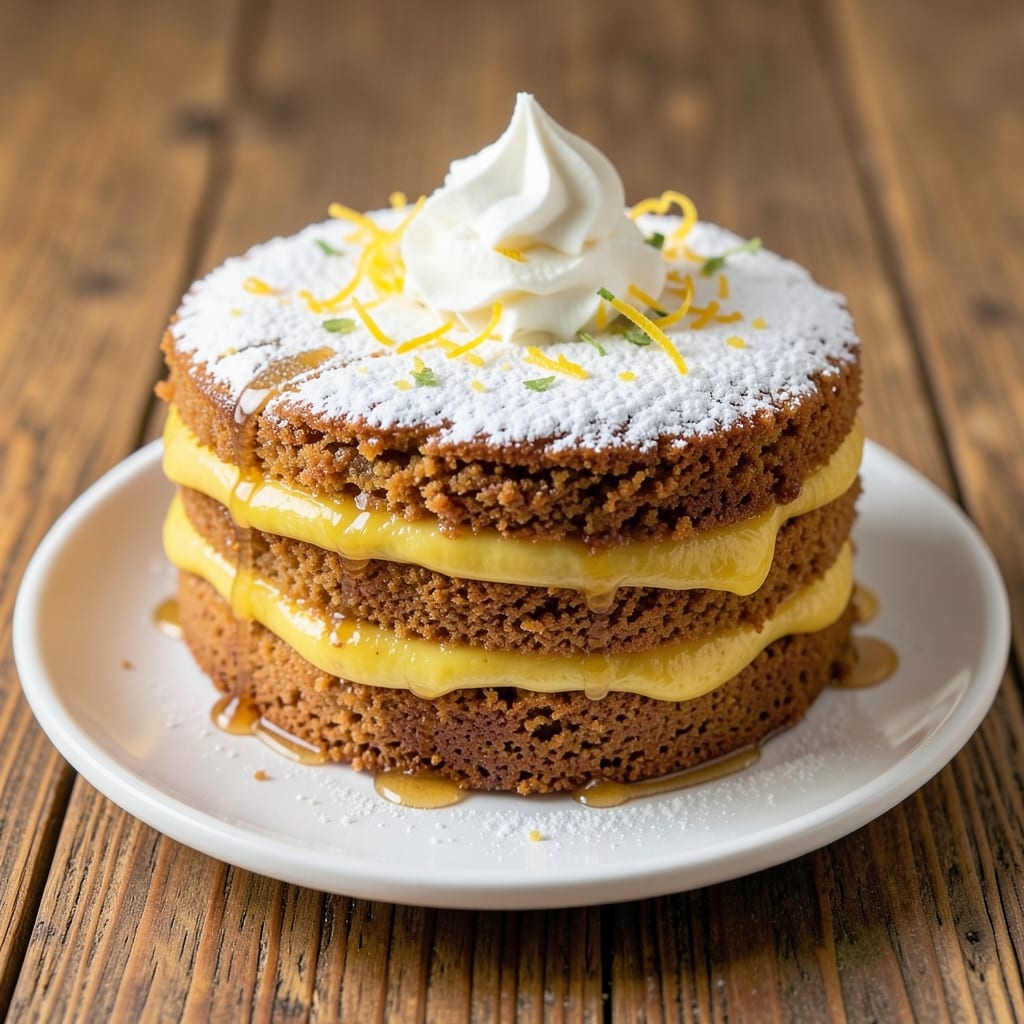
This amazing lemon cake recipe delivers sunshine in every bite—bright, buttery layers that balance tart and sweet perfectly. ✨ I've perfected it over years of baking, and the secret lies in zesty lemon juice, melted butter, and a touch of cream cheese for moisture that lasts. The first time I made this, my family declared it "the best lemon cake ever," and I've been tweaking it ever since to make sure it lives up to that praise.
The magic happens in the batter, where fresh lemon juice and zest infuse every layer with that signature tang, while a simple glaze ties it all together with extra shine. What makes this recipe truly special is how foolproof it is—no fancy techniques required, just a few key ingredients and a little patience. The result? A cake that's moist, tender, and packed with flavor that'll have everyone asking for seconds.
Imagine cutting into golden layers that reveal a bright yellow crumb, the scent of lemon filling the kitchen, and that first bite of buttery richness balanced by citrus zing. This cake is perfect for afternoon tea, brunch spread, or even a celebration dessert—it's light enough to feel special but satisfying enough to be a crowd-pleaser.
Pair it with a dollop of lemon curd, a dusting of powdered sugar, or fresh berries for the ultimate presentation. Ready to bake? Let's get started on this lemony masterpiece that'll make your kitchen smell like summer all year round.
Ingredients for amazing lemon cake
Sunshine in a box—just 12 ingredients for layers bursting with lemony brightness.
| Ingredient | Amount | Notes |
|---|---|---|
| All-Purpose Flour 🌾 | 2 ½ cups | Sifted for light texture |
| Granulated Sugar 🍚 | 2 cups | Superfine preferred for smoothness |
| Unsalted Butter 🧈 | 1 cup | Melted and cooled slightly |
| Fresh Lemon Juice 🍋 | 1 cup | From 4-5 large lemons |
| Lemon Zest 🍋 | 2 tbsp | From organic lemons |
| Large Eggs 🥚 | 4 whole | Room temperature preferred |
| Baking Powder 🧂 | 2 tsp | Diamond Crystal preferred |
| Salt 🧂 | ½ tsp | Fine sea salt |
| Cream Cheese 🧀 | 8 oz | Room temperature, full-fat |
| Powdered Sugar 🍚 | 1 cup | For glaze |
| Heavy Cream 🥛 | ½ cup | Chilled for glaze |
| Vanilla Extract 🌿 | 1 tsp | Pure Madagascar preferred |
The lemons should be the star here. Organic Meyer lemons from Whole Foods or your local farmers market pack the most flavor, but any bright, firm lemons will work. Roll them on the counter before juicing to soften the peel—it makes zesting so much easier. For the butter, Land O'Lakes or Plugrá are my go-tos, but any good-quality unsalted butter will do. The cream cheese? Philadelphia brand is foolproof, but any full-fat cream cheese works. Pro tip: let all your dairy ingredients sit out for 30 minutes before using—they'll mix into the batter so much smoother.
No Meyer lemons? Regular lemons work perfectly—just use twice the zest to compensate for the milder flavor. Running low on butter? Coconut oil works in a pinch, though the flavor will be subtly different. No vanilla? Vanilla bean paste adds gorgeous specks, or even a pinch of ground cardamom for warmth. The baking powder is non-negotiable—Diamond Crystal is my favorite because it's lighter than most brands. For the glaze, if you're feeling fancy, add a dash of turmeric for that golden hue. And if you're baking for a crowd, double the glaze ingredients—trust me, it disappears fast!
This batter keeps for 2 days in the fridge, covered tightly. The glaze sets up quickly, so make it fresh before serving. For make-ahead magic, bake the cake, cool completely, then wrap each layer in plastic wrap—it'll stay fresh for 3 days. Freeze the assembled cake (unfrosted) for up to 3 months. Just let it thaw at room temperature before glazing. And if you're feeling extra, store the glaze ingredients separately and whip up fresh glaze whenever you're ready to serve—it's worth the extra minute!
Why You'll Love This Recipe
- No Mixer Needed: I’ll be real—this cake only asks for a bowl and a whisk. No stand mixer, no food processor, just you folding together butter, sugar, and flour until it’s smooth. The lemon juice and zest come in last, and honestly? That’s where the magic happens without the fuss.
- Bright Burst Every Bite: That fresh lemon juice isn’t just for flavor—it’s the star. The butter keeps it rich, but the citrus cuts through it so cleanly, you’ll taste the sunshine. And the zest? Tiny but mighty, giving each slice that zingy finish that makes you reach for another.
- Weekday or Celebration: Between us, this cake is my go-to for both "I need dessert now" and "let’s impress guests" moments. Serve it plain for a quick treat, or add whipped cream and berries when company’s over. The same simple ingredients just work harder depending on the occasion.
- Leftovers That Last: A full cake keeps beautifully for days—moist but never soggy. I’ve packed slices for lunches, reheated them in the microwave for a quick breakfast, and even turned extra into lemon bars. (Yes, even on a Tuesday night.) Budget-friendly, too—just five staples, no specialty items.
Step-by-step instructions for lemon cake with buttery layers
This bright, tangy lemon cake delivers restaurant-quality layers every time—juicy, tender, and bursting with citrus flavor.
👨🍳 Step 1: Mix Dry Ingredients and Prepare Lemon Butter
In a medium bowl, whisk together the 2.5 cups All-Purpose Flour, 2 tsp Baking Powder, and 0.5 tsp Salt. Set aside—this dry mix is your foundation. In a separate large bowl, cream the 1 cup Unsalted Butter (cooled slightly after melting) with the 2 cups Granulated Sugar on medium speed until light and fluffy, about 3-4 minutes. You'll know it's ready when the mixture nearly doubles in volume and leaves ribbons when you lift the beaters.
Add the 1 cup Fresh Lemon Juice and 2 tbsp Lemon Zest to the butter mixture, mixing until fully combined. The zest should be finely grated—no visible chunks! This is where the real magic happens: that bright citrus flavor infuses the batter right from the start. I like to press the zest through a fine-mesh strainer to ensure smooth texture in every bite.
🍳 Step 2: Combine Wet Ingredients and Fold Gently
Add the 4 whole Large Eggs one at a time to the butter mixture, mixing just until each is fully incorporated. Then stir in the 1 tsp Vanilla Extract. The batter will look slightly curdled at first, but don't worry—it will come together beautifully when you add the dry ingredients. Slowly fold in the dry mix using a spatula, mixing just until combined. Overmixing develops gluten, which can make the cake dense instead of light and tender.
Here's the thing—lemon cakes are forgiving, but this folding step matters. Stop mixing as soon as you see no more flour streaks. The batter should be thick but pourable. If it's too thick, you can gently stir in 1-2 tablespoons of the lemon juice to loosen it slightly. Pour the batter into two 8-inch round cake pans lined with parchment paper and greased lightly with butter.
🔥 Step 3: Bake to Golden Perfection
Preheat your oven to 350°F and bake the cakes for 25-30 minutes, or until a toothpick inserted into the center comes out clean. I always check at the 20-minute mark because ovens vary—some run hot, others cold. The edges should be golden brown, and the tops should spring back when gently pressed with a finger. Don't overbake, or the cakes will dry out. Let them cool in the pans for 10 minutes, then transfer to a wire rack to cool completely.
While the cakes cool, make the cream cheese glaze. In a bowl, beat the 8 oz Cream Cheese (room temperature) with the 1 cup Powdered Sugar and 0.5 cup Heavy Cream until smooth and fluffy. This glaze is what ties the whole cake together—creamy, sweet, and perfectly balanced with the tangy lemon layers. If the glaze is too thick, add a splash more heavy cream to reach a spreadable consistency.
🥘 Step 4: Assemble and Glaze for Showstopping Layers
Once the cakes are completely cool, level the tops if needed with a serrated knife. Place one cake layer on a plate or stand, then spread a thin layer of the cream cheese glaze on top. This is your "glue"—it keeps the layers from sliding and adds extra creaminess. Place the second cake layer on top and press down gently. Now, spread the remaining glaze evenly over the entire top and sides of the cake, letting some of it drip down the sides for that bakery-style finish.
Let the glaze set for 15-20 minutes at room temperature before serving. This gives it time to firm up slightly, making it easier to slice and serve. The final result? A stunning cake with moist, citrusy layers, a creamy glaze that ties everything together, and a presentation that looks as good as it tastes. Trust me, your guests will think you baked this for hours—when in reality, it's a foolproof method that delivers amazing results every time.
Pro Tips For Making Amazing Lemon Cake
- Use Room-Temperature Butter: Cold butter creates pockets of air in your batter, leading to a dense cake. Let it sit out for 30-45 minutes (or microwave for 10 seconds) until it’s soft but not melted—this guarantees a tender crumb. I used to rush this step and ended up with a cake that was more like a brick.
- Zest Before Juicing: Grate your lemon zest first, then juice—this keeps your zest fresh and aromatic. Stored zest loses potency fast, so use it immediately in the batter. (Yes, even if you’re impatient like me, this makes a real difference.)
- Check Doneness with a Toothpick: A clean toothpick isn’t the only sign—look for lightly crumbly batter, not wet streaks. If it’s sticky, bake another 2-3 minutes; overbaking dries out the cake faster than you’d think.
- Fold Dry Ingredients Gently: Dump flour in all at once and stir aggressively, and you’ll end up with gluten-heavy tunnels. Sift half the flour first, then fold in the rest with a spatula in a figure-eight motion to keep the batter airy. This isn’t the prettiest method, but it’s the tastiest.
Common mistakes when making perfect results
Overmixing the Batter
I’ve seen this happen more times than I can count—especially when we’re eager to get that perfect texture. Overmixing the batter develops gluten in the flour, which makes your cake dense instead of light and tender. The moment you see no more flour streaks in the batter, stop mixing immediately. Think of it like folding a delicate blanket—gentle, even strokes only. If you’re unsure, err on the side of undermixing rather than overdoing it. 💫
Skipping Room Temperature Ingredients
Cold butter or eggs can lead to pockets of unmixed batter or a cake that doesn’t rise properly. Let your butter, cream cheese, and eggs sit out for at least 30 minutes before starting. Room temperature ingredients blend smoothly and create a uniform texture. Pro tip: Place your eggs in warm water for 5 minutes if you’re in a hurry—they’ll come to room temp faster.
Using Bottled Lemon Juice
Fresh lemon juice is non-negotiable for that bright, vibrant flavor. Bottled juice lacks the complexity and freshness that make this cake truly amazing. If you’re using store-bought juice, opt for 100% pure, no-preservative-added brands like ReaLemon or Simply Lemon Juice. But honestly? Rolling lemons on the counter before juicing and zesting makes all the difference—it’s worth the extra minute.
Underbaking or Overbaking
An underbaked cake will be gummy in the center, while overbaking dries it out. Aim for 25-30 minutes at 350°F and check with a toothpick at the 20-minute mark. The toothpick should come out clean, but the cake should still have a slight bounce when pressed gently. If your oven runs hot, reduce the temperature by 25°F and add 5 minutes to the baking time. Every oven is different—trust your instincts!
Ignoring the Cooling Process
Rushing the cooling process is a classic mistake. Let the cakes cool in their pans for 10 full minutes before transferring them to a wire rack. This prevents them from cracking or collapsing. Patience here ensures clean layers when you assemble the cake. And never, ever stack the layers while they’re still warm—the glaze won’t set properly, and the cake might slide apart. Let them cool completely before glazing. ✨
Weighing Ingredients Incorrectly
Using volume measurements (like cups) can lead to inconsistencies, especially with ingredients like flour or sugar. For the best results, I recommend using a digital kitchen scale for accuracy. For example, 2.5 cups of all-purpose flour can weigh anywhere from 12 oz to 14 oz depending on how it’s packed. Weighing ensures your cake turns out perfectly every time—no guesswork, just foolproof baking.
Nutrition facts
Frequently asked questions
Can I substitute bottled lemon juice for fresh?
Fresh lemon juice gives the brightest flavor, but if you must use bottled, choose a 100% pure, preservative-free brand like ReaLemon. For best results, add 1 extra tablespoon of zest to compensate for the lack of natural oils in fresh juice. The cake will still taste amazing, just slightly less vibrant.
How do I store leftover lemon cake?
Keep the cake in an airtight container at room temperature for 2 days. For longer storage, refrigerate for up to 5 days or freeze the unfrosted layers (individually wrapped) for 3 months. Thaw overnight in the fridge before glazing. The glaze stays fresh for 24 hours at room temperature once applied.
Why did my cake turn out dense?
Most likely you overmixed the batter or didn't let ingredients come to room temperature. Stop mixing as soon as you see no flour streaks, and always use room temp butter, eggs, and cream cheese. Another common issue is overbaking—check with a toothpick at 20 minutes and remove when clean but slightly springy.
Can I make this cake in a different pan size?
Yes! For an 8-inch pan, use the recipe as written. For 9-inch pans, reduce baking time by 5-7 minutes (check at 20 minutes). For 6-inch pans, increase baking time by 5 minutes. Adjust oven temp by ±25°F if needed for your pan material (dark pans may need lower temp).
What's the best way to serve this lemon cake?
This cake shines with a simple presentation: dust with powdered sugar and serve with Earl Grey tea or sparkling lemonade. For extra flair, add fresh berries or lemon slices. It's perfect for afternoon tea, brunch, or as a light dessert. The cream cheese glaze pairs beautifully with vanilla ice cream or a dollop of whipped cream.