
Breakfast & Brunch
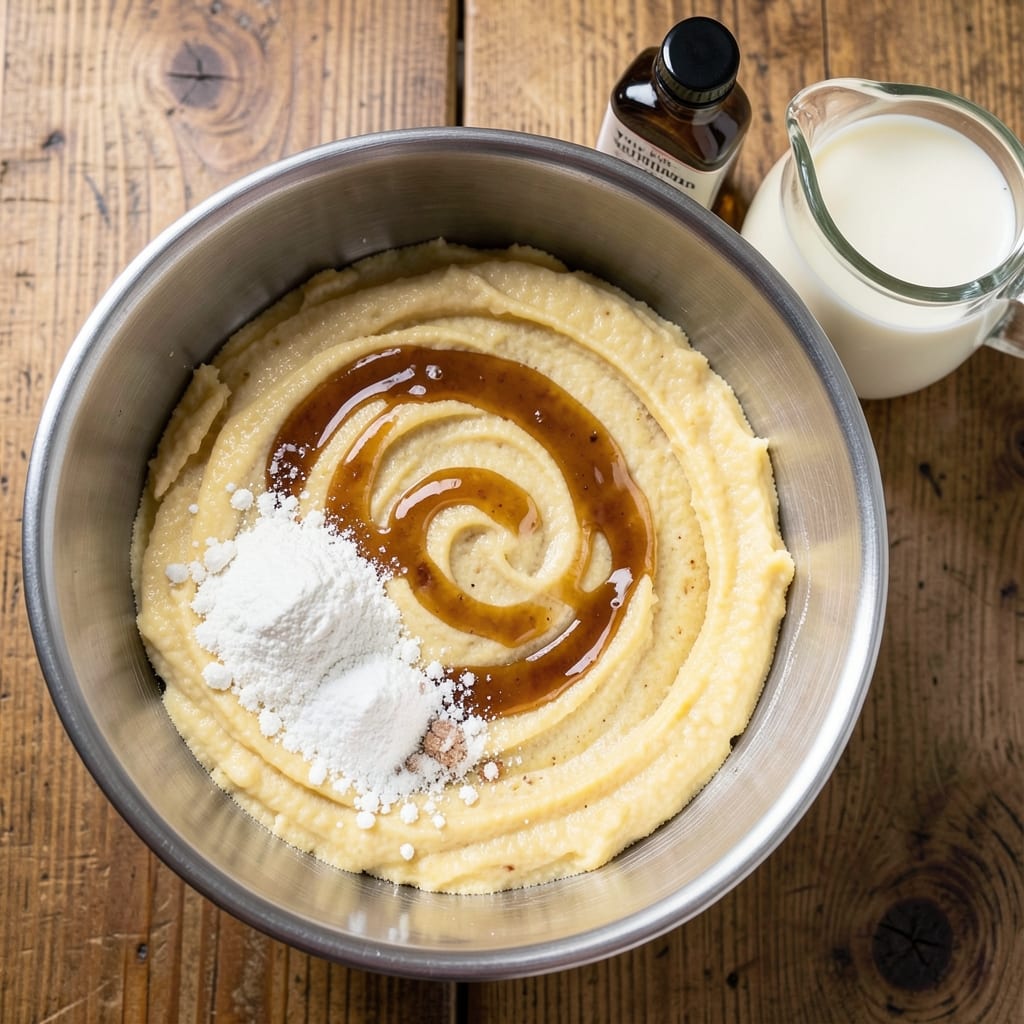
This American pancake mix recipe delivers the fluffiest, most tender stacks you'll ever make—no boxed mix required. The secret lies in the perfect balance of baking powder, buttermilk, and a touch of vanilla that transforms simple ingredients into golden, syrup-ready pancakes. I've perfected this recipe over years of weekend breakfasts, and it consistently produces pancakes with crisp edges and a light, airy interior that holds up to every pour of syrup.
The process is straightforward but critical: mix the dry ingredients first, then gently fold in the wet components to maintain those signature air pockets. Cooking on medium heat ensures even browning without burning, while flipping at the right moment guarantees that signature dome shape. What you'll end up with is a stack of pancakes so tender they practically melt in your mouth, with just enough structure to hold up to generous dollops of butter and rivers of maple syrup.
This recipe serves 6-8 people, making it ideal for family breakfasts or brunch gatherings. The pancakes stay warm and fluffy even as you work through the batch, and the syrup swirls create a restaurant-quality presentation that's surprisingly easy to achieve at home. Whether you're serving them with fresh berries, whipped cream, or classic bacon, these pancakes will be the star of your morning table.
For an extra touch of indulgence, I recommend finishing with a drizzle of warm syrup while they're still hot—it creates those coveted golden swirls that make every bite feel like a special occasion. The recipe scales perfectly for meal prep too, so you can enjoy homemade pancakes all week long. Let's get started on making your perfect stack.
Ingredients for american pancake mix
Six simple staples transform into golden, fluffy pancakes that taste like a breakfast special.
| Ingredient | Amount | Notes |
|---|---|---|
| All-Purpose Flour 🌾 | 2 cups | Sifted for light texture |
| Granulated Sugar 🍚 | ¼ cup | White or light brown |
| Baking Powder 🧂 | 2 tbsp | Aluminum-free preferred |
| Salt 🧂 | ½ tsp | Fine sea salt |
| Pure Vanilla Extract 🌸 | 1 tbsp | Imitation-free for flavor |
| Buttermilk 🥛 | 1 ½ cups | Fresh or homemade |
| Large Eggs 🥚 | 2 whole | Room temperature |
| Unsalted Butter 🧈 | ½ cup | Melted, full-fat preferred |
| Pure Maple Syrup 🍁 | ¼ cup | Grade A for swirls |
| Vegetable Oil 🫒 | ½ cup | For cooking pancakes |
The flour is your foundation—King Arthur or Gold Medal brands work best for that signature fluff. Baking powder is non-negotiable here; Bob's Red Mill aluminum-free is my go-to. If you're short on buttermilk, mix 1.5 tbsp vinegar with 1.5 cups milk and let it sit for 5 minutes. The syrup swirls? Grade A maple is worth hunting for at Whole Foods or specialty stores—it's sweeter and darker than Grade B. For the butter, Land O'Lakes or Plugrá salted works too, but full-fat gives the best flavor. Eggs should be at room temperature for even cooking.
No vanilla extract? Vanilla bean paste at half the amount works beautifully, or even a scraped vanilla bean if you're feeling fancy. Out of maple syrup? Pancake syrup from a bottle is fine, but you'll miss those golden swirls. The oil for cooking matters less than the heat—medium heat is key to prevent burning while keeping the pancakes tender. If you're making a big batch, keep the dry ingredients in one bowl and wet in another until ready to mix—this prevents overmixing and keeps those air pockets intact. The pancakes will stay warm for about 20 minutes in a 200°F oven while you finish the batch.
Store leftover pancakes in an airtight container for up to 3 days—they reheat beautifully in a toaster or skillet. For meal prep, freeze cooked pancakes between parchment paper, then stack with parchment between layers. They'll keep for up to 3 months this way. Pro tip: if you're short on time, you can mix the dry ingredients ahead and store them in the fridge for up to 1 week—just add the wet ingredients when ready to cook. The syrup swirls are best served immediately, but you can reheat pancakes with a splash of water in the microwave for 20 seconds to revive their softness.
Why You'll Love This Recipe
- Pantry Staples Only: I swear, this mix uses stuff I already have—flour, sugar, vanilla—no specialty ingredients. The baking powder does all the work, so I’m not stressing about measuring eggs or buttermilk.
- Vanilla Kiss Magic: That little splash of pure vanilla extract? It turns fluffy pancakes into something special. Honestly, it’s the secret weapon—simple, but it makes them taste like a bakery’s.
- Breakfast Any Day: Weekday mornings? Brunch with friends? I double the mix, freeze half, and boom—pancakes ready in minutes. No fuss, no last-minute grocery runs.
- Budget-Friendly Batch: A big bag of flour and sugar lasts forever, and this mix stretches to feed the whole family. Between us, I’ve made 20 pancakes from one batch—no waste, all satisfaction.
Step-by-step instructions for fluffy pancakes with maple swirls
Here's how to mix, cook, and stack pancakes with perfect fluff and golden syrup swirls.
Melt the Butter and Mix Dry Ingredients
In a medium saucepan, melt the 0.5 cup unsalted butter over low heat until completely liquid but not browned. Let it cool for 5 minutes—this prevents scrambling the eggs later. In a large mixing bowl, whisk together the 2 cups all-purpose flour, 0.25 cup granulated sugar, 2 tbsp baking powder, and 0.5 tsp salt. Sift the flour first for a lighter texture, then whisk until no lumps remain.
Here's the thing—whisking the dry ingredients thoroughly ensures your pancakes rise evenly. I like to press down on the flour with my whisk to break up any hidden clumps. This step is non-negotiable for fluffy results. Keep the bowl ready for the next ingredients.
Combine Wet Ingredients for Perfect Texture
In a separate bowl, whisk together the 1.5 cups buttermilk, 2 whole large eggs, and 1 tbsp pure vanilla extract until fully combined. The buttermilk should be at room temperature—this prevents lumps when mixed with the flour. Slowly pour the melted butter into the wet ingredients while whisking gently. This gradual addition creates a smooth batter without developing gluten.
Now, make a well in the center of your dry ingredients and pour in the wet mixture. Using a spatula, gently fold everything together just until combined—you should still see some flour streaks. Overmixing develops gluten, which makes pancakes tough. Stop folding when the batter looks thick but still pourable.
Create the Maple Syrup Swirls
In a small bowl, mix the 0.25 cup pure maple syrup with 1 tablespoon of the pancake batter. This creates a thicker swirl mixture that holds its shape. Set aside. Pour 0.5 cup vegetable oil into a large skillet and heat over medium heat until shimmering but not smoking.
Here's where it gets fun—you'll want to work quickly. Pour about ½ cup of the pancake batter into the skillet, then immediately drizzle in 1 teaspoon of the maple syrup mixture. Tilt the pan slightly and swirl gently to spread the syrup in a thin line. Cook until bubbles form on top and the edges look set—about 2-3 minutes—then flip carefully.
Cook to Golden Perfection
Flip the pancake when you see the edges pulling away from the pan and bubbles popping on the surface. Cook for another 1-2 minutes until golden brown underneath. Transfer to a warm plate and repeat with the remaining batter, creating a swirl in each pancake. The key is consistency—keep the heat at medium to prevent burning while ensuring even cooking.
I like to stack the cooked pancakes on a plate covered with a clean kitchen towel. This keeps them warm and prevents them from drying out while you finish cooking the rest. Each pancake should be thick in the center with a crispy, golden edge—this is your visual cue that they're ready to serve.
Serve Warm with Extra Syrup
Once all pancakes are cooked, stack them high on a warmed platter. Drizzle any remaining maple syrup mixture over the top and serve immediately. The syrup swirls will peek through the fluffy pancakes, creating beautiful golden streaks. For extra decadence, add fresh berries or whipped cream on the side.
Real talk: these pancakes are best served right away when they're still warm and the syrup is gooey. The secret to the perfect stack is patience during cooking—don't rush the flipping, and let each pancake cook through completely. Trust the process, and you'll have restaurant-quality pancakes every time.
Pro Tips For Making American Pancake Mix
- Sift the Dry Mix: Mixing flour and baking powder without sifting creates pockets of air that make your pancakes uneven. Use a whisk or fork to break up clumps in the dry ingredients before adding liquids—this guarantees a smoother batter and fluffier pancakes.
- Measure Vanilla Precisely: That tiny vanilla bottle is deceiving—one capful can taste like a bottle of perfume. Use a 1/2 teaspoon measure (or 10 drops) for the recipe, and stir it into the wet ingredients first so the flavor distributes evenly.
- Wait for the Bubble: Pancakes ready to flip? Look for a few large bubbles breaking on the surface, not just the first sign of golden brown. Rushing it means breaking them apart, and nobody wants a pancake with a raw center.
- Use Room-Temp Ingredients: Cold milk or butter in the batter makes for dense, heavy pancakes. Let dairy sit out for 30 minutes before mixing—your stack will rise higher and stay light, even if you’re in a hurry.
Common mistakes when making perfect results
Overmixing the Batter
This is the #1 mistake I see—whisking or folding the batter until it's completely smooth. The moment you eliminate those flour streaks, you're activating gluten development, which makes pancakes tough instead of fluffy. Remember, the batter should look thick but still pourable with visible flour streaks. I like to use a rubber spatula to gently fold just until combined—about 10-12 strokes max. 💡
Skipping the Resting Time
Never pour batter immediately into a hot pan—always let it rest for 5-10 minutes after mixing. This allows the baking powder to fully activate and the flour to hydrate properly. I've made this mistake when rushing, and the pancakes turn out dense and flat. The resting time is what creates those perfect air pockets that make pancakes light and airy.
Incorrect Heat Settings
Too high heat burns the outside before the inside cooks, while too low heat makes pancakes greasy and undercooked. The sweet spot is medium heat—your pan should be hot enough to sizzle when batter hits it but not so hot that oil starts smoking. I use a 10-inch cast iron skillet for even heat distribution, and I adjust the burner if I see the edges browning too quickly.
Flipping Too Early or Too Late
Flipping too soon creates flat pancakes, while waiting too long burns them. Look for bubbles forming on the surface and the edges pulling away from the pan—this is your cue. I flip when I see about 3-4 large bubbles that don't immediately pop back. A good test is to gently shake the pan—if the pancake wobbles slightly, it's ready. Never flip more than once, as this makes them tough.
Using Cold Ingredients
Cold butter, eggs, or buttermilk can cause lumps and uneven cooking. Always bring your butter to room temperature before melting, and use room-temperature eggs and buttermilk. I keep my eggs out for 30 minutes before using them. Cold ingredients also slow down the cooking process, leading to uneven doneness. Pro tip: warm your buttermilk slightly in the microwave for 10-15 seconds if it's straight from the fridge.
Ignoring the Syrup Swirls
If you're going for those restaurant-quality syrup swirls, timing is everything. The syrup mixture needs to be thick enough to hold its shape but still flow when drizzled. I mix 1 tbsp of batter with 1 tsp syrup for each pancake, then work quickly to create the swirl before the batter sets. The key is to pour the syrup mixture first, then immediately add the batter and swirl gently—don't overcomplicate it! 🌟
Nutrition facts
Frequently asked questions
Can I make this pancake mix without buttermilk?
Mix 1.5 tbsp white vinegar or lemon juice with 1.5 cups milk and let it sit for 5 minutes to curdle—this mimics buttermilk perfectly. For a richer flavor, you could also use 1.5 cups plain yogurt (Greek or regular) thinned with 1 tbsp milk if needed. The acidity is key for fluffy texture.
How do I adjust this recipe for a waffle maker?
Use the same batter but reduce cooking time by 20-30%—waffle irons cook faster. Spray generously with nonstick spray and cook until golden brown with crisp edges (3-4 minutes). For extra crispiness, brush cooked waffles with melted butter while hot. The syrup swirls work beautifully in waffles too!
Why did my pancakes turn out dense instead of fluffy?
Most likely you overmixed the batter or skipped the 5-10 minute resting time. The secret is gentle folding until just combined with visible flour streaks. Also check your baking powder—old or expired powder loses its lift. For a quick test, mix 1 tbsp baking powder with 3 tbsp hot water—it should bubble vigorously.
Can I make these pancakes ahead of time?
Yes! Cook the pancakes and let them cool completely, then stack with parchment paper between each. Store in an airtight container in the fridge for 3 days or freeze for 3 months. To reheat, warm in a toaster or skillet with 1 tsp butter for 1-2 minutes per side. The syrup swirls will reappear when reheated properly.
What's the best syrup to use for the swirls?
Grade A maple syrup creates the most beautiful golden swirls, but any pancake syrup works in a pinch. For extra flavor, try honey or agave nectar mixed with 1 tsp cinnamon. Avoid corn syrup—it's too thin for proper swirling. The key is using a thicker syrup that can hold its shape when drizzled into the batter.