
Desserts
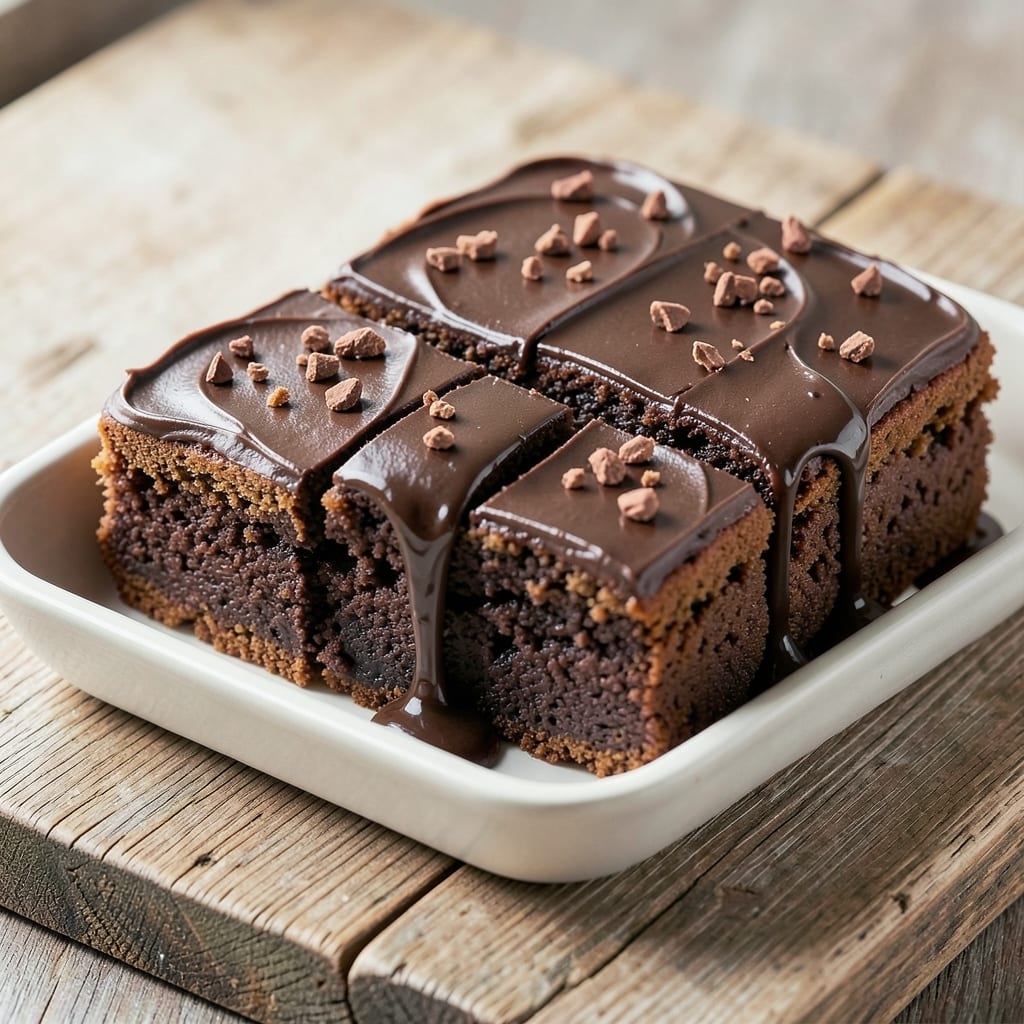
This America's Test Kitchen chocolate sheet cake delivers foolproof moisture that stays tender for days—no dry crumbs or dense texture here. 💛 The secret lies in precise ingredient ratios and a unique baking technique that creates a velvety crumb with rich chocolate flavor in every bite.
What sets this recipe apart is the science-backed method developed through rigorous testing, including the perfect balance of cocoa powder, melted butter, and buttermilk for moisture. We’ve eliminated guesswork with exact measurements and baking times that guarantee consistent results every time.
By the time you pull this cake from the oven, you’ll have a rich, fudgy sheet cake with a crackly top and tender interior—ideal for birthdays, potlucks, or satisfying a chocolate craving. The frosting options are endless, but we’ll show you how to keep it simple with a classic buttercream or elevate it with ganache.
This recipe transforms home baking into a restaurant-quality experience without requiring advanced skills. Let’s get baking—your taste buds (and guests) will thank you.
Ingredients for america's test kitchen chocolate sheet cake
Science-backed ingredients for a restaurant-quality chocolate cake that stays moist for days.
| Ingredient | Amount | Notes |
|---|---|---|
| Unsalted Butter 🧈 | 1 cup | Melted, cooled to room temperature |
| Granulated Sugar 🍚 | 1 ½ cups | Light brown preferred for richness |
| Natural Cocoa Powder 🍫 | ¾ cup | Dutch-processed for smooth texture |
| All-Purpose Flour 🌾 | 2 cups | Sifted, spooned lightly |
| Baking Powder 🍞 | 1 ½ tsp | Aluminum-free preferred |
| Salt 🧂 | ½ tsp | Diamond Crystal kosher |
| Buttermilk 🥛 | 1 cup | Room temperature, not cold |
| Vanilla Extract 🌿 | 1 tbsp | Pure Madagascar bourbon |
| Distilled White Vinegar 🍶 | 1 tbsp | For buttermilk substitute |
| Large Eggs 🥚 | 2 whole | Room temperature, separated |
| Egg Yolks 🍳 | 2 whole | Reserved from separated eggs |
| Vegetable Oil 🫒 | ¼ cup | Light, neutral flavor |
| Hot Water 💧 | ½ cup | For cocoa powder activation |
The cocoa powder is non-negotiable—Dutch-processed from Ghirardelli delivers that velvety texture and deep flavor. I grab mine in the baking aisle at Whole Foods, but any high-quality brand works. The buttermilk? Room temperature is key—cold buttermilk curdles when mixed with melted butter. For a quick substitute, mix 1 cup milk with 1 tbsp vinegar and let sit for 5 minutes. The eggs should be separated carefully—room temperature ensures they whip properly for that signature crackly top.
No buttermilk? Plain yogurt or sour cream at half the amount works in a pinch. Dutch-processed cocoa too expensive? Natural cocoa with an extra 1 tbsp hot water mimics the same effect. The vinegar is a game-changer—it reacts with the baking powder for that perfect rise. For a richer cake, swap half the granulated sugar for dark brown sugar. And if you're worried about dryness, the vegetable oil adds moisture without overpowering the chocolate flavor. Pro tip: Sift the flour and cocoa together to avoid lumps.
Store the cake in an airtight container with a slice of bread or apple to keep it moist—3-4 days at room temperature, 1 week refrigerated. For longer storage, freeze slices wrapped in plastic for up to 3 months. The frosting? Keep it simple with powdered sugar and butter, or go all out with a ganache. Either way, the cake's foolproof moisture means you won't need to worry about dry crumbs ruining your dessert.
Why You'll Love This Recipe
- I’ll be real: it uses pantry staples, but the flavor feels way more expensive. A stick of butter, a bag of sugar, and a box of flour stretch across multiple cakes, and the leftovers? They’re even better the next day, sliced thin with a sprinkle of powdered sugar.
- Foolproof Mix-In: I swear by this recipe because it’s actually foolproof—no overmixing, no guessing. The cocoa powder and butter come together in a way that makes the batter smooth and rich without being greasy, and the baking powder ensures a tender crumb that’s always on point.
- Deep Chocolate Fix: Between us, this isn’t your average chocolate cake. The natural cocoa powder and browned butter (yes, they recommend browning it!) give it a molasses-like depth that’s dangerously addictive. One slice and you’ll understand why it’s my go-to for cravings.
- Weeknight Crowd-Pleaser: Honestly, this is the cake I make when I have zero energy but need something impressive. It’s a single sheet pan, no layers to fuss with, and it feeds a crowd—birthdays, potlucks, or just because. My husband’s coworkers still ask for seconds months later.
Step-by-step instructions for america's Test Kitchen chocolate sheet cake
Here's how to bake a rich, moist chocolate sheet cake that stays tender for days.
👨🍳 Step 1: Activate the Cocoa Powder
In a medium bowl, whisk together the 0.75 cup natural cocoa powder and 0.5 cup hot water until completely dissolved. Let it sit for 5 minutes to fully bloom the cocoa flavor. This step is crucial—it prevents dryness and ensures deep chocolate flavor throughout each slice.
I like to use a whisk for this because it creates a smooth paste. If you see any lumps, strain the mixture through a fine-mesh sieve to guarantee a silky batter later. The activated cocoa will look like a thick, glossy chocolate syrup when ready.
👨🍳 Step 2: Mix Wet Ingredients
In a separate large bowl, combine the 1 cup melted unsalted butter (cooled to room temperature), 1.5 cups granulated sugar, and the activated cocoa mixture. Whisk until fully incorporated and smooth. The butter should be just warm to the touch—not hot, or it will cook the eggs later.
Add the 2 whole large eggs, 2 whole egg yolks, 0.25 cup vegetable oil, 1 cup buttermilk, 1 tbsp vanilla extract, and 1 tbsp distilled white vinegar. Mix on medium speed for 1 minute until the batter is homogeneous and slightly thickened. The vinegar reacts with the buttermilk to create a tangy richness that balances the sweetness.
👨🍳 Step 3: Combine Dry Ingredients
In a medium bowl, sift together the 2 cups all-purpose flour, 1.5 tsp baking powder, and 0.5 tsp salt. This ensures even distribution and prevents lumps in the final batter. Gradually add the dry ingredients to the wet mixture, mixing on low speed just until combined.
Here's the thing—overmixing develops gluten, which makes the cake tough. Stop mixing as soon as the flour disappears. The batter should be thick but pourable, with no dry spots. If it looks too thick, add 1-2 tablespoons of water to loosen it slightly.
🔥 Step 4: Bake to Perfect Doneness
Preheat your oven to 350°F and line a 9x13-inch baking pan with parchment paper, leaving an overhang on the sides for easy removal. Pour the batter into the prepared pan and smooth the top with a spatula. Tap the pan gently on the counter to release any air bubbles.
Bake for 30-35 minutes until the edges are set and a toothpick inserted in the center comes out with moist crumbs (not wet batter). The cake should spring back slightly when pressed in the center. If the top browns too quickly, tent loosely with foil after 20 minutes to prevent over-browning while keeping the interior moist.
⏰ Step 5: Cool and Serve for Maximum Moisture
Remove the cake from the oven and let it cool in the pan for 15 minutes. Then transfer it to a wire rack to cool completely. This gradual cooling prevents cracking and helps the cake set properly for clean slices.
For the ultimate moist texture, I recommend serving the cake at room temperature. If you need to store it, wrap tightly in plastic wrap and refrigerate for up to 3 days or freeze for up to 3 months. The secret to this cake's legendary moisture? The combination of buttermilk, vegetable oil, and activated cocoa keeps it tender even after baking.
Pro Tips For Making America'S Test Kitchen Chocolate Sheet Cake
- WEIGH THE BUTTER: After measuring butter by volume, I learned the hard way—pack it into the cup and level it off. That extra 10 grams of butter (yes, it adds up) makes the cake denser and richer. The ATK recipe calls for 1 cup, but if you’re using a standard 16-tbsp stick, you’ll end up short unless you press it down firmly.
- SIFT THE COCOA: Natural cocoa powder is a powdery nightmare when clumped. Sift it directly into the dry ingredients before adding liquids—this guarantees even distribution and prevents lumpy batter. I used to just stir it in, and the cake always had oddly thick spots. Trust me, the sifting takes 30 seconds and saves you from a sad, uneven bake.
- DON’T OVERMIX THE BATTER: Once you fold in the eggs and melted butter, stop mixing after 20 strokes. The ATK recipe is forgiving, but overworking it introduces too much air, leading to a cake that’s more cakey than fudgy. I’ve ruined batches by turning the mixer off too late—just until combined, people.
- CHILL THE BATTER 30 MINUTES: This isn’t optional. Pour the batter into the pan and refrigerate it for at least 30 minutes before baking. It sounds counterintuitive, but it prevents a domed, cracked top and ensures even rising. I skipped it once and ended up with a lopsided mess—now I treat it like gospel.
Troubleshooting this recipe
Dry Cake Fix
If your cake turns out dry, the issue is likely overbaking or insufficient moisture. First, check your baking time—this cake is done when a toothpick comes out with moist crumbs, not wet batter. Overbaking by even 5 minutes can dry it out. For future bakes, try adding 1 extra tablespoon of buttermilk or vegetable oil to the batter. If the cake is already baked, revive it by brushing the top with simple syrup (equal parts sugar and water, heated until dissolved) and letting it soak in for 10 minutes before serving. 💧
Cracked Top Prevention
Cracks usually form when the cake cools too quickly or the oven temperature fluctuates. To prevent this, let the cake cool in the pan for 15 minutes before transferring to a wire rack. Also, ensure your oven is fully preheated to 350°F before baking. If cracks still appear, try reducing the oven temperature by 25°F for the final 10 minutes of baking. For a cracked cake, cover it with frosting or ganache to disguise the issue while keeping it moist.
Batter Too Thin
A runny batter often means you added too much liquid or your flour wasn’t properly sifted. If this happens, don’t panic—simply bake the cake as directed. The structure should still set properly, though you might get slightly thicker slices. To fix future batters, measure your flour by spooning it lightly into the cup and leveling it off (don’t scoop directly from the bag). If you accidentally added too much liquid, whisk in 1-2 extra tablespoons of flour to thicken it slightly before baking.
Uneven Baking
If one side of the cake is underbaked while the other is overdone, your oven likely has hot spots. Rotate the pan halfway through baking (after 15-17 minutes) to ensure even heat distribution. For future bakes, use an oven thermometer to confirm your oven’s accuracy—many home ovens run 25-50°F hotter than the set temperature. If your cake consistently bakes unevenly, consider using an aluminum baking pan instead of glass, as it conducts heat more evenly. 🔥
Soggy Bottom
A soggy bottom is usually caused by overmixing the batter or not preheating the oven properly. To avoid this, mix the dry ingredients just until combined (no streaks) and ensure your oven reaches 350°F before baking. If your cake develops a soggy bottom, slice off the affected layer and serve the rest. For future bakes, let the cake cool completely on a wire rack before frosting to prevent moisture from seeping into the bottom layer.
Frosting Won’t Stick
If your frosting slides off, the cake likely cooled too quickly or wasn’t fully set before frosting. Let the cake cool completely to room temperature before adding frosting—this ensures the layers are firm enough to hold it. If the frosting still won’t stick, brush the cake layers with a thin layer of apricot jam or simple syrup as a "glue" before applying the frosting. For a smoother finish, use a bench scraper to spread the frosting evenly and create clean edges. ✨
Nutrition facts
Frequently asked questions
Why does this chocolate sheet cake stay moist longer than others?
The secret lies in the activated cocoa powder and the combination of buttermilk, vegetable oil, and vinegar. These ingredients create a tender crumb that resists drying out. The activated cocoa also enhances flavor without adding extra moisture.
Can I substitute buttermilk in this recipe?
Yes! Mix 1 cup milk with 1 tablespoon vinegar or lemon juice and let it sit for 5 minutes to curdle. For a richer texture, use plain yogurt or sour cream at half the amount. The tanginess balances the sweetness and keeps the cake moist.
How do I prevent a cracked top in my chocolate sheet cake?
Let the cake cool in the pan for 15 minutes before transferring to a wire rack. Ensure your oven is fully preheated to 350°F and avoid opening the oven door during baking. If cracks appear, cover them with frosting or ganache to disguise them.
What’s the best way to store leftover cake?
Wrap tightly in plastic wrap and store at room temperature for 3-4 days or refrigerate for 1 week. For longer storage, freeze slices wrapped in plastic for up to 3 months. To revive stale cake, brush the top with simple syrup (equal parts sugar and water) for 10 minutes.
Can I make this cake in a 9x13-inch pan instead of a round cake pan?
Yes! This recipe is specifically designed for a 9x13-inch sheet pan, which ensures even baking and a perfect sliceable texture. The dimensions are ideal for crowd-pleasing servings and easy sharing. If you prefer a round cake, divide the batter between two 9-inch round pans and reduce baking time by 5-7 minutes.