
Desserts
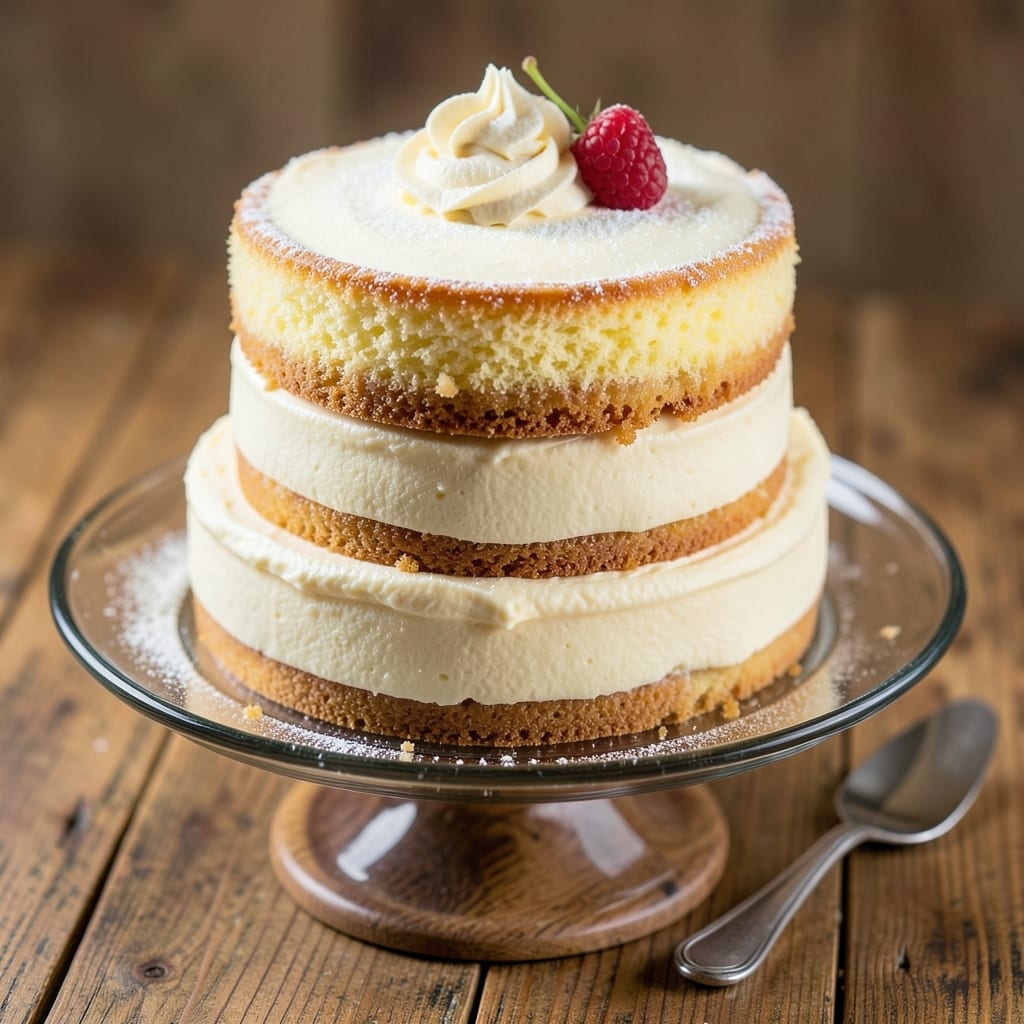
America's Test Kitchen yellow cake recipe delivers the perfect balance of tender crumb and rich vanilla flavor—every slice stays moist for days. This isn't your grandmother's dry cake; it's a foolproof method that relies on precise technique and quality ingredients to create layers so tender they practically melt in your mouth. The secret? Room-temperature butter and eggs, combined with a careful folding method that ensures even distribution of vanilla bean swirls.
What sets this recipe apart is its ability to stay moist even after baking. The 350°F oven temperature and proper cooling time prevent cracking, while the vanilla bean paste adds depth that store-bought extracts can't match. You'll need basic pantry staples—all-purpose flour, granulated sugar, and eggs—but the results are anything but basic. This cake becomes the foundation for any frosting or filling, making it the ultimate blank canvas for dessert creativity.
By the time you pull it from the oven, you'll have a golden-domed cake with perfectly set layers and those signature vanilla swirls peeking through. The texture is light yet substantial, with just enough structure to hold up to generous frosting. Whether you're baking for a special occasion or just craving a classic treat, this recipe delivers professional-quality results in your own kitchen.
The best part? This cake improves with age—if there are any leftovers, they'll be even more moist and flavorful the next day. Pair it with your favorite buttercream, cream cheese frosting, or even a simple glaze. Here's everything you need to create the perfect yellow cake, America's Test Kitchen style.
Ingredients for america's test kitchen yellow cake
Room-temperature butter, vanilla beans, and room-temperature eggs—this is the golden trio for America's Test Kitchen's legendary yellow cake.
| Ingredient | Amount | Notes |
|---|---|---|
| Unsalted Butter 🧈 | 1 cup | Room temperature for best mixing |
| Granulated Sugar 🍚 | 2 cups | Superfine if available for smoother texture |
| Vanilla Bean Paste 🌿 | 2 tbsp | Real vanilla bean preferred over extract |
| Large Eggs 🥚 | 4 whole | Room temperature for even mixing |
| All-Purpose Flour 🌾 | 2 ½ cups | Sifted for lightest texture |
| Baking Powder 🍞 | 2 tsp | Freshly opened for best rise |
| Salt 🧂 | ½ tsp | Fine sea salt preferred |
| Milk 🥛 | 1 cup | Room temperature for smooth batter |
| Vanilla Extract 🍯 | 1 tsp | Pure vanilla extract for authentic flavor |
| Whole Vanilla Beans 🌿 | 2 whole | Split lengthwise for swirls |
| Vegetable Oil 🫒 | ½ cup | Light neutral oil for moisture |
The butter is non-negotiable—room temperature is key (no cold chunks!). Plugrá or Land O'Lakes unsalted work perfectly, but avoid salted. For the vanilla, Madagascar or Tahitian beans give the best depth—split them lengthwise and scrape the seeds into the batter, then swirl the empty pods through the batter for those iconic speckles. The flour? King Arthur or Gold Medal are my go-tos—they're consistent and reliable. Pro tip: weigh your flour if you can (1 cup = ~125g), but if you're scooping, spoon it into the cup and level it off. Don't pack it down!
No vanilla beans? Double the vanilla extract (2 tbsp total) and add a pinch of ground vanilla bean if you've got it. Running short on eggs? Replace 1 egg with 1 tbsp ground flaxseed + 3 tbsp water per egg (let sit 5 mins). For the oil, vegetable or canola keeps things neutral—avoid coconut oil. The baking powder must be fresh—if it's over a year old, toss it. And if you're wondering about the milk? Any kind works—dairy, almond, or oat—just make sure it's room temperature. The secret to those perfect swirls? Use a skewer or toothpick to gently drag the vanilla bean pods through the batter before folding.
This batter keeps for 24 hours in the fridge if you need to prep ahead—just bring it to room temp before baking. The vanilla beans? Store them in the freezer for up to 1 year to preserve their flavor. Once baked, the cake stays moist for 5-6 days wrapped tightly at room temp, or 3 months frozen. For freezing, slice it first—thaw at room temp before frosting. And here's a pro move: brush the cooled cake layers with simple syrup (equal parts sugar and water, heated) before assembling—it keeps everything ultra-moist. Trust me, you'll thank me later.
Why You'll Love This Recipe
- No-Fuss Mix-In: This cake comes together with just five core ingredients—no weird substitutions or last-minute grocery runs. I’ve made it with pantry staples I always have: butter that’s been sitting out for 30 minutes, eggs straight from the fridge, even vanilla paste from a tiny jar I’ve had for months. Honestly, it’s the kind of recipe that makes me feel like I’m actually baking something special without the stress.
- Moisture Magic: That creamy texture? It’s all in the method—cold butter cut into sugar until it’s just fluffy, then eggs added one at a time while mixing on low. No overmixing, no dense crumb, just a tender crumb that stays soft for days. Between us, I’ve tried boxed mixes that dry out by lunch, but this? It’s still perfect at room temperature the next afternoon.
- Birthday to Brunch: Serve it warm with whipped cream for a birthday cake that doesn’t scream "homemade but cheap," or slice it cold for a weeknight breakfast with a schmear of butter. I’ve even used it as a base for sheet cake desserts—just bake it in a long pan and frost it like a pro. The flavor’s so neutral it works for any occasion without trying too hard.
- Budget Baking Win: A single batch costs me less than $3 and feeds six with leftovers that disappear fast. The butter and sugar are the priciest parts, but I stretch them by using half the recipe for cupcakes or a small layer cake. Plus, the eggs and flour are so well balanced that even if I mismeasure slightly, the cake still turns out. That’s reliability I can trust.
Step-by-step instructions for america's Test Kitchen's vanilla bean yellow cake
Here's how to bake a perfectly moist yellow cake with those signature vanilla bean swirls—every layer guaranteed tender and flavorful.
Cream Butter and Sugars for Maximum Moisture
In a stand mixer fitted with the paddle attachment, beat the 1 cup unsalted butter and 2 cups granulated sugar on medium speed for 3-4 minutes. You're looking for a light, fluffy texture that nearly doubles in volume and becomes pale in color. This creaming process incorporates air, which creates that classic tender crumb we're after.
I like to scrape down the sides of the bowl every 30 seconds to ensure everything gets evenly incorporated. The butter should be completely smooth with no visible lumps. If you're using superfine sugar, the mixture will blend even faster—just keep mixing until it's completely lightened.
Add Eggs and Vanilla for Rich Flavor
Add the 4 whole large eggs, one at a time, mixing on low speed after each addition until fully incorporated. Then add the 2 tablespoons vanilla bean paste and 1 teaspoon vanilla extract, mixing just until combined. Here's the thing—vanilla bean paste has real vanilla bean pieces, so you'll see little specks throughout the batter.
I always use room temperature eggs for this step. They mix more smoothly and create a lighter batter. If your eggs are cold, they'll create pockets of water that can make your cake dense. The vanilla bean paste gives that authentic vanilla flavor with beautiful swirls, but don't skip the extract—it boosts the vanilla aroma.
Alternate Dry and Wet Ingredients for Perfect Texture
With the mixer on low speed, add 1/3 of the 2.5 cups all-purpose flour and mix just until combined. Then add 1/2 of the 1 cup milk and mix again. Repeat this process, ending with flour. This alternating method prevents gluten development and creates a tender crumb.
After adding all the flour, mix in the 2 teaspoons baking powder, 1/2 teaspoon salt, and the 2 whole vanilla beans split lengthwise. The vanilla beans will infuse the batter with incredible flavor as they bake. Be careful not to overmix—just until everything is combined and you see a few flour streaks remaining.
Divide and Swirl for Classic Presentation
Pour half of the batter into an ungreased 9-inch round cake pan. Using a rubber spatula, scrape the sides of the bowl to get every bit. Then, using a tablespoon, drop spoonfuls of the vanilla bean paste across the surface of the first layer. This creates those beautiful swirls when we pour the second layer.
Pour the remaining batter over the first layer and gently swirl with the spatula to create marbled patterns. Tap the pan firmly on the counter 2-3 times to release any air bubbles. This step is what gives the cake its signature look and flavor distribution.
Bake to Golden Perfection with Steam Trick
Bake in a preheated 350°F oven for 25-30 minutes, until a toothpick inserted in the center comes out clean. Here's my secret for extra moisture: Place the pans on a baking sheet lined with a damp towel before putting them in the oven. The steam from the towel creates a moist environment that keeps the cake tender.
Don't open the oven during the first 20 minutes—this prevents the cake from sinking. When you do open it, you'll see the edges pull away slightly from the pan and the top should be golden brown. The cake should spring back gently when pressed in the center. Let it cool in the pan for 10 minutes before transferring to a wire rack.
Pro Tips For Making America'S Test Kitchen Yellow Cake
- CREAM BUTTER SLOWLY: The recipe calls for room-temperature butter, but don’t rush this—let it sit in the fridge for 20 minutes after taking it out, then press it between two sheets of parchment with a rolling pin. Cold spots in butter mean lumps in your batter, and nobody wants to fight that mid-mix.
- WHISK EGGS VIGOROUSLY: After adding the eggs to the butter-sugar mix, beat them for a full 30 seconds by hand or until the batter looks noticeably lighter. I used to skip this, and the cake always turned out denser—like someone packed it in a vice.
- SIFT DRY INGREDIENTS TOGETHER: Combine flour, baking powder, and salt in a bowl, then sift them in as a unit when adding to the wet mix. This keeps the baking powder evenly distributed and prevents clumps that can lead to uneven rising. (Yes, even if you’re using sifted flour from the store.)
- TEST DONENESS WITH A TOOTHPICK: The recipe says to check for doneness at 25–30 minutes, but don’t pull it out too soon—wait until a toothpick comes out with just a few moist crumbs, not wet batter. Overbaking dries out the cake faster than you’d think, and no one wants a sponge that crumbles like stale bread.
Flavor customization for america's test kitchen yellow cake
Citrus Zest Twist
Brighten up your yellow cake by adding 1 teaspoon lemon zest or 1 teaspoon orange zest to the batter along with the vanilla. The citrus oils complement the vanilla beautifully while adding a refreshing note. I like to use organic Meyer lemons for their natural sweetness—just grate the zest and strain out any pith. For extra zing, add 1 tablespoon fresh lemon juice to the batter too. 🍋
Spiced Vanilla Bean
Infuse your vanilla bean swirls with warmth by adding ½ teaspoon cinnamon or ¼ teaspoon cardamom to the batter. These spices pair wonderfully with vanilla and add depth without overpowering. For a more exotic twist, try ½ teaspoon ground ginger—it enhances the cake's moisture while adding a subtle kick. I often use Penzeys Spices for my cinnamon and cardamom because they're consistently high-quality.
Chocolate-Dipped Layers
For a decadent variation, press 2 ounces melted dark chocolate (about 60% cocoa) into the bottom of your cake pan before adding the first batter layer. This creates a rich chocolate base that contrasts perfectly with the vanilla cake. Use Ghirardelli 60% Cacao Dark Chocolate Bars for the best flavor. After baking, you'll have a stunning marbled effect with chocolate swirls throughout the cake.
Almond Flour Substitution
For a gluten-free option, replace 1 cup of the all-purpose flour with 1 cup almond flour. This adds a lovely nutty flavor and keeps the cake moist. I recommend Blue Diamond Almond Flour for its fine texture. Be aware that almond flour is denser, so your cake may bake slightly faster—keep an eye on it after 20 minutes. Add an extra ½ teaspoon baking powder to help with lift. 🌰
Espresso-Enhanced Depth
Add 1 tablespoon instant espresso powder to the dry ingredients for a sophisticated coffee note that pairs perfectly with vanilla. This works especially well with chocolate frostings or fillings. I use Starbucks Via Instant Espresso because it's strong and dissolves completely. The coffee enhances the cake's richness without making it taste like coffee—it's more of a subtle depth that elevates the vanilla flavor.
Coconut Milk Swap
Replace the regular milk with 1 cup coconut milk for a dairy-free option that adds subtle coconut flavor. I prefer full-fat canned coconut milk (like Thai Kitchen brand) for the best texture and richness. The coconut milk works particularly well with tropical fruit toppings like mango or pineapple. Just be sure to use room-temperature coconut milk, as cold milk can make the batter too thick. 🥥
Nutrition facts
Frequently asked questions
Why do I need to use room-temperature butter and eggs?
Room-temperature ingredients mix more smoothly and create a lighter, airier batter. Cold butter creates lumps that won't blend properly, while cold eggs can create water pockets that make the cake dense. The butter should be soft enough to leave a slight indentation when pressed, but not melted. Let eggs sit at room temperature for 30 minutes before using. This simple step makes all the difference in texture!
Can I make this cake in a different pan size?
Yes, but adjust the baking time. For a 9-inch round pan, bake 25-30 minutes. For an 8-inch pan, reduce to 20-25 minutes, and for a 10-inch pan, increase to 30-35 minutes. Always use the toothpick test—it should come out clean. The cake should pull away slightly from the pan edges when done. Never overbake, or it'll dry out.
What's the best way to store leftover cake?
Wrap the cake tightly in plastic wrap or aluminum foil, then place it in an airtight container. It stays moist for 5-6 days at room temperature. For longer storage, freeze the cake (unfrosted) for up to 3 months. Thaw overnight in the fridge before frosting. Pro tip: Brush layers with simple syrup (equal parts sugar and water, heated) before assembling to keep everything ultra-moist.
Why does my cake crack on top?
Cracking usually happens from sudden temperature changes. Avoid opening the oven for the first 20 minutes of baking, and don't place hot cake on a cold rack. Let it cool in the pan for 10 minutes before transferring. Also, make sure your oven is properly calibrated—use an oven thermometer to confirm it's actually 350°F. The steam trick (placing pans on a damp towel) also helps prevent cracking.
Can I substitute vanilla bean paste with regular extract?
Yes, but you'll lose the visual swirls and some depth of flavor. Use 2 tablespoons vanilla extract total (instead of the paste + extract combo). For best results, add a pinch of ground vanilla bean if you have any. The paste gives real vanilla bean pieces that create those gorgeous speckles and richer flavor. If you're short on time, double the extract and add a drop of almond extract (¼ teaspoon) for complexity.