
Breakfast & Brunch
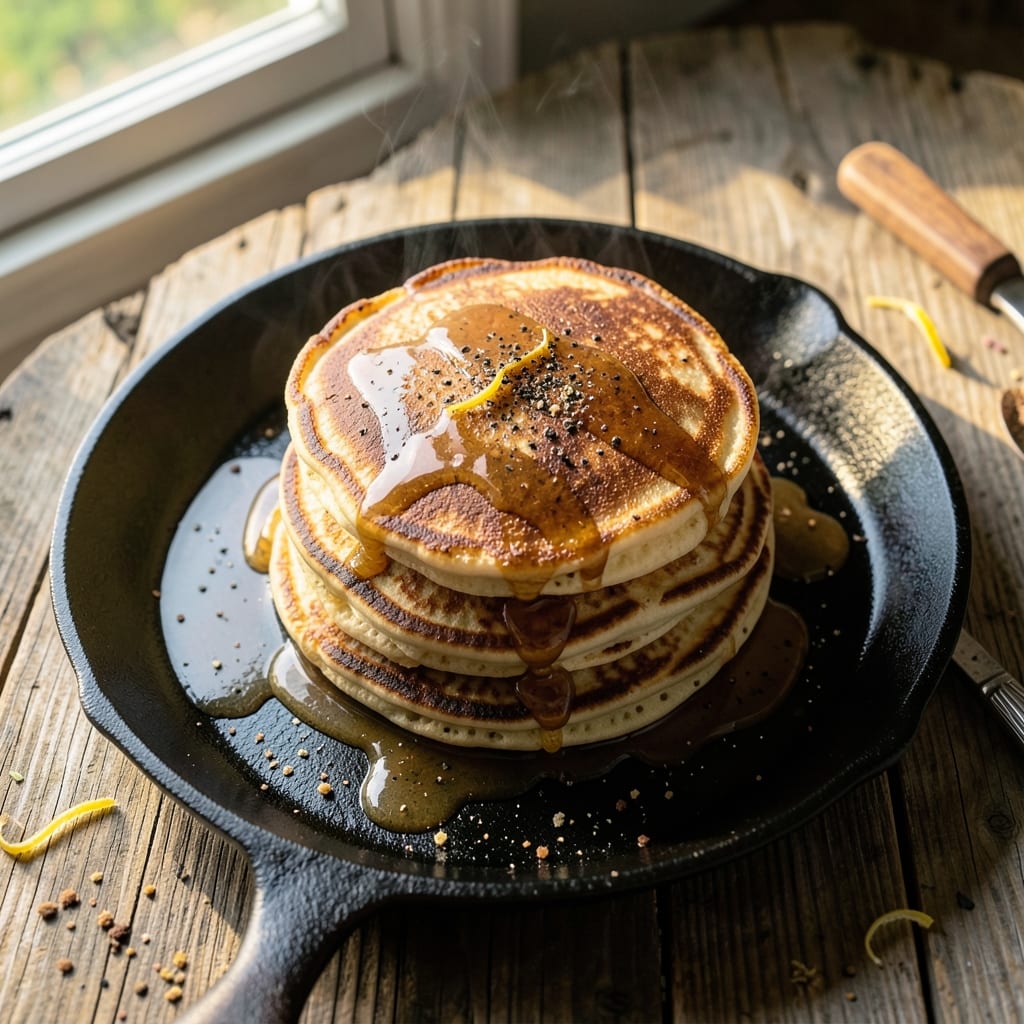
Amish fried pancakes deliver that perfect balance of crispy golden edges and tender, fluffy layers—each bite bursting with buttery yolk magic. This recipe captures the heart of Amish breakfast traditions, where simple ingredients transform into a dish that feels both nostalgic and indulgent. The secret lies in the buttermilk batter and careful frying technique that creates those signature crispy layers.
What makes these pancakes truly special is the combination of a light, airy interior with a crispy exterior that holds up to syrup and fruit. Unlike traditional pancakes, the Amish version is fried in small batches to ensure even cooking and that signature texture. The batter is thick enough to hold its shape but still light enough to create those fluffy layers we all love.
By the time you finish flipping the last pancake, you'll have a stack of golden, crispy layers with tender centers—each bite delivering that perfect contrast of textures. The aroma alone will fill your kitchen with warmth, making it feel like a Sunday morning gathering. These pancakes are hearty enough to be a main dish but simple enough for a quick breakfast.
Serve with warm maple syrup, fresh berries, or whipped cream for a breakfast that feels both special and comforting. The recipe is designed to be beginner-friendly, with clear steps to achieve that crispy exterior and fluffy interior every time. Let's get started on creating these delicious Amish fried pancakes!
Ingredients for amish fried pancake
Here's what you need for those legendary crispy Amish fried pancakes—simple ingredients, big flavor.
| Ingredient | Amount | Notes |
|---|---|---|
| All-Purpose Flour 🌾 | 2 cups | Sifted for lightness |
| Granulated Sugar 🍚 | ¼ cup | White or brown sugar |
| Baking Powder 🧂 | 2 tsp | Aluminum-free preferred |
| Salt 🧂 | ½ tsp | Fine sea salt |
| Large Eggs 🥚 | 2 whole | Room temperature |
| Buttermilk 🥛 | 1 ½ cups | Homemade or store-bought |
| Melted Butter 🧈 | ½ cup | Unsalted, cooled slightly |
| Vanilla Extract 🌿 | 1 tsp | Pure vanilla preferred |
| Vegetable Oil 🫒 | ½ cup | For frying, high smoke point |
| Maple Syrup 🍁 | ½ cup | For serving, Grade A |
| Fresh Blueberries 🫐 | 1 cup | Optional topping |
| Unsalted Butter 🧈 | 2 tbsp | For topping, softened |
The flour is non-negotiable here. King Arthur or Gold Medal work best for that signature fluffiness. Grab the buttermilk from the dairy section—great value has the best quality—or make your own with milk and vinegar. The melted butter should be just warm to touch, not hot. I always double-check the baking powder hasn't expired—expired leavening means flat pancakes. For the oil, vegetable or canola works best for that high heat frying without burning. The syrup? Grade A maple makes all the difference—skip the pancake syrup with additives.
No buttermilk? Mix 1.5 tbsp vinegar or lemon juice with 1.5 cups milk and let sit 5 minutes. Out of vanilla? Almond extract works in a pinch, but it tastes different. The blueberries can be frozen (thawed), but fresh are way better. For the butter, Land O'Lakes or Plugrá are my go-tos—full-fat for that rich flavor. If you're making a big batch, pre-mix the dry ingredients to avoid lumps. The eggs should be room temp—cold eggs make the batter too thick.
Keep the dry ingredients in an airtight container for 3 months—they're shelf-stable. Once mixed, the batter keeps in the fridge for 24 hours, covered. The pancakes reheat best in a 350°F oven for 10 minutes—way better than the microwave. I always make extra and freeze them between parchment paper—3 months in the freezer, no problem. Just thaw and crisp in the pan again.
Why You'll Love This Recipe
- No-Fuss Mixing: I swear by this—just dump the dry ingredients (flour, sugar, baking powder, salt) into a bowl, crack in the eggs, and stir until it’s just combined. No overmixing, no lumps, no stress. That’s the magic of Amish fried pancakes: they forgive mistakes.
- Golden Crisp Edge: The secret’s in the frying—thick, golden-brown edges that stay crisp while the inside stays tender. That contrast? Chef’s kiss. And honestly, the slight caramelization from the sugar makes them taste like a breakfast treat, not just pancakes.
- Weeknight Crowd Pleaser: Between us, this is my go-to when friends drop by unannounced. Double the batter, fry in batches, and boom—everyone’s happy. Kids love the crispy bits, adults appreciate the simplicity, and no one questions why it’s not fluffy like regular pancakes.
- Budget Breakfast Win: Five ingredients, zero specialty items, and it stretches further than you’d think. Make a big batch, freeze the extras, and reheat in a skillet—no soggy leftovers here. My wallet (and my mornings) thank me every time.
Step-by-step instructions for Amish fried pancakes
Here's how to make those legendary crispy layers with fluffy centers—no shortcuts, just pure pancake perfection.
Whisk the Dry Ingredients Together
In a large mixing bowl, combine the 2 cups all-purpose flour, 0.25 cup granulated sugar, 2 teaspoons baking powder, and 0.5 teaspoon salt. Use a whisk to break up any lumps in the flour and create a smooth, fine mixture. I like to sift the flour first for extra lightness, but if you don't have a sifter, just whisk vigorously for about 1 minute to aerate it. This step ensures your pancakes will be tender rather than dense.
Set the bowl aside—don't add any liquids yet. Keeping the dry ingredients separate until the last moment prevents the batter from becoming gummy. The key here is to get everything evenly distributed so every pancake turns out consistently crispy on the outside and fluffy inside.
Mix the Wet Ingredients to a Smooth Batter
In a separate bowl, whisk together the 2 whole large eggs, 1.5 cups buttermilk, 0.5 cup melted butter (cooled slightly), and 1 teaspoon vanilla extract. The batter should be smooth with no visible streaks of butter—this means the fat is fully emulsified. If you notice any lumps, strain the mixture through a fine-mesh sieve to eliminate them completely.
This is where the magic happens—the buttermilk adds tanginess while keeping the pancakes moist, and the melted butter ensures that golden crispy texture we're after. Let the wet ingredients sit for 5 minutes before combining with the dry mix. This resting time helps the buttermilk fully acidify, which is crucial for that classic Amish pancake fluffiness.
Combine Wet and Dry Ingredients Gently
Pour the wet ingredients into the bowl with the dry ingredients. Using a spatula, gently fold everything together just until combined—you should still see some flour streaks. Overmixing develops gluten, which makes pancakes tough instead of tender. The ideal batter consistency should be like heavy cream: thick enough to coat the back of a spoon but still pourable.
Let the batter rest for 10 minutes at room temperature. This final rest period allows the flour to fully hydrate and the baking powder to activate completely. Don't skip this—it's what gives those Amish fried pancakes their signature texture. If you're using the optional 1 cup fresh blueberries, fold them in gently during this resting period.
Cook the Pancakes in Hot Oil
Heat 0.5 cup vegetable oil in a large skillet over medium-high heat until it shimmers but doesn't smoke—around 350°F. The oil should be hot enough that when you dip a wooden chopstick in, bubbles form around it within 2 seconds. This high heat is essential for creating that signature crispy exterior.
Pour about ¼ cup batter for each pancake into the hot oil. You'll get about 6 pancakes from this recipe. Watch carefully—the pancakes will bubble vigorously and cook quickly. Flip them once when the edges are golden brown and bubbles form on the surface, about 2-3 minutes per side. The secret to crispy Amish pancakes is cooking them in oil rather than butter, which gives that perfect crunch.
Finish with Buttery Yolk Magic
Transfer the cooked pancakes to a paper towel-lined plate to drain excess oil. While they're still hot, melt the 2 tablespoons unsalted butter in a small saucepan over low heat. Pour the melted butter over each pancake, letting it soak in for 30 seconds before serving.
Drizzle each stack with 0.5 cup maple syrup and serve immediately. The warm pancakes will soak up the butter beautifully, creating that signature buttery yolk flavor in every bite. These pancakes stay crispy on the outside while maintaining a soft, fluffy interior—just like the Amish originally made them. Enjoy with extra blueberries if you like!
Pro Tips For Making Amish Fried Pancake
- MEASURE FLUIDS FIRST: Pour the milk (or buttermilk) directly into your dry measuring cup before adding it to the batter—this gives you a more accurate volume than eyeballing a glass. I used to dump it straight from the carton and wonder why my pancakes came out dense; turns out, liquid expands when poured, and you end up with a thinner batter than you think.
- SIFT THE DRY MIX: Give your flour, baking powder, and salt a quick sift before whisking—this aerates the batter and prevents lumps like nothing else. I learned this the hard way after finding golf-ball-sized chunks in my pancakes. Even if you’re not using a sifter, whisk the dry ingredients together in the bowl first, then make a well for the wet stuff.
- USE COLD BUTTER: Cut your butter into small cubes and let them sit in the fridge until you’re ready to add them to the batter—this keeps them from melting too fast and creating greasy pancakes. I was skeptical until I tried it: the butter stays in little pockets, frying up into golden, crispy pockets instead of turning the whole pancake into a soggy mess.
- FLIP WHEN BUBBLY: Wait until you see at least 3-4 large bubbles on the surface before flipping—this means the pancake is ready, not just because you’re impatient. After burning three batches, I finally figured out that rushing the flip leads to raw centers and uneven cooking. A spatula under the edge helps, but don’t force it.
Regional styles of this dish
Pennsylvania Dutch Tradition
These crispy fried pancakes originated in the Pennsylvania Dutch communities, where they became a Sunday breakfast staple. The Amish and Mennonites prepared them using simple pantry staples—flour, eggs, and buttermilk—because they avoided processed ingredients. The oil-frying technique came from practicality: it required less butter than traditional pancakes, making it more economical during lean times. 🥞
Ohio Amish Twist
In Ohio's Amish country, the recipe evolved to include lard instead of oil for an even richer flavor. Many families still use this traditional fat, which creates a deeper, more complex taste. The pancakes are often served with scrambled eggs and sausage for a hearty farm breakfast. I've found that using leaf lard (from pork fat) gives the best results, though vegetable oil works for a lighter version.
Indiana Mennonite Style
The Indiana Mennonite version often incorporates whole wheat flour (about 1 cup mixed with the all-purpose flour) for a nuttier flavor. This variation keeps the crispy texture while adding a subtle earthiness. The pancakes are typically cut into small squares rather than circles, making them easier to eat with syrup-soaked fingers. Many families serve them with apple butter instead of maple syrup for a local twist.
Texas Amish Adaptation
In Texas Amish communities, the recipe sometimes includes cinnamon (about ½ teaspoon) in the dry ingredients, giving the pancakes a warm, spiced aroma. The oil is often replaced with shortening for an extra-crispy exterior. These pancakes are a favorite at church socials, where they're served alongside fried chicken and cornbread for a full Southern-inspired Amish feast.
Modern Shortcut Version
For busy weekdays, many modern Amish families use pre-mixed pancake batter (like Krusteaz) but add extra buttermilk (about ¼ cup) and 1 tablespoon melted butter to achieve the same crispy texture. The key is frying them in hot oil (not butter) to maintain that signature crunch. This version cuts prep time in half while keeping the traditional flavor. 💡
Serving Variations
Across regions, these pancakes are served differently: Pennsylvania families stack them high with syrup, while Ohio communities often top them with whipped cream and fresh strawberries. In Indiana, a sprinkle of powdered sugar is common. For a festive touch, some add chopped pecans (about 2 tablespoons) to the batter before frying. The possibilities are endless! 🌟
Nutrition facts
Frequently asked questions
Why do Amish fried pancakes have crispy layers?
The crispy layers come from frying in hot oil (350°F) instead of butter, which creates a crispy exterior while keeping the inside fluffy. The batter's buttermilk content also helps create those signature air pockets that puff up during cooking.
Can I make these pancakes without buttermilk?
Yes! Mix 1.5 tbsp vinegar or lemon juice with 1.5 cups milk and let sit for 5 minutes to replace the buttermilk. This creates the same tangy reaction that makes the pancakes light and fluffy. The texture will be slightly different but still delicious.
How do I keep the pancakes from sticking to the pan?
Make sure your oil is hot enough (350°F) before adding batter—it should shimmer but not smoke. Also, avoid overcrowding the pan (use ¼ cup batter per pancake) and let them cook undisturbed for 2-3 minutes before flipping. A well-seasoned cast iron skillet helps too!
What's the best way to reheat leftover Amish fried pancakes?
For crispy results, reheat in a 350°F oven for 10-12 minutes on a wire rack over a baking sheet. For a quick option, use a toaster oven at 375°F for 2-3 minutes. Microwaving makes them soggy—avoid that!
Can I make these pancakes gluten-free?
Yes, but you'll need a 1:1 gluten-free flour blend (like Bob's Red Mill) plus ½ tsp xanthan gum to mimic the texture. The crispiness will be slightly different, but the fluffy interior works well. Expect about 10-15% more batter since gluten-free flours absorb differently.