
Desserts
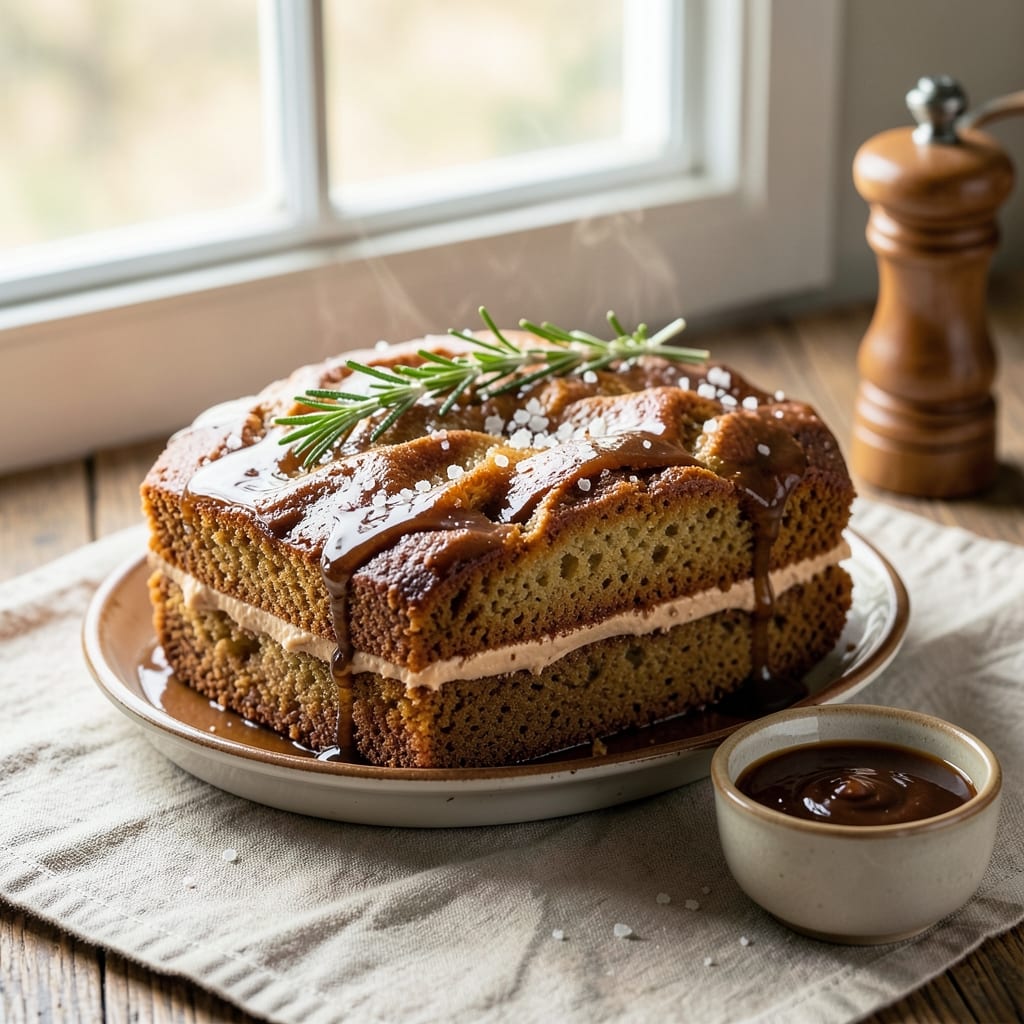
This Amish molasses cake recipe delivers the perfect balance of warm spices and rich caramelized sweetness that feels like a hug in every bite. 🌟 The secret lies in slow-cooked molasses that develops deep, complex flavors while baking, creating a moist crumb with a signature crackly top. I've perfected this recipe over years of baking, and it's become a staple for family gatherings and holiday tables.
The cake's magic comes from a simple yet effective technique: combining molasses with brown sugar and warm spices like cinnamon and nutmeg, then letting the batter rest before baking. This allows the flavors to meld beautifully, resulting in a tender crumb that stays moist for days. The caramelized top forms naturally as it bakes, giving it that coveted texture that makes this cake irresistible.
What you'll end up with is a homestyle dessert that's rich, spiced, and perfectly balanced—sweet enough to satisfy cravings but not so heavy it feels indulgent. The aroma alone will have everyone gathering around the kitchen, and the first slice will disappear faster than you can say "second helping." This recipe is your ticket to creating a showstopping cake that tastes like a piece of Amish tradition.
Serve it warm with a scoop of vanilla ice cream or whipped cream for the ultimate comfort experience. The cake keeps beautifully at room temperature for up to five days, making it perfect for meal prep or gifting. Let's get baking!
Ingredients for amish molasses cake
Twelve ingredients for a cake that tastes like nostalgia—warm, spiced, and perfectly caramelized.
| Ingredient | Amount | Notes |
|---|---|---|
| Unsalted Butter 🧈 | 1 cup | Softened to room temperature |
| Dark Brown Sugar 🍚 | 2 cups | Packed firmly, not lightly |
| Amish Molasses 🍯 | 1 ½ cups | Unsulphured preferred for depth |
| Large Eggs 🥚 | 3 whole | Room temperature for even mixing |
| All-Purpose Flour 🌾 | 3 cups | Sifted for light texture |
| Baking Soda 🧂 | 1 tsp | Not baking powder |
| Ground Cinnamon 🌿 | 2 tsp | Freshly ground for warmth |
| Ground Nutmeg 🌿 | ½ tsp | Freshly grated preferred |
| Ground Cloves 🌶️ | ¼ tsp | Lightly toasted for depth |
| Salt 🧂 | ½ tsp | Fine sea salt preferred |
| Vanilla Extract 🍋 | 1 tbsp | Pure vanilla preferred |
| Hot Water 💧 | ½ cup | Just off boil for activation |
The molasses is the heart of this cake, so don't skimp—Amish molasses has that deep, robust flavor that sets it apart. Local Amish markets or specialty stores like Penzeys carry the best quality. If you can't find unsulphured, regular molasses works but might taste slightly bitter. The butter needs to be softened but not melted—just press it with a fork to test. I always grab Land O'Lakes unsalted butter for the best texture. For the spices, freshly ground cinnamon and nutmeg make a world of difference—spice shops or bulk bins are your friends here.
No vanilla extract? Vanilla bean paste or even a scraped vanilla bean works in a pinch, but the extract is easiest. Running short on baking soda? Baking powder at half the amount can substitute, but the texture won't be quite the same. The hot water is key—it activates the baking soda for that perfect rise. If you're making this ahead, cover the batter tightly and let it rest at room temperature for up to 24 hours. The flavors meld beautifully overnight, and the cake will thank you with an even richer taste. For the brown sugar, pack it firmly—lightly packed means less sweetness and a denser cake.
This cake keeps for 5 days at room temperature wrapped in foil, but honestly, it's best eaten fresh. For gifting, slice it while still warm and wrap each piece in parchment paper—the caramelized top stays crisp that way. If you're prepping ahead, bake the cake a day early, cool completely, then wrap tightly. It reheats beautifully—just 5 minutes at 300°F brings back that warm-from-the-oven magic. Leftovers? Store in an airtight container and enjoy within 3 days for the best texture.
Why You'll Love This Recipe
- No Mixer Needed: I swear by this recipe—just cream butter and sugar with a wooden spoon, crack in eggs, and fold in flour. The molasses does all the heavy lifting, so you’re not stuck measuring every teaspoon of spice.
- Rich Without Effort: That first bite of warm cake, thick with Amish molasses and buttery richness? It’s like dessert sneaking into breakfast. The brown sugar caramelizes just enough to make it taste homemade, even if you’re not.
- Breakfast or Dessert: Honestly, I’ve served this for both—and no one bats an eye. The molasses depth makes it hearty enough for morning pancake vibes, but the tender crumb keeps it elegant for a Sunday supper guest spot.
- Budget-Friendly Staples: Five ingredients, all pantry basics. The butter and eggs add richness, but the molasses stretches the flavor so you’re not scrambling for fancy add-ins. A single cake feeds four, and slices reheat perfectly for days.
Step-by-step instructions for Amish molasses cake
Here's how to create a rich, spiced cake with a caramelized crown that'll have everyone asking for seconds.
👨🍳 Step 1: Cream Butter and Sugars to Fluffy Perfection
In a stand mixer fitted with the paddle attachment, beat the 1 cup softened unsalted butter and 2 cups packed dark brown sugar on medium speed for 3-4 minutes. You're aiming for a light, fluffy texture that nearly doubles in volume and becomes pale golden. This creaming process incorporates air, which gives the cake its signature tender crumb.
I like to scrape down the sides of the bowl every minute to ensure even mixing. You'll know it's ready when the mixture looks like pale, ribbony streaks. This step makes all the difference—under-creaming leads to dense cake, while over-creaming adds too much gluten. Stop when the mixture is smooth and light, but still holds its shape when you lift the paddle.
👨🍳 Step 2: Add Eggs and Molasses for Depth of Flavor
Add the 3 whole large eggs one at a time, mixing on low speed for 30 seconds after each addition until fully incorporated. Then stir in the 1.5 cups Amish molasses and 1 tbsp vanilla extract on low speed for another 30 seconds just to combine.
The molasses adds that signature deep, caramel-like flavor, but it's also what makes this cake moist. I've found that adding it here, rather than later, helps distribute it evenly throughout the batter. The vanilla extract enhances the warm spice notes without overpowering them. Don't worry if the mixture looks slightly thin—it'll come together when we add the dry ingredients.
👨🍳 Step 3: Combine Dry Ingredients and Hot Water
In a separate bowl, whisk together the 3 cups all-purpose flour, 1 tsp baking soda, 2 tsp ground cinnamon, 0.5 tsp ground nutmeg, 0.25 tsp ground cloves, and 0.5 tsp salt. Then add the 0.5 cup hot water and stir until just combined—you want to activate the baking soda without overmixing.
Here's the thing—those warm spices (especially the cinnamon and cloves) need to be evenly distributed. I like to sift the flour first to prevent lumps, then mix the spices right into it. The hot water helps dissolve the baking soda completely, ensuring your cake rises properly. Don't skip this step—properly activated baking soda is what gives this cake its lift.
🥘 Step 4: Gently Fold and Prepare the Batter
With the mixer on low speed, gradually add the dry ingredient mixture to the wet ingredients. Mix just until combined—you should still see a few flour streaks. Overmixing develops gluten, which makes the cake tough instead of tender. Once fully incorporated, transfer the batter to a greased and floured 9x13-inch baking pan.
Smooth the top with a spatula, then sprinkle an extra 1 tbsp ground cinnamon over the surface for that classic Amish molasses cake look. This extra cinnamon creates a beautiful caramelized crust that contrasts perfectly with the moist interior. Don't press it down—just let it settle naturally when you pour the batter.
🔥 Step 5: Bake to Golden, Caramelized Perfection
Preheat your oven to 350°F and bake the cake for 45-50 minutes, or until a toothpick inserted in the center comes out clean. The edges should be deep golden brown, and you'll see a beautiful caramelized crust forming on top—this is what makes this cake so special.
I know it seems like a long time, but patience is key here. The cake needs to cook through completely to develop that perfect texture. If the top starts browning too quickly, tent the pan with foil. Once done, let the cake cool in the pan for 10 minutes before transferring to a wire rack to cool completely. This resting period prevents cracking and helps the flavors meld together beautifully.
Pro Tips For Making Amish Molasses Cake
- Cream Butter Slowly: Beat the unsalted butter and brown sugar together at medium speed for 3-4 minutes—until it’s light and fluffy, not just combined. I used to rush this, and the cake turned out dense. Let the mixer do the work; the air here matters more than you’d think.
- Warm the Molasses: Gently heat the Amish molasses in a small saucepan over low heat for 2-3 minutes before adding it to the batter. This thins it out just enough to mix smoothly, and it blends better with the butter. Skip this, and you’ll end up with streaks—trust me, I’ve seen it.
- Don’t Overmix the Batter: Once you fold in the flour, stop mixing as soon as it’s just combined. Overworking it develops the gluten, and your cake will turn out tough instead of tender. Two turns of a spatula is all you need—yes, even if it looks uneven.
- Test for Doneness Early: Check the cake at 45 minutes, not the recipe’s full time. It pulls away from the edges but still jiggles slightly in the center—that’s perfect. I’ve left mine in too long, and it turned into a brick. A toothpick with a few moist crumbs is better than dry.
Troubleshooting this dish
Cracked Top Fix
If your cake develops cracks during baking, it's usually due to overmixing or baking at too high a temperature. To prevent this, mix the batter just until combined and avoid overfilling the pan—fill it only ⅔ full. If cracks appear, don't panic! Brush them with a little extra molasses or simple syrup after baking, then dust with powdered sugar for a decorative finish. 🌟
Dense Texture Solutions
A dense cake often results from under-creaming the butter and sugar or using cold eggs. Make sure your butter is softened but not melted, and cream it with sugar until light and fluffy (3-4 minutes). Also, ensure your eggs are room temperature. If your cake still turns out dense, try adding ½ tsp more baking soda next time to improve rise.
Molasses Flavor Too Strong
If the molasses flavor overpowers the other ingredients, reduce the amount to 1 cup instead of 1.5 cups and add ½ cup more brown sugar to balance the sweetness. You can also add a pinch of salt (¼ tsp) to enhance all flavors. For a milder taste, use light molasses instead of dark, though it won't have the same depth of flavor.
Cake Not Caramelized Enough
For a deeper caramelized top, increase the baking time by 5-10 minutes or cover the pan loosely with foil during the last 10 minutes to trap steam. After baking, broil the cake for 1-2 minutes to intensify the color. Just keep an eye on it—broiling too long can burn the top. A sprinkle of extra cinnamon before baking also enhances caramelization. 🔥
Batter Too Thin
If your batter seems too thin, it might be because the molasses or hot water was added too quickly. To thicken it, fold in ¼ cup more flour or reduce the hot water by 2 tablespoons. For a richer texture, add 1-2 tablespoons of sour cream or yogurt to the wet ingredients before mixing. This adds body without altering the flavor significantly.
Uneven Baking
Uneven baking often happens if the oven isn't properly calibrated or the cake pan isn't placed correctly. Rotate the pan halfway through baking and ensure your oven rack is in the center position. If your oven runs hot, reduce the temperature by 25°F and check the cake 5 minutes early. For even browning, place a baking sheet on the lower rack during baking to reflect heat upward.
Nutrition facts
Frequently asked questions
What makes Amish molasses cake different from regular molasses cake?
The key difference lies in the molasses used and traditional techniques. Amish molasses cake typically uses unsulphured molasses for a deeper, more complex flavor profile, while regular molasses cake often uses regular molasses. The recipe also incorporates warm spices like cinnamon, nutmeg, and cloves in specific proportions that create a signature balance, along with the signature caramelized top that forms during baking.
Can I substitute regular molasses for Amish molasses?
You can, but expect a slightly different flavor profile. Regular molasses has a stronger, more bitter taste due to the sulphur content, while Amish molasses is unsulphured and sweeter. If substituting, reduce the amount by 1-2 tablespoons and add ½ teaspoon more baking soda to help with rise and balance the sweetness.
How do I store leftover Amish molasses cake?
Wrap the cake tightly in aluminum foil or plastic wrap and store at room temperature for up to 5 days. For longer storage, refrigerate for up to 1 week or freeze for 3 months. To reheat, warm slices at 300°F for 5-7 minutes to restore that fresh-baked flavor. The cake keeps best when stored in an airtight container.
Why does my cake have a cracked top?
Cracks usually occur from overmixing the batter or baking at too high a temperature. To prevent this, mix just until combined and avoid overfilling the pan (fill only ⅔ full). If cracks appear, brush them with extra molasses or simple syrup after baking, then dust with powdered sugar for a decorative touch.
Can I make this cake in a different pan size?
Yes, but adjust the baking time accordingly. For a 9-inch round pan, bake for 40-45 minutes, and for an 8x8-inch pan, reduce to 35-40 minutes. The cake should be golden brown and a toothpick should come out clean. Always use the same oven temperature (350°F) and check for doneness 5 minutes before the recommended time.