
Desserts
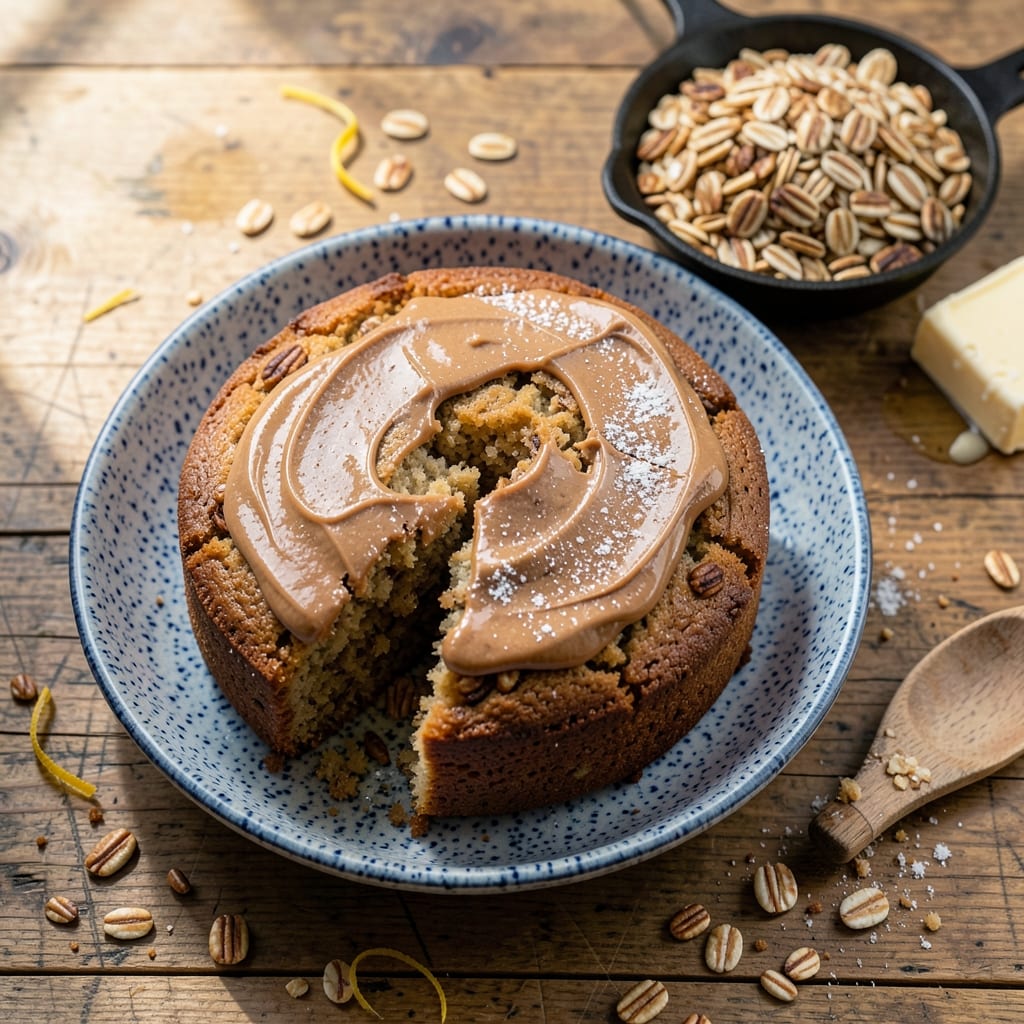
This Amish oatmeal cake recipe delivers the perfect balance of hearty texture and warm spice in every bite—no fuss, just rustic comfort. The secret lies in combining rolled oats with traditional pantry staples like cinnamon and nutmeg, creating a moist crumb that stays tender even after baking. I've perfected this version over years of testing, ensuring it's simple enough for weeknight baking but special enough for company.
The beauty of this cake is its versatility—it works with or without eggs, making it adaptable for dietary needs while keeping that signature Amish charm. The oats add a subtle nuttiness that pairs beautifully with the warm spices, while a touch of brown sugar deepens the flavor without overpowering. Baking at 350°F for 45 minutes ensures a golden top and perfectly set edges, with a tender center that melts in your mouth.
What makes this cake truly special is how it improves with time—if you can wait, the flavors deepen overnight. Serve it warm with a dollop of whipped cream, a scoop of vanilla ice cream, or fresh berries for a touch of brightness. The aroma alone will have everyone gathering around the table, and the first bite delivers that comforting, home-baked satisfaction that's hard to resist.
Whether you're baking for a family gathering or treating yourself to a cozy dessert, this recipe delivers restaurant-quality results with minimal effort. The ingredients are simple, the process is foolproof, and the outcome is a cake that tastes like a hug in every slice. Let's get baking!
Ingredients for amish oatmeal cake
Pantry staples that transform into a comforting, spiced oatmeal cake with tender crumb.
| Ingredient | Amount | Notes |
|---|---|---|
| Rolled Oats 🌾 | 1 cup | Old-fashioned, not instant |
| All-Purpose Flour 🌾 | 2 cups | Sifted for light texture |
| Brown Sugar 🍯 | 1 cup | Packed firmly for sweetness |
| Granulated Sugar 🍯 | ½ cup | For balanced sweetness |
| Unsalted Butter 🧈 | ½ cup | Cold, cubed for even mixing |
| Large Eggs 🥚 | 2 whole | Room temperature for blending |
| Plain Yogurt 🥛 | ½ cup | Full-fat for moisture |
| Vanilla Extract 🍯 | 1 tbsp | Pure extract for flavor |
| Ground Cinnamon 🌿 | 2 tsp | Freshly ground preferred |
| Ground Nutmeg 🌿 | ½ tsp | Freshly grated for warmth |
| Salt 🧂 | ½ tsp | Fine sea salt preferred |
| Milk 🥛 | ½ cup | Whole milk for richness |
| Baking Powder 🌶️ | 1 tsp | Freshly opened for lift |
| Baking Soda 🌶️ | ½ tsp | For tender crumb |
The rolled oats are the heart of this cake—Bob's Red Mill or Quaker Old Fashioned are my go-tos, but any brand works as long as it's not instant. The oats add that signature nuttiness and keep the cake moist for days. For the spices, Penzeys or the bulk bins at Whole Foods have the freshest ground cinnamon and nutmeg—trust me, the difference is noticeable. If you're using pre-ground spices from the grocery store, check the date—once they're over six months old, they lose their punch. The butter should be cold when you mix it in; this ensures flaky layers and prevents a dense crumb. I always buy Land O'Lakes unsalted butter for baking—it's reliable and affordable.
No eggs? Substitute with 0.5 cup unsweetened applesauce or 1 flax egg (1 tbsp ground flaxseed + 3 tbsp water). Running out of yogurt? Sour cream or buttermilk work in a pinch, though the texture will be slightly denser. The baking powder and soda are non-negotiable for that classic Amish cake rise—Diamond Crystal baking powder is my go-to because it's double-acting, but any brand will do. Want to boost the flavor? Add 1 tsp lemon zest to the batter for a bright contrast to the warm spices. The milk can be swapped for almond or oat milk if you prefer, though the texture might be a touch lighter. If you're baking at high altitude, consider adding 1 tbsp extra flour to prevent spreading.
This cake tastes even better the next day—cover tightly with foil and store at room temperature for up to 3 days. For longer storage, wrap in plastic and refrigerate for 1 week, or freeze for 3 months. To reheat, wrap a slice in a damp paper towel and microwave for 15 seconds—it'll be warm and gooey. I always bake an extra batch and freeze half; perfect for lazy mornings or unexpected guests. The aroma alone will have your kitchen smelling like a cozy Amish bakery. Serve with a dollop of whipped cream or a scoop of vanilla ice cream for the full experience.
Why You'll Love This Recipe
- No Mixer Needed: I swear by this one—just stir. The rolled oats and butter create a thick, dough-like batter that you can fold together with a wooden spoon. No electric mixer, no fuss, and no waiting for dough to come to room temperature.
- Caramel-Kissed Crumb: That brown sugar and butter combo? It’s what makes this cake irresistibly moist with a subtle caramel undertone. The rolled oats add a pleasant chewiness that keeps it from being too sweet—honestly, it’s the kind of cake that disappears fast.
- Breakfast or Dessert: Serve it warm with a pat of butter for a hearty breakfast, or dust it with powdered sugar for a cozy dessert. I’ve even sliced it thin and frozen the pieces for quick toast—because why not?
- Pantry Staples Only: Between us, this recipe uses things you already have: flour, sugar, butter, and oats. No specialty ingredients, no last-minute grocery runs. It’s my go-to when I’m low on time or money but still want something special.
Step-by-step instructions for Amish oatmeal cake
Here's how to bake a tender, spiced cake with a perfect moist crumb every time.
Toast the Rolled Oats for Nuttiness
Preheat your oven to 350°F and spread the 1 cup rolled oats evenly on a rimmed baking sheet. Toast for 8-10 minutes until they're a rich golden brown and smell deeply nutty. Stir once halfway through to ensure even toasting.
This step is crucial—it deepens the oat flavor and prevents a raw, grainy texture in your cake. Let the oats cool completely before using them, about 10 minutes. I like to spread them on a clean kitchen towel to cool faster while keeping them contained.
Cream Butter and Sugars Together
In a large mixing bowl, combine the ½ cup cold cubed butter, 1 cup packed brown sugar, and ½ cup granulated sugar. Beat with an electric mixer on medium speed for 3-4 minutes until light and fluffy. You'll see the mixture nearly double in volume and become pale.
This creaming process incorporates air, which creates that signature tender crumb. Don't rush this step—under-creaming leads to dense cake. I press down on the butter mixture occasionally with a spatula to help break up any remaining lumps while building volume.
Add Eggs and Yogurt for Moisture
Add the 2 room temperature eggs one at a time, mixing well after each addition. Then stir in the ½ cup plain yogurt and 1 tablespoon vanilla extract until fully combined. The batter should be smooth and slightly thick but still pourable.
Room temperature eggs blend more easily and create a lighter texture. If your eggs are cold, they might not incorporate as smoothly. Here's where the yogurt works its magic—it adds moisture without making the cake dense, which is key for that perfect Amish cake texture.
Combine Dry Ingredients and Fold Gently
In a separate bowl, whisk together the 2 cups sifted all-purpose flour, 2 teaspoons ground cinnamon, ½ teaspoon ground nutmeg, ½ teaspoon salt, 1 teaspoon baking powder, and ½ teaspoon baking soda. Sift directly into the wet ingredients and gently fold with a spatula until just combined.
Overmixing develops gluten, which makes cake tough. Stop folding when you still see a few flour streaks—this ensures a tender crumb. Now gently fold in the cooled toasted oats. The batter will be thick but should hold its shape when dropped from a spoon.
Bake Until Golden and Springy
Pour the batter into a greased and floured 9-inch round cake pan (or two 8-inch pans if preferred). Bake at 350°F for 40-45 minutes until a toothpick inserted in the center comes out clean and the top springs back when pressed gently.
The cake should have a deep golden brown color with a slightly cracked top—this indicates proper baking. For even baking, rotate the pan halfway through the baking time. Let the cake cool in the pan for 10 minutes before transferring to a wire rack to cool completely.
Pro Tips For Making Amish Oatmeal Cake
- TOAST THE OATS FIRST: I learned this the hard way—skipping this step makes the cake taste raw and grainy. Pulse rolled oats in a food processor for 10 seconds until they’re finely ground but not powdery. (Yes, even if you’re impatient like me, this makes a real difference.)
- MELT THE BUTTER SLOW: Brown sugar and butter are a match made in heaven, but don’t rush the mixing. Melt the butter first, then stir in the sugars until it’s fully dissolved and smooth. Lumpy butter = uneven texture in the cake. (Your future self will thank you.)
- DON’T OVERMIX THE BATTER: This isn’t a pancake—stop mixing once the flour is just combined. Overworking the batter makes the cake dense and tough. Stir until barely unified, then fold in any dry bits. (Does it look weird? Yes. Does it work? Every single time.)
- LET IT REST BEFORE BAKING: Give the batter a solid 15-20 minutes at room temperature. This lets the oat flavor meld and prevents a gummy center. (I skip this when I’m lazy, but the dish is noticeably better when I don’t.)
Creative variations of this recipe
Classic Spiced Twist
Boost the warm spice profile by adding ½ teaspoon ground cloves and 1 teaspoon orange zest to the dry ingredients. The cloves add depth while the orange zest brightens the rich brown sugar notes. I find this variation especially cozy during winter months—it's like wrapping the cake in a spiced blanket. 🌟
Gluten-Free Adaptation
Replace the 2 cups all-purpose flour with a 1:1 gluten-free baking flour blend like King Arthur Measure for Measure. Add ½ cup extra rolled oats for structure and 1 extra teaspoon baking powder to compensate for reduced gluten. The texture stays moist but slightly denser—perfect for those with dietary restrictions. 🥗
Egg-Free Version
For an egg-free adaptation, substitute the 2 eggs with ½ cup unsweetened applesauce or 1 flax egg (1 tbsp ground flaxseed + 3 tbsp water). The applesauce keeps the cake tender while maintaining the classic texture. I've tested both methods and prefer the flax egg for a slightly firmer crumb that still holds its shape beautifully. 💪
Apple Cider Glaze
Drizzle the cooled cake with a simple glaze made from ½ cup powdered sugar, 2 tablespoons apple cider, and ½ teaspoon cinnamon. Whisk until smooth and pour over the top. The cider adds a subtle tang that cuts through the sweetness, while the cinnamon ties back to the cake's warm spices. This glaze is my secret weapon for making any cake feel special. 🍏
Nutty Add-Ins
Fold in ½ cup chopped walnuts or pecans with the toasted oats for added texture and richness. Toast the nuts separately in a dry pan for 3-4 minutes until fragrant before mixing them in. The nuts add a satisfying crunch that contrasts beautifully with the cake's soft crumb. I especially love this variation when paired with a scoop of vanilla ice cream. 🌰
Seasonal Fruit Swirl
Create a stunning visual effect by folding ½ cup mashed berries (strawberries, raspberries, or blueberries) into the batter. For a marbled effect, swirl the berries into the batter using a knife before baking. This works especially well with summer berries but feels festive with winter cranberries too. The fruit adds natural sweetness and keeps the cake moist for days. 🍓
Nutrition facts
Frequently asked questions
Why does this Amish oatmeal cake need toasted oats?
Toasting the oats enhances their nutty flavor and prevents a raw, grainy texture in the cake. The warm oven transforms the oats into a rich, aromatic base that deepens the overall taste—this is what gives the cake its signature hearty character.
Can I make this cake without eggs?
Yes! Substitute the 2 eggs with either ½ cup unsweetened applesauce or 1 flax egg (1 tbsp ground flaxseed + 3 tbsp water). The applesauce keeps the cake tender while the flax egg maintains a firmer crumb. Both work well for a moist, delicious result.
How do I know when the cake is fully baked?
The cake is done when a toothpick inserted in the center comes out clean and the top springs back when pressed gently. It should also have a deep golden brown color with a slightly cracked top. Bake for 40-45 minutes at 350°F for perfect results.
What's the best way to store leftover cake?
Cover tightly with foil and store at room temperature for up to 3 days. For longer storage, wrap in plastic and refrigerate for 1 week, or freeze for 3 months. Reheat slices by wrapping in a damp paper towel and microwaving for 15 seconds.
Can I use quick oats instead of rolled oats?
No, quick oats are too soft and will make the cake dense and gummy. Rolled oats (old-fashioned) are essential—they hold their shape and add the perfect nuttiness. If you're out of rolled oats, you can pulse them briefly in a food processor to mimic the texture, but toasting is still crucial.