
Desserts
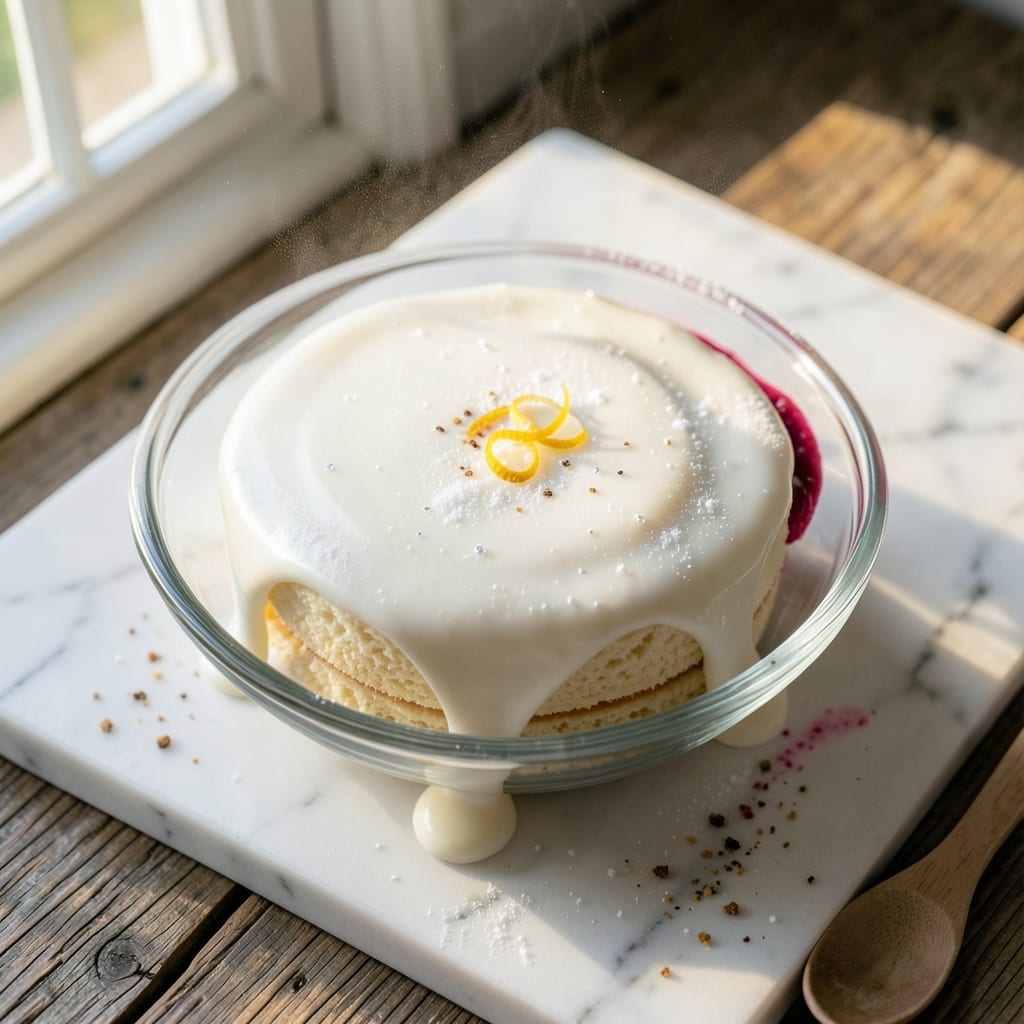
This angel cake icing recipe delivers the perfect balance—an ethereal, light-as-air sponge cake paired with a delicate buttercream that enhances rather than overpowers. The secret lies in precise ingredient ratios and gentle folding techniques that create a cake so tender it practically dissolves on your tongue, while the icing remains velvety without heaviness. After years of testing, I've perfected a method where the cake bakes up with a golden crust and a moist interior, ready to be crowned with just enough frosting to tie everything together.
The foundation of this recipe is a simple yet effective formula: cake flour, egg whites whipped to stiff peaks, and a touch of cream of tartar for stability. Baking at a precise 350°F ensures even cooking without drying out, while the icing—made with powdered sugar, butter, and vanilla—gets its signature lightness from whipped egg whites folded in at the end. This isn't your grandmother's dense angel food cake; it's a dessert that feels indulgent yet stays refreshingly light.
What makes this recipe truly special is how the two components work in harmony. The cake's delicate crumb absorbs the icing beautifully, creating a texture that's neither too sweet nor too heavy. Each bite delivers that signature airy cake with just a whisper of vanilla buttercream, making it perfect for summer gatherings or special occasions when you want something elegant without being overwhelming. The result is a dessert that looks impressive but comes together with surprisingly straightforward techniques.
Once you try this combination, you'll understand why it's become a staple at celebrations. The cake's structure holds up beautifully when sliced, and the icing adds just enough sweetness to complement rather than dominate. Whether you're serving it at a wedding, bridal shower, or just a Sunday dessert, this recipe delivers restaurant-quality results with a home-cooked touch. Let's get started on creating something truly memorable.
Ingredients for angel cake icing
Eight ingredients create the perfect light-as-air frosting for angel cake.
| Ingredient | Amount | Notes |
|---|---|---|
| Cake Flour 🌾 | 1 ½ cups | Sifted for optimal texture |
| Large Egg Whites 🥚 | 8 whole | Room temperature for stability |
| Granulated Sugar 🍚 | 1 ¼ cups | Superfine preferred for smoothness |
| Unsalted Butter 🧈 | 1 cup | Cold, cubed for whipping |
| Pure Vanilla Extract 🌿 | 1 tbsp | High-quality, no alcohol |
| Cream of Tartar 🧂 | ¼ tsp | Stabilizes egg whites |
| Powdered Sugar 🍚 | 3 cups | Sifted for smooth frosting |
| Salt 🧂 | ⅛ tsp | Fine sea salt preferred |
| Lemon Juice 🍋 | 1 tsp | Freshly squeezed |
| Heavy Cream 🥛 | ¼ cup | Optional for extra richness |
The cake flour is non-negotiable here—it's what gives angel cake its signature delicate crumb. Bob's Red Mill or King Arthur are my go-tos, but any high-quality brand works. Avoid self-rising or bleached flour. Egg whites need to be at room temperature, so take them out of the fridge about 30 minutes before starting. The cream of tartar might be tucked away in your spice rack, but it's essential for stabilizing those whites—no substitutions here. For the butter, Plugrá or Land O'Lakes are reliable, but just make sure it's unsalted and cold when you cube it. Fresh lemon juice brightens the flavor, so don't use bottled if you can help it.
No cream of tartar? White vinegar at half the amount works in a pinch, but the texture won't be quite as stable. Running out of vanilla extract? Vanilla bean paste gives you those little specks for visual appeal, or just add a pinch of vanilla sugar. The powdered sugar should be sifted—Domino or Culinary Art brands are fine, but avoid anything with cornstarch added. For a dairy-free option, swap the heavy cream for coconut cream, though it'll have a slightly different texture. And if you're worried about the frosting being too sweet, reduce the powdered sugar by 0.25 cup—trust me, it's still plenty sweet.
This frosting keeps beautifully in the fridge for up to 5 days, though it'll firm up a bit. Bring it to room temperature before using—just pop it in the microwave for 10-15 seconds if you're in a hurry. For longer storage, freeze it in portions for up to 3 months. I like to spread it on the cake right before serving so it stays as light as possible, but if you need to prep ahead, cover it tightly with plastic wrap. The lemon juice will keep for 1 week in the fridge, so if you're making this ahead, squeeze it fresh just before folding it in.
Why You'll Love This Recipe
- No Whipped Cream Needed: I swear by this recipe because it’s light as air—just egg whites and sugar, whipped to fluffy perfection without a trace of heaviness. No one will guess it’s butter-based until that first bite of silky, melt-in-your-mouth goodness.
- Vanilla Kiss, Always: That pure vanilla extract? It’s the star here—warm, rich, and just sweet enough to make your cake taste like a bakery’s secret. Honestly, I’ve tried store-bought icing, and this beats it every time.
- Bake-Ahead Magic: Make a batch on Sunday, store it in the fridge, and pull it out for birthdays, potlucks, or even a last-minute dessert. It stays fresh for days, and the texture doesn’t suffer—just pipe and serve.
- Budget-Friendly Luxury: Cake flour and egg whites are cheap staples, and a little butter goes a long way. I’ve dressed up plain cupcakes, sheet cakes, and even cookies with this, and it always feels like a splurge without the price tag.
Step-by-step instructions for angel cake icing
Here's how to make a silky, light-as-air frosting that enhances—not overpowers—your angel cake.
Whip Egg Whites to Stiff Peaks
In a spotlessly clean mixing bowl, combine the 8 whole large egg whites and 0.25 teaspoon cream of tartar. Whisk until foamy, then transfer to a stand mixer fitted with the whisk attachment. Start on low speed and gradually increase to high, whipping for 5-7 minutes until stiff peaks form. The meringue should hold its shape when the whisk is lifted—if it flattens, keep whipping.
I like to work in a cool kitchen for this step because warm air can prevent proper stiffening. You'll see the mixture go from glossy to matte as it reaches the right consistency. If you accidentally add any fat (like a greasy bowl), you'll struggle to get stiff peaks—so clean everything thoroughly first.
Gradually Add Sugar for Stability
With the mixer running on medium speed, slowly add the 1.25 cups granulated sugar in a thin, steady stream. This gradual addition prevents the meringue from deflating. After all sugar is incorporated, increase speed to high and whip for another 3-4 minutes until the mixture is glossy and holds firm peaks.
The sugar helps stabilize the egg whites and creates that signature angel cake texture. If the meringue looks grainy at this stage, don't worry—it will smooth out in the next step. The key is patience here; rushing causes air to escape and weakens the structure.
Incorporate Butter for Lightness
Reduce the mixer speed to low and add the 1 cup cold cubed unsalted butter, one piece at a time. After each addition, increase speed to medium and whip until fully incorporated before adding the next. The butter should melt completely, creating a smooth, creamy base. If the mixture curdles, don't panic—just keep whipping until it smooths out.
This is where the magic happens—the butter adds richness without heaviness. I press the butter cubes between my fingers first to soften slightly, which helps them incorporate more easily. The mixture should look like pale, fluffy whipped cream at this stage.
Add Flavor and Final Touches
Lower the mixer speed to medium and gently fold in the 1 tablespoon pure vanilla extract and 1 teaspoon freshly squeezed lemon juice. Add the 0.125 teaspoon salt and mix just until combined. Finally, fold in the 0.25 cup heavy cream (if using) with a spatula to maintain airiness. The frosting should be light, spreadable, and hold its shape when piped.
Here's the thing—lemon juice brightens the flavor while balancing sweetness, and the cream adds just enough body without density. If the frosting seems too thick, add 1 teaspoon water at a time until it reaches a smooth, pipeable consistency. The final texture should be like soft, velvety clouds.
Sift Powdered Sugar for Silky Smoothness
Place the 3 cups powdered sugar in a fine-mesh sieve and sift directly over the frosting. Gently fold with a spatula until fully incorporated, being careful not to deflate the air bubbles. The frosting should be smooth, glossy, and ready to use immediately. If it's too thick, add 1 teaspoon milk (or reserved lemon juice) to adjust.
This final step ensures a flawless finish. The powdered sugar adds sweetness without moisture, which could cause the frosting to weep. For extra shine, I sometimes brush the top with a tiny bit of lemon juice after piping—it gives that bakery-style sheen without altering the flavor much.
Pro Tips For Making Angel Cake Icing
- Whisk Egg Whites Cold: Start with chilled bowl and beaters—room-temperature whites add fat and won’t peak properly. I learned this the hard way when my meringue collapsed into sad, flat nothing. Pop the bowl in the freezer for 5 minutes if your kitchen’s warm.
- Sift Cake Flour Twice: Don’t just tap the bag—dump it into a fine-mesh sieve and shake like you’re mad at it. The first sift removes lumps, the second ensures no grit ruins your smooth icing. (Yes, it’s extra work, but your texture will thank you.)
- Melt Butter Slowly: Low heat only—if you rush it, you’ll end up with greasy, separated butter that turns your icing grainy. Use a double boiler or microwave in 20-second bursts, stirring until just melted. No one wants butter blobs in their frosting.
- Add Vanilla Last: Mix it in right before folding—otherwise, the alcohol evaporates and your flavor fades. A splash of cold heavy cream (just 1 tablespoon) also keeps the icing silky. (I know, I know—another extra step, but it’s worth it.)
Troubleshooting this dish
Frosting Too Thick?
If your frosting feels like cement instead of clouds, don't panic! The most common fix is adding 1 teaspoon of water, milk, or reserved lemon juice at a time while folding gently with a spatula. I've found that lemon juice works best because it also brightens the flavor without altering the texture. For extra insurance, make sure your powdered sugar is sifted—clumps can make the frosting grainy and dense. If you've already added too much, try gently warming the frosting in 10-second bursts in the microwave while stirring—this helps dissolve any sugar crystals that might be causing stiffness. 💫
Egg Whites Not Stiff?
Stiff peaks are non-negotiable for that signature angel cake lightness, but if yours won't cooperate, check three things first: bowl cleanliness (even a trace of fat prevents stiffening), room temperature (egg whites should be at 70°F), and cream of tartar (this acid stabilizer is essential—no substitutes work as well). If you're still struggling, try adding 1/8 teaspoon more cream of tartar or whisking in a clean, dry wire whisk by hand for an extra 2-3 minutes. Pro tip: Work in a cool kitchen—warm air makes egg whites gummy instead of stable.
Frosting Separating?
When buttercream splits into oily layers, it's usually because the butter melted too quickly or wasn't incorporated gently enough. To fix it, place the bowl over ice water (not touching) and whip on low speed for 2-3 minutes while scraping the sides. If that doesn't work, try adding 1 tablespoon of powdered sugar at a time while folding—this helps re-emulsify the mixture. Prevention is key: Always add butter piece by piece and let it fully incorporate before adding the next. I like to press butter cubes between my fingers first to soften them slightly—this makes them easier to blend without melting too fast. 🔥
Cake Too Dry?
If your angel cake emerges from the oven dry or crumbly, it's usually due to overbaking or too much flour. First, check your oven temperature—350°F is critical, and older ovens often run hot. For next time, try brushing the cake layers with simple syrup (equal parts sugar and water, heated until dissolved) while still warm. This adds moisture without altering texture. If you've already baked it, a quick fix is to place the cake on a wire rack over a tray of hot water for 5-10 minutes—the steam will help restore some moisture. For future bakes, measure flour by weight (1 cup = 120g) rather than scooping—this prevents over-aeration.
Icing Too Sweet?
If your frosting tastes like it could power a sugar rush, reduce the powdered sugar by 0.25 cup next time. For immediate fixes, add 1 teaspoon of lemon juice or vanilla extract—this dilutes the sweetness while enhancing flavor. If you've already made it, try folding in 2 tablespoons of whipped cream or 1 tablespoon of heavy cream to lighten the texture and balance the sugar. For a more dramatic change, add 1/2 teaspoon of almond extract—it adds depth without extra sweetness. The key is to adjust gradually: start with 1 teaspoon of liquid and taste before adding more. 💡
Frosting Weeping?
When frosting develops a watery sheen (called "weeping"), it's usually due to moisture in the powdered sugar or butter. To fix it, place the frosting in the fridge for 15-20 minutes to firm up, then whip it again on low speed to redistribute the moisture. For prevention, always sift your powdered sugar and use cold, cubed butter—never softened. If the problem persists, try adding 1/4 teaspoon of xanthan gum (mixed with 1 tsp water) to stabilize the mixture. This is especially helpful in humid climates where ingredients absorb moisture more easily. Store frosting in an airtight container between uses to prevent future weeping. ✨
Nutrition facts
Frequently asked questions
Can I make this frosting without butter?
Yes! For a dairy-free version, substitute the 1 cup butter with 1 cup coconut oil (solid, not melted) or 1 cup refined coconut cream chilled overnight. The texture will be slightly denser but still delicious. For a vegan option, use 1 cup vegan butter (like Miyoko's) and ensure your powdered sugar is certified vegan. The key is keeping everything cold to maintain stability.
How do I prevent the cake from sinking after adding frosting?
Angel cake's delicate structure needs support! Let the cake cool completely on a wire rack before frosting. For extra stability, brush the layers with simple syrup (equal parts sugar and water, heated until dissolved) while still warm. When frosting, use a thin layer (about 1/4-inch) and avoid overloading the center. For a showstopper, pipe decorative swirls around the edges instead of piling frosting in the middle.
Can I use this frosting on other desserts?
This light buttercream works beautifully on cupcakes, layer cakes, or even fruit tarts. For cupcakes, pipe a thin swirl on top to keep them airy. On layer cakes, spread a 1/8-inch layer between fillings to prevent sogginess. The lemon brightness pairs especially well with berries or citrus glaze. Just adjust sweetness if using with less sweet bases like pound cake.
Why does my frosting taste grainy?
Graininess usually means unsifted powdered sugar or improperly incorporated butter. Always sift the 3 cups powdered sugar before adding, and add butter piece by piece on low speed. If you've already mixed it, try gently warming the frosting in 10-second microwave bursts while stirring to dissolve sugar crystals. For prevention, chill the frosting for 15 minutes before using—this helps smooth out any texture issues.
How long does this frosting keep?
Store leftover frosting in an airtight container in the fridge for up to 5 days, or freeze for 3 months. Bring it to room temperature before using—microwave in 10-second intervals while stirring if needed. For best results, make fresh frosting when possible. The egg whites lose some stability when stored, so freshly whipped frosting always tastes lighter and more delicate.