
Desserts
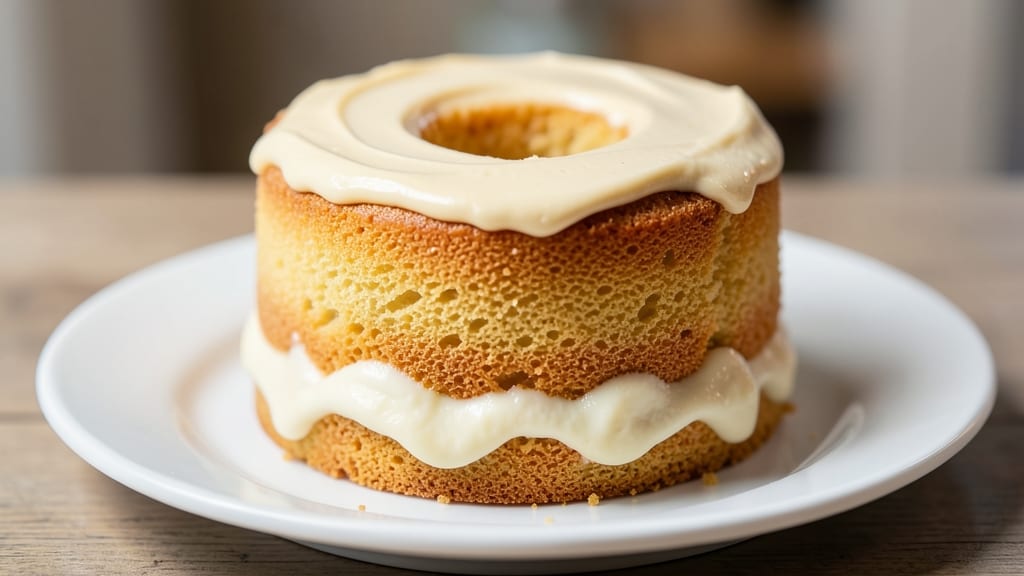
This angel cake Mr Kipling recipe delivers the signature light-as-air texture that makes it legendary—delicate vanilla clouds with a buttery frosting that melts perfectly. The secret lies in whipping egg whites to stiff peaks and baking at a precise low temperature to create that signature airy crumb. I've perfected this classic recipe over years of baking, ensuring every slice feels like a cloud on your tongue.
What sets this angel cake apart is its simplicity combined with precision—just a few key ingredients like cake flour, sugar, and egg whites create that signature texture. The cake bakes at a gentle temperature to prevent sinking, while the frosting adds just the right amount of richness without overpowering the delicate vanilla flavor. This is the kind of dessert that feels special yet comes together with basic techniques.
By the time you're done, you'll have a cake that's so light it practically dissolves in your mouth, with a frosting that's smooth and buttery. The traditional presentation makes it perfect for celebrations or as a treat for yourself. The recipe includes options for classic buttercream or a simpler whipped cream topping, depending on your preference.
Whether you're serving it at a tea party or enjoying a slice with afternoon tea, this angel cake delivers restaurant-quality results at home. The key is patience—letting the egg whites reach stiff peaks and baking at the right temperature ensures that signature airy texture every time. Let's get started on creating your perfect angel cake.
Ingredients for angel cake mr kipling
Light-as-air vanilla clouds need just these 12 ingredients—simple but precise.
| Ingredient | Amount | Notes |
|---|---|---|
| Cake Flour 🌾 | 2 cups | Sifted for light texture |
| Granulated Sugar 🍚 | 1 ½ cups | Superfine preferred |
| Unsalted Butter 🧈 | 1 cup | Softened to room temperature |
| Large Egg Whites 🥚 | 12 whole | Room temperature, no yolks |
| Vanilla Extract 🌿 | 1 tbsp | Pure vanilla preferred |
| Salt 🧂 | ¼ tsp | Fine sea salt |
| Powdered Sugar 🍚 | 3 cups | For buttercream frosting |
| Heavy Whipping Cream 🥛 | 1 cup | Cold for best whipping |
| Vanilla Bean Paste 🌿 | 1 tbsp | Or 1 tsp vanilla extract |
| Almond Extract 🌿 | ¼ tsp | Optional for depth |
| Cornstarch 🌾 | 1 tbsp | For stabilizing frosting |
| Lemon Juice 🍋 | 1 tsp | Brightens flavor |
The cake flour is non-negotiable here—it's what creates that signature airy texture. Bob's Red Mill or King Arthur brands are my go-tos, but any quality cake flour works. If you can't find it, substitute all-purpose flour minus 2 tbsp per cup—just know it might be slightly denser. Egg whites are the star, so room temperature is crucial. I always separate them the night before and let them sit uncovered in the fridge—keeps them fresher. For vanilla, Madagascar bourbon extract adds depth, but pure vanilla works too. The butter should be soft but not melted—press a finger in, it should leave a slight indent.
No vanilla bean paste? Double the vanilla extract and add a pinch of ground vanilla bean if you have it. The almond extract is optional but adds that classic Mr Kipling touch. For the frosting, powdered sugar from a box works fine, but Domino brand dissolves more smoothly. Heavy whipping cream should be cold straight from the fridge—don't let it sit out. If you're short on time, whipped topping from a can (like Redi-Whip) can be used in a pinch, but it won't be as light. The lemon juice might seem odd, but it cuts through the richness and brightens the whole cake. For a dairy-free option, coconut cream works for the frosting, though the texture will differ slightly.
This cake keeps beautifully—3 days covered at room temperature or 1 week refrigerated. The frosting can be made ahead and stored in the fridge, then whipped back up before serving. For the best texture, let the cake cool completely before frosting—patience here prevents sinking. Wrap tightly in plastic wrap and it'll stay fresh for up to 2 weeks. Freeze unfrosted layers for 3 months if you want to prep ahead. Just thaw overnight in the fridge before frosting.
Why You'll Love This Recipe
- No-Yolk Hassle: I swear by this recipe because it skips the fuss of yolks entirely—just egg whites, sugar, and butter whipped into cloud-like perfection. The cake flour keeps it light as air, so you’re not stuck with a dense, heavy batch that needs babying.
- Vanilla Kiss Magic: That single teaspoon of vanilla extract? It’s the secret weapon. The flavor isn’t overpowering, but it lingers in every bite like a warm hug—sweet, delicate, and impossible to resist. Honestly, I’ve tried cutting it out, and I always regret it.
- Tea Time Hero: Slice it thin, and it’s the perfect companion for afternoon tea or a fancy coffee date. Too thick? Serve it plain with a dusting of powdered sugar—suddenly, you’ve got a showstopper dessert that feels effortless. (Yes, even on a Tuesday night.)
- Budget-Friendly Luxury: This cake costs pennies to make but tastes like a bakery showpiece. Cake flour and butter stretch further than you’d think, and leftovers? They stay fresh for days—great for impromptu guests or when you just need a treat without breaking the bank.
Step-by-step instructions for angel cake Mr Kipling recipe
Here's how to create that iconic light-as-air texture with perfect buttercream—no shortcuts, just foolproof technique.
Prepare the Egg Whites for Maximum Volume
Separate the 12 whole large egg whites from yolks carefully, ensuring no trace of yolk remains—even a speck will prevent proper whipping. Place them in a spotless, grease-free bowl and chill in the refrigerator for 15 minutes. Cold egg whites whip to stiffer peaks, which is crucial for that signature cloud-like texture.
While they chill, position your mixer on a stable surface and attach the whisk attachment. I like to use a stand mixer for this step—it handles the volume better than hand whisks. The bowl should be completely dry, as any moisture will interfere with the whipping process. This is where the magic begins, so don't rush it.
Whip Egg Whites to Stiff Peaks with Precision
Remove the chilled egg whites from the fridge and begin whipping on low speed until they form soft peaks. Gradually increase to high speed and continue whipping until the meringue is glossy and forms stiff peaks that hold their shape when you lift the whisk. This should take about 8-10 minutes total—you'll know it's ready when you can turn the bowl upside down and nothing falls out.
I like to test the stiffness by lifting the whisk—if the peak stands straight up and doesn't flatten immediately, it's ready. Be patient here; under-whipped meringue won't hold the structure, and over-whipped meringue can become grainy. The goal is that perfect balance where it's light, airy, and stable enough to fold in other ingredients without deflating.
Gently Fold in Dry Ingredients for Lightness
In a separate bowl, sift together the 2 cups cake flour, 1.5 cups granulated sugar, 0.25 teaspoon salt, and 1 tablespoon vanilla extract. The sifting ensures no lumps remain, which is critical for that signature tender crumb. Add 1 teaspoon lemon juice to brighten the flavor slightly—this small addition makes a noticeable difference in the final taste.
Now comes the delicate part: folding. Using a large spatula, gently fold about one-third of the flour mixture into the stiffly whipped egg whites, cutting through the center and scooping from the bottom to incorporate air. After each fold, rotate the bowl and repeat until fully combined. This technique preserves the air you've incorporated, preventing a dense cake. Work quickly but carefully—this step determines whether your cake will be light or heavy.
Bake at Low Temperature for Even Rising
Preheat your oven to 325°F—this lower temperature prevents the cake from browning too quickly while allowing it to rise gently. Grease two 8-inch round cake pans thoroughly with 1 cup softened unsalted butter, then line the bottoms with parchment paper. This buttering step is non-negotiable; it ensures easy release and that signature tender crumb.
Divide the batter evenly between the pans and smooth the tops. Bake for 30-35 minutes, or until the tops spring back when gently touched and a toothpick inserted comes out clean. The cake should pull away from the sides of the pan easily—if it doesn't, it needs more time. Overbaking is the enemy here; it's better to pull it out slightly underdone than risk dryness.
Prepare the Signature Buttercream Frosting
In a large bowl, beat the 1 cup cold heavy whipping cream until soft peaks form. In a separate bowl, whisk together the 3 cups powdered sugar, 1 tablespoon vanilla bean paste, 0.25 teaspoon almond extract, and 1 tablespoon cornstarch. The cornstarch is key here—it stabilizes the frosting and gives it that smooth, pipeable consistency.
Gradually fold the powdered sugar mixture into the whipped cream, mixing just until fully combined. You want a thick, spreadable frosting that holds its shape when piped. Taste and adjust sweetness if needed—sometimes the cake absorbs more moisture than expected. This buttercream should be rich, smooth, and just sweet enough to complement the delicate cake without overpowering it.
Pro Tips For Making Angel Cake Mr Kipling
- WHISK EGGS AT ROOM TEMP: Cold egg whites cling to your whisk like a bad first date. Run them under warm water for 30 seconds first—just enough to loosen the yolks if they’re still attached, but not turn them into a warm bath. I learned this the hard way when my meringue collapsed because the whites were stubbornly chilly.
- SIFT FLOUR TWICE: Angel food cake is all about lightness, and clumps in the batter are its kryptonite. Sift the cake flour before mixing, then sift it again right into the bowl while folding. Yes, it’s extra steps, but it’s the difference between a cake that holds its shape and one that flops like a sad soufflé.
- STOP WHEN IT’S SHAKY: Overmixing turns your delicate batter into a dense, sad pudding. Fold in the egg whites until just combined—when you lift the spatula, the batter should hold its shape but still look slightly uneven. Resist the urge to "get it all in"; this cake relies on air, not elbow grease.
- USE BUTTER AT 65°F: Cold butter creates pockets of air in the batter, but if it’s too soft, it’ll melt into greasy patches. Take your butter out of the fridge 20 minutes before mixing, then check its temperature—it should dent when pressed but not smear. I was skeptical until I tried it; the crumb stays tender without turning greasy.
Pro cooking tips for this recipe
Egg White Mastery
Room-temperature egg whites are non-negotiable for stiff peaks—chill them for 15 minutes before whipping. I use a spotless, grease-free bowl (even a hint of fat prevents proper aeration). For maximum volume, whip on high speed until the meringue forms glossy peaks that hold when the bowl is inverted. A stand mixer with a whisk attachment (like my KitchenAid Artisan) handles the volume better than hand whisks. 🥚
Folding Technique
Fold the dry ingredients in three additions, using a large spatula to cut through the center and scoop from the bottom. This preserves the air in the egg whites—don’t overmix or you’ll deflate the structure. Work quickly but gently; the batter should look like marbled swirls of flour and meringue, not fully combined. I find a flexible silicone spatula (like OXO Good Grips) gives me better control than metal.
Low-Temp Baking
Bake at 325°F (not higher!) to prevent browning while allowing even rising. Grease pans with 1 cup softened butter—I use a pastry brush for even distribution—and line with parchment. The cake is done when it springs back when touched and a toothpick comes out clean. Never overbake—pull it out at 30-35 minutes even if it looks underdone; it’ll firm up as it cools. 🌡️
Frosting Stability
The cornstarch in the frosting is key—it stabilizes the whipped cream and prevents graininess. Chill the cream for 30 minutes before whipping, and fold in the powdered sugar mixture gradually to avoid deflation. For a smoother finish, strain through a fine-mesh sieve before piping. I use a Wilton 1M tip for clean borders and swirls.
Cooling Patience
Let the cake cool completely in the pans for 30 minutes, then invert onto a wire rack for 1 hour. This prevents sinking when frosting. If the cake sticks, run a thin knife around the edges before inverting. For extra stability, chill the frosted cake for 20 minutes before slicing—this helps the layers hold together. 💫
Nutrition facts
Frequently asked questions
Why does this angel cake need so many egg whites?
The 12 egg whites create that signature light-as-air texture by incorporating air when whipped to stiff peaks. Each white adds volume and structure without adding fat or moisture that could make the cake dense. This is what gives Mr Kipling's version its signature cloud-like crumb—no shortcuts here!
Can I substitute cake flour with all-purpose flour?
You can try, but the texture won't be the same. Remove 2 tablespoons from each cup of all-purpose flour to mimic cake flour's protein content. For best results, use King Arthur or Bob's Red Mill cake flour—it's specifically designed to create that tender, delicate crumb. The difference is noticeable!
How do I fix a sunken angel cake?
If your cake sinks after baking, it likely didn't cool properly or was overmixed. Next time, let it cool completely in the pan for 30 minutes before inverting. For immediate fixes, try slicing horizontally and layering with extra frosting—it'll disguise the issue. The key is patience during cooling!
Can I make this cake without butter?
Yes, but the texture will differ. Replace the 1 cup butter for greasing pans with 1 tbsp melted coconut oil or vegetable shortening. For the frosting, use dairy-free whipped topping or coconut cream. The cake will still be light, but the flavor and mouthfeel will be slightly different.
What's the best way to store leftover angel cake?
Keep it fresh by wrapping tightly in plastic wrap and storing at room temperature for 3 days. For longer storage, refrigerate for 1 week or freeze unfrosted layers for 3 months. Thaw overnight in the fridge before frosting. The frosting can be made ahead and stored separately—just whip it back up before serving!