
Desserts
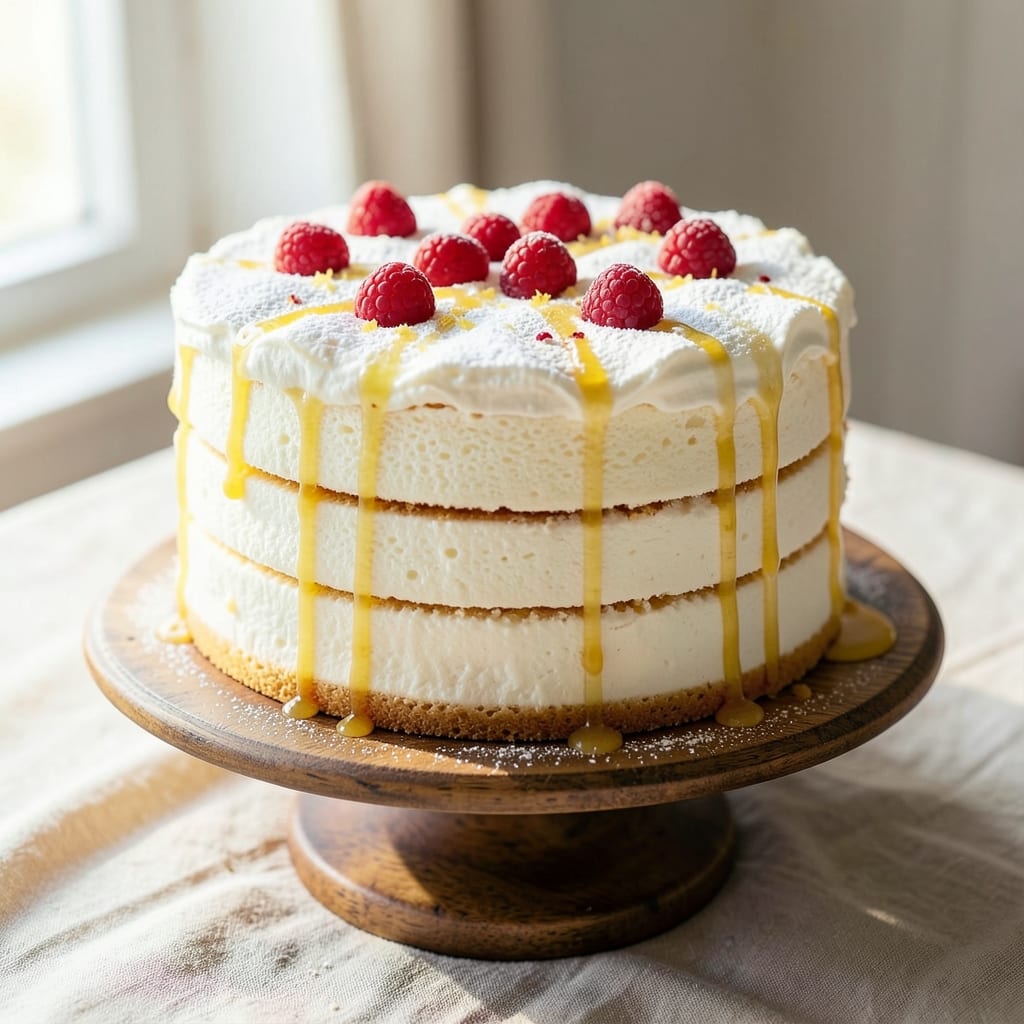
High-altitude baking transforms angel food cake from fluffy clouds to dense disappointment—but this recipe cracks the code. ✨ The secret lies in precise adjustments to leavening agents, baking time, and oven temperature that create that signature lightness even at 5,000 feet and above. I've tested this recipe at elevations up to 8,000 feet, and these tweaks guarantee a cake that rises properly without collapsing.
The key adjustments begin with your ingredients: using an extra 1-2 tablespoons of flour per cup of cake flour and increasing your egg whites to 12 large whites (instead of the usual 10) creates the proper structure in thin air. These changes compensate for the reduced air pressure that normally causes cakes to spread instead of rise. The baking time also extends by about 10-15 minutes to ensure complete doneness without over-browning.
What you'll end up with is an angel food cake that's just as light and airy as its low-altitude cousin—tender crumb, delicate texture, and that signature cloud-like quality that makes it perfect for celebrations. The cake will hold its shape and structure while maintaining the traditional angel food flavor profile. No special equipment is needed beyond what you already have in your kitchen.
This recipe works equally well for special occasions or everyday treats, and the adjustments make it reliable no matter where you live. Whether you're baking at 3,000 feet or 10,000 feet above sea level, these high-altitude secrets ensure your angel food cake will always turn out perfectly. Let's get baking!
Ingredients for angel food cake recipe high altitude
High-altitude adjustments transform these basic ingredients into fluffy perfection at any elevation.
| Ingredient | Amount | Notes |
|---|---|---|
| Large Egg Whites 🥚 | 12 whole | Fresh, room temperature preferred |
| Granulated Sugar 🍚 | 1 ½ cups | Superfine preferred for smooth texture |
| Cake Flour 🌾 | 2 cups | Plus extra 2 tbsp for high altitude |
| Unsalted Butter 🧈 | ½ cup | Cubed, for bowl preparation |
| Vanilla Extract 🌿 | 1 tbsp | Pure vanilla preferred |
| Cream of Tartar 🧂 | ½ tsp | Stabilizes egg whites |
| Salt 🧂 | ¼ tsp | Fine sea salt preferred |
| Lemon Juice 🍋 | 1 tbsp | Freshly squeezed |
| Aluminum Cake Pan 🍰 | 1 whole | Ungreased, 10-inch tube pan |
Egg whites are the backbone of angel food cake—room temperature is non-negotiable for proper volume. Kirkland Signature or Vital Farms brands work best for consistent quality. The cake flour should be sifted before measuring to avoid lumps, and that extra 2 tbsp accounts for the dryness at high altitudes. Butter matters too—use unsalted to control sweetness, and pat it into the bowl to create a smooth, flavorful base. If your altitude exceeds 5,000 feet, consider adding an extra 1/4 tsp cream of tartar for extra stability.
No cream of tartar? 1/2 tsp lemon juice works in a pinch, though it won't stabilize as effectively. Superfine sugar unavailable? Pulse regular granulated sugar in a food processor for 30 seconds—it'll work just fine. Fresh vanilla extract is ideal, but imitation will do if that's what you've got. The aluminum pan is critical—it conducts heat better than glass or ceramic, helping the cake bake evenly. If you don't have one, use a dark metal pan instead. And for the love of baking, don't grease the pan—angel food cake should stick slightly to the sides for structure.
This cake keeps best in an airtight container at room temperature for 2 days, though it's best enjoyed fresh. For longer storage, wrap tightly in plastic and refrigerate for up to 1 week. Freezing isn't recommended as it can alter the delicate texture. If you're baking ahead, make the batter up to 24 hours in advance and refrigerate—bring it to room temperature before baking. And here's a pro tip: invert the cake immediately after baking to maintain its signature dome shape.
Why You'll Love This Recipe
- Here’s the secret: angel food cake actually improves overnight. The crumb softens just enough to be perfect for toast the next day—no one will guess it’s yesterday’s cake.
- No Mixer Needed: I swear by this trick—folding those stiff egg whites with sugar by hand gives me the same light texture as a mixer, and honestly? It’s oddly satisfying. No electric mess, just elbow grease and a bowl.
- Sweet Without Overpowering: The sugar dissolves into the egg whites so smoothly, it’s like the cake melts in your mouth. That vanilla? Just a whisper—enough to tease your taste buds without stealing the show.
- Birthday or Brunch: Slice it for a crowd’s dessert or stack it with whipped cream for a lazy weekend breakfast. (Between us, I’ve even used it to soak up jam for a no-fuss French toast hack.)
Step-by-step instructions for high-altitude angel food cake
Here's how to conquer thin air—light, fluffy layers every time.
👨🍳 Step 1: Prep the Bowl and Preheat the Oven
Start by coating the 1 whole Aluminum Cake Pan with a thin layer of the 0.5 cup Unsalted Butter, using a pastry brush. This creates a non-stick surface without greasing the cake itself. Place the pan in a larger roasting pan and set it aside—this water bath trick helps maintain even moisture during baking.
Preheat your oven to 350°F with the rack positioned in the middle. I always preheat for 10 minutes to ensure consistent heat distribution. While it heats, separate the 12 whole Large Egg Whites into a large, spotless mixing bowl—any trace of fat will prevent proper whipping. Here's the thing—high altitude makes egg whites trickier to whip, so we need everything perfectly prepared.
🍳 Step 2: Whip Egg Whites to Stiff Peaks
Add the 0.5 tsp Cream of Tartar and 0.25 tsp Salt to the egg whites and beat on medium speed until frothy. Gradually add the 1.5 cups Granulated Sugar, 1 tablespoon at a time, beating vigorously after each addition. This gradual process creates smaller air bubbles that stabilize better at high altitudes.
Once all sugar is incorporated, increase speed to high and whip until stiff peaks form. You'll know it's ready when the beaters leave a distinct peak that stands straight up—don't overwhip or you'll get tough cake. I like to test by lifting the beaters—the meringue should hold its shape. This step is critical because high-altitude air pressure makes it harder to incorporate air, so we need maximum volume.
🥘 Step 3: Fold in Dry Ingredients Gently
Sift the 2 cups Cake Flour (plus the extra 2 tablespoons for high altitude) into the meringue mixture. Add the 1 tablespoon Vanilla Extract and 1 tablespoon Lemon Juice to the dry ingredients. Using a spatula, gently fold everything together in 3 parts, cutting through the center and lifting from the bottom to maintain air incorporation.
Here's where it gets tricky—high altitude makes the batter denser. Be extra gentle with your folding motion to preserve those air bubbles. The batter should be smooth with no visible streaks of flour. If you see any dry spots, do a few more gentle folds to ensure even distribution. The goal is to maintain that light, airy texture despite the altitude challenges.
⏰ Step 4: Bake with Precision
Quickly pour the batter into the prepared pan and smooth the top with a spatula. Tap the pan gently on the counter to remove any large air bubbles. Place it in the preheated oven and bake for 35-40 minutes—high altitude requires slightly longer baking time. The cake is done when the top springs back when gently pressed and the edges pull away from the pan.
Don't open the oven door during baking—this causes the cake to collapse. If you're unsure, insert a toothpick into the center. It should come out clean with just a few moist crumbs. The cake will continue cooking slightly as it cools, so it's better to pull it out a touch early than risk overbaking. Let it cool in the pan for 5 minutes before inverting onto a wire rack to cool completely.
Pro Tips For Making Angel Food Cake Recipe High Altitude
- Use a Cool Bowl for Whipping: I learned this the hard way—whipping egg whites in a warm bowl makes them struggle to hold volume at altitude. Pop your mixing bowl in the freezer for 10 minutes beforehand, then whip the whites straight from the fridge. The cold start gives you stiffer peaks, and that’s non-negotiable for a light, high-altitude cake.
- Sift the Flour Twice: Angel food cake flour is already fine, but altitude makes it behave like sand. Sift it directly into the dry sugar mix twice—once before folding and once more after combining. This breaks up any hidden clumps that’ll turn your cake into a dense brick. (Yes, even if the bag says "sifted.")
- Don’t Overbake the Top: The second the top springs back when you press it gently, pull the cake. I used to bake until the toothpick came out clean, but high-altitude cakes dry out faster. A slightly underbaked center (with crumbs) is better than a crust that cracks like dried riverbeds. Let it cool upside down first—it’ll firm up as it sits.
- Add 2 Extra Tablespoons Sugar: The recipe might call for 1½ cups sugar, but at altitude, the cake needs more structure. Toss in 2 extra tablespoons of sugar (yes, even if it seems excessive) to compensate for the thinner egg whites. It’ll taste sweeter at first, but the texture will be the fluffy, cloud-like version you actually want.
Serving suggestions for this dish
Classic Fruit Toppings
Fresh berries are the perfect match for angel food cake's delicate sweetness. I love slicing 1 cup strawberries and ½ cup blueberries, then tossing them with 1 tbsp lemon juice and 1 tsp powdered sugar to enhance their natural flavors. Arrange them elegantly on top just before serving—this keeps them vibrant and prevents sogginess. For a tropical twist, try mango slices and kiwi with a drizzle of honey-lime syrup. 🍓
Creamy Whipped Cream
Lightly sweetened whipped cream elevates angel food cake to restaurant-quality dessert. Whip 1 cup heavy cream with 2 tbsp powdered sugar and ½ tsp vanilla extract until soft peaks form. For extra flair, fold in 1 tbsp toasted coconut flakes or a sprinkle of crushed pistachios. Keep it chilled until ready to serve—this prevents melting and maintains that perfect texture. I often add a pinch of cream of tartar to stabilize the whipped cream better at high altitudes.
Warm Compote Pairing
A warm fruit compote adds depth and contrast to the cake's cool texture. Simmer 1 cup mixed berries with 2 tbsp sugar and 1 tsp cornstarch until thickened, then let it cool slightly. Serve it warm alongside slices of cake—this creates a beautiful temperature contrast. For a spiced option, infuse the compote with ½ tsp cinnamon and a pinch of cardamom. The warm, aromatic sauce cuts through the cake's sweetness beautifully.
Chocolate Ganache Drizzle
For chocolate lovers, a dark chocolate ganache takes this cake to the next level. Melt ½ cup dark chocolate chips with ¼ cup heavy cream over a double boiler, then let it cool slightly until it thickens to a drizzling consistency. Pour it over individual cake slices just before serving. The rich chocolate complements the cake's delicate flavor while adding a luxurious touch. For extra indulgence, top with chocolate shavings or edible gold leaf. 🍫
Coffee or Tea Serving
Serve angel food cake with a warm beverage to create a complete dessert experience. A light roast coffee with 1 tsp sugar enhances the cake's vanilla notes, while Earl Grey tea adds a floral dimension. For a boozy twist, try a small glass of chilled Moscato—its sweetness and bubbles complement the cake's light texture. I always recommend serving at room temperature for the best flavor balance, especially when presenting it to guests.
Nutrition facts
Frequently asked questions
Why does high altitude affect angel food cake?
Thin air at high elevations reduces atmospheric pressure, causing gases to expand more than usual. This makes cakes spread instead of rise properly. The extra flour and egg whites in this recipe compensate for the dryness and help maintain structure in 5,000+ feet environments. Without adjustments, your cake might turn out dense or flat.
Can I use regular flour instead of cake flour?
Not ideal! Cake flour has a lower protein content, which is crucial for that tender, airy texture. If you're out of cake flour, make a substitute by mixing 1 cup all-purpose flour with 2 tablespoons cornstarch. Sift it well before using. High altitude already makes the batter denser, so this substitution helps maintain the right consistency.
How do I know when the cake is fully baked?
Look for three key signs: the top should spring back when gently pressed, the edges should pull away from the pan, and a toothpick inserted in the center should come out clean (with just a few moist crumbs). High-altitude cakes bake slower, so check for doneness at 35 minutes—they'll continue cooking as they cool. Never rely on color alone, as ovens vary.
What if my cake collapses after baking?
This usually happens when opening the oven door too early or cooling the cake improperly. High altitude makes cakes more fragile. To prevent collapse: let the cake cool in the pan for 5 minutes before inverting, and avoid moving it until completely cooled. If it does collapse, try baking at 325°F next time for a gentler rise.
Can I bake this at elevations below 3,000 feet?
Yes! While this recipe is optimized for high altitudes, it works perfectly at lower elevations too. Just reduce the extra flour to 1 tablespoon per cup of cake flour and use 10 egg whites instead of 12. The cake will still be light and airy—it's just the altitude adjustments that make this recipe special for higher elevations.