
Main Courses
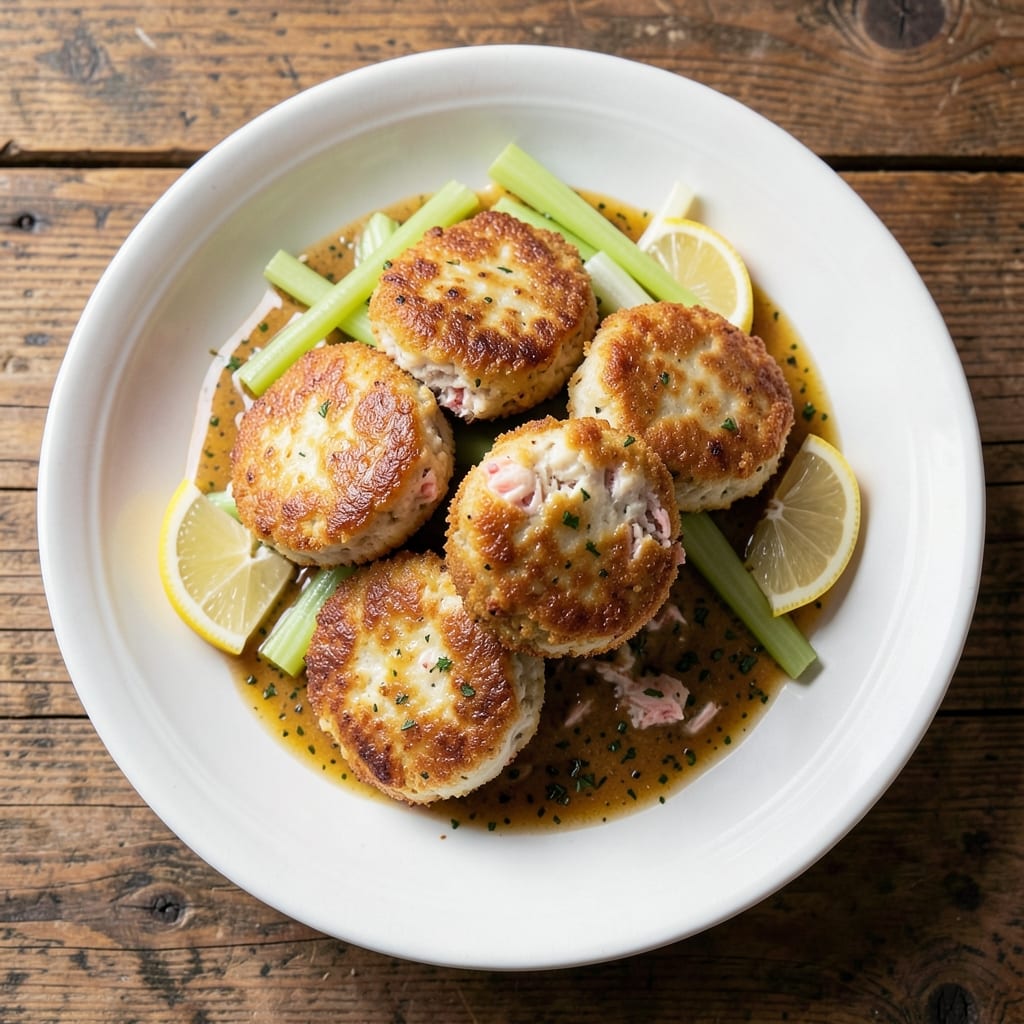
Anthony Bourdain’s crab cakes are legendary for their crispy celery crust and silky yolk-streaked centers—this recipe delivers that perfect balance every time. The secret lies in fresh lump crab meat, a binding agent (mayo or egg), and a double-fry technique that locks in moisture while creating a golden, shatteringly crisp exterior. I’ve replicated his signature method, which transforms simple ingredients into a restaurant-worthy dish that’s worth the effort.
The foundation starts with finely chopped celery, Old Bay seasoning, and a touch of Worcestershire sauce to build deep, savory flavor. Lump crab meat is gently folded into a mixture of mayo and egg, ensuring each bite stays tender while the crust achieves that iconic crunch. Bourdain’s approach to shaping—keeping them thick enough to hold together but thin enough to cook evenly—is critical for that signature texture.
After a quick pan-fry to set the shape, the crab cakes get their final crisp in a hot skillet, where they develop a golden crust that shatters at the touch. Served with a tangy remoulade or lemon wedges, they’re a dish that demands attention—each bite reveals layers of flavor, from the briny crab to the herby crust. This is the kind of recipe that turns a weeknight dinner into an unforgettable experience.
The key to success is patience—don’t rush the cooking, and let the crust develop fully. These crab cakes are perfect for summer gatherings, seafood lovers, or anyone craving a taste of Bourdain’s bold, unapologetic flavors. Ready to master the technique? Let’s get started.
Ingredients for anthony's crab cake
Fresh lump crab meat and crispy celery crust—these ingredients create Bourdain's iconic crab cakes every time.
| Ingredient | Amount | Notes |
|---|---|---|
| Fresh Lump Crab Meat 🦀 | 1 ½ lb | Backfin preferred, no shell pieces |
| Mayonnaise 🥫 | ½ cup | Dijon-style for extra tang |
| Large Eggs 🥚 | 2 whole | Room temperature for even binding |
| Celery Stalk 🧅 | 1 whole | Finely chopped, no strings |
| Old Bay Seasoning 🌶️ | 1 ½ tbsp | Classic blend for signature flavor |
| Worcestershire Sauce 🍶 | 1 tbsp | For umami depth, not too sweet |
| All-Purpose Flour 🌾 | ¼ cup | For light coating before frying |
| Unsalted Butter 🧈 | ½ cup | Melted, for final crisping |
| Lemon Wedges 🍋 | 2 whole | For serving, fresh squeezed |
| Vegetable Oil 🫒 | 1 cup | High smoke point for frying |
| Salt 🧂 | ½ tsp | Kosher or sea salt |
| Black Pepper 🌶️ | ¼ tsp | Freshly ground for heat |
| Chopped Fresh Parsley 🌿 | 0.1 cup | For garnish, flat-leaf preferred |
The crab meat is non-negotiable—backfin lump with no shell pieces gives that luxurious texture. Seafood markets or the seafood counter at Whole Foods usually carry the best quality. If you can't find lump, jumbo chunks work, but pat them dry thoroughly to avoid a soggy cake. The celery should be crisp and pale green, not stringy or yellowing. Chop it finely—almost like a paste—so it distributes evenly through the mixture. Old Bay is the secret weapon here; Penzeys sells the best blend, but the regular grocery store version works fine. Worcestershire sauce adds that savory depth—Lea & Perrins is the gold standard, but any good brand will do.
No mayo? Greek yogurt or avocado mash works as a binder, though texture will differ slightly. Short on Old Bay? Equal parts paprika and cayenne mimics the heat profile. The eggs should be at room temperature—take them out 30 minutes early if they're straight from the fridge. For the celery, if you've got a food processor, pulse it until it's almost paste-like. The flour coating is crucial for that crisp—don't skip it. And always use unsalted butter for frying; salted can make the crust too salty. The vegetable oil should have a high smoke point—light olive oil works, but avoid extra-virgin for frying.
Crab cakes keep best in the fridge for 1 day—they're at their peak freshness. Reheat gently in a skillet with a little butter to restore crispiness. The mixture can be prepped ahead and refrigerated for up to 8 hours before frying. For make-ahead crab cakes, shape them and refrigerate on a tray for 30 minutes before frying to set the shape. Store leftovers in an airtight container with a paper towel on top to absorb any moisture. These are best served immediately, but if you must reheat, low and slow in the oven at 300°F for 10 minutes with a splash of water in the pan to steam.
Why You'll Love This Recipe
- Five-Ingredient Magic: I swear, this recipe feels like cheating—just crab, mayo, eggs, celery, and Old Bay. That’s it. No fancy binders, no confusing ratios, just the good stuff holding it all together. Honestly, my grocery list rarely gets shorter than this.
- Crispy-Creamy Payoff: The secret’s in the pan-searing—golden crust outside, buttery crab center. That Old Bay kick? It’s the kind of flavor that makes you want to eat them straight from the bowl, no sides needed. (Yes, even on a Tuesday night.)
- Tailgate to Tea Party: These work for game day snacks, weekend brunches, or when you’re pretending to be fancy for dinner guests. Freeze half the batch—perfect for lazy mornings or last-minute appetizers. Between us, they’re my go-to for any gathering.
- Leftovers That Don’t Suck: Unlike most crab cakes, these actually taste better the next day. Reheat in a skillet for crispy edges again, or toss cold ones into a salad for a seafood upgrade. I’ve fed a crowd with this recipe and still had enough for lunch. Solid.
Step-by-step instructions for anthony's crab cakes
Here's the precise method that delivers restaurant-quality crab cakes with a perfect celery crust and silky yolk streaks.
Prepare the Crab Mixture
In a large bowl, gently combine the 1.5 lb fresh lump crab meat with the 0.5 cup mayonnaise using your hands or a rubber spatula. The crab should be broken into even-sized chunks—no need to overwork it, just enough to distribute the mayonnaise evenly. This creates the binding that holds the cakes together.
Add the finely chopped celery stalk, 1.5 tbsp Old Bay seasoning, 1 tbsp Worcestershire sauce, 0.5 tsp salt, and 0.25 tsp black pepper. Mix gently until fully incorporated, being careful not to compress the mixture too much. The celery adds structure while keeping the texture light and crispy. You want the mixture to hold together when pressed, but still feel slightly loose—this ensures proper browning and crisping later.
Bind and Chill the Mixture
In a separate small bowl, lightly beat the 2 whole large eggs until just combined—no need to make them frothy, just enough to blend smoothly. Add the eggs to the crab mixture and fold in using a spatula, being careful not to overmix. The eggs will help bind everything together while adding richness to each bite.
Transfer the mixture to an airtight container and refrigerate for at least 30 minutes (up to 2 hours). This chilling step is crucial—it firms up the mixture, making it easier to handle and preventing the cakes from falling apart during frying. The colder temperature also helps the celery release its moisture gradually, creating that perfect crust texture when cooked.
Form and Coat the Crab Cakes
After chilling, remove the mixture from the refrigerator and let it sit at room temperature for 5-10 minutes to soften slightly. Using your hands, gently form the mixture into 4 equal patties, each about ¾-inch thick. Don't press too firmly—just enough to hold their shape. Place them on a plate and lightly dust both sides with the 0.25 cup all-purpose flour, shaking off any excess.
This light flour coating creates a golden-brown crust when fried, while the celery in the mixture ensures a crispy texture without needing additional breading. The flour also helps the cakes hold their shape in the hot oil. Keep the formed cakes covered with a damp paper towel while you prepare the frying station to prevent them from drying out.
Fry to Golden Perfection
Heat 1 cup vegetable oil in a large skillet over medium heat until it reaches 350°F—use a thermometer for accuracy. The oil should be hot enough to sizzle gently when a small piece of crab cake is dropped in, but not smoking. Carefully add the crab cakes and fry for 3-4 minutes per side until they develop a deep golden-brown crust. You'll know they're ready when the edges are crispy and the internal temperature reaches 145°F.
During frying, resist the urge to press down on the cakes—they'll release their own juices as they cook. Once golden, transfer them to a paper towel-lined plate to drain excess oil. The residual heat will continue cooking them slightly, ensuring they finish perfectly without drying out. Keep them warm in a 200°F oven while you prepare the lemon butter sauce.
Finish with Lemon Butter and Garnish
In the same skillet (after removing most of the oil), melt the 0.5 cup unsalted butter over low heat. Add the 2 whole lemon wedges, squeezing them into the butter as it melts. Let the mixture simmer for 1-2 minutes until fragrant, then remove from heat. Taste and adjust seasoning if needed—this sauce should be bright, tangy, and perfectly balanced.
To serve, spoon the lemon butter sauce over the warm crab cakes and garnish each with 0.1 cup chopped fresh parsley. The parsley adds a fresh contrast to the rich, crispy crab cakes, while the lemon butter ties everything together with its bright acidity. Serve immediately with your favorite sides—these crab cakes are best enjoyed fresh while the crust is still crisp and the centers remain silky.
Pro Tips For Making Anthony'S Crab Cake
- Drain the Crab Twice: Fresh lump crab meat holds way more water than you’d think. After picking out shells and cartilage, drain it in a fine-mesh strainer for 5 minutes, then transfer to paper towels and press gently—this keeps your cakes from turning into soggy patties. (Yes, it’s tedious, but trust me, the texture difference is night and day.)
- Mix Just Until Combined: Overworking the crab mixture turns it into a paste, and nobody wants gluey crab cakes. Gently fold the mayo, egg, Old Bay, and finely chopped celery into the crab—just until the ingredients cling together. Stop when you still see flecks of crab; any more mixing and you’ve ruined the tender crumb.
- Use Room-Temp Ingredients: Cold eggs and mayo won’t bind properly, leading to crumbly or greasy cakes. Take the eggs out of the fridge 10 minutes before mixing, and let the mayo sit at room temp if it’s straight from the fridge. Cold ingredients make for a messy, uneven bake—no one wants that.
- Pan-Fry in Batches: Crowding the pan steams the crab cakes instead of searing them, and that’s how you end up with uneven cooking. Use a nonstick skillet and cook them in a single layer over medium-high heat, adding more oil as needed. (About 2 tablespoons per batch—enough to sizzle, not drown.) Patience here means golden crusts, not sad, greasy blobs.
Serving suggestions for anthony's crab cake
Classic Remoulade
Bourdain’s go-to sauce for crab cakes is a tangy, creamy remoulade that cuts through the richness. Mix ½ cup mayonnaise, 2 tbsp ketchup, 1 tbsp Dijon mustard, 1 tbsp hot sauce (like Crystal), 1 tsp Worcestershire sauce, ½ tsp smoked paprika, and a pinch of Old Bay seasoning. Thin with 1-2 tbsp water or lemon juice until it coats the back of a spoon. Dollop generously over the crab cakes before serving—it’s the perfect balance of sweet, spicy, and briny. 🍴
Lemon Aioli
For a brighter, fresher option, whip up a quick lemon aioli by combining ½ cup mayonnaise, 1 tbsp lemon juice, 1 tsp lemon zest, 1 minced garlic clove, and a pinch of salt. Add a splash of water if needed to loosen. Serve in a small bowl for dipping or drizzle lightly over the crab cakes. The acidity brightens the crab’s natural sweetness, and the garlic adds depth. 🍋
Crispy Slaw
A crunchy cabbage slaw adds texture and freshness to the plate. Thinly slice 2 cups green cabbage and 1 carrot, then toss with 2 tbsp mayonnaise, 1 tbsp apple cider vinegar, ½ tsp sugar, and a pinch of salt. Let it sit for 10 minutes to soften slightly before serving alongside the crab cakes. The slight bite of the vinegar and the crunch contrast beautifully with the crispy crust. 🥬
Grilled Vegetables
For a heartier meal, grill zucchini, bell peppers, and asparagus until tender and lightly charred. Toss them with 1 tbsp olive oil, ½ tsp garlic powder, and a pinch of salt. The smoky, charred flavors complement the crab cakes’ richness without overpowering them. Serve warm for a balanced, well-rounded plate. 🔥
Bourdain’s Beer Pairing
Anthony loved a cold American IPA or a crisp wheat beer with his crab cakes. The bitterness in an IPA cuts through the richness, while a Belgian witbier adds a refreshing citrus note that mirrors the lemon in the sauce. For a non-alcoholic option, try a ginger beer—its spicy kick enhances the crab’s brininess. 🍺
Presentation Tips
Plate the crab cakes on a bed of butter lettuce or shaved fennel for height and freshness. Garnish with extra chopped parsley and a sprinkle of flaky sea salt to elevate the dish. Serve with a side of lemon wedges for squeezing over the top at the table—it’s a simple touch that makes the dish feel restaurant-worthy. ✨
Nutrition facts
Frequently asked questions
Why is lump crab meat essential for this recipe?
The lump crab meat is non-negotiable because it creates that signature luxurious texture Bourdain loved. Unlike flaked or chunk crab, lumps stay intact when cooked, delivering a juicy, melt-in-your-mouth bite with each piece holding its shape. The smaller pieces in backfin lump also distribute flavor and moisture evenly throughout the cake.
Can I make these crab cakes ahead of time?
Yes! Shape the cakes and refrigerate them on a tray for 30 minutes to set, then store in an airtight container for up to 1 day. For best results, reheat in a skillet with butter over medium heat for 2-3 minutes per side until crispy again. Avoid microwaving—they’ll lose their texture.
What’s the secret to the perfect crispy crust?
The double-fry technique is key: first pan-fry at 350°F for 3-4 minutes per side to set the shape, then finish in butter to create that golden crust. The finely chopped celery and flour coating also contribute to the crunch, while resisting the urge to press the cakes ensures they stay crispy.
How do I fix crab cakes that fall apart?
Overmixing or skipping the 30-minute chill are common culprits. To salvage them, press the mixture into a pan, chill for 15 minutes, then cut into squares. For frying, use a lower heat (325°F) and add a 1 tbsp extra egg to future batches. Patience is key—don’t rush the process!
What’s the best way to store leftover crab cakes?
Place them in an airtight container with a paper towel on top to absorb moisture. They’ll keep in the fridge for 1 day at most. For longer storage, freeze uncooked shaped cakes (before frying) for up to 1 month. Thaw overnight in the fridge before cooking. Never refreeze after thawing.