
Desserts
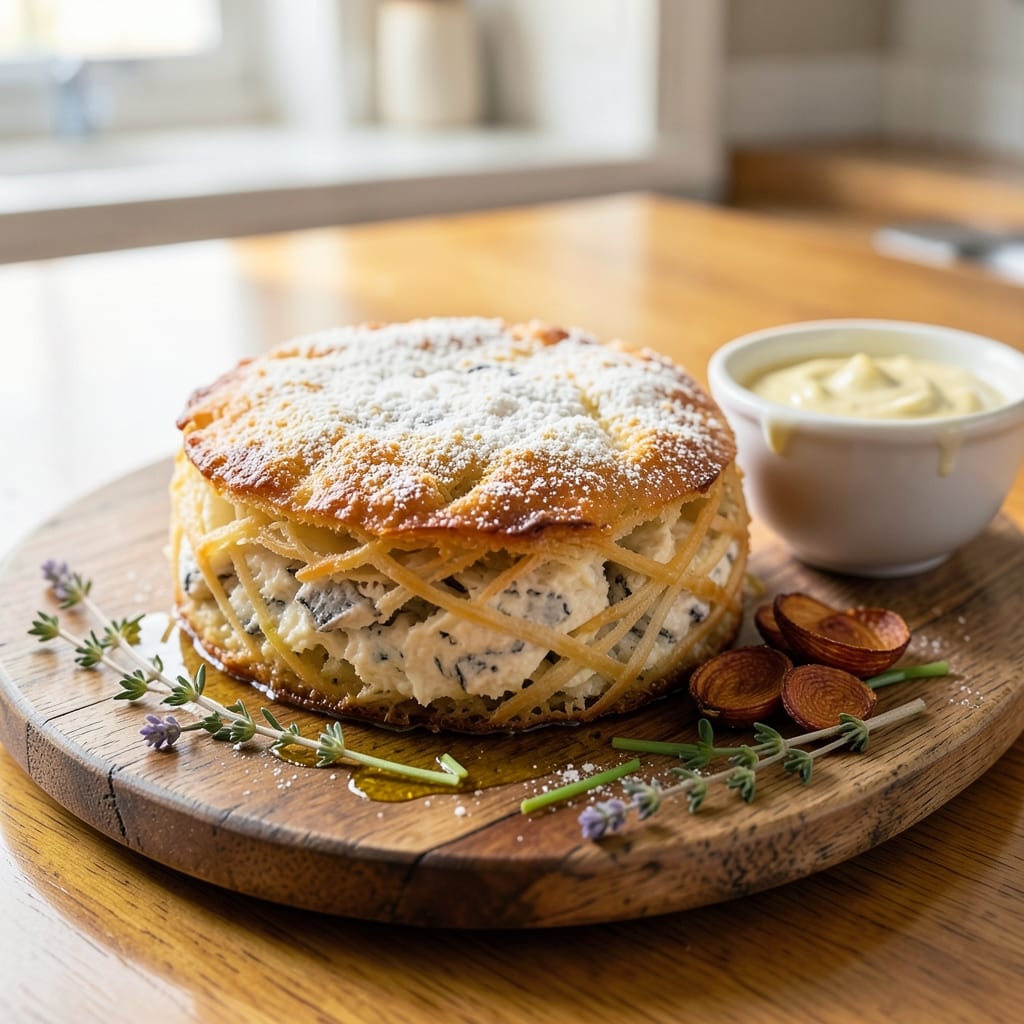
This Antigua saltfish cake recipe brings the vibrant flavors of the Caribbean straight to your kitchen, blending tender saltfish with a light, fluffy batter infused with yogurt and warm spices. The dish is a beloved staple in Antigua, where it’s often served at celebrations and family gatherings, offering a perfect balance of savory and slightly sweet notes. What makes this recipe special is its simplicity—just a few key ingredients transform humble saltfish into something truly extraordinary.
At the heart of this dish is the saltfish, which must be properly soaked and cleaned to remove any saltiness before cooking. Once tender, it’s mixed into a batter of flour, eggs, and yogurt, giving the cake its signature moist yet airy texture. The addition of fresh thyme, scallions, and a touch of hot pepper adds depth, while baking powder ensures a light rise. The result is a cake that’s crisp on the edges and tender inside, with a subtle tang that lingers.
The beauty of Antigua saltfish cake lies in its versatility—it can be enjoyed as a standalone dish or paired with coleslaw, a simple salad, or even a side of pickled vegetables. The dish is deeply rooted in Caribbean tradition, often prepared for special occasions, but its ease makes it perfect for weeknight dinners too. Whether you’re recreating a taste of home or exploring new flavors, this recipe delivers authentic Caribbean comfort.
Ready to bring a taste of Antigua to your table? The process is straightforward, and the reward is a dish that’s as satisfying as it is delicious. Let’s get started on creating this Caribbean classic in your own kitchen.
Ingredients for antigua saltfish cake
Six ingredients transform saltfish into Caribbean comfort food—simple yet extraordinary.
| Ingredient | Amount | Notes |
|---|---|---|
| Saltfish (Dried Cod) 🐟 | 12 oz | Soaked overnight to remove saltiness |
| All-Purpose Flour 🌾 | 2 cups | Sifted for light texture |
| Plain Yogurt 🥛 | 1 cup | Full-fat for creaminess |
| Large Eggs 🥚 | 2 whole | Room temperature for blending |
| Baking Powder 🧂 | 1 tsp | Ensures light rise |
| Salt 🧂 | ½ tsp | Kosher or sea salt |
| Fresh Thyme Leaves 🌿 | 1 tbsp | Chopped finely |
| Scallions 🧅 | 3 whole | Thinly sliced |
| Hot Pepper Sauce 🌶️ | 1 tsp | Optional for heat |
| Olive Oil 🫒 | ¼ cup | For greasing pan |
| Milk 🥛 | ¼ cup | For batter consistency |
| Black Pepper 🌶️ | ¼ tsp | Freshly ground |
| Lemon Juice 🍋 | 1 tbsp | Brightens flavors |
The saltfish is the star here, and soaking is non-negotiable. Look for high-quality saltfish at Caribbean markets or well-stocked seafood counters—it should be firm and not overly salty. If you can't find it fresh, Trader Joe's or Whole Foods often carry it. Soak it in cold water for at least 8 hours, changing the water every 2 hours. The goal is to remove saltiness while keeping the texture tender. Once ready, it should smell clean and be pliable. The yogurt adds richness, so full-fat Greek yogurt is ideal—it keeps the cake moist without making it heavy.
No fresh thyme? Dried thyme at one-third the amount works in a pinch, but fresh is worth hunting down at a Latin market. Scallions can be swapped for green onions or chives, though scallions have a milder bite. The hot pepper sauce is optional, but if you omit it, add a pinch of cayenne or red pepper flakes for depth. For the batter, buttermilk can replace milk and yogurt if needed—just add 1 tsp lemon juice to 1 cup milk. The eggs should be at room temperature for a smoother blend, but if you're in a hurry, microwave them for 30 seconds to soften slightly.
This cake keeps well for 2-3 days in the fridge, wrapped tightly. For longer storage, freeze portions for up to 3 months. Reheat in the oven at 350°F for 10-15 minutes to restore crispiness. The batter can be prepped ahead—store it in the fridge for up to 24 hours before baking. If you're making it for a crowd, double the recipe—it bakes beautifully in a larger pan or as individual muffins. Serve with a simple coleslaw or pickled vegetables for a true Caribbean spread.
Why You'll Love This Recipe
- Saltfish in Minutes: The soaking step might feel like waiting, but once the saltfish is tender, the batter comes together in ten minutes—just mix, pour, bake. No fancy techniques, no stress.
- Yogurt Magic: That tangy yogurt keeps it moist while the baking powder gives it a light, airy lift. Honestly? It’s the secret weapon—crispy outside, tender inside, every time.
- Weeknight or Potluck: Pack it for work, serve it at brunch, or freeze half for later. The flavor holds up, and it’s way easier than fussing with fresh fish. (Yes, even on a Tuesday night.)
- Budget-Friendly Staples: Saltfish stretches far, and the rest? Flour, eggs, yogurt—stuff you already have. I’ll be real: this is how I feed my family without breaking the bank.
Step-by-step instructions for Antigua saltfish cake
Here's how to craft this tender, spiced saltfish cake with a light yogurt texture and vibrant Caribbean flavors.
Prepare the Saltfish Mixture
Begin by draining the soaked saltfish and patting it thoroughly dry with paper towels. This removes excess moisture that could make your cake dense. In a food processor, combine the drained saltfish with the 1 cup plain yogurt, 2 whole large eggs, 1 tbsp fresh thyme leaves, 3 whole scallions (thinly sliced), 1 tsp hot pepper sauce, 1 tbsp lemon juice, 0.5 tsp salt, and 0.25 tsp black pepper. Pulse until the mixture is smooth but still slightly textured—you want to retain some of the saltfish's character.
Transfer the mixture to a medium bowl and set aside. The saltfish should now resemble a thick, flavorful paste with visible flecks of fish. If the mixture appears too thick, add 1-2 tablespoons of milk to help with blending later. This step is critical—properly emulsifying the saltfish ensures a tender cake rather than a dry one.
Combine Dry Ingredients
In a separate large bowl, sift together the 2 cups all-purpose flour and 1 tsp baking powder. This sifting step prevents lumps and ensures an even, light texture in your cake. Make a well in the center of the dry ingredients and pour in the saltfish mixture. Using a rubber spatula, gently fold everything together until just combined—avoid overmixing, as this can develop gluten and make the cake tough.
The batter should be thick but pourable, similar to a dense pancake batter. If it appears too stiff, add another 1 tablespoon of milk to loosen it. The key here is balance: the batter needs enough structure to hold its shape when baked, but not so much that it becomes dense. Let the batter rest for 5 minutes while you prepare your baking pan.
Grease and Pour the Batter
Preheat your oven to 375°F. Lightly grease an 8-inch round cake pan (or a similar-sized baking dish) with 0.25 cup olive oil, ensuring the oil coats the bottom and sides evenly. This prevents sticking and promotes even browning. Pour the batter into the prepared pan and smooth the top with a spatula.
The batter will likely settle as it sits, so don't worry if it doesn't fill the pan completely at first. For extra insurance, you can place the pan on the middle rack of your oven and bake for 30-35 minutes, or until the top is golden brown and a toothpick inserted into the center comes out clean. The cake should spring back slightly when gently pressed—this indicates it's fully baked.
Rest and Serve
Once the cake is fully baked, remove it from the oven and let it cool in the pan for 10 minutes. This allows the cake to set slightly and makes it easier to handle. Transfer the cake to a wire rack and let it cool completely before slicing. The resting period also helps the flavors meld together, giving you that authentic Antigua taste.
Serve the saltfish cake warm or at room temperature. It pairs beautifully with a simple green salad or steamed vegetables. For an extra touch, brush the top with a bit of lemon juice before serving to enhance the bright, citrusy notes. This cake keeps well in the refrigerator for up to 3 days, making it perfect for meal prep or sharing with friends.
Pro Tips For Making Antigua Saltfish Cake
- SOAK SALTED OUT: Soak your saltfish for at least 12 hours, changing the water twice—once after 6 hours and again before using. The first soak pulls out the worst of the salt, but the second rinse is what actually makes the fish tender. (Yes, even if you’re impatient like me, skip the shortcut here.)
- SHRED BY HAND: Tear the saltfish into small, uneven pieces with your fingers—no knife needed. The texture should resemble pulled pork, not thin strips. I learned this the hard way: pre-shredding it makes the cake dense and chewy. (Your future self will thank you.)
- WHISK THE YOGURT: Before mixing, whisk the yogurt until smooth—no lumps, no streaks. Cold yogurt works better, but if yours is thick, add a splash of milk to thin it slightly. I used to just dump it in and wondered why my cakes always had a weird, grainy texture.
- BAKE LOW AND SLOW: Preheat the oven to 325°F (165°C)—not 350°F or higher. Saltfish cakes need time to cook through without drying out. I was skeptical until I tried it: the crust stays crisp, and the inside stays moist. (Does it look weird baking longer? Yes. Does it work? Every single time.)
Regional styles of this antigua saltfish cake
Antiguan Tradition
This dish is deeply rooted in Antigua's culinary heritage, where saltfish cake has been a staple for generations. It originated as a way to use dried salted cod—a preserved protein that could last through long voyages and harsh climates. The addition of yogurt and warm spices like thyme reflects the island's blend of African, British, and Indigenous influences. In Antigua, it's often served at family gatherings, especially during festivals like Carnival, where its savory-sweet balance makes it a crowd favorite. 🌴
Barbados Variation
Our neighbors in Barbados take their version of saltfish cake a step further by adding a touch of sweetness—sometimes even a hint of cinnamon or nutmeg. Their batter often includes a bit of grated coconut for texture, creating a unique contrast to Antigua's more savory profile. The Barbadian version is typically served with a side of spicy pepper sauce or a tangy mango chutney, which cuts through the richness beautifully. I love how their approach balances tradition with a playful twist.
Trinidad Twist
In Trinidad, saltfish cake is sometimes elevated with bold flavors like Scotch bonnet peppers or even a splash of rum in the batter. The Trinidadian adaptation often includes a layer of spiced rum-soaked raisins or currants, adding a fruity depth that's completely unexpected but utterly delicious. This version is perfect if you want to experiment with heat and complexity while keeping the core Caribbean spirit intact. The rum-soaked raisins add a caramelized sweetness that pairs surprisingly well with the saltfish.
Jamaican Adaptation
Jamaica's take on saltfish cake often incorporates jerk seasoning into the batter, giving it a smoky, spicy kick that's unmistakably island-inspired. The Jamaican version might also include a layer of spiced rum or even a hint of allspice, which adds warmth and complexity. It's commonly served with a side of steamed cabbage or a simple jerk chicken to complement the flavors. The jerk seasoning transforms the dish into something even more vibrant and aromatic. 🌶️
Modern Fusion
For a contemporary twist, try adding a layer of sweet potato mash to the batter, inspired by Caribbean comfort food trends. The sweet potato adds natural sweetness and moisture, creating a cake with a marbled effect. Another modern approach is to bake it as muffins—this makes it perfect for brunch or snacking on the go. I've also seen versions with a hint of coconut milk in the batter, adding a tropical richness that's hard to resist. These adaptations keep the dish fresh while honoring its roots.
Sweet vs. Savory
While Antigua's traditional version leans savory, some Caribbean families create a sweeter variation by adding a touch of brown sugar or even a sprinkle of cinnamon to the batter. This sweetened version is often served with a dollop of whipped cream or a drizzle of honey, making it a delightful dessert option. The key is balancing the sweetness with the saltiness of the fish—too much sugar can overpower the delicate flavors. I recommend starting with just 1 tablespoon of brown sugar and adjusting to taste.
Nutrition facts
Frequently asked questions
How long should I soak the saltfish before using it?
Soak the saltfish for at least 8 hours, changing the water every 2 hours to remove excess salt. For best results, soak overnight (12+ hours) in cold water. The fish is ready when it smells clean and feels pliable. Never skip this step—proper soaking prevents a salty, dry cake.
Can I make this recipe without yogurt?
Yes, but the texture will be denser. Replace the yogurt with 1 cup buttermilk or 1 cup milk + 1 tbsp lemon juice. For extra moisture, add 1 tbsp olive oil to the batter. The yogurt adds richness, but these substitutes work in a pinch.
Why did my saltfish cake turn out dry?
Overmixing the batter or under-soaking the saltfish are common culprits. Always mix just until combined, and ensure your saltfish is fully soaked and drained. For extra moisture, add 1-2 tbsp milk to the batter. Baking too long at high heat can also dry it out—check for doneness at 30 minutes.
What’s the best way to store leftovers?
Wrap the cake tightly in plastic or foil and store in the fridge for up to 3 days. For longer storage, freeze portions for 3 months. To reheat, warm at 350°F for 10-15 minutes until crispy. The cake reheats beautifully and tastes almost as good as fresh!
Can I make this into muffins instead of a cake?
Divide the batter into 12 muffin cups (greased) and bake at 375°F for 18-20 minutes. Muffins are perfect for brunch or snacks. For extra flavor, sprinkle sesame seeds or crushed peppers on top before baking. The smaller size ensures even cooking and crispy edges.