
Desserts
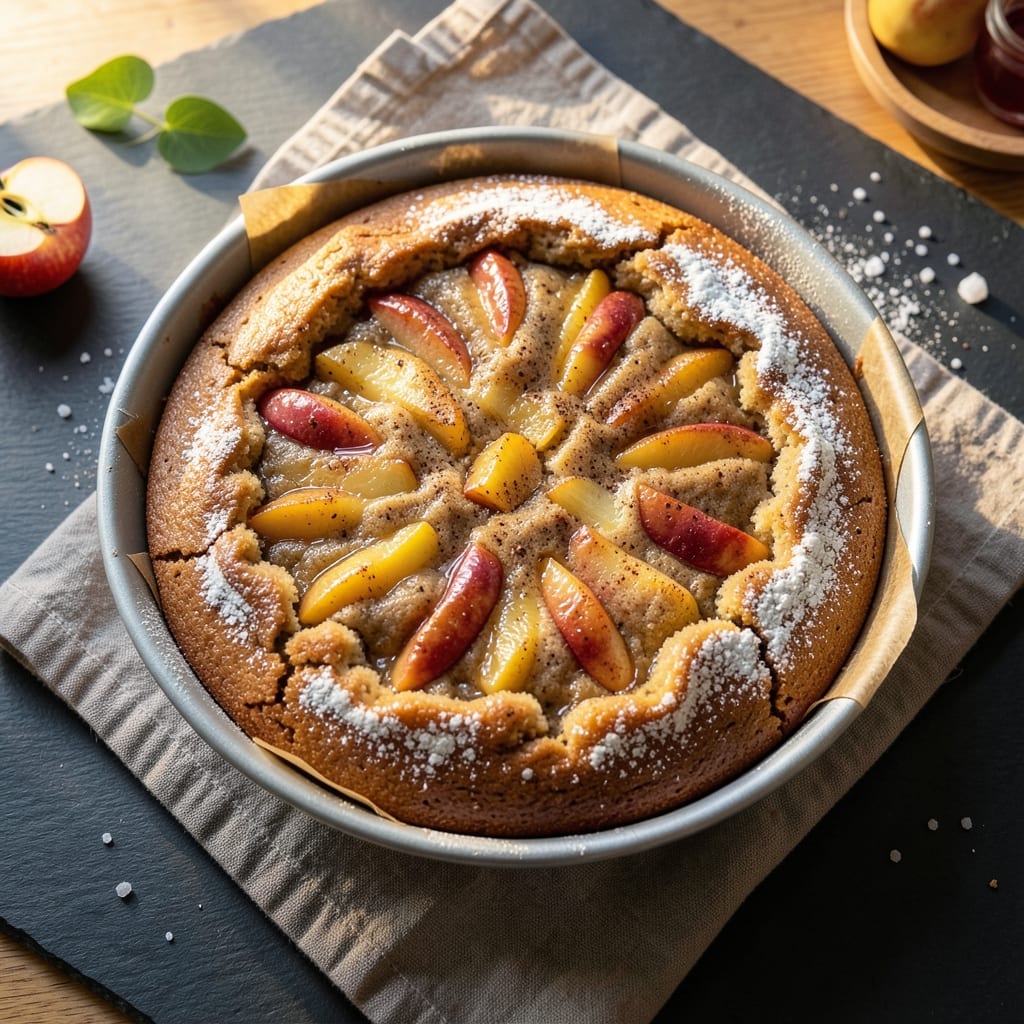
This apple pulp cake recipe transforms humble apple scraps into layers of moist, tender cake with a subtle apple flavor that shines through every bite. The secret lies in the apple pulp—blended from peels and cores—adding natural sweetness and a texture that keeps the cake wonderfully soft for days. I developed this recipe after discovering how much flavor gets wasted when making applesauce, and it’s now a staple in my dessert rotation.
The cake features a spiced frosting twist that complements the apple’s natural tartness, with warm cinnamon and nutmeg notes that deepen the autumnal vibe. Baking at 350°F for 30-35 minutes ensures a golden crust while keeping the interior moist and even. The frosting, made with cream cheese and a touch of apple pulp, ties everything together with a velvety finish that’s impossible to resist.
What makes this recipe stand out is its versatility—it works as a vegan-friendly option (with substitutions) or as a classic crowd-pleaser. The apple pulp not only enhances flavor but also reduces the need for added sugar, making it a lighter yet indulgent treat. Whether you’re celebrating a harvest season or just craving something homely, this cake delivers restaurant-quality results with minimal effort.
For an extra touch, drizzle with caramel or dust with powdered sugar, but the real magic is in the layers themselves—moist, fragrant, and perfectly balanced. Let’s get baking!
Ingredients for apple pulp cake
Transform humble apple scraps into layers of moist, fragrant cake with this precise ingredient lineup.
| Ingredient | Amount | Notes |
|---|---|---|
| Apple Pulp 🍎 | 1 ½ cups | From peels/cores, blended smooth |
| All-Purpose Flour 🌾 | 2 ½ cups | Sifted for even texture |
| Granulated Sugar 🍚 | 1 ½ cups | Light brown preferred |
| Baking Powder 🧂 | 2 tsp | Aluminum-free for best rise |
| Ground Cinnamon 🌿 | 1 ½ tsp | Freshly ground preferred |
| Ground Nutmeg 🌿 | ½ tsp | Finely ground for warmth |
| Salt 🧂 | ½ tsp | Diamond Crystal preferred |
| Large Eggs 🥚 | 2 whole | Room temperature for even baking |
| Unsalted Butter 🧈 | 1 cup | Cold, cubed for frosting |
| Vanilla Extract 🌸 | 1 tbsp | Pure Madagascar preferred |
| Plain Greek Yogurt 🍦 | ½ cup | Full-fat for moisture |
| Cream Cheese 🧀 | 8 oz | Room temperature for frosting |
| Powdered Sugar 🍚 | 2 cups | Sifted for smooth frosting |
| Heavy Cream 🥛 | ½ cup | Cold for whipped frosting |
The apple pulp is the heart of this recipe—organic apples yield the brightest flavor, but any variety works. Whole Foods or local farmers markets often have pre-peeled apple scraps for baking, or save your own from applesauce-making. For the flour, King Arthur brand is ideal—its protein content ensures a tender crumb. The baking powder must be fresh: if it smells musty or fails the float test (drop a spoonful in water), replace it. Nutmeg loses potency quickly, so buy whole and grind fresh if you can—it makes a noticeable difference in the cake's warmth. The Greek yogurt adds moisture without making the cake dense, so full-fat is worth the extra cost for that restaurant-quality texture.
No Greek yogurt? Plain yogurt or sour cream works in a pinch, but reduce by 2 tablespoons to account for water content. Substituting vanilla? Vanilla bean paste gives deeper flavor, though pure extract is fine. For a vegan option, replace eggs with flax eggs (2 tbsp ground flaxseed + 6 tbsp water) and use vegan butter. The butter for frosting should be cold when measured—softened slightly when creamed, but never melted. If powdered sugar clumps, sift it through a fine-mesh sieve before using. The heavy cream should be very cold when whipped to achieve stiff peaks for the frosting.
Store cake layers in an airtight container at room temperature for up to 3 days, or freeze for 3 months wrapped tightly in plastic. The frosting keeps 2 days refrigerated—whip extra and store separately. For serving, bring components to room temperature before assembling. The cake's moisture means it reheats beautifully: 30 seconds in the microwave revives any dryness. Portion frosting into small jars for easy application—piping bags work too if you're feeling fancy.
Why You'll Love This Recipe
- No Waste Magic: I swear by this recipe—it turns bruised apples or peels into something ridiculously good. You’d never guess it’s using what most people toss, and that caramelized apple flavor? Pure satisfaction.
- Spiced Comfort: That cinnamon and sugar combo isn’t just for sprinkling—it’s the secret. The cake has this warm, cozy depth that tastes like autumn in every bite, and honestly? It’s the kind of dessert that makes people pause and say, “Wait, you made this?”
- Weeknight Hero: Mix the batter while you’re waiting for dinner to cook, pop it in the oven, and boom—done. No fancy layers, no waiting for frosting to set. My kids ask for it even on Tuesdays.
- Budget-Friendly Staples: Flour, sugar, and cinnamon? Pantry basics. Apple pulp? Check your fruit bowl. It’s the kind of recipe that costs next to nothing but feels like a treat—no guilt, just flavor. Leftovers? They vanish just as fast.
Step-by-step instructions for apple pulp cake with spiced frosting
This method ensures a perfectly moist cake with apple flavor infused throughout and a velvety spiced frosting.
Prepare the Cake Batter
Preheat your oven to 350°F and grease two 9-inch round cake pans, lining the bottoms with parchment paper. In a large mixing bowl, combine the 1.5 cups apple pulp, 1.5 cups granulated sugar, and 2 whole large eggs at room temperature. Whisk vigorously for 3-4 minutes until the mixture is pale, thick, and fully emulsified—you should see ribbons form when you lift the whisk.
In a separate bowl, sift together the 2.5 cups all-purpose flour, 2 tsp baking powder, 1.5 tsp ground cinnamon, 0.5 tsp ground nutmeg, and 0.5 tsp salt. Gradually add the dry ingredients to the wet mixture, alternating with the 0.5 cup plain Greek yogurt and mixing just until combined. Be careful not to overmix—the batter should be thick but pourable. The yogurt adds moisture while keeping the cake tender.
Bake the Layers Evenly
Divide the batter evenly between the prepared cake pans. Bake for 25-30 minutes, or until a toothpick inserted into the center comes out clean and the tops spring back when gently pressed. Rotate the pans halfway through baking to ensure even browning. The cake should have a golden top with a slightly domed center—this indicates proper doneness.
Remove the cakes from the oven and let them cool in the pans for 10 minutes before transferring to a wire rack to cool completely. This gradual cooling prevents cracking. While the cakes cool, I recommend placing a wire rack over a baking sheet to catch any crumbs that might fall during assembly.
Prepare the Spiced Frosting
In a medium bowl, beat the 8 oz cream cheese (at room temperature) and 1 cup unsalted butter (cold, cubed) together with an electric mixer until smooth and creamy, about 3-4 minutes. Add the 1 tbsp vanilla extract and mix for another 30 seconds to incorporate the flavor. This step is crucial for developing a rich, velvety texture.
In a separate bowl, sift the 2 cups powdered sugar and gradually add it to the cream cheese mixture while mixing on low speed. Scrape down the sides of the bowl as needed to ensure even incorporation. Finally, whip in the 0.5 cup cold heavy cream until light and fluffy, about 2-3 minutes. The frosting should be thick enough to hold its shape but still pipeable—this consistency ensures it won't slide off the cake layers.
Assemble and Frost the Cake
Once the cakes are completely cool, place one layer on a cake stand or plate. Spread a thin layer of frosting over the top to create a "crust," preventing the filling from seeping through. Place the second layer on top and repeat the process, frosting the top and sides of the cake with the remaining frosting. Use an offset spatula to create smooth, even sides, building up the frosting gradually for a professional finish.
For extra flavor, I like to dust the top with a pinch of ground cinnamon and nutmeg right after frosting. Let the cake sit at room temperature for 30 minutes before slicing to allow the frosting to set slightly. Serve at room temperature for the best texture and flavor balance—this cake holds up well for 2-3 days when stored properly in an airtight container.
Pro Tips For Making Apple Pulp Cake
- STRAIN THAT PULP WELL: Apple pulp cake falls flat when you’re lazy with drainage—skip the colander and use cheesecloth or a clean kitchen towel instead. After grating or blending, squeeze out every last drop of moisture, then wring it dry like you’re making almond flour. That extra step keeps your cake from turning into a soggy mess.
- WEIGH YOUR FLOUR (YES, REALLY): Scooping flour from the bag packs it too tightly, and that’s how you end up with a dense, brick-like cake. Use a kitchen scale for 1:1 cups-to-grams conversion (1 cup AP flour ≈ 120g) or spoon it lightly into your measuring cup, then level it off. Your cake’s texture will thank you—promise.
- BAKE UNTIL THE CENTER PASS THE TOOTHPICK TEST: That cake might look done at 325°F after 25 minutes, but if the center still feels gummy when you run a toothpick through it, you’re not there yet. Pull it out when the toothpick comes out with moist crumbs, not wet batter. Underbaking is the #1 reason apple pulp cakes taste underwhelming.
- ADD A PINCH OF SALT: You’ve got sugar, cinnamon, and baking powder—what you’re missing is salt. A scant ¼ teaspoon enhances all the flavors without you even noticing it’s there. Trust me, I’ve made this cake both ways, and the salty version tastes like autumn in a pan. (Your taste buds will notice.)
Creative variations of this recipe
Autumnal Spice Variations
Boost the warmth by adding ½ tsp cardamom or ¼ tsp clove to the dry ingredients—these spices deepen the apple’s natural sweetness while adding complexity. For a cozy twist, swap ½ cup of the apple pulp with mashed roasted butternut squash (about ½ cup) for a subtly earthy flavor. 🍂
If you love caramelized flavors, caramelize ½ cup chopped walnuts in 1 tbsp butter until golden, then fold them into the frosting for a crunchy contrast. A sprinkle of toasted cinnamon sugar on top before baking adds a sweet, aromatic crust.
Fruit-Inspired Twists
For a berry-apple fusion, blend ½ cup mixed berries (raspberries or blackberries)strong> with the apple pulp before mixing into the batter. The berries add a tart brightness that balances the cake’s sweetness. Alternatively, swap ½ cup of the Greek yogurt for ricotta cheese—it adds richness and pairs beautifully with the apple.
Citrus lovers can zest 1 lemon or orange and fold it into the frosting for a bright, refreshing contrast. A drizzle of orange glazestrong> (powdered sugar + orange juice) over the finished cake elevates the presentation and adds a zesty kick.
Global Flavor Adaptations
Transform this cake into a Japanese-inspired matcha version by replacing ½ cup of the flourstrong> with 2 tbsp matcha powder and adding 1 tsp vanilla bean paste to the frosting. The earthy matcha complements the apple’s sweetness beautifully. For a Mexican twist, fold ½ cup chopped dried apricotsstrong> into the batter and top with a dusting of tajín for a sweet-spicy finish.
A Swedish-style cardamom cake swaps the nutmeg for 1 tsp cardamomstrong> and adds ½ cup chopped almondsstrong> to the batter. The frosting can be lightened with whipped creamstrong> instead of heavy cream for a lighter texture. 🌍
Dietary-Friendly Swaps
For a gluten-free version, replace the all-purpose flour with a 1:1 gluten-free baking blendstrong> (like Bob’s Red Mill) and add ½ cup almond flourstrong> for moisture. The apple pulp helps bind the crumb without compromising texture. For a lower-sugar option, reduce the granulated sugar to 1 cupstrong> and sweeten the frosting with 1 cup monk fruit sweetenerstrong> blended with powdered sugar.
Make it vegan by using flax eggsstrong> (2 tbsp ground flaxseed + 6 tbsp water) and vegan butter for the frosting. Replace the Greek yogurt with coconut yogurt and the cream cheese with cashew cream (blend 8 oz soaked cashewsstrong> with 2 tbsp lemon juicestrong> until smooth). The frosting will still be rich and creamy! 🌱
Nutrition facts
Frequently asked questions
Can I use store-bought applesauce instead of fresh apple pulp?
Yes, but with adjustments! Use 1.5 cups unsweetened applesauce and reduce the sugar to 1 cup to avoid over-sweetness. The texture will be slightly denser since applesauce lacks the natural fiber of pulp. For best flavor, choose unsweetened applesauce with no added spices.
Why did my cake turn out dense instead of moist?
Overmixing the batter or using old baking powder are common culprits. Mix just until combined (about 1 minute after dry ingredients are incorporated) and ensure your baking powder is fresh (test by dropping a spoonful in water—it should fizz). Also, don't skip the 10-minute cooling period in pans before transferring.
How can I make this recipe gluten-free?
Replace the all-purpose flour with a 1:1 gluten-free baking blend (like Bob's Red Mill) and add ½ cup almond flour for moisture. The apple pulp helps bind the crumb naturally. For the frosting, ensure your powdered sugar is gluten-free certified, and use dairy-free butter if needed.
Can I bake this cake in a single layer instead of two?
Use a 9x13-inch pan and reduce baking time to 25-30 minutes. For a taller cake, try a 9-inch springform pan and bake for 40-45 minutes. The frosting quantity remains the same—just spread it evenly over the top. Single-layer cakes are perfect for sheet cakes or dessert bars!
What’s the best way to store leftover cake?
Store layers in an airtight container at room temperature for up to 3 days, or freeze for 3 months. Keep frosting separate and refrigerate it—whip again before using. To revive stale cake, wrap it in foil and warm at 300°F for 5-10 minutes or microwave for 10-15 seconds.