
Desserts
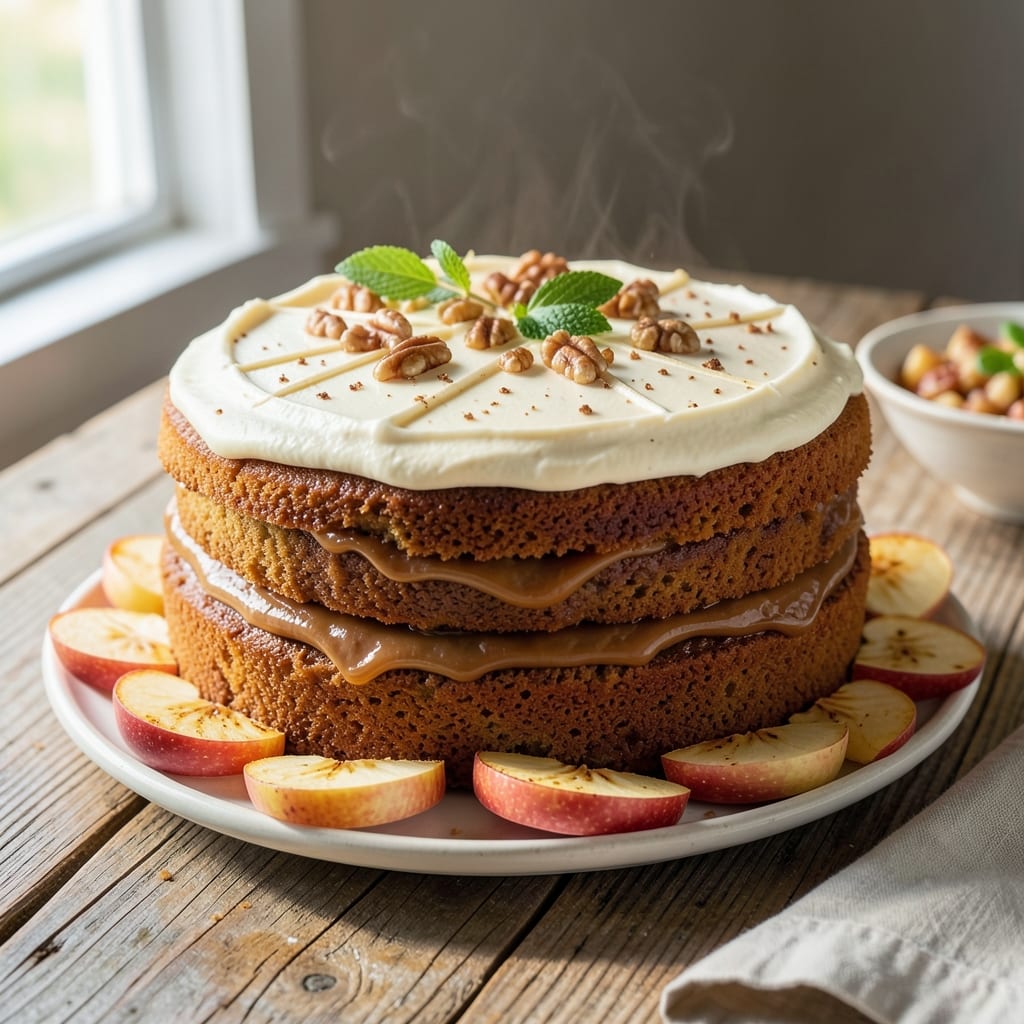
This applebutter cake recipe transforms simple ingredients into layers of moist, spiced perfection that tastes like autumn in every bite. The secret lies in blending apple butter directly into the batter, creating a tender crumb infused with warm cinnamon, nutmeg, and vanilla. I developed this recipe during a particularly chilly fall weekend when I needed something comforting yet impressive enough to share.
The cake's magic comes from a foolproof mixing method that ensures even moisture distribution—no dry crumbs here. A touch of brown sugar adds depth, while a light streusel topping (optional but recommended) gives it that bakery-style texture. The aroma alone will have your kitchen smelling like a cozy farmhouse kitchen, and the flavor? Pure nostalgia with a modern twist.
What you'll end up with is a golden-brown cake with a tender crumb that holds up beautifully to slicing. The apple butter flavor shines through without overpowering, creating a balance that's both familiar and exciting. Each slice delivers that perfect combination of softness and subtle spice, making it ideal for holidays, brunch, or even a quiet afternoon treat.
For extra flair, dust with powdered sugar or drizzle with caramel before serving. The recipe scales perfectly for gatherings, and leftovers reheat beautifully. Let's get baking—this cake is worth every minute of the wait.
Ingredients for applebutter cake
Transform simple pantry staples into layers of spiced perfection with these carefully chosen ingredients.
| Ingredient | Amount | Notes |
|---|---|---|
| All-Purpose Flour 🌾 | 2 ½ cups | Sifted for even texture |
| Unsalted Butter 🧈 | 1 cup | Cold, cubed for even mixing |
| Light Brown Sugar 🍯 | 1 ½ cups | Packed firmly for accuracy |
| Granulated Sugar 🍚 | ½ cup | For subtle sweetness balance |
| Large Eggs 🥚 | 2 whole | Room temperature for smooth batter |
| Vanilla Extract 🌸 | 2 tsp | Pure, high-quality preferred |
| Apple Butter 🍎 | 1 cup | Unsweetened for balanced flavor |
| Ground Cinnamon 🌿 | 2 tsp | Freshly ground for aromatic depth |
| Ground Nutmeg 🌿 | ½ tsp | Freshly grated preferred |
| Ground Allspice 🌶️ | ¼ tsp | For subtle warmth |
| Baking Powder 🧂 | 2 tsp | Freshly opened for leavening |
| Salt 🧂 | ½ tsp | Fine sea salt preferred |
| Whole Milk 🥛 | ¾ cup | Room temperature for smooth batter |
| Powdered Sugar 🍚 | ¼ cup | For dusting finished cake |
| Old-Fashioned Rolled Oats 🌾 | ½ cup | For streusel topping (optional) |
| Light Brown Sugar 🍯 | ¼ cup | Packed for streusel texture |
| Melted Butter 🧈 | ¼ cup | Cool slightly before mixing |
The apple butter is non-negotiable here—unsweetened varieties like Mott's or Wright's from the baking aisle ensure perfect flavor balance. For the flour, King Arthur or Gold Medal brands guarantee the right protein level for tender crumb. The brown sugar should be lightly packed to avoid excess moisture, and the vanilla extract must be pure (no imitation). If you're using store-bought apple butter, check the sugar content—some brands add extra sweetness that can throw off the balance. For the streusel topping, old-fashioned oats create that perfect crunch, and the melted butter should be cool enough to mix but still fluid.
No apple butter? Unsweetened applesauce with added cinnamon works in a pinch, though texture will differ slightly. Substituting granulated sugar for brown sugar reduces moisture, so adjust by adding 1 tbsp extra milk to compensate. For the streusel, crushed graham crackers or chopped pecans can replace oats. The baking powder must be fresh—old powder loses its lift, leading to dense cake. If you don't have vanilla extract, vanilla bean paste or even a scraped vanilla bean works. For nutmeg, freshly grated always wins, but if you're using pre-ground, toast the nutmeg seeds first to intensify the flavor.
Store flour and baking powder in airtight containers away from heat to preserve freshness. The cake batter can be mixed ahead and refrigerated for up to 24 hours—just let it sit at room temperature before baking. Leftover cake keeps well wrapped at room temperature for 3 days or in the fridge for 5 days. For longer storage, slice and freeze portions for up to 3 months. The streusel topping can be prepped separately and stored in the fridge for 3 days before baking. Reheat slices in the oven at 300°F for 5-10 minutes to restore moisture.
Why You'll Love This Recipe
- One-Bowl Wonder: I swear by this recipe when I’m too tired to wash a million bowls. Mix everything in one—flour, melted butter, sugars, eggs, and that rich apple butter—then pour and bake. No fuss, no stress, just cake.
- Spiced Warmth: That brown sugar and apple butter combo? It’s like autumn in a box. The molasses notes from the brown sugar play so well with the tangy-sweet apple butter, and the eggs keep it moist without being heavy. Honestly, it’s the kind of flavor that makes people ask for seconds before they even finish their first slice.
- Crowd Pleaser: I’ve brought this to potlucks, birthday parties, and even my mom’s Thanksgiving table. It’s sweet enough for dessert but not cloying, so it works for brunch too. Plus, the leftovers? They last a week if you can resist them that long.
- Budget Magic: Here’s what sold me—it’s cheap to make but feels special. The butter and sugars are the priciest parts, but they go a long way. A single batch feeds six, and the ingredients won’t break the bank. (Yes, even on a Tuesday night.)
Step-by-step instructions for applebutter cake
Here's the method for crafting a moist, spice-infused cake that delivers on every bite.
Prepare Your Cake Pans and Preheat the Oven
Begin by greasing two 9-inch round cake pans thoroughly with the 1 cup unsalted butter, then line the bottoms with parchment paper circles cut to fit. I use a pastry brush for even distribution—this prevents sticking and makes removal effortless. Preheat your oven to 350°F while you prepare the batter, ensuring even heat distribution for consistent baking.
Here's the thing—don't skip the butter greasing. I've learned the hard way that even high-quality pans can stick if not properly prepared. The butter should coat the pans completely, including the sides, and the parchment should sit flush against the bottom. This preparation guarantees your cake will release cleanly without tearing.
Cream Butter and Sugars for Maximum Moisture
In a stand mixer fitted with the paddle attachment, beat the 1 cup unsalted butter (cold, cubed) with the 1.5 cups light brown sugar and 0.5 cup granulated sugar on medium speed for 3-4 minutes. You're aiming for a light, fluffy texture that nearly doubles in volume—this incorporates air that will create a tender crumb. The butter should be completely smooth with no visible lumps.
I press down gently on the butter mixture during the first minute to break it down evenly. This ensures the butter emulsifies properly with the sugars, creating a stable base for the cake. If your butter starts to look too pale or grainy, increase the speed briefly to high for 10 seconds to re-emulsify. The goal is that ribbon stage where the mixture clings to the paddle in smooth, glossy ribbons.
Incorporate Wet Ingredients and Apple Butter
Add the 2 whole large eggs (room temperature) one at a time, mixing on low speed for 30 seconds after each addition until fully incorporated. Then add the 2 tsp vanilla extract, 1 cup apple butter, 0.75 cup whole milk, 2 tsp baking powder, 0.5 tsp salt, 2 tsp ground cinnamon, 0.5 tsp ground nutmeg, and 0.25 tsp ground allspice. Mix on low speed just until combined—you should still see a few flour streaks.
The apple butter adds natural moisture and depth of flavor, but don't overmix here. Overworking the batter develops gluten, which leads to a tough cake. I use a silicone spatula to gently fold in the apple butter after adding the dry ingredients—this preserves the cake's tender texture while distributing the flavor evenly. The batter should be thick but pourable, with a rich, spiced aroma that fills your kitchen.
Fold in the Flour and Divide the Batter
With the mixer on low speed, gradually add the 2.5 cups all-purpose flour (sifted) in two additions, mixing just until the flour disappears. The batter should be smooth with no visible flour pockets. Divide the batter evenly between your prepared cake pans, filling each about ⅔ full. Tap the pans gently on the counter to remove any air bubbles that might have formed during mixing.
Here's where precision matters: use a kitchen scale if you're unsure about equal division. Uneven distribution leads to uneven baking. I like to weigh the batter in the pans to ensure they're identical—this guarantees both layers will bake at the same rate. The batter should sit just below the pan edges, allowing room for the cake to rise without overflowing.
Bake to Perfect Doneness
Bake the cakes for 25-30 minutes, or until a toothpick inserted into the center comes out clean with just a few moist crumbs clinging to it. The edges should be golden brown, but the tops might still look slightly underdone—they'll firm up as they cool. Don't open the oven door during the last 10 minutes of baking, as this causes the cakes to sink.
I check for doneness at the 25-minute mark—your oven might run hot, so start checking early. The cake is done when it springs back slowly when gently pressed in the center. Remove the cakes from the oven and let them cool in their pans for 10 minutes, then transfer to a wire rack to cool completely. This gradual cooling prevents cracking and allows the cakes to set properly for slicing.
Prepare the Streusel Topping (Optional)
While the cakes cool, prepare the optional streusel topping by combining the 0.5 cup old-fashioned rolled oats, 0.25 cup light brown sugar, and 0.25 cup melted butter in a bowl. Mix with your fingers until the oats are evenly coated. The mixture should hold together when pressed—if it's too dry, add 1 tsp whole milk to bind it.
Spread this topping evenly over the cooled cake layers before assembling. The warm streusel will soften slightly when the cake is sliced, adding texture contrast to each bite. If you're assembling the cake immediately, you can skip this step and add the topping after frosting, but I find it's best applied before the final assembly for even distribution.
Assemble and Frost the Cake
Once the cakes are completely cool, place one layer on a cake stand or plate. Dust the top with a thin layer of the 0.25 cup powdered sugar to help the frosting adhere. Spread a thin layer of apple butter (about 2 tbsp) over the cake layer, then place the second layer on top. This apple butter layer adds moisture and flavor between the layers.
Apply a thin crumb coat of frosting made from the remaining apple butter mixed with powdered sugar as needed to achieve a smooth, spreadable consistency. Chill the cake in the refrigerator for 15 minutes, then apply the final layer of frosting. The frosting should be smooth and even—use a bench scraper for clean edges. The cake is now ready to serve, with warm apple butter and spice flavors in every moist bite.
Pro Tips For Making Applebutter Cake
- CREAM THE BUTTER SUGAR WELL: I learned this the hard way—skipping the extra 30 seconds of creaming the butter, brown sugar, and eggs until it’s pale (not just light) makes the cake denser. The butter should look like wet sand, not clumpy dough. Yes, it’s tedious, but it’s the thing that matters most for that tender crumb.
- USE ROOM-TEMP BUTTER: Cold butter pockets of water that turn your cake into a brick. Take the butter out of the fridge 1-2 hours before mixing—no microwave shortcuts. I know, I know, but trust the process: room-temp butter blends smoother and creates air pockets for a lighter texture.
- DON’T OVERMIX THE BATTER: Once you fold in the dry ingredients, stop after just combining. Overmixing develops gluten, and your cake will turn out tough instead of soft. The batter should look shaggy, not smooth. I’ve ruined cakes this way—don’t be that person.
- STORE APPLEBUTTER IN FRIDGE: If you’re prepping ahead, refrigerate the apple butter (yes, even if the recipe doesn’t say to). Cold apple butter mixes more evenly into the batter and prevents a gummy texture. Plus, it’s easier to measure straight from the fridge—no sticky messes. Your future self will thank you.
Wine and beer pairings for this applebutter cake
Warm Spice Wines
For this cozy cake, I reach for dry Riesling from Germany—its crisp acidity and subtle honeyed notes complement the apple butter's warmth without overpowering. The 2021 Dr. Loosen Blue Slate is my go-to, with its bright citrus and mineral finish cutting through the richness. 🍷
A Gewürztraminer from Alsace also works beautifully, especially if your apple butter has a touch of sweetness. The lychee and rose aromas in Domaine Weinbach enhance the spice profile while adding an exotic twist. Serve slightly chilled to balance the cake's warmth.
Spiced Beer Pairings
For beer lovers, a Belgian-style spiced ale is perfect—try Allagash Seasonal with its cinnamon and orange peel notes. The malty sweetness and spice mirror the cake's flavors while adding a refreshing effervescence. 🍺
A dark American ale like Deschutes The Abyss provides a smoky depth that pairs wonderfully with the nutmeg and allspice. The roasted malt notes contrast the cake's tenderness, creating a complex flavor experience. Serve at room temperature for best results.
Creamy Dessert Wines
If you prefer something sweeter, a late-harvest Riesling from Washington State—like Chateau Ste. Michelle—adds a luxurious touch. Its honeyed apple and peach flavors harmonize with the cake's spice profile while providing a velvety finish. 🍇
For a truly indulgent pairing, try a Banyuls from France, a fortified wine with dried fruit and chocolate notes. The rich, jammy character complements the cake's depth while adding a sophisticated aftertaste.
Non-Alcoholic Options
For those skipping alcohol, a sparkling apple cider like Martinelli's with a cinnamon stick garnish captures the cake's essence. The effervescence cleanses the palate between bites, while the apple flavor ties everything together. 🍎
A spiced chai tea served warm with a splash of milk offers a comforting alternative. The cardamom and clove notes in Bigelow Chai enhance the cake's spice profile without competing for attention.
Nutrition facts
Frequently asked questions
Can I make this apple butter cake without a mixer?
Use a sturdy wooden spoon or whisk to cream the butter and sugars until light and fluffy—just mix vigorously for about 5-7 minutes until the mixture doubles in volume. For the wet ingredients, whisk them in one at a time, then gently fold in the flour with a spatula. The key is patience—keep mixing until the batter is smooth but don't overwork it.
How do I store leftovers to keep them moist?
Wrap the cake tightly in plastic wrap, then place it in an airtight container with a slice of bread or apple to absorb moisture. Store at room temperature for up to 3 days, or refrigerate for 5 days. To revive stale slices, warm them in the oven at 300°F for 5-10 minutes or microwave for 10-15 seconds with a damp paper towel.
What's the best way to adjust this recipe for a single layer cake?
Use a 9x13-inch pan and reduce the batter by 30% (about 1.75 cups flour, 0.75 cup butter, and 0.75 cup sugars). Bake at 350°F for 35-40 minutes, checking doneness with a toothpick. The baking time may vary slightly due to the pan shape—start checking at 30 minutes.
Can I substitute apple butter with something else?
Yes! For a similar texture, use unsweetened applesauce (1 cup) mixed with 1 tsp cinnamon and ½ tsp vanilla. For extra richness, replace with ½ cup mashed ripe bananas + ½ cup caramel sauce. Just note that homemade substitutes may slightly alter the flavor balance—adjust sweetness to taste after baking.
Why did my cake turn out dense instead of moist?
Overmixing develops gluten, making the cake tough. Mix just until combined (a few flour streaks remain). Also check these: old baking powder (replace with fresh), under-creamed butter/sugar (mix until light), or overbaking (remove when toothpick comes out with moist crumbs). For extra moisture, brush warm cake layers with simple syrup before assembling.