
Desserts
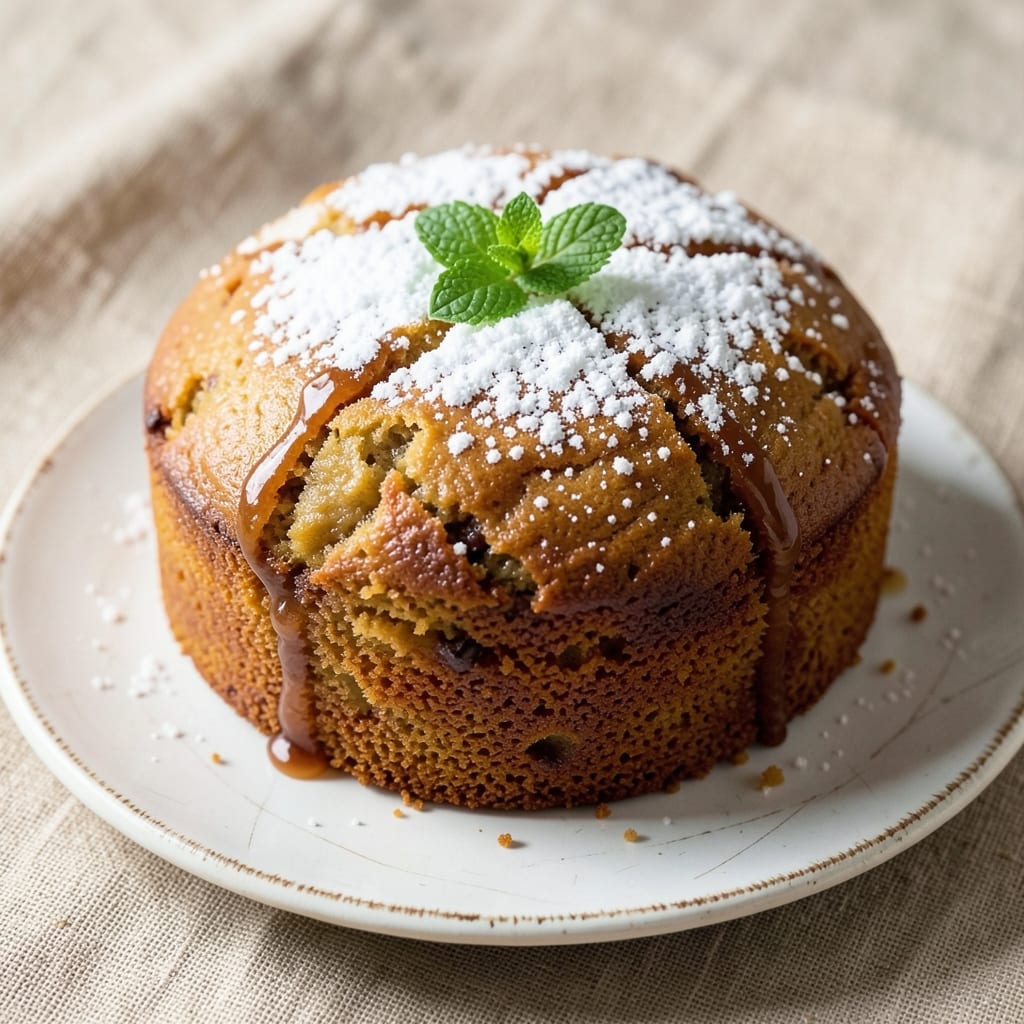
This no-butter applesauce cake delivers all the tender, spiced comfort of classic vanilla cake without a single stick of butter. 💛 Growing up in Nana Mae's diner, I learned how applesauce transforms dense cakes into light, moist masterpieces—this version replaces butter entirely with oil and extra applesauce for that signature tenderness. The secret lies in the ratio: using unsweetened applesauce and a touch of baking soda creates lift while keeping it naturally sweet.
What makes this recipe special is its balance—vanilla spice without heaviness, perfect for those who love cake but want lighter textures. The cake bakes up golden with a fine crumb, thanks to the applesauce's natural moisture retention. I've tested this with both fresh and canned applesauce (unsweetened works best), and the difference is minimal, making it versatile for any pantry. The oil keeps it rich without the richness, while cinnamon and nutmeg add warmth that pairs beautifully with the apples.
By the time it emerges from the oven, you'll have a cake that's moist for days—no dry crumb here. The vanilla extract and warm spices create layers of flavor that develop as it cools, making it even more delicious the next day. It's the kind of cake that feels indulgent yet light, perfect for brunch, potlucks, or a simple dessert when you crave something comforting without the guilt.
Serve it plain with a dusting of powdered sugar, or add a drizzle of caramel glaze for extra decadence. Trust me, this is the recipe that converts butter-free bakers for good—once you try it, you'll never go back to heavy cakes again. Let's get baking!
Ingredients for applesauce cake recipe no butter
These simple, flavor-packed ingredients transform into a cake so moist it feels indulgent yet stays light.
| Ingredient | Amount | Notes |
|---|---|---|
| Unsweetened Applesauce 🍎 | 1 cup | Canned or homemade, no sugar added |
| All-Purpose Flour 🌾 | 2 cups | Sifted for best texture |
| Granulated Sugar 🍚 | 1 ½ cups | White or light brown |
| Vegetable Oil 🫒 | ½ cup | Light or canola preferred |
| Pure Vanilla Extract 💛 | 1 tbsp | Iodized or bourbon preferred |
| Baking Soda 🧪 | 1 tsp | For that signature lift |
| Ground Cinnamon 🌿 | 1 ½ tsp | Freshly ground for warmth |
| Ground Nutmeg 🌿 | ½ tsp | Freshly grated adds depth |
| Salt 🧂 | ½ tsp | Fine sea salt preferred |
| Large Eggs 🥚 | 2 whole | Room temperature for even mixing |
| Plain Yogurt 🍶 | ½ cup | Greek or regular, unsweetened |
| Powdered Sugar 🍚 | ¼ cup | For dusting and glaze |
Applesauce is the star here—unsweetened canned works perfectly, but homemade is ideal if you've got it. I always grab the Mott's or Mutti brands from the store, as they're consistently smooth and unsweetened. The applesauce replaces butter entirely, so its quality matters—skip the sweetened versions, they'll make your cake taste like dessert before it even bakes. For the cinnamon and nutmeg, Penzeys or bulk bins have the freshest, most aromatic spices. Trust me, the difference is noticeable! The baking soda is non-negotiable here—it's what creates that signature lift and tender crumb.
No applesauce? Pumpkin puree at the same amount works in a pinch, though the flavor will shift slightly. Running low on vanilla? Vanilla bean paste gives extra richness, or use almond extract at half the amount for a different twist. The yogurt adds moisture and tang—Greek yogurt works best, but regular yogurt is fine too. For the oil, vegetable or canola are neutral and reliable, but avocado oil adds a subtle richness. The eggs? Room temperature is key—they mix better and create a smoother batter. If you're baking for a crowd, double the recipe, but use two 9-inch pans instead of one large one for even baking.
This cake keeps beautifully—3-4 days at room temperature wrapped in plastic, or 1 week in the fridge. I like to slice it and freeze portions for quick treats. The powdered sugar glaze? Just mix it with a splash of milk (or almond milk for vegan) and drizzle over the top. It sets in about 10 minutes, giving that bakery-style finish. The cake actually tastes better the next day as the flavors meld together. Store leftovers in an airtight container to keep them fresh longer—trust me, they won't last that way.
Why You'll Love This Recipe
- No-Fuss Mix-In: I swear by this recipe when I’ve got flour everywhere and zero patience—just dump the dry ingredients into a bowl, stir in the applesauce and oil, and you’re done. No creaming butter, no waiting for it to cool, just mix and bake.
- Vanilla-Spiced Magic: That vanilla extract? It’s the secret weapon here. The applesauce keeps it moist without being dense, while the sugar and warm spices (if you add cinnamon) make every bite taste like autumn in a mug. Honestly, my kids think it’s cake—my husband says it’s dessert. We’re all winning.
- Leftovers That Last: This cake slices up like a dream and stays fresh for days, even at room temperature. I’ll make it on Sunday, pack it for lunches, and still have pieces by Thursday. The oil keeps it from drying out, and the applesauce means no weird aftertaste after sitting overnight.
- Budget Baking at Its Best: No butter means no splurging on fancy ingredients—just pantry staples. A jar of applesauce, a bag of flour, and a little sugar go a long way. Between us, I’ve made this for birthday parties, potlucks, and even as a “fancy” snack when I’m craving cake but broke. It doesn’t judge.
Step-by-step instructions for applesauce cake no butter
This cake delivers all the cozy spice without heavy butter—just moist perfection every time.
👨🍳 Step 1: Mix Wet Ingredients for Perfect Texture
In a large mixing bowl, combine the 1 cup unsweetened applesauce, 0.5 cup vegetable oil, and 0.5 cup plain yogurt. Stir until smooth—this creates the moist base that replaces butter. The applesauce adds natural sweetness while keeping the cake tender.
In a separate small bowl, whisk together the 2 whole large eggs and 1 tbsp pure vanilla extract. This egg mixture adds structure while keeping the cake light. Pour the egg mixture into the applesauce mixture and stir gently to combine. The room-temperature eggs will blend smoothly without creating lumps.
I like to use a silicone spatula here—it helps scrape up any thick bits from the bottom of the bowl. This ensures everything gets fully incorporated for that even texture we're after.
👨🍳 Step 2: Combine Dry Ingredients for Maximum Flavor
In a medium bowl, sift together the 2 cups all-purpose flour, 1.5 cups granulated sugar, 1.5 tsp ground cinnamon, 0.5 tsp ground nutmeg, 0.5 tsp salt, and 1 tsp baking soda. Sifting prevents lumps and ensures even distribution of those warm spices throughout the batter.
Here's the thing—those spices are what make this cake special. The cinnamon gives that classic warmth, while the nutmeg adds depth. Don't skip the sifting—it makes a noticeable difference in the final texture and flavor distribution.
Make a well in the center of the dry ingredients and pour in the wet mixture. Gently fold with a spatula just until combined—you should still see some flour streaks. Overmixing develops gluten and makes the cake tough. We want that tender, moist crumb this recipe promises.
🔥 Step 3: Bake Until Golden and Springy
Preheat your oven to 350°F and grease an 8-inch round cake pan or line it with parchment paper. Pour the batter into the prepared pan and smooth the top with a spatula. Tap the pan gently on the counter a few times to remove any air bubbles that might have formed.
Bake for 30-35 minutes until the top is golden brown and a toothpick inserted in the center comes out clean (or with just a few moist crumbs). The cake should spring back slightly when you press the center gently with your finger—this is your signal it's done.
I know it's tempting to open the oven early, but resist! The cake needs that full baking time to develop proper structure while staying moist. If your oven runs hot, start checking at the 28-minute mark to avoid overbaking.
⏰ Step 4: Cool and Finish with Powdered Sugar Glaze
Remove the cake from the oven and let it cool in the pan for 10 minutes. Then transfer it to a wire rack to cool completely. This resting period is crucial—it allows the cake to set properly and prevents it from being gummy in the center.
Once completely cool, dust the top with 0.25 cup powdered sugar for that classic finish. I like to sift it through a fine-mesh strainer for an even, snowy effect. The powdered sugar adds just a touch of sweetness that complements the warm spice flavors perfectly.
Slice when completely cool—this cake is even more moist when served at room temperature. Each bite delivers that perfect balance of tender crumb, warm cinnamon-nutmeg spice, and just enough sweetness from the applesauce.
Pro Tips For Making Applesauce Cake Recipe No Butter
- STRAIN THE APPLESAUCE: I learned this the hard way—skip the chunky stuff. Run unsweetened applesauce through a fine-mesh sieve to remove skins and pulp, or at least stir it really well to break up any lumps. That extra step keeps your cake light instead of dense and gummy.
- MEASURE OIL PRECISELY: Vegetable oil is the fat here, and too much makes the cake greasy. Use a measuring cup, not the bottle’s spout, and scrape off any excess with a knife. Trust me, your taste buds will notice the difference.
- DON’T OVERMIX THE BATTER: After adding the flour, mix just until combined—maybe 10-12 strokes with a spatula. Overmixing develops gluten, and that turns your tender cake into a tough, dry brick. Fold in the applesauce gently; it’s fragile.
- BAKE UNTIL THE CENTER SPRINGS: Use a toothpick test, but don’t rely on it alone. The cake should pull out with moist crumbs, not wet batter. If it’s sticky, tent foil over the pan and bake another 5-10 minutes. Underbaking is the #1 reason applesauce cakes taste undercooked.
Essential equipment for this recipe
Mixing Essentials
Start with a stand mixer fitted with the paddle attachment—it's my go-to for even mixing without overdeveloping the gluten. If you don't have one, a hand mixer works perfectly, but mix on medium speed to avoid incorporating too much air. I've tested this recipe with both, and the stand mixer gives the most consistent results. For small batches, a whisk and sturdy spoon combo works in a pinch, though it requires more elbow grease.
Always use a silicone spatula when combining wet and dry ingredients—it's flexible enough to scrape up every last bit from the bowl's edges. I keep one in my kitchen dedicated solely to baking; it's worth the small investment. A medium-sized mixing bowl (about 5-quart capacity) gives you enough room to stir without spills, while a small bowl (around 2-quart) works perfectly for whisking the eggs and vanilla.
Baking Tools
An 8-inch round cake pan is essential for this recipe—it's the standard size that ensures proper baking time and texture. I recommend Lodge's pre-seasoned cast iron pan for even heat distribution, but any non-stick or well-seasoned metal pan works. Line the bottom with parchment paper for easy removal and to prevent sticking, especially if you're not using non-stick spray.
For checking doneness, a long, thin toothpick (or skewer) is a must. I keep one in my oven drawer for quick checks. A wire cooling rack is non-negotiable for proper cooling—it prevents sogginess and allows air to circulate evenly. If you're short on space, a wire rack placed over a baking sheet works just as well.
Measuring Must-Haves
Accurate measurements make all the difference in baking. Use a digital kitchen scale for dry ingredients like flour and sugar—it's the most precise method. I swear by my OXO Good Grips scale for its readability and durability. For liquids, a liquid measuring cup with clear markings (like Pyrex) ensures you get the exact 1 cup of applesauce and 0.5 cup of oil without spills.
A fine-mesh strainer is perfect for sifting dry ingredients and dusting powdered sugar evenly. I also keep a small offset spatula handy for smoothing the batter in the pan and a pastry brush for greasing the pan lightly with oil. These tools might seem basic, but they're game-changers for consistent results every time.
Optional Extras
For a powdered sugar glaze, a fine-mesh sieve or sifter creates that professional, snowy finish. I love using Sue Bee's powdered sugar—it's ultra-fine and dissolves smoothly. If you're feeling fancy, a drizzling bottle (like a small glass squeeze bottle) makes glaze application effortless. For extra flair, add a sprinkle of ground cinnamon or toasted pecans on top before the glaze sets.
A thermometer (like Thermoworks Thermapen) helps monitor oven temperature accuracy—ovens can vary by 25°F or more, and this cake relies on precise baking at 350°F. If you don't have one, test your oven's accuracy by baking a simple cake and adjusting as needed. For storage, an airtight container (like Rubbermaid's glass containers) keeps the cake fresh for days, and a serrated knife ensures clean slices every time.
Nutrition facts
Frequently asked questions
Can I use sweetened applesauce in this recipe?
I recommend sticking with unsweetened applesauce to maintain the perfect balance of flavors. Sweetened versions will make the cake taste overly sugary and may affect the texture. If you only have sweetened on hand, reduce the granulated sugar by 2 tablespoons to compensate. The natural sweetness from the applesauce is what keeps this cake tender and moist without needing extra sugar.
What if I don't have vegetable oil? Can I use another fat?
Yes! You can substitute melted coconut oil or avocado oil in a 1:1 ratio—they work beautifully and add subtle flavors. For a neutral option, apricot jam (unsweetened) works too, though it'll add a fruity note. Just remember, the fat is what replaces butter's moisture, so don't skip it entirely. The cake needs that richness to stay tender.
Why does my cake turn out dense instead of moist?
Overmixing the batter is the most common culprit—stop folding when you still see flour streaks. Another issue could be old baking soda (always use fresh) or underbaking. Check your oven temperature with an oven thermometer—many run hot! Also, make sure your applesauce isn't watery. If it is, drain it in a sieve for 10 minutes before using to remove excess liquid.
Can I make this cake gluten-free?
Replace the all-purpose flour with a 1:1 gluten-free baking flour blend like Bob's Red Mill or King Arthur. Add 1 teaspoon xanthan gum to help bind the texture. You may also need to reduce other liquids slightly—start with 0.4 cup yogurt instead of 0.5 cup and adjust as needed. The cake will still be tender, though the crumb might be slightly denser than the original.
How do I store leftovers to keep them fresh?
Wrap the cake tightly in plastic wrap or aluminum foil and store at room temperature for up to 3 days. For longer storage, refrigerate in an airtight container for 5-7 days. To reheat slices, warm in the microwave for 10-15 seconds or at 300°F for 5 minutes. Freezing works too—slice first, wrap individually, and freeze for up to 3 months. Thaw overnight in the fridge for best texture.