
Desserts
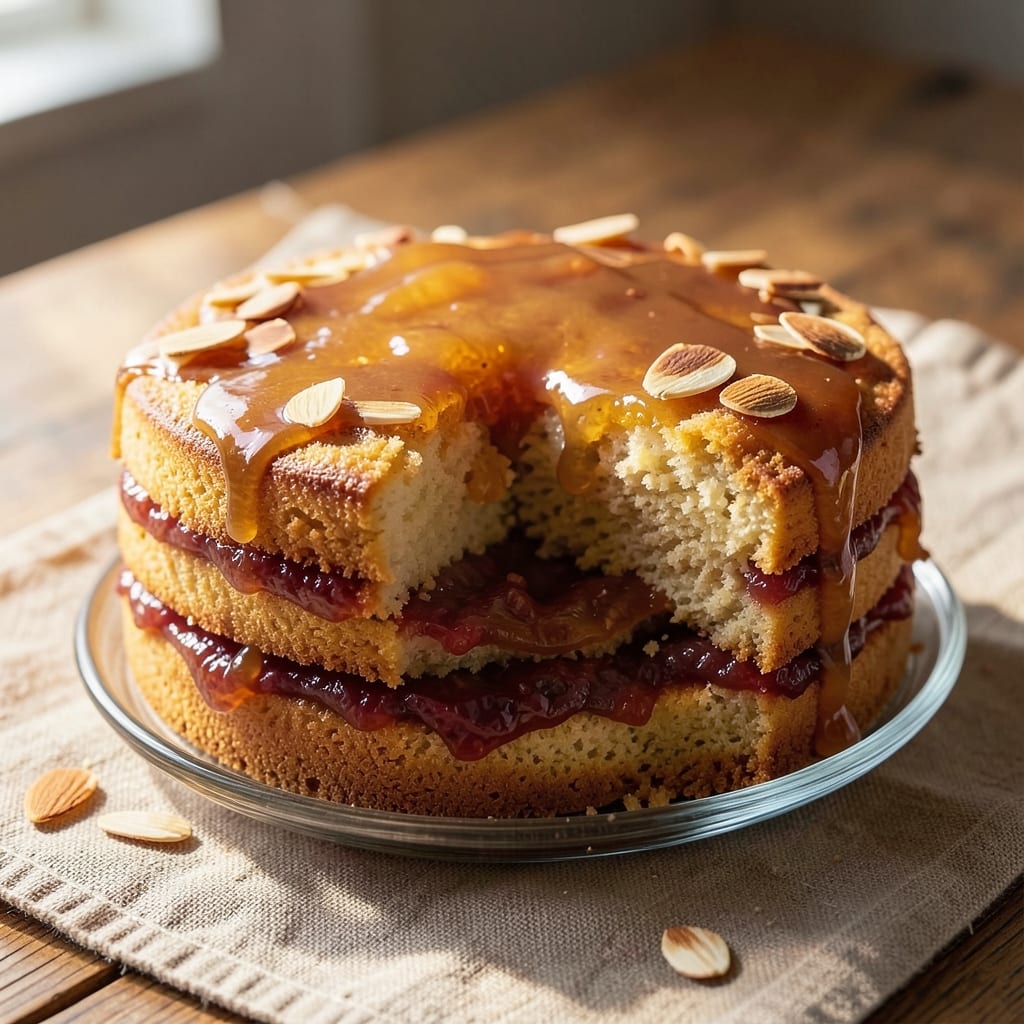
This apricot jam cake delivers layers of buttery crust and fruity apricot jam filling that taste like summer in every bite. The secret lies in perfectly balancing a tender cake base with a rich jam that doesn't turn soggy—something I perfected after years of trial and error. What makes this recipe special is how the warm spices in the cake complement the apricot's natural sweetness, creating a dessert that's both elegant and comforting.
The process is straightforward but requires attention to detail, especially when layering the jam between cake layers. You'll work with a simple yet foolproof cake batter that yields a moist crumb, while the jam filling adds vibrant color and bursts of apricot flavor with every slice. The buttery crust on the top and bottom ensures a satisfying texture that holds up beautifully when sliced.
What you'll end up with is a cake that's visually stunning with its golden crust and jam-filled layers, yet incredibly easy to make. The combination of warm spices, tender cake, and fruity jam creates a dessert that's perfect for celebrations or a cozy afternoon treat. Each slice reveals that perfect balance of textures and flavors.
Serve this cake at room temperature with a dusting of powdered sugar or a light drizzle of apricot glaze for an extra touch of elegance. It's the kind of dessert that will have everyone asking for the recipe—trust me, it's worth the effort.
Ingredients for apricot jam cake
Buttery cake layers, fruity jam filling, and warm spices—this is summer in dessert form.
| Ingredient | Amount | Notes |
|---|---|---|
| All-Purpose Flour 🌾 | 2 ½ cups | Sifted for light texture |
| Granulated Sugar 🍚 | 1 ½ cups | White or light brown |
| Unsalted Butter 🧈 | 1 cup | Softened to room temperature |
| Large Eggs 🥚 | 3 whole | Room temperature preferred |
| Vanilla Extract 🌸 | 1 tbsp | Pure extract, not imitation |
| Apricot Jam 🍑 | 1 ½ cups | High-quality, seedless jam |
| Ground Cinnamon 🌿 | 1 ½ tsp | Freshly ground preferred |
| Ground Nutmeg 🌿 | ½ tsp | Freshly grated for warmth |
| Ground Cloves 🌶️ | ¼ tsp | Lightly toasted for depth |
| Baking Powder 🧂 | 2 tsp | Aluminum-free preferred |
| Salt 🧂 | ½ tsp | Fine sea salt |
| Powdered Sugar 🍚 | ½ cup | For dusting and glaze |
| Milk 🥛 | ½ cup | Whole milk for richness |
The jam is the star here—look for brands like Bonne Maman or Smucker's for that perfect balance of sweetness and tang. If you're feeling fancy, grab a jar of homemade apricot jam from a local market, but store-bought works just fine. The butter? Plugrá or Land O'Lakes are solid choices, but any good-quality unsalted butter will do. For the spices, Penzeys or local spice shops have the freshest ground cinnamon and nutmeg—those little jars at the grocery store are fine, but they lose flavor fast. Toasting your cloves in a dry pan for 30 seconds before grinding adds a whole new level of warmth to the cake. Don't skip this step if you've got the time.
No vanilla extract? Vanilla bean paste works too, or even a scraped vanilla bean if you're feeling extra. Running short on milk? Heavy cream or even water in a pinch keeps the cake moist, though milk gives that perfect tender crumb. The jam filling is where you can get creative—peach or raspberry jam works beautifully if you can't find apricot. Just make sure it's thick enough to hold its shape between layers, or you'll end up with a soggy cake. For the powdered sugar glaze, if you don't have any on hand, sifted granulated sugar with a splash of milk makes a quick substitute. And if you're worried about the cake being too sweet, the warm spices really help balance it out—trust me on that.
This cake keeps beautifully—3-4 days at room temperature wrapped in plastic, or up to 1 week in the fridge. The jam layers actually taste better the next day as everything settles. For make-ahead magic, bake the layers, let them cool completely, then wrap each one individually in plastic. Assemble when you're ready to serve—room temperature layers create the cleanest cuts. The glaze sets up nicely after about an hour, so if you're prepping ahead, skip it until the last minute. Leftovers? Toasted to perfection in the oven with a bit of butter makes for an amazing breakfast treat.
Why You'll Love This Recipe
- You’re using pantry basics: flour, sugar, butter, eggs. No specialty ingredients, no markup. The jam adds that special touch without breaking the bank, and leftovers? They keep for days, so you’re not scrambling to bake something last-minute.
- One-Bowl Wonder: I swear by this recipe when I’m in a rush—just mix everything in one bowl, pour it in, and bake. No fancy layers, no fussing with jam distribution. The butter and sugar cream right up, and the eggs bind it all without extra effort.
- Jam-Packed Richness: That apricot jam swirled into the batter? It’s like a little burst of sunshine in every bite. The vanilla ties it all together, but it’s the jam’s tangy-sweet balance that makes this cake crave-worthy. Honestly, I’ve never met a slice that didn’t disappear fast.
- Weekend or Weeknight: This cake is my go-to for brunch with friends or a lazy Sunday morning. It’s light enough to eat for breakfast but hearty enough to satisfy a dessert craving—no guilt, no stress. Even my picky-eating cousin asks for seconds.
Step-by-step instructions for apricot jam cake
Here's how to create layers of tender cake infused with apricot jam and a buttery crust that'll make every bite irresistible.
Prepare the Apricot Jam Filling
In a small saucepan, combine the 1.5 cups apricot jam with the 0.5 cup milk over medium-low heat. Stir gently until the mixture reaches a smooth, pourable consistency—about 5 minutes. You'll know it's ready when it coats the back of a spoon and has a glossy sheen. Let it cool completely before using, as warm jam can melt the butter in your cake layers.
While the jam cools, lightly toast the 0.25 tsp ground cloves in a dry skillet for 30 seconds until fragrant. This enhances their warm, aromatic qualities without overpowering the apricot flavor. Let them cool completely before adding to your cake batter.
Make the Cake Batter
Preheat your oven to 350°F and grease two 8-inch round cake pans with butter, then line the bottoms with parchment paper. In a large mixing bowl, cream together the 1 cup softened unsalted butter and 1.5 cups granulated sugar until light and fluffy—about 3-4 minutes with an electric mixer. This step is crucial for creating that tender, airy texture we're after.
Add the 3 whole large eggs, one at a time, mixing well after each addition. Then stir in the 1 tbsp vanilla extract and the toasted 0.25 tsp ground cloves. In a separate bowl, whisk together the 2.5 cups all-purpose flour, 2 tsp baking powder, 1.5 tsp ground cinnamon, 0.5 tsp ground nutmeg, and 0.5 tsp salt. Gradually add the dry ingredients to the wet mixture, alternating with 0.25 cup milk at a time, beginning and ending with the dry ingredients.
Assemble the Cake Layers
Divide the batter evenly between your prepared cake pans. Bake for 25-30 minutes, or until a toothpick inserted into the center comes out clean. Let the cakes cool in the pans for 10 minutes, then transfer to a wire rack to cool completely. While they're cooling, spread a thin layer of the cooled apricot jam mixture on the bottom cake layer.
Once completely cool, place the second cake layer on top of the first. Spread the remaining apricot jam mixture evenly over the top layer, leaving about ½ inch border uncovered. This creates that beautiful jam-filled center while keeping the edges clean and elegant.
Create the Buttery Crust
In a small bowl, mix together the 0.5 cup powdered sugar with 2 tablespoons milk until smooth. This forms our glaze that'll create that gorgeous buttery crust. Spread this mixture evenly over the top and sides of the cake, using a spatula to create a smooth, even layer. The glaze should set quickly, creating that professional-looking finish.
For the crust, melt the remaining 2 tablespoons unsalted butter in a small saucepan over low heat. Once melted, brush this butter evenly over the entire surface of the cake, including the sides. This creates that signature buttery crust that complements the jam filling perfectly. Let the cake sit at room temperature for 1 hour before serving to allow the glaze to set completely.
Pro Tips For Making Apricot Jam Cake
- Whisk Eggs Until Ribbon Stage: Stop when the mixture coats the whisk and holds a slow ribbon—no need to overbeat. I used to think more mixing meant fluffier cake, but this is where you risk dryness. The apricot jam adds moisture, so don’t compensate by overworking the batter.
- Melt Butter Slowly: Warm the butter in the microwave for 20 seconds, then stir—don’t melt it fully. Cold butter creates pockets for the jam to swirl into, giving you those gorgeous marbled streaks. Fully melted butter? You’ll end up with a dense, jam-heavy slab instead.
- Fold in Jam Gently: Use a spatula to cut through the batter in thirds, then fold like you’re tucking in a blanket. Dumping the jam in and stirring ruins the texture. The goal is streaks, not a muddy mess—patience here makes all the difference.
- Check Doneness with a Toothpick: Insert it into the center—it should come out with a few moist crumbs, not wet batter. Apricot jam makes cakes trickier to judge; if you pull it out too soon, the middle stays gummy. Let it sit 5 minutes before slicing, or you’ll get a sticky surprise.
Regional styles of these flavors
British Victoria Sponge
In the UK, this cake is known as a Victoria Sponge with a fruity twist. The British version often uses strawberry jam instead of apricot, but I've adapted it to keep the signature apricot flavor. The key difference is the buttery crumb—British bakers swear by double cream in the batter for extra richness. I recommend replacing 0.25 cup milk with 0.25 cup heavy cream for that authentic texture. 🥛
Italian Amaretti Cake
Southern Italy transforms this into an Amaretti-inspired cake by adding 1 tbsp almond extract to the batter and folding in ½ cup finely ground amaretti cookies (like Buitoni) for texture. The apricot jam becomes a glaze instead of a filling—simmer 1 cup apricot jam with 2 tbsp almond liqueur and brush it over the cooled cake layers. This version is lighter but equally delicious.
French Clafoutis Twist
In France, they'd call this a clafoutis-inspired jam cake. The French technique involves baking the cake in a round tart pan with a removable bottom, then filling it with warm apricot jam after baking. For this version, bake the cake in a 9-inch tart pan, then poke holes all over with a fork. Pour 1.5 cups warm apricot jam over the top and let it soak in for 10 minutes before serving. Top with whipped cream for a Parisian touch.
American Apricot Glaze
Southern US bakers often create a glazed apricot cake by omitting the filling and instead brushing the cake with a thin apricot glaze made from 1 cup apricot jam reduced with 2 tbsp water and 1 tsp vanilla. This version keeps the cake drier but adds that signature Southern sweetness. I love adding ½ tsp lemon zest to the glaze for brightness—it cuts through the jam's sweetness beautifully.
German Streusel Topping
German home bakers might add a crunchy streusel topping to this cake. Mix ½ cup all-purpose flour, ¼ cup granulated sugar, ¼ cup cold butter, and ¼ cup chopped walnuts until crumbly. Sprinkle this over the cake before baking, then add the jam filling after cooling. The streusel adds a delightful contrast to the soft cake layers—perfect for those who love texture in their desserts. 🌰
Scandinavian Cardamom Version
In Sweden and Norway, cardamom is the star spice. Replace the cinnamon and nutmeg with 1 tsp ground cardamom for a fragrant twist. The apricot jam pairs beautifully with this spice, creating a warm, aromatic cake. Serve with lingonberry jam on the side for a true Scandinavian experience. This version is especially popular during Christmas markets.
Nutrition facts
Frequently asked questions
Can I substitute apricot jam with another fruit jam?
Peach, raspberry, or strawberry jam work beautifully—just ensure it's thick enough to hold its shape between layers. For best results, choose a jam with similar sweetness to apricot. If using a tart jam like raspberry, you may want to reduce the sugar slightly in the cake batter.
Why does my cake turn out dense instead of light and fluffy?
Overmixing the batter or underbaking are common culprits. Mix just until combined, and bake until a toothpick comes out clean (25-30 minutes at 350°F). Also, ensure your butter is softened (not melted) and your eggs are at room temperature. Don't skip the 10-minute cooling period in the pan!
How do I make this cake ahead of time?
Bake the layers 1-2 days ahead and store wrapped at room temperature. Assemble the cake just before serving—this prevents sogginess. For longer storage (up to 1 week), wrap each layer individually and refrigerate. Bring to room temperature before serving for the best texture.
Can I make this cake in a different pan size?
Yes! For an 8-inch pan, use the recipe as written. For a 9-inch pan, reduce baking time by 5-7 minutes (check at 20 minutes). For a 6-inch pan, increase baking time by 5-7 minutes. Adjust the jam filling proportionally—1 cup for 9-inch, 1.25 cups for 6-inch.
What's the secret to keeping the jam from leaking?
Let the cake layers cool completely before assembling, and spread a thin layer of jam only on the bottom layer. Place the second layer on top, then spread the remaining jam over it—leave a ½-inch border uncovered. Chill the assembled cake for 30 minutes before adding the glaze and crust for extra stability.