
Desserts
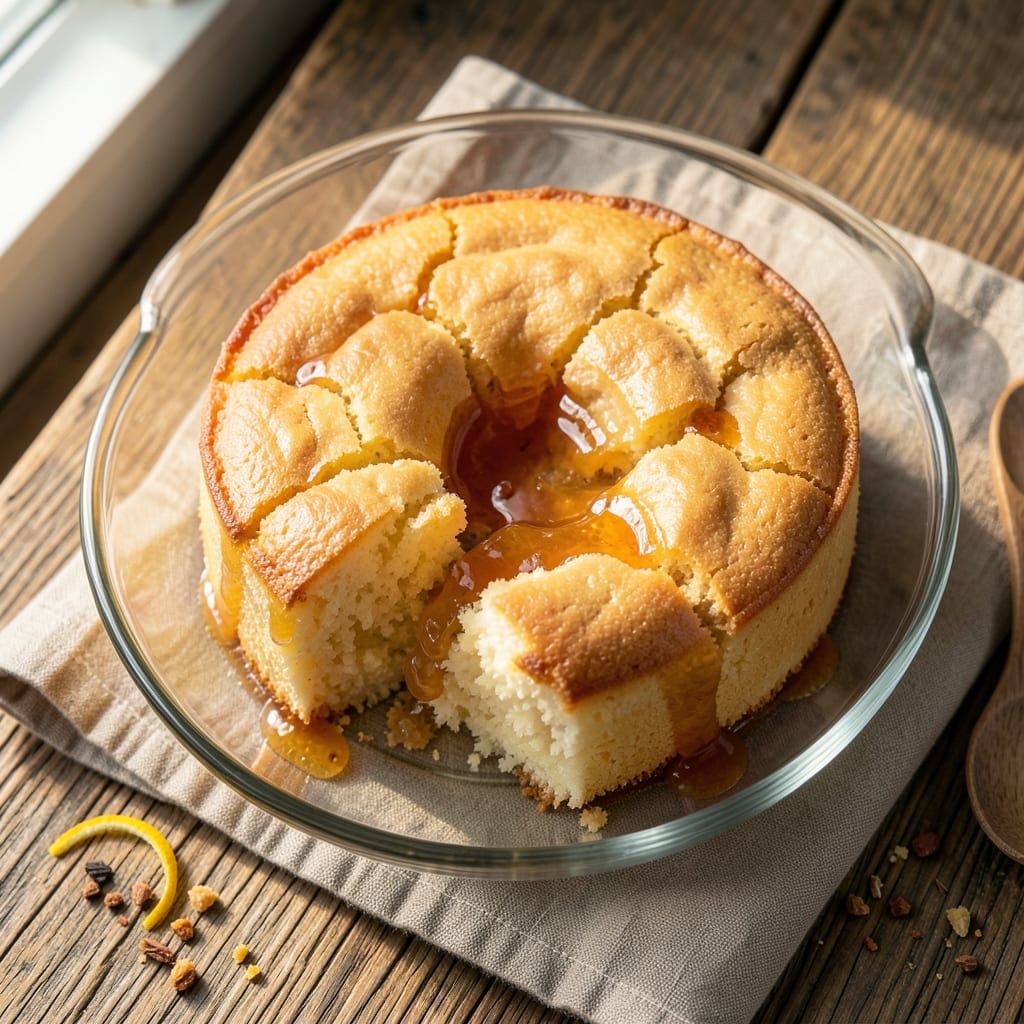
This apricot nectar pound cake delivers the perfect balance of velvety moisture and bright citrus notes, transforming a classic dessert into something truly special. The secret lies in replacing water with apricot nectar, which infuses the cake with natural sweetness while keeping it tender and rich. I developed this recipe after years of baking, and it never fails to impress—whether served at brunch or as an elegant dessert.
The cake's signature texture comes from a combination of buttermilk and vegetable oil, which creates a fine crumb and ensures it stays moist for days. Apricot nectar adds a subtle fruity depth that pairs beautifully with the warm vanilla and citrus zest, making every slice feel like a little taste of summer. Baking at a precise 350°F ensures even cooking without drying out the crumb.
By the time it emerges from the oven, you'll have a golden, fragrant loaf with a tender crumb that practically melts in your mouth. The apricot nectar's natural sweetness shines through without overpowering, while the citrus zest adds a refreshing brightness that cuts through the richness. Serve it warm with whipped cream or chilled with fresh berries for the perfect balance of textures and flavors.
This recipe is ideal for special occasions or when you want to elevate a simple dessert into something extraordinary. The versatility of the cake means it works just as well as a standalone treat or layered in a trifle. Let's get baking—your taste buds will thank you!
Ingredients for apricot nectar pound cake
Twelve simple ingredients transform into a fragrant, citrus-kissed loaf that stays moist for days.
| Ingredient | Amount | Notes |
|---|---|---|
| All-Purpose Flour 🌾 | 3 cups | Sifted for even texture |
| Granulated Sugar 🍚 | 2 cups | White or light brown |
| Apricot Nectar 🍑 | 1 cup | Unsweetened for natural flavor |
| Vegetable Oil 🫒 | 1 cup | Light or canola preferred |
| Buttermilk 🥛 | 1 cup | Full-fat for best texture |
| Large Eggs 🥚 | 3 whole | Room temperature for even mixing |
| Pure Vanilla Extract 🌿 | 2 tsp | High-quality for rich flavor |
| Lemon Zest 🍋 | 1 tbsp | Freshly grated for brightness |
| Orange Zest 🍊 | 1 tbsp | Freshly grated for depth |
| Baking Powder 🍞 | 2 tsp | Double-acting for proper rise |
| Salt 🧂 | ½ tsp | Fine sea salt preferred |
| Powdered Sugar 🍚 | ½ cup | For dusting finished cake |
The apricot nectar is non-negotiable—Trader Joe's or Whole Foods carry the best unsweetened versions. Grab the Mott's brand if you're near a regular grocery store, but avoid anything with added sugar. The citrus zest is where the magic happens: organic lemons and oranges from the produce section have the most vibrant flavor. If you're short on time, bottled citrus zest works, but fresh is worth the extra minute. For the flour, King Arthur or Gold Medal brands give the best texture—avoid cake flour unless you're comfortable adjusting ratios. The buttermilk? If you forget to pick some up, mix 1 tbsp vinegar or lemon juice with 1 cup milk and let it sit for 5 minutes.
No apricot nectar? Mango nectar or peach nectar works in a pinch, but the flavor will be slightly different. Running low on buttermilk? Plain yogurt thinned with milk does the trick. The vegetable oil can be swapped for melted coconut oil if you're avoiding processed oils. For the citrus zest, if you can't find fresh, bottled zest from a reputable brand is better than skipping it entirely. The powdered sugar for dusting? Confectioners' sugar from a sealed container prevents clumping—shake it well before using. Want extra moisture? Add 1 tbsp sour cream or Greek yogurt to the batter, but don't overmix once it's combined.
This cake keeps beautifully—4-5 days at room temperature wrapped in plastic, or 1 week in the fridge. For longer storage, slice and freeze portions for up to 3 months. I always bake two loaves: one for immediate serving and one to freeze for lazy weekends. The powdered sugar dusting? Do it right before serving—it dissolves into the cake if stored too long. Leftovers reheat well in a 350°F oven for 10 minutes to restore that fresh-from-the-oven warmth. Trust me, the second day is just as good as the first.
Why You'll Love This Recipe
- Minimal Mixing Needed: I swear, this cake comes together with just a few swirls of a whisk—no stand mixer, no overworking the batter. The buttermilk and oil blend so smoothly that even if you’re not a baker, you’ll end up with that classic pound cake texture without the fuss.
- Apricot Magic: That jar of apricot nectar? It’s the secret weapon. It keeps the cake moist for days while adding this bright, fruity depth that’s neither too sweet nor cloying—just perfectly balanced. Honestly, the first time I tasted it, I immediately made a second slice.
- Weeknight or Weekend Star: Slice it warm with breakfast coffee, pack it for lunch, or serve it at a brunch spread—this cake handles it all. Between us, it’s my go-to when I need something effortless but impressive, and the buttermilk keeps it rich without being heavy.
- Budget-Friendly Luxury: You’re using pantry staples here: flour, sugar, and a can of nectar that lasts for ages. Yet it tastes like you spent hours baking. I’ll be real: my grocery budget stays happy, and my guests never guess it’s this affordable. Win-win.
Step-by-step instructions for apricot nectar pound cake
Let's create a tender, citrus-kissed pound cake with a moist crumb that stays fresh for days.
Prep Ingredients for Perfect Texture
Start by sifting the 3 cups all-purpose flour with the 2 tsp baking powder and 0.5 tsp salt in a large bowl. This ensures even distribution and prevents dense pockets in the cake. In a separate bowl, whisk together the 2 cups granulated sugar, 1 cup vegetable oil, 1 cup buttermilk, and 3 whole large eggs until fully combined. The eggs should be room temperature—this prevents streaks in the batter.
Next, add the 1 cup apricot nectar and both 1 tbsp lemon zest and 1 tbsp orange zest to the wet ingredients. The zest adds bright citrus notes that complement the apricot beautifully. Mix in the 2 tsp pure vanilla extract last—this enhances the flavor without overpowering the citrus. Let the batter rest for 5 minutes at room temperature before baking. This short wait helps the flour absorb the liquid evenly, ensuring a smooth, tender crumb.
Combine Wet and Dry Ingredients Gently
Gradually add the sifted dry ingredients to the wet mixture, folding just until combined. I use a spatula to gently scrape the bottom of the bowl—this prevents overmixing, which can make the cake tough. The batter should be thick but pourable, like heavy pancake batter. If it looks too stiff, add 1 tablespoon of buttermilk to loosen it.
Don’t worry if the batter isn’t perfectly smooth—small lumps are fine. Overmixing develops gluten, which leads to a dense, chewy texture instead of the light, velvety crumb we want. Once fully incorporated, pour the batter into a greased and floured 10-inch tube pan (or two 9-inch round pans if preferred). Fill the pan about halfway—this ensures even baking and prevents overflow.
Bake at Low Heat for Even Cooking
Preheat your oven to 325°F—this lower temperature ensures the cake bakes evenly without forming a dry crust. Place the pan in the center rack and bake for 50-60 minutes, or until a toothpick inserted in the center comes out clean. The cake is done when the edges pull away slightly from the pan and the top springs back when pressed gently.
Here’s the trick: If the top browns too quickly, tent the pan loosely with aluminum foil after 30 minutes. This keeps the cake moist while allowing it to rise properly. The apricot nectar adds natural sweetness, so resist the urge to overbake—it’s easy to go from perfect to dry in just a few extra minutes.
Cool and Dust for Finishing Touches
Remove the cake from the oven and let it cool in the pan for 15 minutes. Then, invert it onto a wire rack to cool completely. This step is crucial—cooling upside down prevents a soggy bottom. Once fully cooled, dust the top generously with the 0.5 cup powdered sugar using a fine-mesh sieve. This adds a delicate sweetness and makes the cake look stunning.
Slice the cake into 12 servings (about 1-inch thick slices) and serve at room temperature. The citrus zest and apricot nectar create a bright, moist crumb that stays tender for days. Store leftovers in an airtight container at room temperature for up to 5 days, or freeze for up to 3 months. Enjoy with a cup of tea or a dollop of whipped cream!
Pro Tips For Making Apricot Nectar Pound Cake
- Preheat to 325°F: DESCRIPTION: I learned this the hard way—baking at 350°F gives you a dry, cracked top. Apricot nectar pound cake needs a gentler oven to set properly without burning. Use an oven thermometer to confirm; if your oven runs hot, drop it to 325°F and bake 5-10 minutes longer.
- Whisk the nectar: DESCRIPTION: Don’t just pour in the apricot nectar—whisk it into the wet ingredients first. This breaks up any sugar crystals and ensures even distribution, so every bite gets that bright, fruity flavor instead of just pockets of sweetness.
- Measure flour correctly: DESCRIPTION: Spooning flour into the cup and leveling it (don’t pack it) makes all the difference. Too much flour = dense, dry cake. Too little = a sad, flat collapse. Use a kitchen scale if you’re serious—this isn’t the time to eyeball it.
- Grease the pan well: DESCRIPTION: Vegetable oil is your friend here, but don’t skimp. Brush the pan and line it with parchment, then fold the edges over the cake—this prevents sticking and makes unmolding a breeze. (Yes, even if you’re impatient like me.)
Wine and beer pairings for this apricot nectar pound cake
Citrus-Infused Whites
The bright, zesty notes of the apricot nectar and citrus zest in this cake pair beautifully with crisp, dry white wines. A Sauvignon Blanc from New Zealand—like Cloudy Bay—cuts through the richness with its herbal and citrusy profile, enhancing the cake's lemon and orange flavors. For something lighter, try a Pinot Grigio from Italy, such as Santa Margherita, which complements the apricot nectar without overpowering it. 🍷
Fruity Red Wines
If you prefer red, opt for a light-bodied Pinot Noir with subtle fruitiness, like Meiomi or La Crema. These wines have enough acidity to balance the cake’s sweetness while their berry notes harmonize with the apricot. Avoid heavy, tannic reds—they’ll clash with the delicate citrus and fruit flavors. A cool-climate Zinfandel from California also works well, offering a juicy, vibrant contrast.
Sparkling Wine Pairings
For a celebratory touch, serve this cake with Prosecco or Cava. The bubbles and slight sweetness of La Marca Prosecco or Freixenet Cordon Negro Cava elevate the dessert experience, cleansing your palate between bites. A demi-sec sparkling wine adds a touch of sweetness that mirrors the cake’s natural apricot nectar notes. 🥂
Beer Pairings
A wheat beer or Belgian witbier is a fantastic match—try Blue Moon or Hoegaarden. Their citrusy, spiced profiles complement the cake’s lemon and orange zest, while the effervescence cuts through the richness. For a darker option, a honey ale like Allagash Honey Farmer adds a subtle sweetness that pairs wonderfully with the apricot nectar. Avoid heavy, malty beers—they’ll overpower the delicate flavors.
Non-Alcoholic Options
For a refreshing non-alcoholic pairing, try sparkling apple cider like Martinelli’s or a citrus-infused iced tea. The effervescence and tartness mirror the cake’s brightness, while the natural sweetness of the cider enhances the apricot notes. A vanilla chai latte from your favorite café also works beautifully, adding warmth to the citrusy, fruity flavors. 🍹
Nutrition facts
Frequently asked questions
Can I substitute apricot nectar with another fruit puree?
Yes, but the flavor will change slightly. For the best results, use 1 cup unsweetened mango or peach nectar—these have similar sweetness levels. Avoid overly tart purees like pineapple, as they can make the cake taste sharp. If using fruit puree, reduce the granulated sugar by 2 tablespoons since purees are naturally sweeter.
Why does my apricot nectar pound cake turn out dense?
Overmixing the batter is the most common cause. Stop folding the dry ingredients into the wet once just combined—small lumps are fine. Also, ensure your eggs are room temperature and don't overbake. The cake is done when a toothpick comes out clean (50-60 minutes at 325°F), not when it looks browned.
How do I store leftovers to keep them moist?
Wrap the cake tightly in plastic wrap and store at room temperature for up to 4 days. For longer storage, slice and freeze portions for 3 months. To reheat, warm slices in a 350°F oven for 10 minutes—this restores that fresh-baked texture. Avoid refrigerating whole cakes, as condensation makes them soggy.
Can I make this cake gluten-free?
Yes, but texture will differ slightly. Replace the all-purpose flour with a 1:1 gluten-free baking flour blend (like Bob's Red Mill) and add 1 tsp xanthan gum. For best results, also use a gluten-free baking powder. Expect a slightly denser crumb, but the apricot-citrus flavor remains delicious.
What's the best way to serve this cake?
Warm slices with whipped cream and fresh berries make a perfect brunch dessert. For a fancier presentation, layer cake slices with mascarpone cream and toasted almonds. The citrus notes also pair beautifully with Earl Grey tea or sparkling wine—try a Prosecco for a celebratory touch.