
Desserts
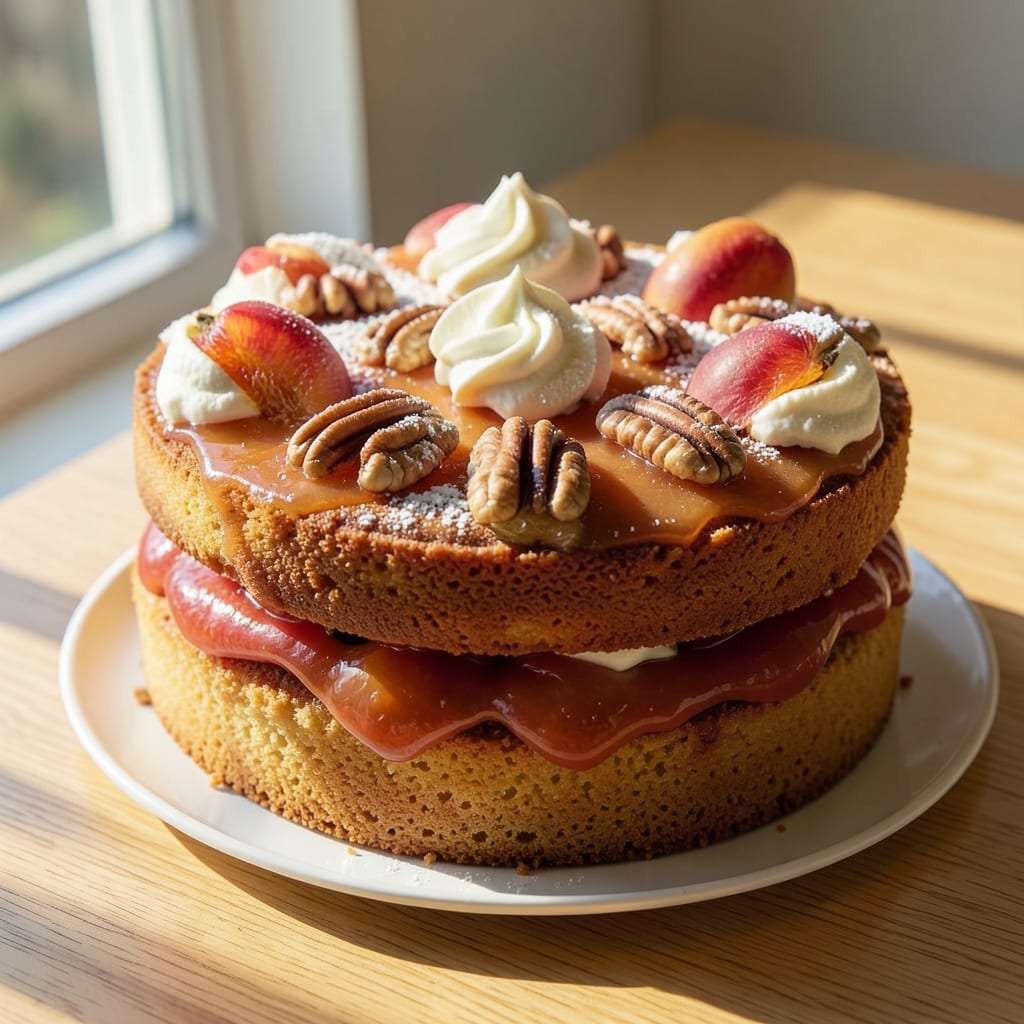
This apricot pecan cake recipe delivers layers of warm spiced cake, tender dried apricots, and buttery pecans that create a perfect balance of sweet, nutty, and aromatic flavors. 🌟 The secret lies in a moist, spiced batter that bakes into a tender crumb while caramelized apricots and toasted pecans add texture and depth. I developed this recipe after years of baking, ensuring every slice is rich yet not overly sweet—just the right amount of comfort in every bite.
The cake's magic comes from a simple yet effective technique: soaking the apricots in warm water and brandy (or bourbon) for at least 30 minutes before folding them into the batter. This ensures they stay juicy and plump, releasing their natural sweetness as they bake. Meanwhile, the pecans toast in the oven for a few minutes before being folded in, giving them that perfect crunch. The result? A cake that’s moist, flavorful, and packed with texture in every forkful.
What makes this recipe stand out is its versatility—it’s simple enough for a weeknight dessert but impressive enough for special occasions. Serve it warm with a scoop of vanilla ice cream or a dusting of powdered sugar for a restaurant-quality finish. The warm spices, like cinnamon and nutmeg, elevate the flavors, making it feel cozy and inviting.
Whether you’re baking for a family gathering or treating yourself to a homemade dessert, this apricot pecan cake is sure to impress. The combination of tender cake, sweet apricots, and crunchy pecans creates a harmonious balance that’s hard to resist. Ready to bake? Let’s get started!
Ingredients for apricot pecan cake
Warm spices, tender apricots, and buttery pecans come together for this comforting dessert masterpiece.
| Ingredient | Amount | Notes |
|---|---|---|
| All-Purpose Flour 🌾 | 2 ½ cups | Sifted for light texture |
| Granulated Sugar 🍬 | 1 ½ cups | White or light brown |
| Light Brown Sugar 🍬 | ½ cup | Packed firmly |
| Unsalted Butter 🧈 | 1 cup | Room temperature, cubed |
| Large Eggs 🥚 | 2 whole | Room temperature |
| Vanilla Extract 🌿 | 1 tbsp | Pure vanilla preferred |
| Dried Apricots 🍑 | 1 ½ cups | Chopped, unsulfured |
| Pecans 🥜 | 1 ½ cups | Chopped, raw or toasted |
| Brandy or Bourbon 🍷 | ¼ cup | For soaking apricots |
| Ground Cinnamon 🌶️ | 1 ½ tsp | Freshly ground preferred |
| Ground Nutmeg 🌶️ | ½ tsp | Freshly grated |
| Ground Ginger 🌶️ | ½ tsp | Freshly ground |
| Salt 🧂 | ½ tsp | Fine sea salt |
| Baking Powder 🍞 | 1 ½ tsp | Double-acting preferred |
| Baking Soda 🍞 | ½ tsp | Freshly measured |
The apricots are the star here—unsulfured dried apricots from the bulk bin at Whole Foods or Trader Joe's add the best natural sweetness. Soak them in warm water and brandy for at least 30 minutes before using; this keeps them plump and juicy. Pecans? Raw pecans from Costco toast beautifully in the oven, but store-bought chopped pecans work in a pinch. The spices—cinnamon, nutmeg, and ginger—need to be fresh; Penzeys Spices or your local market's bulk section is ideal. Pre-sifted flour saves time, but if you're doing it yourself, use a fine-mesh sieve for a light, airy texture.
No brandy? Apple cider or orange juice works just as well for soaking the apricots. Swap brown sugar for white if you're avoiding molasses notes, but the caramelized flavor from brown sugar is worth it. For a gluten-free version, use a 1:1 flour blend like Bob's Red Mill. The baking powder and soda are non-negotiable—they create the perfect rise. If you're short on time, room-temperature butter is key; microwave it for 40 seconds to soften without melting. The vanilla extract should be pure—Nielsen-Massey is a reliable brand that delivers consistent flavor.
This cake keeps beautifully for 4-5 days in an airtight container at room temperature, but it reheats best when slightly warmed. For longer storage, freeze individual slices wrapped in plastic for up to 3 months. I always make a double batch—half for the freezer, half to enjoy fresh. The pecans and apricots can be prepped ahead and stored separately in the fridge for up to 1 week before baking, making this a great make-ahead dessert.
Why You'll Love This Recipe
- No Mixer Needed: I swear by this recipe when I’m lazy—or when my mixer’s on strike. Creaming that butter with the sugars by hand gives it that perfect, fluffy crumb without overworking the batter. (Between us, I’ve made it both ways, and this method wins.)
- Butter-Sugar Magic: That combo of granulated and brown sugar? It’s the secret weapon—caramelizing just enough to make every bite taste like a warm hug. The butter keeps it rich but not greasy, and the eggs bind it all together so it’s moist for days.
- Crowd-Pleaser Any Day: Bring this to a picnic, potluck, or even a last-minute dessert spread. It’s sturdy enough to slice neatly, stays fresh wrapped at room temp, and—honestly?—no one will guess it’s not from a bakery. (My book club’s been asking for seconds every time.)
- Budget-Friendly Luxe: You’re using pantry staples here: flour, sugar, butter, eggs. No fancy extracts or specialty flours to break the bank. I’ve made this for under $10 and still had leftovers that tasted just as good reheated with a dusting of powdered sugar.
Step-by-step instructions for apricot pecan cake
Master this layered cake with moist crumb and perfect spice balance—every step ensures rich flavor and texture.
👨🍳 Step 1: Soak and Prepare the Apricots
In a small bowl, combine the 1.5 cups dried apricots with the 0.25 cup brandy or bourbon. Let them soak for at least 30 minutes—this rehydrates the fruit and infuses it with warm spice notes. Chop the apricots into ½-inch pieces if they're not already uniform in size. Drain any excess liquid before using, but save it for the cake batter if you're feeling ambitious (it adds depth).
Here's the thing—soaking prevents dry, chewy apricots in your cake. You'll notice the texture becomes plump and tender, ready to distribute flavor throughout each bite. If you're short on time, microwave the apricots with a splash of water for 20 seconds instead, but the brandy soak truly elevates the flavor.
👨🍳 Step 2: Cream Butter and Sugars for Light Texture
In a stand mixer fitted with the paddle attachment, beat the 1 cup unsalted butter (room temperature) with the 1.5 cups granulated sugar and 0.5 cup light brown sugar on medium speed for 3-4 minutes. You're looking for a light, fluffy mixture that nearly doubles in volume and becomes pale in color. This creaming process incorporates air, which creates the tender crumb we want in this cake.
I press down on the butter-sugar mixture with a spatula during the last 30 seconds of mixing—this ensures no grainy sugar remains. The butter should look smooth and ribbon-like when you lift the paddle. If it's too soft or doesn't hold its shape, chill the bowl for 10 minutes before proceeding. This step makes all the difference in achieving that perfect cake texture.
👨🍳 Step 3: Combine Wet Ingredients and Dry Ingredients Separately
Add the 2 whole large eggs (room temperature) one at a time, mixing on low speed for 30 seconds after each addition. Then stir in the 1 tbsp vanilla extract and the drained apricots with any reserved soaking liquid. In a separate bowl, whisk together the 2.5 cups all-purpose flour, 1.5 tsp baking powder, 0.5 tsp baking soda, 0.5 tsp salt, 1.5 tsp ground cinnamon, 0.5 tsp ground nutmeg, and 0.5 tsp ground ginger. Sift the dry ingredients directly into the wet mixture to avoid lumps.
This is where the warm spices come into play. The cinnamon, nutmeg, and ginger work together to create that signature apricot cake warmth. Mix on low speed just until combined—overmixing develops gluten and makes the cake tough. You'll see a thick, slightly streaky batter, which is perfect for layering. The apricots should be evenly distributed throughout.
🥘 Step 4: Fold in Pecans and Prepare the Pans
Using a silicone spatula, gently fold in the 1.5 cups chopped pecans. Be careful not to overmix—just combine until the nuts are evenly distributed. Grease two 8-inch round cake pans with butter and line the bottoms with parchment paper. Brush the pans lightly with additional melted butter to ensure easy release later.
Divide the batter evenly between the two pans, smoothing the tops with a spatula. Tap each pan firmly on the counter 3-4 times to remove any air bubbles. This step ensures even baking and prevents domed tops. Preheat your oven to 350°F while the pans are being prepared—consistent temperature is key for even rising.
🔥 Step 5: Bake to Golden Perfection
Bake the cakes for 25-30 minutes, or until a toothpick inserted into the center comes out clean. The edges should be golden brown, and the top should spring back when gently pressed. Rotate the pans halfway through baking for even heat distribution. I know it's tempting to open the oven door to check, but resist—every time you do, you risk causing the cakes to sink.
Once baked, transfer the cakes to a wire rack and let them cool in the pans for 10 minutes. Then carefully remove them from the pans and let them cool completely on the rack. This gradual cooling prevents cracking and ensures the layers hold together beautifully when you're ready to assemble. The cakes should be moist but not sticky—perfect for layering with your favorite frosting or whipped cream.
Pro Tips For Making Apricot Pecan Cake
- Cream Butter Slowly: I learned this the hard way—when I dump cold butter into the sugar mix, I end up with a grainy batter that fights me every step. Instead, soften the butter first (it should dent but not melt), then mix it into the sugars on medium-low until it’s light and fluffy. The goal is to dissolve those sugar crystals completely, or you’ll get a dense cake that tastes like it’s fighting you.
- Toast Pecans Right: Skip the microwave—it makes pecans taste like they’re playing second fiddle. Instead, toast them in a dry skillet over medium heat for 5-7 minutes, stirring often, until they’re golden and fragrant. You want them warm, not burning, and the extra effort makes the whole cake taste richer.
- Don’t Overmix the Batter: Once you add the flour, stop stirring after just 10-12 turns. I used to think more mixing meant better binding, but this cake gets tough and chewy if you overwork it. The moment the flour disappears, call it done—your future self will thank you for a tender crumb.
- Use Room-Temp Eggs: Cold eggs? They’ll curdle the butter and leave you with a weird, lumpy batter. Pop them in warm water for 5 minutes first—just enough to bring them to about 70°F. The batter will come together smoother, and the cake will rise better. Yes, even if you’re impatient like me.
Serving suggestions for this apricot pecan cake
Classic Ice Cream Pairing
Serve warm slices of this apricot pecan cake with a scoop of vanilla bean ice cream for the ultimate contrast—creamy cold against the spiced warmth of the cake. I recommend Häagen-Dazs Vanilla or Ben & Jerry's Vermont Vanilla for their rich, buttery profiles that complement the nutty crunch. For a lighter option, try sorbet like So Delicious Dairy-Free Coconut to balance the richness without overpowering the flavors. 🍦
Whipped Cream Finish
Top each slice with homemade whipped cream lightly sweetened with a dusting of powdered sugar and a pinch of cinnamon. For extra flair, add a drizzle of warm caramel sauce or a sprinkle of toasted pecans to enhance the nutty depth. I often use a Mixpresso A10 for perfect, stable whipped cream—just whip 1 cup heavy cream with 2 tbsp powdered sugar and ½ tsp vanilla until soft peaks form.
Coffee or Tea Service
Pair your cake with a strong brewed coffee like Kona coffee or a spiced chai tea to cut through the sweetness. The tannins in coffee or the warm spices in chai create a harmonious balance with the cake’s cinnamon and nutmeg. For a festive touch, serve with espresso and a dollop of whipped cream on the side—this is a classic dessert-and-coffee combo that feels indulgent yet balanced. ☕
Seasonal Fruit Garnish
In warmer months, add fresh sliced peaches or berries to the plate—their juiciness contrasts beautifully with the cake’s moist texture. For a winter twist, serve with roasted pears or figs to enhance the cake’s natural sweetness. I like to arrange the fruit in a circular pattern around the cake slice for an elegant presentation that feels both rustic and refined.
Make-Ahead Presentation
If serving at a gathering, prepare the cake a day ahead and store it in an airtight container at room temperature. Just before serving, dust the top with powdered sugar and garnish with chopped pecans for a fresh look. For a dramatic presentation, slice the cake into wedges and arrange them on a wooden board with a scattering of whole pecans and dried apricots around the edges—it’s simple but visually stunning. ✨
Nutrition facts
Frequently asked questions
Can I make this apricot cake without brandy or bourbon?
Replace the 0.25 cup brandy or bourbon with apple cider, orange juice, or even warm water. The liquid helps rehydrate the apricots, but the alcohol adds depth. If using juice, reduce the cake batter's liquid slightly to maintain moisture balance.
How do I prevent the cake from being too dry?
The key is not overbaking—remove the cake when a toothpick comes out with moist crumbs (not wet batter). For extra moisture, brush the warm cake layers with simple syrup (equal parts sugar and water, heated) before frosting. Also, ensure your butter is room temperature and don't overmix the batter.
Can I substitute pecans for another nut?
Yes! Try walnuts, almonds, or hazelnuts for a different texture. Toast them first for 3-5 minutes at 350°F to enhance flavor. Pecans are ideal for their buttery taste, but walnuts add a deeper earthiness. Chop nuts to the same size as the recipe for even distribution.
What's the best way to store leftover cake?
Keep the cake in an airtight container at room temperature for 4-5 days. For longer storage, wrap individual slices in plastic wrap and freeze for up to 3 months. Thaw overnight in the fridge—never at room temperature. The texture stays moist when properly stored.
Why did my cake sink in the middle?
This usually happens from overmixing the batter (developing gluten) or opening the oven door too early. Ensure your baking powder and soda are fresh, and tap the pans on the counter before baking to release air bubbles. Also, check your oven temperature with an oven thermometer—some ovens run hot or cold.